

So, you want to get into esport coach jobs, huh? It can feel a bit like trying to beat the final boss without any cheats. But really, with the gaming world just blowing up, more and more teams are looking for good coaches. This guide is like your personal strategy book, showing you step-by-step how to turn your love for games into a real, paying job coaching others. Let’s get started and see what you can do!
Key Takeaways
- You don’t have to be a pro player to be an esport coach, but you do need to know the game inside and out and understand team plays.
- To be a good coach, work on talking clearly, managing players well, and always learning new ways to coach.
- Getting hands-on experience, even with amateur teams, is super important for building your coaching skills.
- Formal degrees aren’t always needed for esport coach jobs, but knowing a lot about the game and how to teach it is key.
- Keep up with game changes, connect with others in the esport world, and always look for ways to get better at coaching.
Understanding the Esports Coaching Landscape
So, you want to be an esports coach? It’s not just about playing games all day. Let’s look at what the world of esports coaching actually looks like.
The Growing Demand for Esports Coach Jobs
The esports world is getting bigger, and fast. More players, more teams, and more money are involved. This growth means there’s a bigger need for good coaches. It’s like any sport; as it gets more serious, the coaching gets more important. Think of traditional sports – football, basketball – they all rely on coaches to guide players and develop strategies. Esports is no different. The demand is there, but you need to be ready to meet it.
Defining the Role of an Esports Coach
What does an esports coach do? It’s more than just telling people what to do. A coach helps players get better, works on team strategies, and makes sure everyone is working together well. They’re part strategist, part teacher, and part motivator. They need to understand the game inside and out, but also understand how to get the best out of their players. It’s about improving communication, managing stress, and creating a winning environment.
Key Qualities of a Successful Esports Coach
What makes a good esports coach? It’s a mix of skills. You need to know the game, obviously. But you also need to be able to communicate well, manage different personalities, and build a team that works together. Being patient, understanding, and adaptable are also important. The game is always changing, and so are the players. A good coach can keep up with all of it.
Being a successful esports coach isn’t just about knowing the game; it’s about understanding people and creating an environment where they can thrive. It’s about leadership, communication, and a constant desire to learn and improve.
Essential Skills for Esports Coach Jobs
So, you want to be an esports coach? It’s not just about playing games all day. You need a certain set of skills to actually help a team get better. Let’s break down some of the most important ones.
Strategic Game Understanding
This one seems obvious, but it goes way beyond just knowing how to play the game. You need to understand the game at a really deep level. Think about it like this: you have to know all the characters, maps, strategies, and updates inside and out. You should be able to predict what the other team is going to do and come up with counter-strategies on the fly. It’s like being a chess grandmaster, but with more explosions and maybe some spaceships.
Effective Communication Skills
Being a good coach means being a good communicator. You have to be able to explain complex ideas in a way that everyone on the team can understand. This means being clear, concise, and patient. Not everyone learns at the same pace, so you need to be able to adapt your communication style to fit each player. Also, you need to be able to give constructive criticism without crushing their spirits. It’s a delicate balance.
Player Management and Team Building
Esports teams are made up of people, and people have feelings. You need to be able to manage different personalities, resolve conflicts, and build a positive team environment. This means understanding how to motivate players, deal with stress, and keep everyone focused on the same goal. It’s like being a therapist, a teacher, and a drill sergeant all rolled into one. Here are some key aspects:
- Creating a supportive environment where players feel comfortable sharing ideas and concerns.
- Analyzing games together, watching past matches as a group to discuss what went right or wrong, and teaching new strategies.
- Managing stress levels by teaching stress management techniques and ensuring players take breaks when needed.
Being an esports coach is more than just knowing the game. It’s about understanding people and helping them work together to achieve a common goal. It’s about building a team that is greater than the sum of its parts.
Acquiring Necessary Experience for Esports Coach Jobs
So, you want to be an esports coach? Awesome! It’s not just about playing games all day. You need to put in the work to get the right experience. Let’s break down how to get your foot in the door.
Building a Strong Foundation in Gaming
First things first, you need to know your game. I mean, really know it. This isn’t just about playing casually; it’s about understanding the ins and outs, the strategies, and the meta. You need to be able to anticipate changes and understand why certain tactics work. Think of it like this: you can’t teach someone to build a house if you don’t know how to lay the foundation. The same goes for esports. Dive deep into the esports economy and understand every aspect of the game you want to coach.
- Play the game extensively. Experiment with different roles, characters, and strategies.
- Watch professional matches and analyze the gameplay. Pay attention to team compositions, rotations, and decision-making.
- Stay up-to-date with patch notes and balance changes. Understand how these changes impact the game and how to adapt your strategies accordingly.
Gaining Practical Coaching Experience
Okay, you’re a gaming whiz. Great! Now, it’s time to get some actual coaching experience. This is where you start putting your knowledge to the test and learning how to work with players. Don’t expect to jump straight into coaching a pro team. Start small and work your way up. Think of it as an apprenticeship. You’re learning the ropes and honing your skills.
- Volunteer to coach a local amateur team or online community team. This is a great way to get your feet wet and learn the basics of coaching.
- Offer coaching sessions to individual players. This allows you to focus on specific skills and tailor your coaching to individual needs.
- Analyze replays and provide feedback to players. This helps them identify their mistakes and improve their gameplay.
Experience is the best teacher. Don’t be afraid to make mistakes and learn from them. The more you coach, the better you’ll become.
Developing Your Coaching Portfolio
So, you’ve got some experience under your belt. Now, it’s time to showcase your skills and accomplishments. A coaching portfolio is like a resume for coaches. It’s a way to demonstrate your abilities and convince teams that you’re the right person for the job. Make sure to highlight your achievements and quantify your impact whenever possible. Show, don’t just tell.
- Create a website or online profile to showcase your coaching experience, achievements, and testimonials.
- Record and share your coaching sessions. This allows potential teams to see your coaching style and approach.
- Collect testimonials from players you’ve coached. Positive feedback from players can go a long way in convincing teams that you’re a good coach.
Navigating Qualifications for Esports Coach Jobs
Formal Education Versus Practical Experience
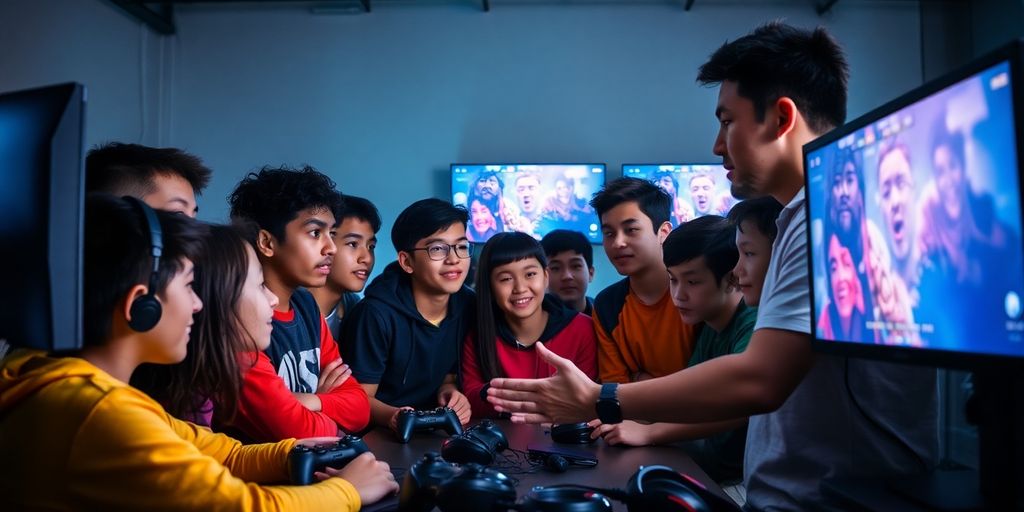
When it comes to esports coaching, the big question is always: does formal education matter, or is practical experience king? The truth is, it’s a bit of both. You don’t necessarily need a fancy degree to coach, but you absolutely need to know your stuff. A degree in sports science, psychology, or even communications can give you a leg up, providing a theoretical foundation for understanding player behavior, team dynamics, and effective communication strategies. However, nothing beats hands-on experience.
Many successful coaches started as dedicated players, grinding their way up the ranks and learning the intricacies of the game firsthand. This practical knowledge is invaluable when it comes to developing strategies, understanding player perspectives, and making real-time decisions during matches.
Certifications and Specialized Training
While a formal degree isn’t always a must-have, certifications and specialized training can definitely boost your credibility. Several organizations now offer coaching certifications specifically for esports. These programs typically cover topics like:
- Game-specific strategies and tactics
- Player management and communication
- Team building and leadership
- Sports psychology and mental conditioning
- Ethical considerations in esports
Getting certified shows that you’re serious about coaching and that you’ve invested time and effort into developing your skills. It can also give you a competitive edge when applying for jobs. Keep an eye out for training programs offered by established esports organizations or academies. These programs often provide hands-on experience and networking opportunities, which can be incredibly helpful for breaking into the industry.
Continuous Learning and Adaptation
Esports is a constantly evolving landscape. Games get updated, strategies change, and new technologies emerge all the time. That’s why continuous learning and adaptation are so important for esports coaches. You need to be a lifelong learner, always seeking out new information and refining your skills. This might involve:
- Staying up-to-date on game patches and meta changes
- Analyzing professional matches and identifying new strategies
- Reading books and articles on coaching and leadership
- Attending workshops and conferences
- Experimenting with new training methods
Being adaptable is also key. What works for one team or player might not work for another. You need to be able to adjust your coaching style and strategies based on the individual needs of your players and the specific challenges they face. The best coaches are those who are always learning, adapting, and pushing the boundaries of what’s possible.
Finding and Securing Esports Coach Jobs
So, you’ve got the skills, the experience, and maybe even some qualifications. Now it’s time to actually land that esports coach job. It’s not always easy, but with the right approach, you can definitely increase your chances.
Crafting a Compelling Resume
Your resume is your first impression, so make it count. Highlight your gaming achievements, coaching experience (even if it’s volunteer work), and any relevant skills like communication, leadership, and strategic thinking. Don’t just list your accomplishments; quantify them whenever possible. For example, instead of saying “Improved team performance,” say “Increased team win rate by 15% in three months.” Tailor your resume to each specific job you’re applying for, emphasizing the skills and experience that are most relevant to the position.
Networking Within the Esports Industry
Networking is super important. Attend esports events, join online communities, and connect with people on social media. Talk to players, team managers, and other coaches. Let them know you’re looking for a job and what you have to offer. You never know where your next opportunity might come from. Building relationships can open doors that you didn’t even know existed. It’s not just about who you know, but who knows you and what they think of your abilities.
Exploring Job Boards and Direct Applications
Job boards are a good place to start your search. Websites like Hitmarker, Indeed, and LinkedIn often have esports coaching positions listed. But don’t limit yourself to job boards. Research esports teams and organizations that you’re interested in working for, and reach out to them directly. Even if they don’t have any open positions listed, they might be willing to consider you if you have a strong resume and a compelling cover letter. Sometimes, the best opportunities are the ones you create for yourself.
Remember, persistence is key. Don’t get discouraged if you don’t get a job right away. Keep honing your skills, building your network, and applying for positions. Eventually, you’ll find the right fit.
Career Progression in Esports Coach Jobs

So, you’ve landed an esports coach job. What’s next? It’s not a dead-end, that’s for sure. There are ways to move up, specialize, and, of course, earn more. Let’s look at how you can grow your career in esports coaching.
Advancing Your Coaching Career
To really move up the ladder, you need to keep improving. Continuous learning is key. This means staying on top of game updates, new strategies, and even the latest coaching techniques. Don’t just stick to what you know; branch out. Consider these points:
- Seek out mentorship from experienced coaches. Their insights can be invaluable.
- Attend esports conferences and workshops. It’s a great way to learn and network.
- Analyze your own coaching performance. What worked? What didn’t? Be honest with yourself.
The esports world changes fast. What’s effective today might be outdated tomorrow. Staying adaptable and always learning is the only way to stay ahead.
Specializing in Specific Games or Roles
Instead of being a generalist, think about focusing on a specific game or even a particular role within a team. For example, you could become a specialist in coaching support players in League of Legends, or maybe focus on strategy for Counter-Strike 2. Specializing can make you more attractive to top-tier teams.
Potential Salary Expectations for Esports Coach Jobs
Okay, let’s talk money. Esports coach salaries can vary a lot. It depends on the game, the team’s level, and your experience. Entry-level coaches might start at around $30,000 a year, but experienced coaches working with professional teams can earn well over $100,000. Here’s a rough idea:
| Level | Annual Salary |
|---|---|
| Entry-Level | $30,000 – $50,000 |
| Mid-Level | $50,000 – $80,000 |
| Professional | $80,000+ |
Keep in mind that these are just estimates. Your actual salary will depend on several factors, including your negotiation skills and the team’s budget. Also, some coaches get bonuses based on team performance, which can significantly boost their earnings.
Conclusion
So, becoming an esports coach is a real possibility for anyone who loves gaming. It’s not always easy, though. You have to put in a lot of effort and time. Pick a game you really like and become good at it. Also, watch professional players and tournaments. This helps you understand the game better and keep up with new strategies. Remember, the pay for an esports coach can be very different, from around $20,000 to over $150,000 a year. It just depends on the team and your experience. But if you work hard, it can be a good job.
Frequently Asked Questions
Do I need to be a former pro player to become an esports coach?
Becoming an esports coach doesn’t always require you to have been a professional player. What’s most important is that you deeply understand the game, know a lot about team strategies, and can teach others effectively.
What are the most important skills for an esports coach?
To be a great coach, focus on improving how you talk to people, learn how to manage players well, and always be open to new ways of coaching.
Can I get experience coaching without a paid job first?
Yes, you can start by coaching amateur teams or volunteering your time. This helps you gain real experience and build a strong resume.
Do I need a special degree to become an esports coach?
While a college degree isn’t always needed, having one or similar experience can be helpful. What truly matters is your knowledge of the game and your ability to coach.
Where can I find job openings for esports coaches?
You can look for job openings on various websites that list esports positions. However, top teams often seek out coaches directly, so building a strong network and reputation is key.
What kind of salary can an esports coach expect?
The pay for an esports coach can vary a lot, from around $20,000 to over $150,000 per year. It depends on your experience, the team you coach, and how well-known you are.