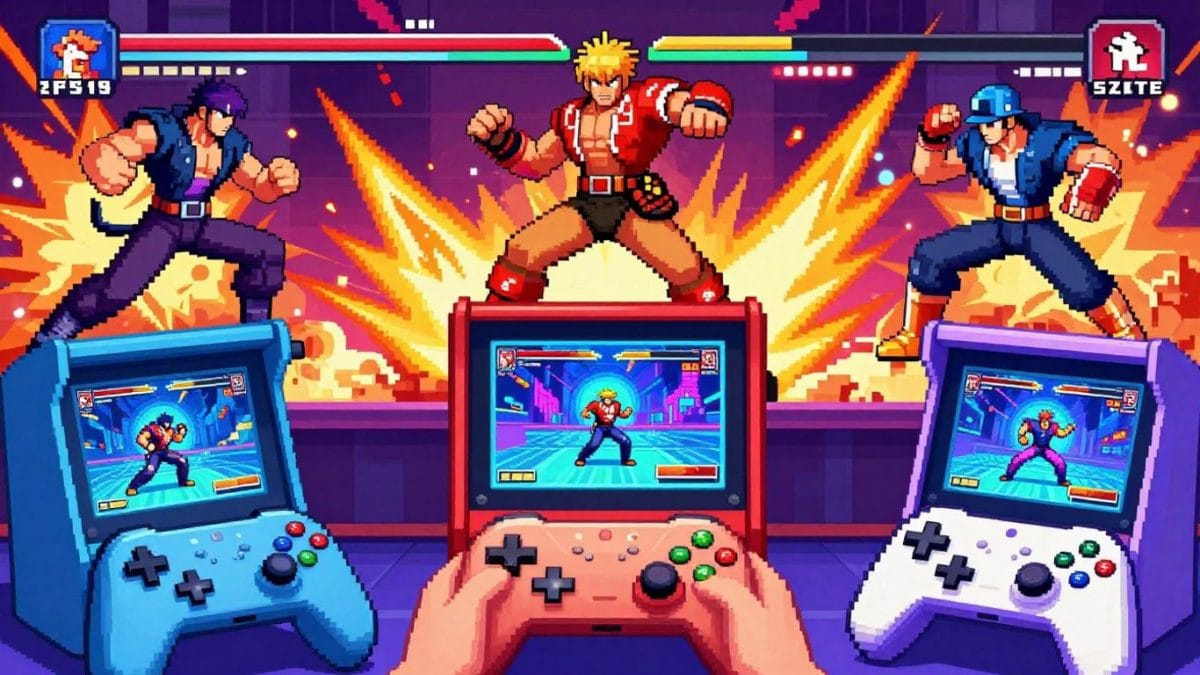
Man, fighting games have really changed over the years, haven’t they? It feels like just yesterday we were pumping quarters into arcade machines, trying to beat our friends. Now, we’ve got these super fancy games on our consoles with amazing graphics and online play. It’s a wild ride from those early days to where we are now, and it’s pretty cool to see how much the whole fighting games series scene has grown.
Key Takeaways
- The fighting games series started in arcades with games like Street Fighter and Mortal Kombat setting the tone.
- Moving to home consoles made these games available to way more people, changing how we played.
- Gameplay got way more complex, with new moves, combos, and strategies becoming standard.
- Online play completely changed the game, letting people from all over compete and build communities.
- Fighting games are now a huge part of esports, with massive tournaments and dedicated fanbases.
The Genesis of Fighting Games Series
Arcade Origins and Early Innovations
The story of fighting games really kicks off in the arcades, those noisy, vibrant places filled with flashing lights and the clatter of coins. Before we had the complex combos and special moves we know today, the very first games that involved characters punching or kicking each other were often more like boxing simulations. Think back to Sega’s Heavyweight Champ from 1976; it was a boxing game, sure, but it was one of the first times players could control characters fighting one-on-one. Then came games like Vectorbeam’s Warrior in 1979, which took a different approach with sword fighting and a top-down view. These early titles were laying the groundwork, experimenting with what it meant for two players to face off in a digital arena.
- Karate Champ (1984): Introduced basic moves and a two-joystick control scheme for movement and attacks.
- Yie Ar Kung-Fu (1985): Featured a wider variety of moves and a health bar system.
- Street Fighter (1987): This was a big step. It brought in special moves that required specific button inputs, adding a new layer of skill.
These early games were simple by today’s standards, but they were revolutionary for their time. They took inspiration from martial arts movies and the idea of a direct, skill-based competition, translating it into a new form of interactive entertainment.
Street Fighter’s Revolutionary Impact
While Street Fighter in 1987 was a significant step, it was its sequel, Street Fighter II: The World Warrior, released in 1991, that truly exploded onto the scene and changed everything. This game wasn’t just popular; it was a phenomenon. It introduced a diverse cast of eight distinct characters, each with their own unique special moves and fighting styles. This variety meant that matches felt fresh and unpredictable, encouraging players to learn different characters and strategies. The game’s success was massive, raking in over a billion dollars for Capcom by 1994, setting a new benchmark for what a fighting game could achieve.
The Social Fabric of Arcade Competition
The arcades themselves were a huge part of the fighting game experience. They were social hubs where players could gather, watch others play, and challenge each other directly. Winning a match wasn’t just about beating the game; it was about earning bragging rights in front of a crowd. This competitive atmosphere, the cheers, the groans, the intense one-on-one showdowns, created a unique culture. It was this environment that really cemented fighting games as a spectator sport long before esports became a mainstream term. The shared space and direct competition were key to the genre’s early growth and appeal.
Transitioning to Home Consoles
Bringing Arcade Hits Home
The mid-1990s saw a big shift. Arcades were still cool, but more and more people were getting gaming consoles for their living rooms. This meant game developers had to figure out how to take those awesome arcade games and make them work on home systems. It wasn’t always easy, but it was a huge step for making fighting games available to way more people. Suddenly, you didn’t have to go to the arcade to play your favorites; you could just pop a cartridge or disc into your console.
Mortal Kombat’s Controversial Rise
When Mortal Kombat first came out in 1992, it really shook things up. It was way more violent than most games at the time, with those famous "fatalities" that showed characters finishing off their opponents in brutal ways. This shocked a lot of parents and got a lot of media attention, which, ironically, made the game even more popular. This controversy even led to the creation of the ESRB, the rating system for video games we still use today. It showed that fighting games could be more than just simple button-mashing; they could spark big discussions.
The Dawn of 3D Fighting Arenas
Around the same time, technology was catching up, and fighting games started moving into three dimensions. Games like Tekken and Soul Edge, which came out on consoles like the PlayStation, ditched the flat, 2D backgrounds for fully 3D environments. This meant characters could move around in more complex ways, and the arenas themselves became more dynamic. It opened up a whole new world for character design and how fights could play out, making everything feel more immersive and less like just two sprites hitting each other.
Here’s a look at how some key titles made the jump:
| Game Title | Arcade Release | Home Console Release | Key Innovation on Console |
|---|---|---|---|
| Street Fighter II | 1991 | 1992 (SNES) | Widespread home availability |
| Mortal Kombat | 1992 | 1993 (Genesis/SNES) | Controversial content, ESRB impact |
| Tekken | 1994 | 1995 (PlayStation) | Introduction of 3D arenas |
Bringing arcade experiences home wasn’t just about porting games; it was about adapting them for a new audience and a new way of playing. This transition paved the way for the genre’s massive growth in the following years.
Advancements in Gameplay Mechanics
Refining Core Combat Systems
When fighting games first hit the scene, the basic moves were pretty straightforward: punch, kick, maybe a block. But as the genre grew, developers started digging deeper. They began to fine-tune how characters interacted, adding layers to what seemed simple. Think about how blocking evolved from just holding a button to more complex timed blocks or parries that could turn the tables. This wasn’t just about making things harder; it was about giving players more ways to react and strategize.
The Innovation of Combo Systems
One of the biggest game-changers was the combo system. While early games had special moves, the idea of stringing multiple attacks together into a damaging sequence really took off. Street Fighter II is often credited with popularizing this, but it was games like Killer Instinct that really pushed the envelope, showing off long, flashy combos. These weren’t just for show; they required players to have quick reflexes, good memory for the button sequences, and precise timing. Pulling off a long combo felt incredibly rewarding and became a core part of high-level play.
Here’s a look at how combo systems developed:
- Early Chains: Simple links between basic attacks and special moves.
- Juggle Combos: Attacks that launch an opponent into the air, allowing for follow-up hits before they land.
- Auto-Combos: Simplified sequences, often triggered by holding a button, making them more accessible.
- Cancel Combos: Interrupting the animation of one move to start another, creating fluid and unpredictable strings.
Introducing Strategic Depth with Tag-Team and More
Beyond individual character mechanics, developers experimented with ways to add even more strategic layers. Tag-team mechanics, seen in series like Marvel vs. Capcom, allowed players to switch between characters mid-fight. This added a whole new dimension, as players had to manage multiple characters, their health bars, and the best times to tag in a fresh fighter. Other games introduced unique mechanics like projectile zoning, where players could control space with thrown attacks, or grappling systems that offered a way to break through defensive play. These additions meant that players couldn’t just rely on raw skill; they had to think about team composition, resource management, and adapting their strategy on the fly.
The evolution of fighting game mechanics shows a clear trend: from simple button presses to complex, multi-layered systems that reward practice, timing, and strategic thinking. Developers constantly sought new ways to make combat more engaging, leading to the deep and varied gameplay we see today.
The Digital Frontier: Online Competition
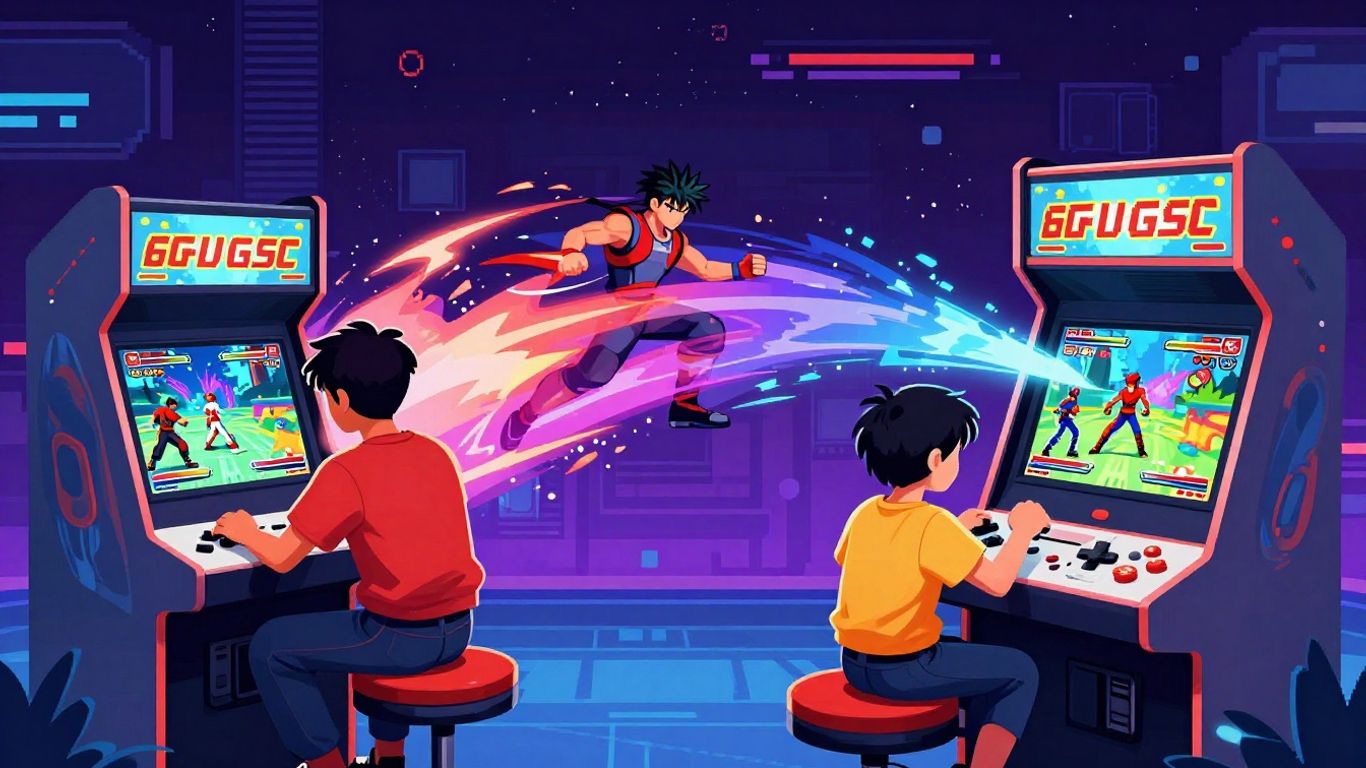
The way we play fighting games changed a lot when we started being able to play against people who weren’t in the same room. Suddenly, games like Street Fighter IV and Tekken 5 weren’t just about who was at the arcade or who lived next door. You could jump online and find someone to fight from pretty much anywhere in the world. This was a huge deal, but it also brought up some tricky problems, mostly with how the game felt to play. When you’re playing someone far away, there’s a delay, or ‘lag,’ between when you press a button and when your character actually does something on screen. Developers had to figure out ways to make this delay as small as possible so the game still felt fair and fun. It’s like trying to have a conversation with someone where there’s a big pause between each sentence – it makes things difficult.
Bridging Distances with Online Play
This move online meant that fighting games could finally break out of local arcades and living rooms and enter the global stage. Titles like Street Fighter IV and Tekken 5 were early pioneers, letting players test their skills against opponents worldwide. This shift brought new challenges, as developers had to address network latency to ensure smooth gameplay. The introduction of rollback netcode, a system that helps synchronize players by quickly correcting errors, was a major step forward in making online matches feel more like playing in person.
The Impact of Online Communities
With online multiplayer becoming a standard feature, the fighting game community really grew and found new places to hang out. Platforms like Twitch and YouTube became hubs for watching live matches, finding tutorials, and connecting with other players. Online tournaments popped up everywhere, giving people a chance to compete and improve without needing to travel. You could learn new strategies just by watching top players duke it out. This global connection brought more attention to the genre and helped kickstart the big esports scene we see today.
Challenges and Triumphs of Networked Play
Playing online wasn’t always smooth sailing. Besides the lag issues, there were also concerns about fair play and keeping the community welcoming. Developers worked hard to improve the online experience. They introduced features like:
- Matchmaking systems: Helping players find opponents of similar skill levels.
- Player ranking and leaderboards: Giving players goals to strive for and a way to see how they stack up.
- Replay systems: Allowing players to watch their past matches to learn from mistakes or show off cool plays.
- Improved netcode: Constantly refining the technology to reduce lag and make connections more stable.
The transition to online play was a massive undertaking. It required not just technical solutions for network issues but also a shift in how developers thought about community building and player support. The goal was to create a stable, fair, and engaging environment where players from all over could connect and compete.
While challenges like regional skill gaps and the occasional connection problem still exist, the benefits of online play have been undeniable. It has made fighting games more accessible than ever, allowing a global audience to participate, learn, and compete, ultimately driving the genre’s continued growth and popularity.
Visual Evolution and Immersion
From Pixels to High-Definition Realism
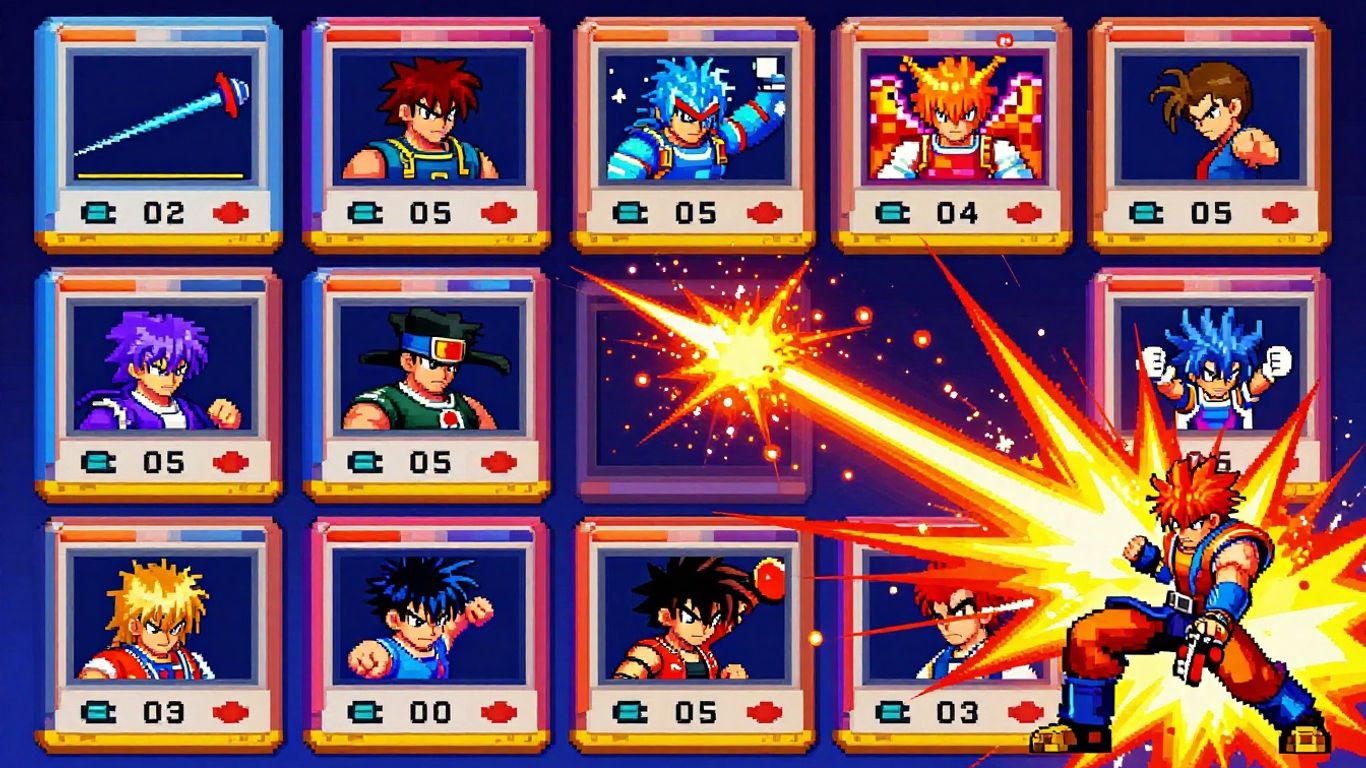
The visual journey of fighting games has been nothing short of spectacular. We’ve come a long way from the blocky sprites of the early days. Think back to the first Street Fighter or Mortal Kombat – characters were simple, backgrounds basic. It was all about the gameplay, sure, but the visuals were functional, not fancy. Then came the jump to 3D, which was a huge leap, but early 3D models could look a bit clunky. Fast forward to today, and we’re seeing incredibly detailed character models, environments that look almost real, and animations so smooth they’re mesmerizing. The level of detail developers can now achieve makes each punch, kick, and special move feel incredibly impactful. It’s like watching a high-octane movie unfold right before your eyes.
Enhancing Character Animation and Environments
It’s not just about making things look pretty; it’s about making them feel alive. Developers have gotten really good at making characters move in ways that reflect their personality and fighting style. A hulking character might move with heavy, deliberate steps, while a nimble one zips around the screen. Environments have also become more than just backdrops. They’re often interactive, with elements that can be used in a fight or destroyed, adding another layer to the action. Some games even feature dynamic weather or time-of-day changes that affect the look and feel of the arena.
Here’s a quick look at how visuals have changed:
- Early 2D (e.g., Street Fighter II): Pixel art, limited animation frames, distinct but simple character designs.
- Early 3D (e.g., Virtua Fighter): Polygonal models, basic textures, focus on movement and hit detection.
- Modern HD (e.g., Tekken 7, Mortal Kombat 11): High-resolution textures, complex character rigging, detailed environments, advanced lighting and particle effects.
Cinematic Storytelling in Fighting Games
Fighting games used to be pretty light on story. You had your character select screen, maybe a brief intro, and then a series of fights leading to a boss. The endings were often just a static image with text. But that’s changed dramatically. Many modern fighting games now feature elaborate story modes with fully acted cutscenes, complex character arcs, and plot twists. It’s like playing through a mini-series. This approach makes the characters feel more like real people with motivations, not just fighting avatars. It adds a whole new dimension for players who enjoy the narrative as much as the combat.
The push for visual fidelity isn’t just about looking good; it’s about making the action clearer and more exciting. When you can see the sweat on a character’s brow or the impact of a blow in slow motion, it draws you deeper into the fight.
The Ascendancy of Esports
The Rise of Major Fighting Game Tournaments
Fighting games have always had a competitive spirit, but the 2000s really saw this aspect explode onto the global stage. Big tournaments started popping up, drawing in players from all over the world. Events like the Evolution Championship Series, or EVO, which started way back in 1996, became massive gatherings. Think thousands of players and fans all focused on one thing: being the best.
These tournaments weren’t just about winning cash prizes; they were about prestige and proving your skills. Moments like "Evo Moment #37" in Street Fighter III: 3rd Strike, where Daigo Umehara pulled off an incredible comeback by parrying 15 hits with almost no health left, became legendary. This kind of play wasn’t just exciting to watch; it inspired countless others to pick up the game and get better. It showed that even in a tough situation, skill and quick thinking could change everything.
Here’s a look at some key tournaments that helped shape the esports scene:
- Evolution Championship Series (EVO): The biggest and most well-known fighting game tournament, featuring a variety of popular titles.
- Tougeki – Super Battle Opera: A major Japanese tournament that was highly respected within the fighting game community.
- Capcom Cup: An annual tournament series specifically for Street Fighter titles, often featuring large prize pools.
- Tekken World Tour: A global circuit for Tekken players, culminating in a grand finals event.
The competitive nature of fighting games, combined with the growing accessibility of online play and streaming platforms, created a perfect storm for esports to take root and flourish. What started as local arcade rivalries evolved into a global spectacle.
Cultivating a Dedicated Fanbase
Esports events for fighting games have done more than just showcase top talent; they’ve built incredibly passionate communities. Watching these high-level matches, players and fans alike get drawn into the strategy, the mind games, and the sheer skill on display. This shared experience creates a strong bond among people who love the genre.
Streaming platforms like Twitch and YouTube have been game-changers here. They allow anyone, anywhere, to watch tournaments live, learn from pro players through their streams, and connect with others who share their passion. This constant engagement keeps the community alive and growing, even between major events. It’s a cycle where watching inspires playing, and playing leads to more watching.
Driving Developer Innovation Through Competition
The competitive scene doesn’t just exist alongside game development; it actively influences it. Developers pay close attention to what top players are doing and what the community is asking for. This feedback loop is vital for making games better.
For example, if a particular character or move is consistently dominating high-level play, developers might adjust it to keep the game balanced. They also look at what features fans want to see, like new game modes or improved online features, to keep players engaged. This constant push and pull between developers and the competitive community helps fighting games evolve and stay fresh.
| Year | Major Tournament Example | Key Game(s) Featured | Impact on Genre |
|---|---|---|---|
| 2004 | Evo 2004 | Street Fighter III: 3rd Strike | "Evo Moment #37" became an iconic esports moment. |
| 2007-2008 | Championship Gaming Series (CGS) | Dead or Alive 4 | First fighting game league to be televised. |
| 2009 onwards | Capcom Cup | Street Fighter IV / V / 6 | Established a major annual championship for a flagship title. |
| 2017 onwards | Tekken World Tour | Tekken 7 | Created a global circuit for a 3D fighter. |
Modern Fighting Games Series and Accessibility
Today’s fighting games are a far cry from their arcade ancestors, offering a blend of deep mechanics and features designed to welcome newcomers. Developers are really trying to make these games playable for everyone, not just the folks who’ve been playing since the 90s. It’s a tricky balance, though, because you don’t want to lose the complexity that makes the genre so engaging for veterans.
Balancing Depth and Approachability
One of the biggest shifts we’ve seen is in how games handle controls and special moves. Gone are the days when you absolutely needed a thick manual and hours of practice just to pull off a basic fireball. Many modern titles now include simplified input options. For instance, a special move that used to require a complex sequence of button presses and directional inputs might now be triggered with a single button press combined with a direction, or even just a dedicated button.
- Simplified Special Move Inputs: Allows players to execute powerful moves with less complex commands.
- In-Game Tutorials: Comprehensive guides that break down game mechanics, character matchups, and basic strategies.
- Practice Modes: Robust training areas where players can experiment with combos, set specific scenarios, and practice against AI.
- Assist Features: Some games offer optional assists that can help players perform basic combos or defensive maneuvers.
The goal is to get players into the action quickly, letting them experience the thrill of combat and learn the nuances at their own pace.
Community Engagement and Player Support
Beyond the game itself, developers are putting a lot more effort into supporting their communities. This means more than just releasing patches; it involves actively listening to player feedback and communicating changes. Regular updates often refine character balance, fix bugs, and sometimes even add new content, keeping the game fresh and fair.
- Regular Balance Patches: Developers frequently adjust character strengths and weaknesses to maintain a competitive environment.
- Developer Communication: Active engagement on social media and forums to address player concerns and announce updates.
- Community Feedback Integration: Incorporating player suggestions into game design and updates where appropriate.
The Cultural Footprint of Fighting Games
Fighting games have cemented their place in broader pop culture. Characters like Ryu, Chun-Li, Scorpion, and Sub-Zero are recognizable figures, transcending the gaming world. This cultural impact is visible in everything from merchandise and animated series to their significant presence in the esports scene. The genre continues to inspire new creators and captivate audiences worldwide, proving its lasting appeal and adaptability.
The Enduring Legacy of Fighting Games
Looking back, it’s clear that fighting games have come a seriously long way. We’ve gone from simple button-mashing on arcade machines to incredibly detailed worlds and complex strategies on our home consoles. Games like Street Fighter and Mortal Kombat really kicked things off, and then titles like Tekken and Super Smash Bros. showed us just how much variety and depth this genre could hold. The way these games look, play, and connect us all has changed so much, and it’s pretty cool to see how far we’ve come. It’s this constant change and the passionate communities that keep fighting games exciting, proving they’re more than just a passing trend – they’re a genre that’s here to stay.
Frequently Asked Questions
What were the first fighting games like?
The very first fighting games were in arcades back in the 1980s. They were pretty simple, with basic moves and graphics. Games like ‘Karate Champ’ and ‘Street Fighter’ started it all, showing players how to fight one-on-one.
How did Street Fighter change fighting games?
Street Fighter, especially ‘Street Fighter II’, was a huge deal! It introduced cool characters with special moves that you could learn. It made fighting games super popular in arcades because everyone wanted to play against their friends and show off.
Why did fighting games move from arcades to home consoles?
As home game consoles got better, companies wanted to bring the fun of arcades to people’s homes. This meant games like ‘Street Fighter’ and ‘Mortal Kombat’ could be played by many more people without needing to go to an arcade.
What’s the difference between old fighting games and new ones?
New fighting games look way better, with amazing graphics and characters that move realistically. The gameplay is also more complex, with fancy combos and special moves that take practice to master. Plus, modern games let you play against people all over the world online.
What is ‘esports’ in fighting games?
Esports means playing video games as a professional sport. For fighting games, this means big tournaments where the best players compete against each other for prizes and fame. It’s like watching a championship match in real sports!
Are fighting games hard for new players to learn?
Some fighting games can seem tough at first because there are many moves to learn. But many newer games are trying to be easier for beginners. They often have tutorials and simpler button combinations so anyone can jump in and have fun.