
So, you want to get better at the football game game, huh? It’s more than just kicking a ball around; it’s about knowing what to do and when. Whether you’re just starting out or have been playing for a while, having a few solid tips can really help you enjoy the game more and maybe even play a bit better. We’ll go over some simple ideas to make your football game experience the best it can be.
Key Takeaways
- Knowing where you should be on the field and how to move the ball with your feet are basic skills for any football game.
- Practicing regularly, warming up right, and knowing what you need to work on makes your training sessions count.
- Being ready before the match, staying calm when things get tough, and talking to your teammates helps a lot during the football game.
- Making training fun with games and friendly competition helps players learn faster and enjoy the football game more.
- Using positive words and showing support for players builds their confidence and makes the whole team stronger.
Mastering the Fundamentals of the Football Game
To really get good at football, you’ve got to nail down the basics. It’s not just about kicking the ball around; it’s about knowing where you should be, how to move the ball effectively, and how to keep it close when you need to. Think of these as the building blocks for everything else you’ll do on the field.
Understanding Player Positioning
Knowing where to stand is a big deal. It’s not just about being near the ball. You need to think about where your teammates are, where the opponents are, and what space is open. Good positioning helps you get the ball, stop the other team, and create chances. It’s like playing chess, but with a lot more running.
- Defenders: Stay back to protect your goal, but be ready to move up if needed.
- Midfielders: Connect the defense and offense, covering a lot of ground.
- Forwards: Push up to pressure the opponent and look for scoring chances.
Being in the right spot at the right time can make a huge difference in a game. It’s about anticipation and awareness.
Effective Passing Techniques
Passing is how you move the ball around the field and work with your team. You can’t just hoof it anywhere; you need to be smart about it. Different passes work for different situations. A short pass keeps possession, while a long pass can switch the play or start an attack.
- Inside Foot Pass: Good for short, accurate passes. Keep your ankle firm.
- Outside Foot Pass: Useful for quick turns or surprising passes. It’s a bit trickier.
- Driven Pass: For longer distances or when you need to get the ball through a crowd. Use the laces of your boot.
Developing Dribbling Agility
Dribbling is all about keeping the ball close to your feet while you move. It lets you get past defenders or keep the ball when you’re under pressure. It takes practice to get that feel for the ball.
- Close Control: Keep the ball on a short string, using the inside and outside of your feet. This is for tight spaces.
- Change of Pace: Mix up your speed. A sudden burst can leave a defender behind.
- Head Up: Always try to look up while dribbling. You need to see where your teammates and opponents are, not just stare at the ball.
Elevating Your Football Training Regimen
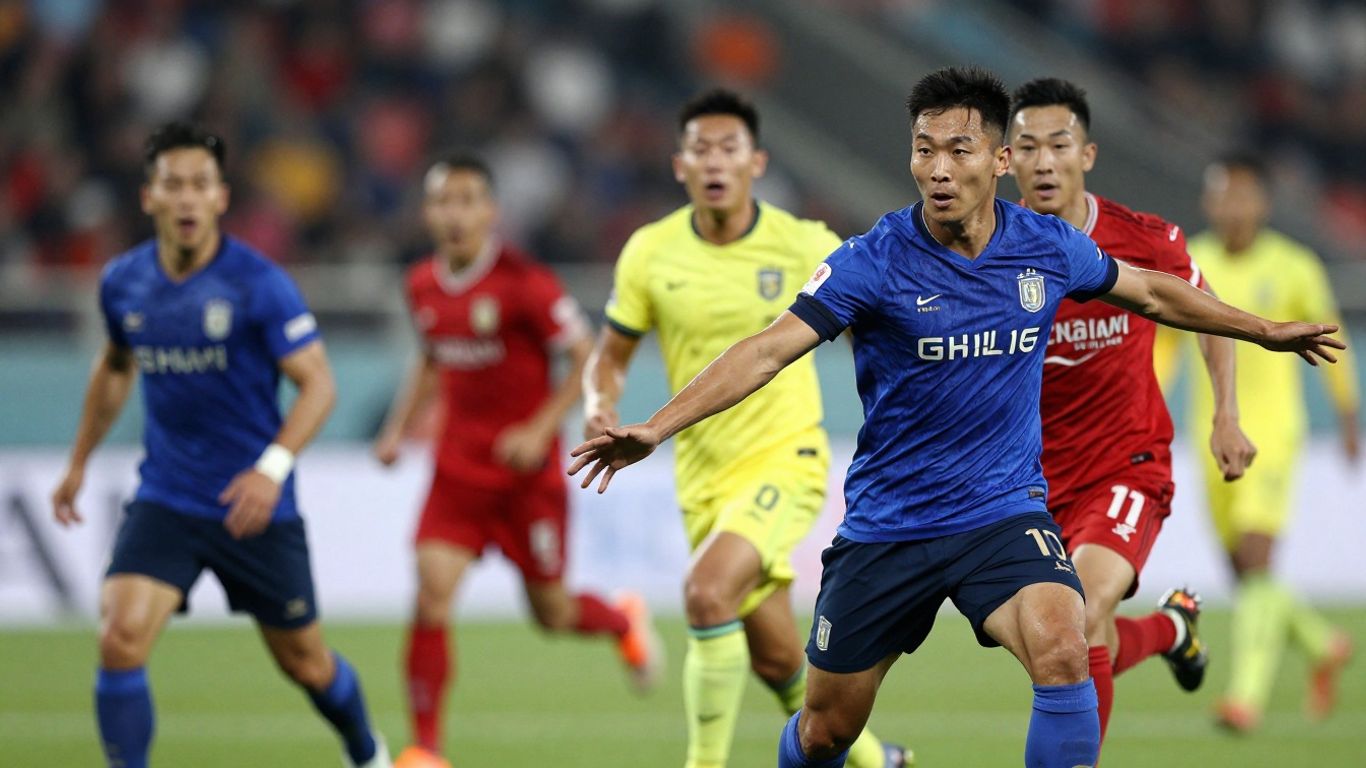
Getting better at football isn’t just about showing up for games. It really comes down to what you do when no one’s watching, during your training sessions. Making your practice time count means being smart about how you prepare and what you focus on. It’s about building a solid foundation so you can perform your best when it matters.
The Importance of Consistent Practice
Think of practice as the building blocks of your game. You can’t expect to score goals or make great passes if you haven’t put in the hours. Regular training helps your body get used to the movements, improves your touch on the ball, and builds the stamina you need to last a full match. Consistency is the key to seeing real improvement over time. Sporadic practice might give you a small boost, but it won’t lead to the kind of lasting skill development that makes a difference.
Implementing Proper Warm-Up Routines
Jumping straight into drills without warming up is a recipe for injury and poor performance. A good warm-up gets your blood flowing, loosens up your muscles, and prepares your mind for the task ahead. It doesn’t have to be boring; it can be a great way to start building team spirit too.
Here’s a simple structure for an effective warm-up:
- Light Cardio: Start with 5-10 minutes of jogging, skipping, or dynamic movements like high knees and butt kicks to get your heart rate up.
- Dynamic Stretching: Focus on movements that mimic game actions, such as leg swings, arm circles, torso twists, and walking lunges. Avoid static stretching before activity.
- Ball Familiarity Drills: Spend a few minutes with the ball at your feet. Simple drills like dribbling around cones, passing against a wall, or a quick game of keep-away can help you get a feel for the ball.
A well-executed warm-up routine not only reduces the risk of muscle strains and tears but also primes your body and mind for optimal performance, making every subsequent drill more effective.
Setting Achievable Training Goals
Walking into practice without a clear objective can lead to wasted time. Setting specific, measurable, achievable, relevant, and time-bound (SMART) goals can give your training sessions direction and purpose. These goals don’t always have to be about scoring a certain number of goals; they can be about improving a specific skill or working on a particular aspect of your game.
Consider these goal-setting examples:
- Skill-Based: Improve crossing accuracy by successfully completing 8 out of 10 crosses during a drill.
- Fitness-Based: Complete a timed shuttle run in under X seconds by the end of the month.
- Tactical-Based: Focus on maintaining possession for a set period during a small-sided game.
Addressing Areas for Improvement
No player is perfect, and identifying your weaknesses is just as important as honing your strengths. Be honest with yourself about what aspects of your game need work. This could be anything from your weaker foot’s control to your defensive positioning or your ability to read the game.
Here’s how to approach improvement:
- Self-Assessment: Watch recordings of your games or ask your coach for specific feedback.
- Targeted Drills: Design or seek out drills that specifically challenge your weaker areas.
- Patience and Persistence: Improvement takes time. Don’t get discouraged if you don’t see results immediately. Keep working at it.
Strategies for Optimal Football Game Day Performance
Game day is when all the hard work in training comes to the test. To perform at your best, you need to be ready both mentally and physically. It’s not just about showing up; it’s about being prepared to give your all.
Pre-Match Mental and Physical Readiness
Getting ready for a match starts long before kickoff. A good night’s sleep is important for recovery and focus. On game day, a balanced meal that provides sustained energy, like complex carbohydrates and lean protein, is key. Avoid heavy or unfamiliar foods that could cause discomfort. Hydration is also critical; sip water throughout the day leading up to the game. Mentally, visualize success. Think about plays you want to make, how you’ll react to different situations, and the overall game plan. Positive self-talk can help build confidence and reduce anxiety.
Maintaining Composure Under Pressure
Football matches can get intense, and pressure is a natural part of the game. When things get tough, staying calm is your best asset. Focus on the next play, not the last mistake. Deep breathing exercises can help regulate your heart rate and clear your mind. Remind yourself of your training and your capabilities. If the team is down, or a mistake happens, it’s important to regroup and support each other rather than letting frustration take over. Remember that every player on the field is working towards the same goal.
Enhancing Team Communication on the Field
Effective communication is the backbone of a successful football team. On the field, clear and concise calls can prevent misunderstandings and create opportunities. This includes calling for the ball, warning teammates about an approaching opponent, or directing play. Use verbal cues, hand signals, and even eye contact to convey information quickly. Good communication builds trust and makes the team play as a cohesive unit, rather than a collection of individuals.
Here are some communication tips:
- Call for the ball: Let your teammates know you’re available for a pass.
- Warn about pressure: Alert teammates if an opponent is closing in.
- Direct play: Suggest where the ball should go next.
- Offer encouragement: Positive words can lift spirits.
Adapting Tactics During the Game
No game plan survives contact with the opposition perfectly. Coaches and players need to be observant and ready to make adjustments. If the opponent is exploiting a weakness, you might need to shift formations or change defensive assignments. If your team is struggling to break down a defense, try different attacking patterns or set-piece strategies. Being flexible and willing to adapt your tactics based on the game’s flow is a sign of a smart and experienced team.
The ability to adjust your strategy on the fly, based on what’s happening in the match, separates good teams from great ones. It shows tactical awareness and a collective will to win.
Cultivating Enjoyment in the Football Game
Rediscovering the Joy of Playing
Football, at its heart, is a game meant to be enjoyed. Think back to why you first fell in love with the sport. Was it the thrill of a perfectly placed pass, the satisfaction of a well-timed tackle, or the camaraderie built on the field? Sometimes, the pressure of training and competition can overshadow these simple pleasures. It’s important to reconnect with that initial spark. When players find genuine enjoyment in what they’re doing, their willingness to learn and improve naturally increases. This isn’t about slacking off; it’s about making the process of getting better a positive experience.
Psychological Benefits of an Enjoyable Game
Beyond the physical aspects, a sense of enjoyment has significant mental upsides. When players have fun, they often feel a greater sense of accomplishment, which can boost their self-esteem and create a more positive self-image. This positive outlook can also help reduce performance anxiety and improve their ability to handle the stress that comes with matches. An enjoyable training environment encourages a mindset where challenges are seen as opportunities for growth, rather than sources of fear. This outlook is key for long-term development and reaching one’s full potential.
The Role of Fun in Skill Acquisition
It might sound counterintuitive, but prioritizing fun can actually lead to better skill development. When players are engaged and happy, their brains are more receptive to learning new techniques and strategies. Drills can transform from tedious tasks into engaging challenges. A lighthearted atmosphere allows players to experiment without the fear of making mistakes, which is vital for developing creativity and a unique playing style. Enjoyment isn’t just a byproduct; it’s a powerful catalyst for unlocking potential and improving overall performance on the field.
Here are a few ways to inject more fun into your sessions:
- Warm-up Games: Instead of standard laps, try tag or keep-away variations that incorporate ball control.
- Creative Drills: Design obstacle courses that blend dribbling, passing, and shooting, encouraging problem-solving.
- Friendly Competitions: Implement challenges like the crossbar challenge or mini-tournaments to add excitement.
Creating a positive and supportive training space is paramount. Players should feel safe to try new things, learn from errors, and collaborate with teammates. Open communication and mutual respect build a strong team foundation, making the entire experience more rewarding for everyone involved.
Innovative Approaches to Football Training Sessions
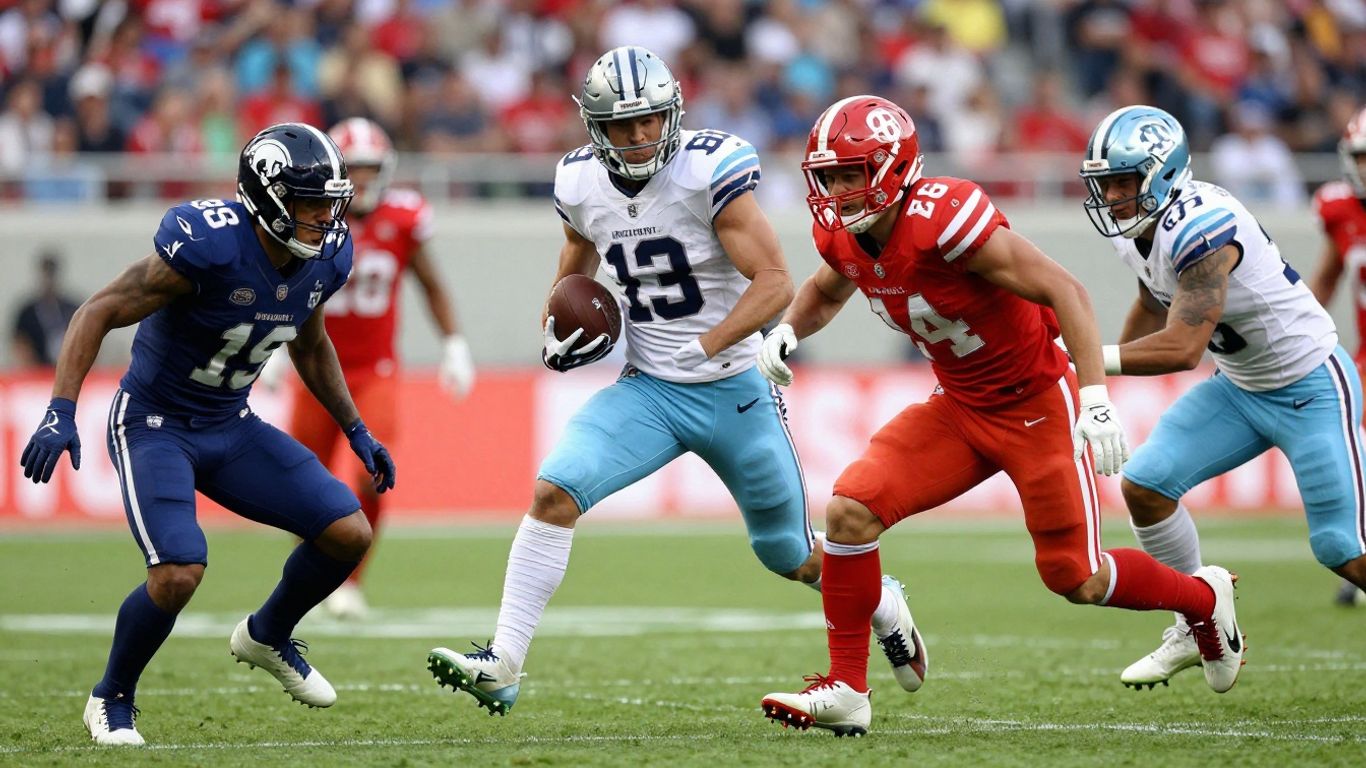
Modern football training can sometimes feel predictable, but mixing things up with new ideas keeps players interested and sharp. By introducing creative formats and exercises, you help athletes build their skills while keeping their energy up. Here’s a look at a few standout methods that can really make a difference in your football training sessions.
Integrating Gamified Drills
Gamified drills turn practice into a challenge or a game. This isn’t just about fun—it’s about encouraging competition, teamwork, and fast thinking. Some of the benefits players get from gamified drills include:
- Building quick decision-making by putting players under time or scoring pressure.
- Encouraging healthy competition with point systems, leaderboards, or rewards for top performers.
- Keeping focus high since players want to win or beat their best scores.
For example, create obstacle courses that blend dribbling, passing, and shooting into one timed activity. Or try “knockout” shooting contests: everyone lines up, and misses mean elimination. The excitement is clear, and even players who don’t win come away with a smile.
Utilizing Small-Sided Games
Small-sided games involve fewer players—think 3v3 or 4v4—instead of full teams. These formats increase player involvement. Advantages include:
- More touches on the ball for each player
- More opportunities to make decisions and work on tactics
- Better communication and teamwork because everyone’s involved
| Game Type | Players per Team | Average Ball Touches per Player (per 20 min) |
|---|---|---|
| Full-Sided | 11 | 12 |
| Small-Sided | 4 | 35 |
Players often report that small-sided games help them feel more engaged and confident, even when trying new techniques or positions.
Organizing Mini-Tournaments
Not every game needs to be part of a league or take hours. Mini-tournaments can be set up during regular practices:
- Divide your group into several small teams.
- Organize quick matches (5-10 minutes each).
- Keep track of wins and losses, and swap opponents so everyone gets variety.
- End with a final or a friendly shootout for a light finish.
These tournaments build excitement, encourage teamwork, and add a sense of purpose to every drill. They can even boost attendance, since players look forward to competition days.
Implementing Target Practice Drills
Target practice isn’t just about shooting at a goal. You can use cones, hoops, or even suspended objects as targets for passing and shooting. These drills are especially useful for:
- Teaching accuracy under pressure
- Giving immediate feedback on technique (hit or miss)
- Making repetition less boring—there’s always a new goal to hit
Popular Target Practice Variations:
- Pass-the-cone challenge: players must pass through narrow openings.
- Crossbar contest: who can hit the bar from outside the box?
- Moving target games: another player or a ball on a rope is the target.
Mixing up target sizes and distances keeps things interesting and pushes players to get better step by step.
In summary, reinventing football training sessions with these innovative ideas doesn’t just build better players—it helps everyone look forward to coming back, week after week.
Building a Strong Team Through Football
Football is more than just individual skill; it’s about how a group of players works together. A team that clicks can achieve much more than the sum of its parts. This connection doesn’t just happen; it’s built through shared effort and understanding.
Fostering Cooperation and Planning
Getting players to work together smoothly requires deliberate effort. It means encouraging everyone to think about the team’s goals, not just their own. Drills can be designed to make players rely on each other. For example, a drill where one player has to pass to another who is in a specific position to continue the play forces cooperation. Planning together, even for simple things like set pieces or defensive formations, helps players feel a shared sense of purpose. When everyone knows their role and how it fits into the bigger picture, the team moves more effectively.
- Encourage shared decision-making during practice.
- Assign roles that require players to support each other.
- Regularly discuss team strategies and objectives.
Effective Communication Tools
Clear communication is the glue that holds a team together. On the field, this means more than just shouting. Players need to use verbal cues, hand signals, and even body language to let teammates know their intentions or warn them of danger. A simple call like "man on!" can prevent a turnover. Likewise, a nod or a pointed finger can direct a pass. Building these communication habits during training makes them second nature during a game.
Good communication builds trust. When players feel heard and understood, they are more likely to trust their teammates’ actions and decisions on the field.
Creating a Supportive Team Environment
A positive atmosphere makes players feel safe to try new things and learn from mistakes. When players know their teammates and coaches have their back, they are more willing to take risks and push their limits. Celebrating small victories, like a well-executed pass or a good defensive stop, helps build morale. Equally important is how the team handles setbacks; supporting each other after a missed chance or a conceded goal is vital for resilience. This kind of environment not only improves performance but also makes the experience of playing football much more enjoyable for everyone involved.
The Impact of Positive Reinforcement in Football
Positive reinforcement is a powerful tool in football, shaping player behavior and fostering a more productive training environment. It’s about acknowledging and rewarding good effort, progress, and positive actions, which can significantly influence a player’s motivation and overall development. When players feel seen and appreciated for their hard work, they are more likely to repeat those behaviors and strive for improvement.
Recognizing Effort and Growth
It’s easy to focus only on the final score or the perfect pass, but true development in football comes from recognizing the journey. This means celebrating small wins, like a player consistently showing up on time, demonstrating better teamwork, or showing improvement in a specific skill, even if it’s not yet perfect. Acknowledging the effort put into drills, the resilience shown after a mistake, and the gradual improvement over time builds a player’s confidence and encourages them to keep pushing forward.
- Effort: Praising a player for their intensity during a drill, even if the execution isn’t flawless.
- Progress: Highlighting how a player’s passing accuracy has improved over the last few weeks.
- Attitude: Commending a player for maintaining a positive outlook after a setback.
- Teamwork: Recognizing players who actively encourage their teammates.
Providing Constructive Feedback
Feedback is essential, but how it’s delivered makes all the difference. Constructive feedback aims to guide players toward improvement without diminishing their spirit. It involves pointing out specific areas that need work, explaining why, and offering practical suggestions for how to get better. This approach helps players understand their weaknesses and gives them a clear path to address them.
Effective feedback focuses on observable behaviors and specific actions, rather than making general judgments about a player’s ability. It should be timely, clear, and actionable, allowing the player to understand what they need to do differently.
Building Player Confidence
Confidence is a cornerstone of performance in football. Positive reinforcement directly contributes to building this confidence. When players receive encouragement and their efforts are validated, they begin to believe in their own capabilities. This belief allows them to take more risks on the field, try new techniques, and perform closer to their potential without being held back by fear of failure. A confident player is more likely to be decisive, resilient, and engaged in the game.
| Aspect of Confidence | Impact of Positive Reinforcement |
|---|---|
| Decision Making | Encourages bolder, quicker choices |
| Risk Taking | Promotes trying new skills/tactics |
| Resilience | Helps players bounce back from errors |
| Engagement | Increases player involvement and motivation |
Leveraging Technology for Enhanced Football Training
In today’s world, technology offers some really neat ways to make football training more interesting and effective. It’s not just about kicking a ball around anymore; we can use digital tools to get better insights and make practice sessions more engaging. This shift helps players stay motivated and see their progress clearly.
Performance Tracking and Analysis Tools
Using technology to track how players perform can give coaches and players a lot of information. Think about wearable devices that players can wear during practice or games. These gadgets can record all sorts of data.
| Metric | Description |
|---|---|
| Distance Covered | How far a player runs during a session or match. |
| Sprints | Number of high-intensity bursts of speed. |
| Work Rate | Overall activity level and effort shown by the player. |
| Heart Rate | Monitoring the player’s cardiovascular response to training. |
| Speed | Maximum and average speeds achieved during different phases of play. |
This kind of data helps identify strengths and weaknesses. For example, a player might be covering a lot of ground but not making many effective passes. Video analysis software is another great tool. It lets you break down game footage, slow it down, and look at specific actions. You can see exactly where a player made a good move or where they could have done better. This visual feedback is often easier to understand than just hearing about it.
Interactive Simulation Technologies
Imagine being able to practice game-like situations without actually being in a match. Technologies like virtual reality (VR) are starting to make this possible. VR headsets can put players in a simulated stadium environment. They can practice decision-making, like when to pass, when to shoot, or how to position themselves, all in a safe, controlled setting. This can be especially useful for working on tactical awareness and quick thinking under pressure.
While VR might seem futuristic, simpler forms of simulation are already common. Rebounders can help players practice receiving and passing the ball accurately, mimicking the unpredictable bounce of a pass from a teammate. Smart balls that track the power and accuracy of shots can also provide immediate feedback.
Creative Drills for Skill Enhancement
Technology can also help us design more creative and fun drills. Instead of just running through the same old routines, we can use apps or software to create custom training plans. These might include drills that focus on specific skills, like dribbling through a series of virtual obstacles or practicing passing to moving targets on a screen.
- Gamified Drills: Turn drills into games with points, leaderboards, and challenges. This makes practice feel less like work and more like play.
- Target Practice Apps: Use apps that project targets onto a wall or goal, requiring players to hit specific spots with their shots.
- Agility Courses: Set up cones or markers and use apps that guide players through complex footwork patterns, improving their agility and coordination.
By mixing these technological approaches with traditional methods, training sessions can become more dynamic, informative, and enjoyable for everyone involved.
Putting It All Together
Mastering the football game is a journey, not a destination. By focusing on understanding the fundamentals, training smart, and preparing well for game day, you’re setting yourself up for a more rewarding experience. Remember that enjoyment plays a big part too; when you’re having fun, you’re more likely to learn and improve. So, keep practicing, stay positive, and enjoy every moment on the pitch. With these tips in mind, you’re well on your way to making your football game truly exceptional.
Frequently Asked Questions
How often should I practice football to get better?
For most players, practicing about two to three times a week is a good starting point. This helps you learn new skills and get better without feeling too tired or bored. The key is to practice regularly so you keep improving.
Can having fun during practice actually help me play better?
Absolutely! When you enjoy practicing, you’re more likely to pay attention and learn faster. It makes drills feel less like work and more like playing. This makes you want to try harder and be more creative, which definitely helps your game.
What are some fun ways to practice dribbling?
You can make dribbling fun by setting up obstacle courses with cones or markers to weave through. Playing games like ‘Keep Away’ where you have to dribble to avoid a defender is also great. Even simple dribbling races can make it exciting.
Why is talking to my teammates important during a game?
Football is a team sport, and talking helps everyone know what’s happening. It’s like giving directions so you can work together better. Good communication means fewer mistakes and more chances to score or defend effectively. It makes the team stronger.
What’s the best way to get ready for a football game?
Before a game, make sure you get enough sleep the night before and eat a good meal that gives you energy, like pasta or rice. It’s also important to warm up properly to get your body ready and try to stay calm and focused so you can play your best.
How can coaches make training sessions more enjoyable for players?
Coaches can make training fun by using games instead of just regular drills. They can also create a positive atmosphere where players feel encouraged and supported. Celebrating small successes and giving helpful feedback, rather than just criticism, makes a big difference.