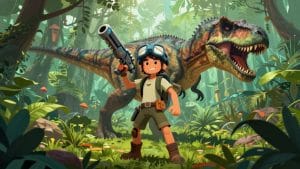
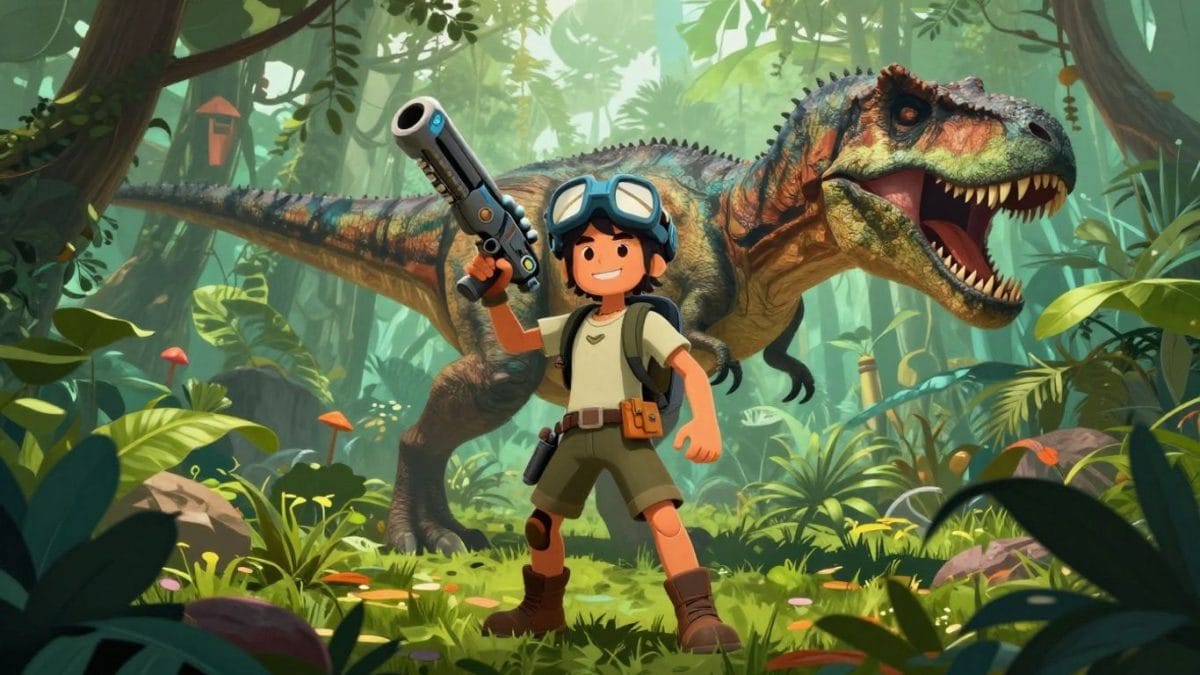
So, you’re looking for the best game about dinosaurs? It’s a pretty popular topic, and honestly, there are a lot of options out there. Whether you want to build your own park, hunt as a dinosaur, or just survive in a world ruled by them, there’s likely a game for you. I’ve checked out a bunch of them, and here’s a breakdown of some top contenders that really stand out in the world of dinosaur gaming. Get ready to explore the Mesozoic era from your screen!
Key Takeaways
- Jurassic World Evolution lets you build and manage your own dinosaur park, focusing on guest satisfaction and dinosaur needs.
- Dino King: Jurassic Hunt offers an RPG experience where you lead a pack of dinosaurs in battles and idle progression.
- Specific dinosaur entries like Tyrannosaurus Rex, Velociraptor, and Triceratops highlight individual species’ roles and stats within games.
- Managing dinosaur comfort, enclosures, and social needs is vital for success in park-building simulations.
- Games often feature challenges like storms, dinosaur escapes, and managing park reputation (Science, Security, Entertainment).
1. Jurassic World Evolution
When you first boot up Jurassic World Evolution, it’s easy to feel a bit overwhelmed. You’re handed the keys to your very own dinosaur park, and suddenly, there’s a lot to keep track of. Think of it like running a zoo, but with significantly more teeth and a higher chance of a catastrophic containment breach. The game really boils down to managing four main areas: power, your staff (rangers and ACU teams), the dinosaurs themselves, and of course, the guests who are paying to see them.
Power is the lifeblood of your park. Everything from the fences keeping your T-Rex in line to the feeders providing its dinner needs electricity. Without a stable power supply, things can go south fast. Your rangers are your hands-on crew, tasked with everything from medicating sick dinosaurs to repairing damaged fences after a storm or a dinosaur’s escape attempt. The ACU (Asset Containment Unit) teams are your emergency response, ready to tranquilize and transport any creature that decides to go for a stroll.
Dinosaurs are the main attraction, naturally. Each species has specific needs regarding enclosure size, food, water, social interaction with their own kind, and population limits. Meeting these needs is key to keeping them happy and healthy, which in turn boosts your park’s rating and brings in more visitors. Happy dinosaurs mean a happy park, and a happy park means more money to expand and improve.
Guests, on the other hand, are a bit more demanding. They need food, drinks, shopping, and entertainment. They also need to be able to see the dinosaurs they paid to visit, so strategically placed viewing galleries and platforms are a must. And, perhaps most importantly, they need to be safe. Emergency shelters are a good idea for when storms hit or when a dinosaur inevitably breaks free.
Managing a dinosaur park is a delicate balancing act. You’re constantly trying to satisfy the needs of your prehistoric charges while also keeping your human visitors safe and entertained. It’s a challenge, but a rewarding one when you get it right.
Here’s a quick look at some of the core management aspects:
- Power Management: Keep the lights on and the fences electrified.
- Ranger & ACU Teams: Your park’s workforce and emergency services.
- Dinosaur Welfare: Meet their needs for food, water, and social interaction.
- Guest Satisfaction: Provide amenities, entertainment, and safety.
Jurassic World Evolution really makes you feel the pressure of running such a unique and potentially dangerous establishment. It’s a game that rewards careful planning and quick reactions when things inevitably go wrong.
2. Dino King: Jurassic Hunt
Dino King: Jurassic Hunt drops you right into the role of the supreme ruler of the prehistoric world. It’s an RPG adventure where you’re tasked with building a formidable dinosaur army, leading them into battles, and generally dominating the Jurassic landscape. Think of it as an idle game, but with a heavy dose of dinosaur action and strategy.
Your main goal is to defeat the Tyrannosaurus Rex and its followers. To do this, you’ll be hatching rare dinosaur eggs, recruiting new allies, and evolving your existing dinosaurs to make them stronger. The game encourages you to build a squad that can take on any challenge the prehistoric kingdom throws at you.
Here’s a look at some of the core gameplay elements:
- Epic Dinosaur Battles: Engage in turn-based RPG combat where your strategic choices, upgrades, and overall plan are key to winning. You’ll need to gather resources to improve your dinosaurs and assert dominance.
- Hatch and Evolve: Discover dinosaur eggs scattered throughout the game. Each egg can hatch a different species, and evolving them is how you unlock their full potential, turning them into powerful warriors.
- Upgrade and Customize: Power up your dinosaurs with new abilities and evolutions. The game even allows for mixing mechanical and genetically enhanced dinosaurs, giving you a lot of freedom in team building.
- Idle RPG Mechanics: A big part of the appeal is that your dinosaurs continue to battle and grow even when you’re not actively playing. This means you can expand your territory and lead your pack without needing to constantly micromanage.
- Explore the Wilderness: The game world is a vast prehistoric landscape filled with different species to encounter, hidden treasures, and tough boss battles.
The game offers a free-to-play experience that can be enjoyed both online and offline. It’s designed to be accessible, letting you lead your dinosaur forces and rule the Jurassic era without too much fuss.
The core loop involves collecting resources, hatching new dinosaurs, and then using those dinosaurs in battles to earn more resources. It’s a cycle that keeps players engaged as they gradually build up their ultimate prehistoric force.
3. Tyrannosaurus Rex
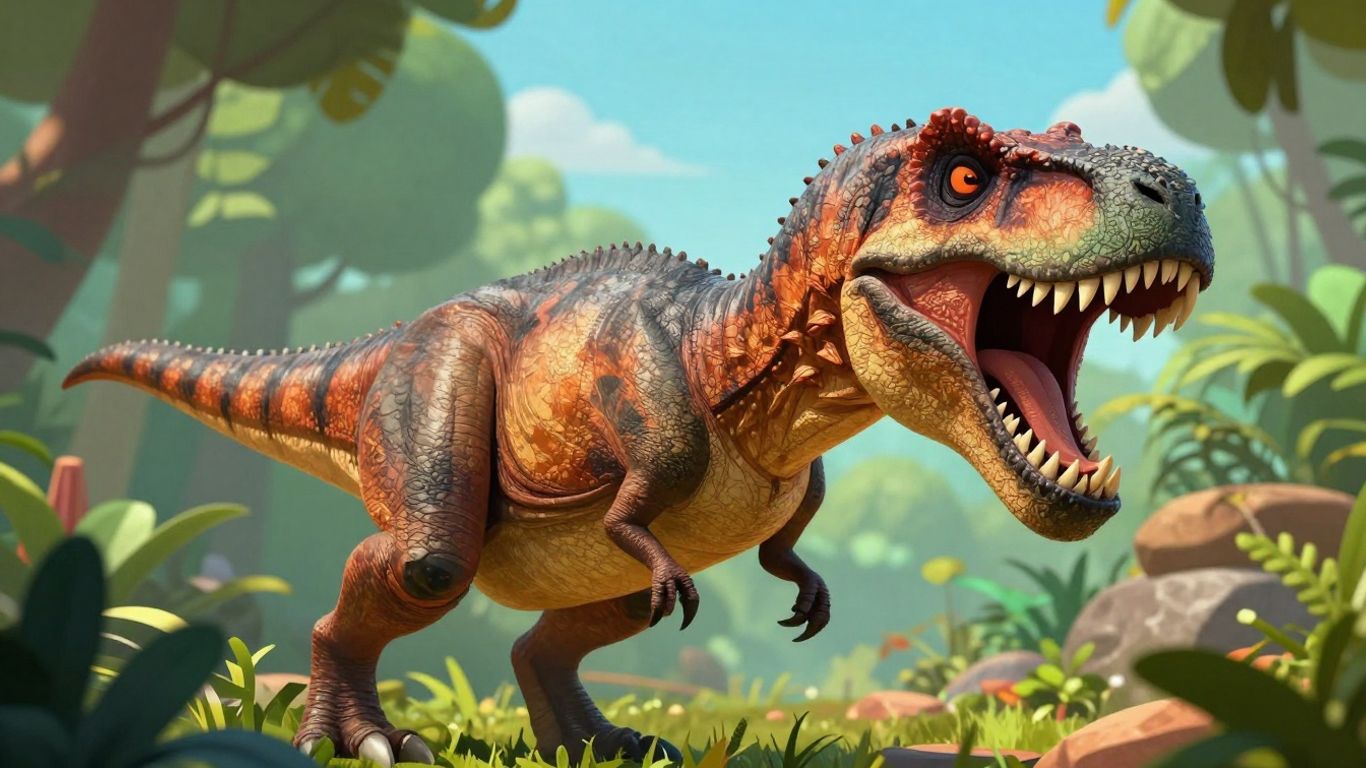
When you think of dinosaurs, the Tyrannosaurus Rex is likely one of the first that comes to mind. This apex predator is a fan favorite for a reason, and in the game, it commands a similar respect. It’s a large carnivore that requires a significant amount of space and careful management to keep happy and contained.
Stats and Requirements
The T-Rex is a powerhouse, boasting high attack and defense stats. However, this comes with a hefty price tag and a large enclosure requirement. It’s not a dinosaur you can just place anywhere; you need to plan its habitat carefully.
| Stat | Value | Cost |
|---|---|---|
| Attack | 109 | $1,964,000 |
| Defense | 30 | |
| Lifespan | 66 | |
| Resilience | 36 | |
| Rating | 234 |
Habitat and Social Needs
This king of the dinosaurs needs a lot of room to roam. A minimum of 26,300 sq ft is recommended, with a preference for a habitat that is 80% grassland and 20% forest. Socially, the T-Rex is a solitary creature, meaning it should be housed alone. Introducing another T-Rex or even other large carnivores into its enclosure is a recipe for disaster.
Management Tips
Keeping a T-Rex from breaking out is a primary concern. Ensuring a constant supply of food, like goat feeders, is key to keeping it occupied and less likely to test the boundaries of its enclosure. If you’re looking to add a T-Rex to your park, make sure its enclosure is robust and that you have a solid plan for its feeding schedule. It’s a high-risk, high-reward dinosaur that can really draw a crowd when managed correctly.
4. Velociraptor
When you think of fast, intelligent predators in the dinosaur world, the Velociraptor often comes to mind. In games, these pack hunters are usually depicted as a serious threat, and for good reason. They’re small, quick, and known for their coordinated attacks.
The Velociraptor is a formidable small carnivore that excels when working with others of its kind.
In terms of gameplay mechanics, Velociraptors often require careful management. They can be quite aggressive, and if their enclosure isn’t secure or their needs aren’t met, they might try to break out. This makes them a bit of a challenge, but also very rewarding to keep.
Here’s a look at their typical stats in games:
| Stat | Value |
|---|---|
| Attack | 60 |
| Defense | 16 |
| Lifespan | 70 |
| Resilience | 84 |
| Rating | 74 |
| Cost | $373,000 |
When considering which dinosaurs to house together, Velociraptors often pair well with other small carnivores. They can even be effective when placed with larger predators, as their numbers can overwhelm prey. However, it’s usually best to keep them in groups of their own species to maximize their pack hunting potential. A common strategy is to house them in groups of 2 to 6 individuals.
Managing a pack of Velociraptors means paying close attention to their social needs and enclosure security. They are not dinosaurs you can just put in a pen and forget about; they demand active attention to prevent escapes and ensure their well-being, which in turn keeps your park visitors safe.
5. Spinosaurus
The Spinosaurus often stands out because of its massive sail and semi-aquatic lifestyle, making it very different from other famous carnivores. In games about dinosaurs, Spinosaurus typically serves as a unique challenge for players, especially with its mix of land and water behaviors. What really makes Spinosaurus special in dinosaur games is its ability to both hunt and survive in environments most carnivores avoid.
Key Features of Spinosaurus in Games:
- Can adapt to both terrestrial and aquatic habitats, providing more dynamic gameplay.
- Usually has robust stats, with high attack and decent resilience, though it can cost quite a bit to incubate or unlock.
- Tends to require a large enclosure with a mix of water and forest/grassland, reflecting its need for variety.
Below is a quick breakdown of common Spinosaurus stats as seen in simulation games:
| Attribute | Value |
|---|---|
| Attack | 1013 |
| Defense | 759 |
| Lifespan | 352 |
| Resilience | 240 |
| Rating | High |
| Cost | $2,012,000 |
Managing a Spinosaurus enclosure isn’t just about size—it’s about getting that mix of water and land right, or it’ll quickly become stressed and unpredictable. Making sure the habitat meets its specific requirements will keep both the Spinosaurus and park guests safe.
6. Triceratops
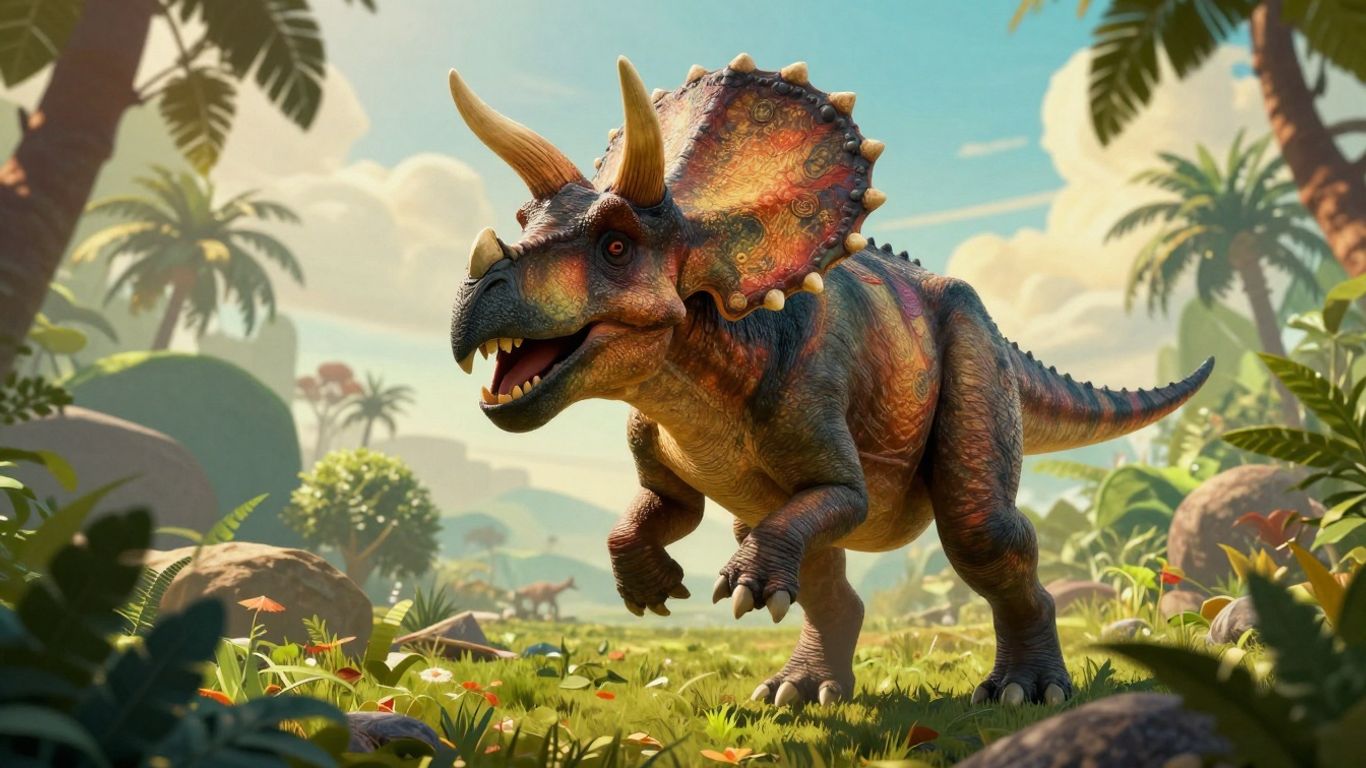
The Triceratops is a well-known dinosaur, famous for its impressive frill and three horns. In the game, it’s a medium-sized herbivore that can be a bit tricky to manage due to its social needs.
When setting up an enclosure for Triceratops, keep in mind that they prefer a mix of grassland and forest. They also have specific population requirements to stay happy and healthy. A group of 1 to 6 Triceratops can thrive together, but they also do well when mixed with other compatible herbivores.
Here’s a look at its stats:
| Stat | Value |
|---|---|
| Attack | 60 |
| Defense | 30 |
| Lifespan | 73 |
| Resilience | 23 |
| Rating | 339 |
| Cost | $230,000 |
Managing their social dynamics is key. If you put too many together without enough space or resources, they can get stressed and start causing trouble. It’s often best to house them with other herbivores that have similar needs, like Sinoceratops or Torosaurus, but always check compatibility first.
Triceratops are generally peaceful creatures, but like many herbivores in the game, they can become agitated if their enclosure conditions aren’t met. This might include overcrowding, lack of food, or incompatible neighbors. Keeping them content means a more stable park and fewer emergency repairs.
They require a decent amount of space, around 13,900 sq ft, with a good balance of grass and forest. Providing enough food feeders and ensuring the enclosure is secure will go a long way in keeping these iconic dinosaurs safe and sound.
7. Stegosaurus
The Stegosaurus is a fascinating dinosaur that often captures the imagination, partly due to its distinctive plates and tail spikes. In games, this herbivore usually plays a role as a sturdy, defensive creature. It’s not typically the fastest or the most aggressive, but it can certainly hold its own.
When you’re managing a park or a dinosaur roster, understanding the Stegosaurus’s needs and capabilities is key. They require a good amount of space and a preference for grassy areas, which makes sense given their diet. Their unique defensive features, like the thagomizer (the spikes on its tail), make them a formidable presence, even if they aren’t actively hunting.
Here’s a look at some of its game-related stats:
| Stat | Value |
|---|---|
| Attack | 75 |
| Defense | 24 |
| Lifespan | 73 |
| Resilience | 64 |
| Rating | 51 |
| Cost | $320,000 |
When considering the Stegosaurus for your dinosaur collection or park, remember its social needs. They generally do well in small groups, but overcrowding can lead to stress. Providing enough grassland is also important for their well-being and happiness.
The Stegosaurus is known for its double row of plates along its back and the four sharp spikes on its tail. Scientists believe these plates might have helped regulate body temperature or served as a display, while the tail spikes were likely used for defense against predators. It’s a prime example of how evolution can lead to unique and specialized adaptations.
8. Brachiosaurus
When you think of giant dinosaurs, the Brachiosaurus often comes to mind. This long-necked herbivore was one of the largest land animals to ever walk the Earth. In games, it’s usually represented as a gentle giant, a majestic addition to any park.
The Brachiosaurus is known for its immense size and its unique posture, with its front legs longer than its hind legs, giving it a giraffe-like stance. This characteristic allowed it to reach high into the trees for food, a trait that often translates into its in-game behavior and habitat needs.
When managing a Brachiosaurus in a game, consider these points:
- Habitat Requirements: Brachiosaurus need a lot of space. They typically require large grassland and forest areas to feel comfortable. A minimum enclosure size of around 42,000 square feet is often recommended, with a good balance of grass and forest.
- Social Needs: While not aggressive, Brachiosaurus are generally solitary or prefer small groups. Keeping too many together can lead to stress, so plan your population carefully.
- Diet: As herbivores, they need access to plenty of vegetation. Ensure their enclosure is well-stocked with feeders or suitable plant life.
- Visitor Appeal: Their sheer size makes them a huge draw for park visitors. They are often a centerpiece attraction, so placing their enclosure where guests can easily view them is a good strategy.
Here’s a look at some of its typical in-game stats:
| Stat | Value |
|---|---|
| Attack | 39 |
| Defense | 107 |
| Lifespan | 56 |
| Resilience | 140 |
| Cost | $784,000 |
The Brachiosaurus’s height was its primary defense and feeding advantage. Its long neck allowed it to survey its surroundings from a great distance and access food sources unavailable to shorter dinosaurs.
9. Indominus Rex
Ah, the Indominus Rex. This one’s a real showstopper, isn’t it? It’s a genetically engineered hybrid, a real Frankenstein’s monster of the dinosaur world, created by combining traits from various species. Its sheer power and unpredictable nature make it one of the most challenging and exciting dinosaurs to manage in the game.
When it comes to housing this beast, you’ll need a pretty substantial enclosure. We’re talking about a minimum area of 30,000 square feet, with a good mix of grassland and forest. It’s a solitary creature, so you only need to house one. Keeping it happy is key, and that means a constant supply of food. If it gets hungry or bored, it’s going to start looking for ways to escape, and trust me, you don’t want that.
Here’s a quick look at its stats:
| Stat | Value |
|---|---|
| Attack | 116 |
| Defense | 34 |
| Lifespan | 59 |
| Resilience | 30 |
| Rating | 273 |
| Cost | $2,516,000 |
Managing the Indominus Rex involves a few key considerations:
- Security: Its escape potential is high. You’ll need strong fences and constant monitoring. Any breach can lead to chaos.
- Feeding: It requires a steady supply of goat feeders. Don’t let its food supply run low, or it will get agitated.
- Socialization (or lack thereof): It’s a solitary dinosaur. Attempting to house it with others, especially other large carnivores, is generally a bad idea and will likely result in fights.
- Enclosure Design: A varied terrain with both grass and forest is recommended to keep it stimulated.
The Indominus Rex is the ultimate test of your park management skills. It demands constant attention and a robust infrastructure to keep it contained and its needs met. Success with this dinosaur means you’ve truly mastered the art of dinosaur park creation.
Pairing it with smaller carnivores like Velociraptors can be quite thematic, echoing its portrayal in the films, and can sometimes help keep it occupied. Just remember, a busy Indominus Rex is a safer Indominus Rex.
10. Gallimimus
The Gallimimus, often referred to as an "ostrich dinosaur," was a fast-running, bird-like dinosaur that roamed during the Late Cretaceous period. In games, it’s typically depicted as a small, non-aggressive herbivore, making it a popular choice for players looking to populate their parks with a bit of gentle life.
When considering the Gallimimus for your dinosaur park, it’s important to understand its needs. They thrive in social groups and require a good amount of space to feel comfortable. A herd of Gallimimus can be a lively addition, but they also need careful management to prevent overcrowding and stress.
Here’s a look at some of its typical requirements:
- Minimum Area: Around 5,100 sq ft.
- Habitat Preference: Prefers a mix of grassland (about 73%) and forest (about 27%).
- Social Needs: They are social creatures and do best in groups, with a recommended population range of 0-23 individuals.
While not a threat to humans or other dinosaurs, their speed and tendency to flee can make them a bit tricky to contain if enclosures aren’t properly secured. They are generally easy to feed, preferring vegetation, and their relatively low cost makes them accessible for most park builders.
Gallimimus are known for their speed and flocking behavior. In a game environment, this translates to a dinosaur that can quickly traverse its enclosure and benefits from open spaces. Their non-confrontational nature means they can often coexist with a wider variety of dinosaurs, provided their individual needs for space and food are met.
Your Prehistoric Adventure Awaits
So, we’ve looked at a few different ways to experience the age of dinosaurs through gaming. Whether you’re drawn to the strategic management of a park in Jurassic World Evolution, or the action-packed RPG battles of Dino King: Jurassic Hunt, there’s a game out there for every dinosaur enthusiast. Each title offers a unique way to connect with these incredible creatures, from careful planning and research to thrilling hunts and evolutions. We hope this guide has helped you find your perfect prehistoric playground. Now, go forth and explore the world of dinosaurs – your adventure is just beginning.
Frequently Asked Questions
What is the main goal in Jurassic World Evolution?
In Jurassic World Evolution, your main goal is to build and manage your own dinosaur park. You need to keep your dinosaurs happy, make sure your guests are safe, and grow your park to earn more money and unlock new features.
How do I get new dinosaurs in Dino King: Jurassic Hunt?
You can get new dinosaurs in Dino King: Jurassic Hunt by hatching eggs. As you play, you’ll find rare eggs that can unlock different types of dinosaurs for your team. You can also evolve and upgrade them to make your squad stronger.
Can I play Dino King: Jurassic Hunt offline?
Yes, you can play Dino King: Jurassic Hunt both online and offline. This makes it easy to enjoy the game anywhere, anytime, even if you don’t have an internet connection.
What makes the Tyrannosaurus Rex special in dinosaur games?
The Tyrannosaurus Rex is often a fan favorite because it’s big, strong, and known as a top predator. In many games, it’s one of the most powerful dinosaurs you can unlock or battle against.
Are there any herbivore dinosaurs in these games?
Yes! Many dinosaur games include herbivores like Triceratops, Stegosaurus, and Brachiosaurus. These dinosaurs usually need different care, like more plants in their enclosures, and they often live together in herds.
How do I keep my park guests safe from dinosaurs?
To keep your guests safe, you should build strong fences, have emergency shelters, and make sure your dinosaurs are comfortable so they don’t try to escape. Also, keep an eye on storms or other events that could cause trouble in your park.