
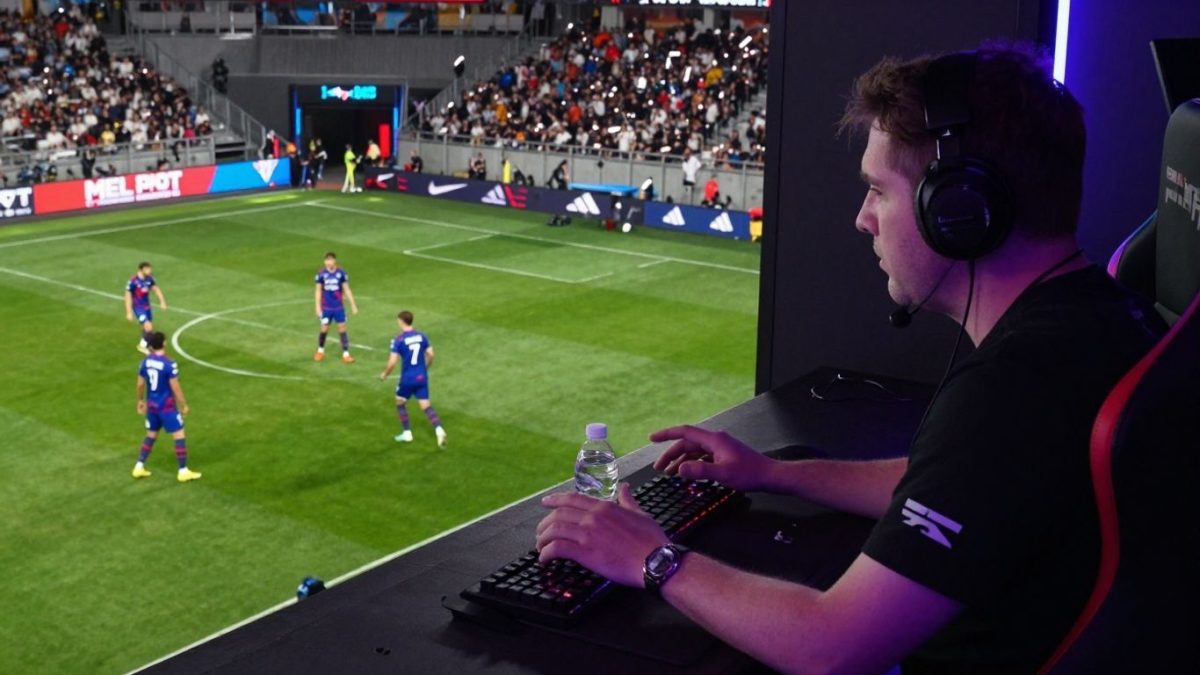
Whether you’re talking about the roar of a stadium crowd or the click of a mouse, managing a team takes a lot. The role of a game manager, once maybe seen as just handling equipment, has really grown. Now, it’s about so much more, from making sure players are happy and healthy to figuring out big business deals. And guess what? This job looks a bit different whether you’re dealing with traditional sports or the fast-paced world of esports.
Key Takeaways
- The game manager role has expanded significantly, covering everything from daily operations to player well-being and business strategy in both traditional and esports.
- Operational duties include managing schedules, travel, budgets, and event logistics to ensure smooth team functioning.
- Focusing on player and team development involves understanding motivation, building team cohesion, and addressing psychological challenges.
- Strategic responsibilities now include securing sponsorships, executing marketing plans, and exploring business growth opportunities.
- Esports presents unique challenges like managing remote teams, online environments, and digital marketing, requiring specific adaptations from the game manager.
The Evolving Landscape of the Game Manager Role
Defining the Game Manager in Modern Sports
The role of a game manager has changed a lot, especially when you look at sports today. It’s not just about keeping score or making sure the equipment is ready anymore. Think of it as the person who makes sure everything runs smoothly behind the scenes, whether it’s for a big esports tournament or a local soccer league. They’re the glue that holds a team or organization together, handling everything from planning to making sure players are happy and focused.
This job requires a mix of organizational skills, people skills, and a good understanding of the specific sport or game. It’s a position that demands flexibility because no two days are ever quite the same. You might be dealing with travel arrangements one minute and then sorting out a player dispute the next.
Bridging Traditional and Digital Arenas
What’s really interesting is how this role now spans both old-school sports and the newer world of esports. In traditional sports, a game manager might be coordinating bus schedules for away games or booking practice fields. They’re often the main point of contact for coaches, athletic directors, and sometimes even parents or league officials. They handle the day-to-day operations that allow the athletes to focus on their performance.
In esports, the challenges are different but the core idea is the same. Instead of booking flights, an esports manager might be ensuring stable internet connections for online matches or managing communication platforms for remote players. They might also be involved in organizing online tournaments, which have their own set of logistical puzzles, like server stability and making sure the broadcast runs without a hitch. It’s about adapting the same principles of organization and support to a digital environment.
Core Responsibilities Across Disciplines
No matter the arena, certain responsibilities pop up again and again. These are the building blocks of the game manager’s job:
- Logistics and Scheduling: This includes planning practices, games, travel, and accommodation. It’s about making sure everyone knows where they need to be and when.
- Resource Management: This covers budgeting, equipment, and sometimes even managing facility use. It’s about making sure the team has what it needs to succeed without overspending.
- Communication Hub: Acting as a link between players, coaches, staff, and sometimes external parties like sponsors or league officials. Clear communication prevents misunderstandings and keeps things moving.
- Player Support: While not always direct coaching, managers often play a role in player well-being, helping to address issues that might affect performance, whether it’s a scheduling conflict or a minor team dispute.
The game manager’s role is less about the spotlight and more about the steady hum of operations that allows talent to shine. They are the unseen architects of success, building the framework upon which athletes can perform at their best.
Operational Excellence: The Game Manager’s Foundation
Logistical Management: Scheduling and Travel
Getting the team from point A to point B, and making sure everyone is where they need to be, when they need to be there, is a huge part of the game manager’s job. It’s not just about booking flights; it’s about making sure the travel itself doesn’t wear the players down before they even compete. This means thinking about flight times, layovers, and even how players will get from the airport to the hotel and then to the venue. For esports, this might translate to ensuring stable internet connections and appropriate hardware setups for remote players, which is its own kind of logistical puzzle.
- Coordinating practice schedules with travel plans to minimize disruption.
- Arranging accommodation that supports player rest and focus.
- Managing visa applications and other travel documentation for international events.
The goal is to create a travel and scheduling system that supports peak performance, not hinders it. Every detail, from meal times to practice sessions, needs to fit together smoothly.
Resource Allocation and Budget Oversight
Every team, whether it’s a traditional sports club or an esports organization, has a budget. The game manager is often the one making sure that money is spent wisely. This involves tracking expenses, negotiating with vendors, and making sure the team has the equipment, facilities, and support staff it needs without overspending. It’s a balancing act, trying to provide the best resources possible within financial limits.
Effective budget management is key to sustainable team operations.
| Expense Category | Allocated Budget | Actual Spend | Variance |
|---|---|---|---|
| Player Salaries | $500,000 | $495,000 | $5,000 |
| Travel & Accommodation | $100,000 | $110,000 | -$10,000 |
| Equipment & Software | $50,000 | $45,000 | $5,000 |
| Staff & Coaching | $150,000 | $150,000 | $0 |
| Total | $800,000 | $790,000 | $10,000 |
Facility and Event Coordination
This part of the job involves making sure the physical or digital spaces where the team operates are up to par. For traditional sports, it’s about securing practice fields, managing locker rooms, and coordinating with event organizers for game days. In esports, it could mean ensuring the team’s training facility has the right setup, or coordinating with tournament organizers for online event logistics. It’s about creating an environment where the team can perform at its best, free from unnecessary distractions or technical issues.
Player and Team Development: Cultivating Success
Beyond the scoreboard and the win/loss record, a game manager’s role involves nurturing the individuals and the collective unit. This means understanding what makes players tick, how they interact, and the mental hurdles they face. It’s about building a foundation for sustained performance, not just fleeting victories.
Understanding Player Motivation and Engagement
Players are driven by a mix of internal desires and external rewards. Some are motivated by the sheer challenge of improving their skills and mastering the game. Others find drive in recognition, belonging to a successful team, or achieving specific goals. A manager’s job is to identify these drivers for each player and the team as a whole. This understanding allows for tailored approaches to keep everyone committed, especially during tough stretches.
- Mastery and Achievement: Providing opportunities for skill development, clear feedback on progress, and challenging scenarios helps players feel a sense of accomplishment.
- Community and Belonging: Cultivating a positive team environment where players support each other and feel valued boosts morale and accountability.
- Goal Setting: Aligning short-term performance targets with long-term career aspirations gives players direction and a reason to push forward.
Effective motivation isn’t just about offering bigger prizes. It’s about creating an environment where players feel seen, supported, and challenged in ways that align with their personal drivers.
Nurturing Team Dynamics and Cohesion
A team is more than just a collection of talented individuals; it’s an ecosystem where personalities, play styles, and communication patterns intersect. Managers need to be attuned to these dynamics. Recognizing how different player types complement each other can lead to a more balanced and effective unit. For instance, pairing a highly aggressive player with a more strategic, supportive one can create a potent combination.
- Identifying Complementary Styles: Understanding a player’s risk tolerance, preferred pace, and decision-making habits helps in building a roster where strengths cover weaknesses.
- Resolving Conflicts: Personality clashes and communication breakdowns are inevitable. Managers must step in to mediate, clarify expectations, and guide players toward constructive dialogue.
- Building Trust: Consistent support, clear roles, and shared accountability are key to developing trust. When players trust each other, they can perform better under pressure.
Addressing Psychological Challenges in Competition
Competitive environments, especially in esports, can be mentally taxing. Players face unique pressures that managers must help them navigate.
- Stress and Performance: High-stakes matches can trigger anxiety. Managers can help by establishing routines, providing mental training, and creating a supportive atmosphere that allows players to perform their best without being overwhelmed.
- Burnout and Fatigue: Long hours of practice and constant screen time can lead to burnout. Strategic scheduling of breaks, recovery periods, and setting boundaries are vital.
- Public Scrutiny: Players often face intense online commentary. Managers can help by building resilience and providing psychological support to manage external pressures and maintain a healthy sense of self.
A manager’s awareness of the psychological toll of competition is as important as understanding game strategy. It directly impacts player well-being and long-term performance.
Strategic Partnerships and Growth
As sports and esports continue to grow, so does the need for smart partnerships and expansion strategies. Game managers are at the center of this growth, working behind the scenes to build relationships and open up new business opportunities. Let’s break down the three main areas in this space—sponsorship, marketing, and development—and see how they all fit together.
Sponsorship Acquisition and Activation
Building and managing sponsorships is both an art and a process. Game managers have to identify potential partners, pitch ideas that make sense for both sides, and then make sure those partnerships are worthwhile. Sponsorships aren’t just about slapping a logo on a jersey—they’re about creating real value and connection.
Key Parts of Sponsorship Management:
- Research companies whose products or audiences match the sport or esport focus
- Develop proposals that show the sponsor’s possible return—visibility, engagement, and direct sales
- Maintain the relationship with regular reports and new ideas to keep sponsors coming back
- Organize on-site activations and digital campaigns that make fans—and sponsors—feel included
A well-placed sponsor can provide financial stability and extra exposure, but it takes a thoughtful approach to keep both sides happy for the long term.
Marketing Initiatives and Brand Visibility
For any game or team, standing out is a must. Game managers handle brand building just as much as logistics. Strategic marketing increases the reach of teams, tournaments, and players—but only when it’s personal and consistent.
Common Marketing Approaches:
- Developing social media strategies with regular, relevant updates
- Launching campaigns around major events or player stories
- Working with influencers or content creators for broader reach
- Creating merchandise lines or exclusive digital content
Here’s a quick table showing typical marketing spend for a mid-tier esports team:
| Activity | Percent of Budget |
|---|---|
| Social Media Ads | 30% |
| Merchandise | 25% |
| Event Promotion | 20% |
| Influencer Deals | 15% |
| PR/Media Outreach | 10% |
Fans expect constant engagement, so balancing the budget across these channels makes a big difference.
Business Development and Market Expansion
Game managers can’t just focus inward—they also look for ways to grow. This means entering new markets, expanding team or league brands, and forming partnerships outside the usual sports world.
Steps in Market Expansion:
- Study new geographical markets or growing online communities
- Build joint ventures with local groups, businesses, or even public agencies
- Adapt offerings for new fans (translation, local merch, revised rules or event formats)
- Evaluate data for feedback—every launch brings learning opportunities
Whether it’s a new region or a fresh online audience, the goal is steady, manageable growth without losing what made the original brand special.
A game manager who actively seeks out partnerships and keeps an eye on the bigger picture won’t just keep a team or organization afloat; they’ll help it thrive in an era defined by rapid change.
The Game Manager in Esports: Unique Considerations
The role of a game manager in esports goes well beyond standard administration. Traditional sports skills still matter, but managing in esports often needs new strategies for online play, digital events, and fast-changing teams. Esports game managers must juggle online communication, technical troubleshooting, and digital marketing in ways not found elsewhere. Let’s break down the main areas where this position looks different from traditional team management.
Adapting to Online Environments and Connectivity
Managing an esports team means facing technical issues that aren’t common in other sports. As online tournaments become more popular, managers must:
- Set up secure and stable internet connections for competitions.
- Oversee player hardware, software updates, and server access.
- Monitor server stability and troubleshoot downtime before and during matches.
| Challenge | Typical Solution |
|---|---|
| Lag or server drop | Arrange backup connections |
| Hardware failures | Create spare parts inventory |
| Remote coordination | Use chat and video platforms |
Managing technology and digital logistics is a daily responsibility. Every second of lag or miscommunication can cost a team a match—and sometimes, thousands of dollars in prize money.
Managing Remote Teams and Communication
A lot of esports teams are distributed, with players living in different cities—or even countries. Managers tackle challenges like time zones, language barriers, and cultural differences. To make remote teamwork practical, managers:
- Schedule meetings using global-friendly times.
- Choose tools that support both voice and text communication.
- Enforce ground rules for healthy online discussions.
- Organize online bonding activities to build trust.
Maintaining team unity from a distance isn’t easy. Miscommunication or personality clashes can get worse when all communication is digital. Consistent check-ins and neutral conflict resolution keep teams focused and working together.
Leveraging Digital Marketing and Influencer Strategies
Marketing in esports is almost entirely online. Unlike traditional sports, the primary audience is on Twitch, YouTube, social media, and in fan forums. Game managers step into roles like:
- Building team social media accounts and posting updates.
- Partnering with gaming influencers or content creators.
- Planning digital campaigns around game releases or tournaments.
- Collecting basic data on engagement and reach to report to sponsors.
Here are a few tactics esports managers use to boost team exposure:
- Plan highlight video releases after big matches.
- Respond quickly on social media to build fan interaction.
- Run giveaways or digital events hosted by popular streamers.
Esports managers must constantly think digitally—because the reputation of their team depends on what happens online just as much as what happens during matches.
Essential Skills for the Modern Game Manager
Communication and Conflict Resolution
Being able to talk clearly and listen well is a big deal for any manager. You’ve got players, coaches, staff, and sometimes even sponsors to talk to. Sometimes, people won’t agree, and that’s where sorting out problems comes in. It’s about understanding what everyone needs and finding a way forward that works for the team. This means being able to step in when there’s a disagreement, figure out what’s really going on, and help people talk it through without making things worse. Good communication stops small issues from becoming big problems.
- Active listening to understand different viewpoints.
- Clearly stating expectations and feedback.
- Mediating disputes to find common ground.
When conflicts arise, addressing them directly and respectfully is key. Ignoring issues can lead to resentment and a breakdown in team cohesion, impacting performance.
Analytical Skills and Performance Metrics
Modern sports, both traditional and digital, generate a lot of data. A game manager needs to be able to look at this information and figure out what it means. This isn’t just about looking at scores; it’s about understanding player stats, team performance trends, and even things like player fatigue or stress levels. Using this data helps make smarter decisions about training, strategy, and player well-being. It’s about seeing the patterns that others might miss.
| Metric Category | Example Metrics |
|---|---|
| Player Performance | K/D Ratio, Accuracy, Objective Completion Rate |
| Team Strategy | Map Control, Objective Timings, Resource Usage |
| Player Well-being | Sleep Patterns, Stress Levels (self-reported) |
Adaptability and Strategic Foresight
The sports world changes fast. New games pop up, strategies evolve, and player needs shift. A good game manager can roll with these changes. They need to be able to look ahead, anticipate what might happen next, and get the team ready. This means being flexible with plans and always thinking about how to stay ahead of the competition. It’s about being ready for the unexpected and having a plan for different scenarios, whether it’s a sudden change in a game’s rules or a player needing unexpected support.
The Evolving Landscape of Game Management
So, we’ve looked at how managing teams and events works in both traditional sports and the fast-paced world of esports. It’s pretty clear that while the games themselves are different, the core job of a manager has a lot of overlap. Whether it’s handling schedules, dealing with players, or figuring out sponsorships, the goal is to keep things running smoothly and help the team succeed. The skills needed, like good communication and understanding people, are pretty much the same across the board. As esports continues to grow, we’ll likely see even more connections and shared best practices between these two big industries. It’s an exciting time to be involved in managing sports, no matter what kind of game you’re playing.
Frequently Asked Questions
What exactly does a game manager do?
A game manager is like the behind-the-scenes organizer for a sports team. They handle all the important stuff that isn’t playing the game, like making sure the team gets to games on time, managing money for equipment, and helping the coaches and players work together smoothly. Think of them as the team’s chief problem-solver.
Is being a game manager different in esports compared to regular sports?
Yes, it’s a bit different! In regular sports, a lot of time is spent on travel and in-person events. In esports, managers focus more on online communication, making sure internet connections are good for online games, and managing teams that might be spread out in different places. The core idea of organizing is the same, but the tools and environment change.
What are the main tasks of a game manager?
Game managers have a lot of responsibilities. They plan schedules, arrange travel, and keep track of budgets. They also help make sure the team facilities are ready for use and that events run without a hitch. Basically, they ensure everything needed for the team to compete is in order.
How do game managers help players and teams get better?
They help by understanding what makes players want to play their best, like setting goals or making sure everyone on the team gets along. They also help players deal with the stress of big games and make sure the team works well together. It’s about building a strong team spirit and helping individuals grow.
What kind of skills does a good game manager need?
Great communication is super important, so they can talk to everyone clearly and solve arguments. They also need to be good at looking at information to see how the team is doing and be ready to change plans if something unexpected happens. Being able to think ahead is key!
Do game managers help with getting sponsors?
Yes, they often do! Game managers help teams find companies that want to support them with money or products. They also help create marketing plans to get the team noticed and attract more fans or business partners. It’s all about helping the team grow and succeed off the field or screen.