
Looking for your next tabletop obsession? Forget endless scrolling online. The real treasures are often hiding in plain sight at your local game store. These spots are more than just places to buy stuff; they’re hubs for fellow gamers, places to discover new games, and sometimes, where friendships are forged over dice rolls. This guide will help you find and make the most of your friendly local game store.
Key Takeaways
- Friendly Local Gaming Stores (FLGS) are community centers for tabletop gamers, offering more than just products.
- You can find FLGS by checking resources like Board Game Geek forums, social media groups, or simply searching on maps.
- Engage with your FLGS by attending events, using their play spaces, and supporting them by buying games there.
- Building relationships with store staff can lead to great recommendations and insights into the gaming scene.
- Respect the store environment and other players; avoid using the store solely for price comparisons and be open to trying new games.
Board Game Geek
Board Game Geek, often shortened to BGG, is a massive online hub for anyone interested in tabletop games. Think of it as the ultimate encyclopedia and community forum for board games, card games, and role-playing games. It’s the first place many people turn to when they want to learn about a new game, check its rules, or see what other players think.
The site is an invaluable resource for discovering new titles and understanding the vast landscape of modern board gaming. You can find ratings, reviews, forums, and even links to buy games. It’s also a great place to connect with other gamers, ask questions, and find out about events or local game stores.
Here’s what you can typically find on Board Game Geek:
- Game Database: An extensive catalog of nearly every board game ever made, with details on mechanics, designers, publishers, and player counts.
- Ratings and Reviews: User-submitted scores and written reviews that help gauge a game’s quality and suitability for different groups.
- Forums: Dedicated discussion areas for individual games, general topics, and even finding local gaming communities.
- Marketplace: A place to buy, sell, or trade games, often including out-of-print or hard-to-find titles.
- Articles and Videos: Content from the BGG community and staff, offering insights, playthroughs, and news.
When you’re looking for your next game, BGG can help you sort through the thousands of options. You can filter by complexity, playtime, player count, and even specific mechanics to find something that fits exactly what you’re looking for. It’s a tool that can save you a lot of time and help you make informed decisions about your purchases.
Friendly Local Gaming Store
A Friendly Local Gaming Store, often shortened to FLGS, is more than just a place to buy games; it’s a community hub for tabletop enthusiasts. These stores are typically run by people who share your passion for gaming, making them a great resource for advice and recommendations. Visiting your FLGS is a fantastic way to discover new games, connect with fellow players, and support a vital part of the gaming ecosystem.
When you step into an FLGS, you’ll often find a wide selection of board games, role-playing game books, collectible card games, and miniatures. Many stores also offer dedicated spaces for playing games, sometimes with a library of titles you can try before you buy. This is a great way to test out a game you’ve been curious about without committing to a purchase.
Beyond just retail, FLGS often host events. These can range from casual open gaming nights where you can bring your own game to teach and play, to organized tournaments for popular games like Magic: The Gathering or Warhammer 40k. Participating in these events is an excellent opportunity to:
- Meet new people who share your interests.
- Learn new games or strategies from experienced players.
- Experience the social side of tabletop gaming.
- Discover local gaming groups or campaigns.
It’s important to remember that these stores rely on community support. While online retailers might offer lower prices, consider the value you get from the in-person experience, the advice from staff, and the community events. Supporting your FLGS helps ensure these spaces continue to thrive for everyone.
Building a relationship with your local gaming store staff can lead to personalized recommendations and insights into upcoming releases or local gaming trends. They are often the first to know about new products and can offer guidance tailored to your specific gaming preferences.
Dungeons & Dragons
Dungeons & Dragons, often shortened to D&D, is the granddaddy of tabletop role-playing games. If you’re looking to get into it, your local game store is a fantastic place to start. You’ll find more than just books; these places are often community centers for players. Think shelves packed with the latest rulebooks, dice that just feel right in your hand, and miniatures just begging for a paint job. It’s also a great spot to meet other players and Dungeon Masters, maybe even find a group that needs another adventurer.
When you walk into a store, you’ll likely see a range of D&D products. This includes the core rulebooks – the Player’s Handbook, Dungeon Master’s Guide, and Monster Manual – which are your starting point for creating characters and running the game. Stores often carry specific settings like the popular Forgotten Realms, along with adventure modules designed for various skill levels. You might find bundles that offer a lot of content for a set price, which can be a good deal for new players.
Here’s a quick look at some common D&D items you might find:
- Core Rulebooks: Player’s Handbook, Dungeon Master’s Guide, Monster Manual.
- Adventures: Pre-written stories and campaigns, ranging from short quests to epic sagas.
- Sourcebooks: Books that expand on specific settings, rules, or character options.
- Dice Sets: Essential for determining the outcome of actions, often sold in sets of seven.
- Miniatures: Small figures representing characters and monsters, used on a battle map.
Many stores also host game nights or events, which are perfect for learning the ropes or finding a regular group. Don’t hesitate to ask the staff for recommendations; they’re usually passionate about the hobby and happy to help.
The game is built around a shared storytelling experience. One person, the Dungeon Master, describes the world and the challenges, while the other players describe their characters’ actions. Dice rolls help determine the success or failure of those actions, adding an element of chance and excitement to the narrative.
Magic: The Gathering
Magic: The Gathering, often shortened to MTG, is a collectible card game that has been around for decades. It’s a game where players take on the role of powerful wizards, known as planeswalkers, who battle each other by casting spells, summoning creatures, and using magical artifacts. The game is played with custom decks of cards, each representing different spells, creatures, lands, and other magical elements. Building a good deck is a big part of the fun, and there are countless strategies and combinations to explore.
The core of Magic lies in its strategic depth and the constant evolution of its card pool. New sets are released regularly, introducing new mechanics, creatures, and spells that shake up the established meta. This continuous innovation keeps the game fresh and exciting for both new and veteran players. Local game stores are often hubs for MTG players, hosting regular tournaments, casual play nights, and offering a place to trade and buy cards. You can find everything from starter decks for beginners to rare and powerful single cards for seasoned collectors.
Here’s a quick look at some common ways players engage with Magic:
- Constructed Play: Players build their own decks from their collection of cards, adhering to specific format rules. This is where deck-building skill really shines.
- Limited Play: Players build decks on the spot from a limited pool of cards, usually from booster packs opened at the event. This tests adaptability and quick thinking.
- Commander (EDH): A popular multiplayer format with unique deck-building rules, focusing on a legendary creature as your commander.
The social aspect of Magic is just as important as the gameplay itself. Many players find their community at local game stores, sharing strategies, participating in events, and trading cards. It’s a hobby that connects people through a shared passion for strategy and fantasy.
When you visit your local game store, you’ll likely find a dedicated section for Magic: The Gathering. This usually includes:
- Booster packs and boxes for drafting or opening.
- Pre-constructed decks, perfect for jumping into the game.
- Single cards for completing your decks or collections.
- Accessories like deck boxes, sleeves, and playmats to protect your cards and enhance your gaming experience.
Pokemon Cards
Pokemon cards have become a massive phenomenon, extending far beyond just a children’s trading card game. For many, collecting Pokemon cards is a serious hobby, blending nostalgia with the thrill of finding rare and valuable items. Local game stores often carry a selection of Pokemon booster packs, theme decks, and sometimes even individual cards.
Finding specific Pokemon cards can be a rewarding treasure hunt. Whether you’re looking to complete a set, find a powerful card for the trading card game, or simply acquire a favorite Pokemon illustration, these stores can be a great starting point. They often receive new releases promptly, so you can be among the first to snag the latest booster sets.
Here’s a look at what you might find:
- Booster Packs: These contain a random assortment of cards, offering the excitement of discovery with each pack. They are the most common way to start or expand a collection.
- Elite Trainer Boxes: These often include multiple booster packs, special promotional cards, dice, damage counters, and sleeves – everything a player might need.
- Theme Decks: Pre-constructed decks ready to play right out of the box, perfect for new players or those who want a ready-to-go strategy.
- Individual Cards: Some stores may sell single cards, which is ideal for collectors trying to fill specific gaps in their collection.
Beyond just purchasing, many local game stores also host Pokemon Trading Card Game (TCG) events. These can range from casual meetups for trading and playing to official tournaments. It’s a fantastic way to learn the game, meet other players, and become part of the local Pokemon community.
The appeal of Pokemon cards lies in their multifaceted nature: they are collectible art, a strategic game, and a link to a beloved franchise. This combination keeps collectors and players engaged across generations.
Warhammer 40k
Warhammer 40,000, often shortened to "40k", is a tabletop wargame set in a grim, dark future where humanity is locked in a perpetual struggle for survival against alien races, heretical cults, and demonic forces. It’s a universe built on epic scale, with massive armies clashing across countless worlds. Unlike role-playing games where you control a single character, in Warhammer 40,000, you command entire armies, from small squads of elite soldiers to vast legions of tanks and monstrous creatures.
The core of the game involves building and painting your own miniature army, then pitting it against an opponent’s forces on a tabletop battlefield. This hobby aspect is a huge draw for many players. The sheer variety of factions means there’s likely a playstyle and aesthetic that appeals to everyone. You might find yourself drawn to the stoic, technologically advanced armies of the Imperium of Man, the brutal, warlike Orks, the cunning Eldar, or the terrifying forces of Chaos.
Getting started can seem a bit daunting, but local game stores are fantastic places to learn. They often host "Learn to Play" events and have experienced players willing to guide newcomers. You’ll typically need a few key things to begin:
- A Combat Patrol box: These are starter sets designed for each faction, containing a small, balanced force that’s perfect for learning the rules and getting your army on the table.
- Dice: Warhammer 40,000 uses a variety of dice, primarily D6s (six-sided dice), but also D10s and D12s for certain effects.
- A measuring tape: Distances are important in the game, so a tape measure is essential for determining movement and ranges.
- A hobby knife and glue: For assembling your miniatures.
- Paints and brushes: To bring your army to life with color.
The universe of Warhammer 40,000 is rich with lore, spanning thousands of years of conflict and intrigue. Understanding the background of your chosen faction can significantly deepen your enjoyment of the game, adding context to every battle and strategic decision.
Tabletop Gaming Supplies
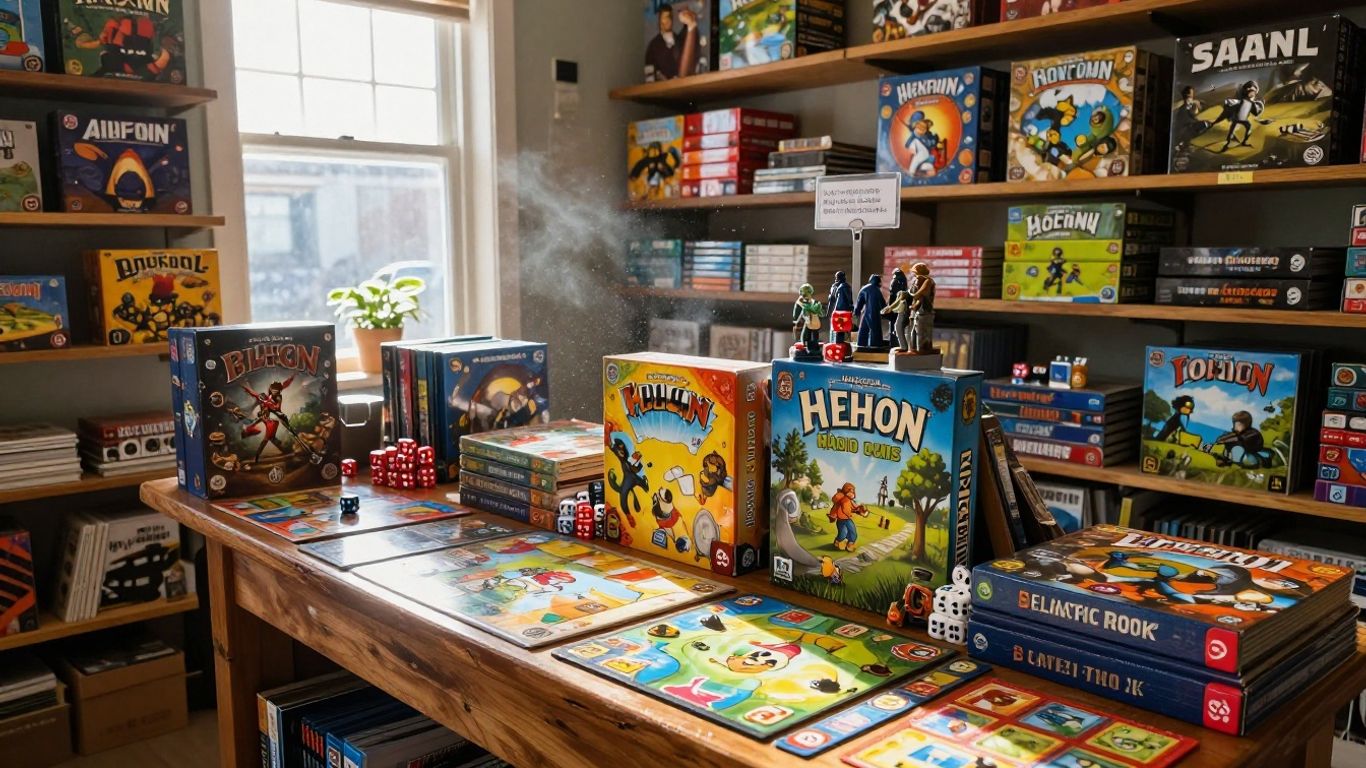
Beyond the core rulebooks and dice, a whole world of accessories can really make your tabletop gaming experience shine. Think about the little things that make a big difference at the table. These aren’t just extras; they’re tools that can help you run smoother games, protect your gear, and even add a bit of flair.
When you’re setting up for a session, having the right supplies can save you a lot of hassle. For instance, dice trays are a game-changer. No more dice rolling off the table or clattering across your friend’s miniatures! They keep everything contained and make rolling feel a bit more deliberate. Similarly, card sleeves are a must if you’re playing games with lots of cards, like collectible card games or even some board games. They keep your cards in good condition, preventing bends and spills from ruining them.
Here are some common supplies you’ll find at your local game store:
- Dice: Beyond the standard sets, you can find specialty dice in different materials like metal, stone, or resin, each with a unique feel and sound.
- Dice Bags and Trays: Keep your dice organized and prevent them from going rogue during an exciting roll.
- Card Sleeves: Protect your valuable trading cards or game cards from wear and tear.
- Playmats/Game Mats: These provide a clean, designated surface for your game, often with helpful grids or artwork.
- Miniature Cases and Foam: If you’re into painting and collecting miniatures, these are vital for safe transport.
- Storage Solutions: Boxes, binders, and organizers help keep your games and accessories tidy between sessions.
Many stores also carry a variety of paints, brushes, and modeling tools for those who enjoy customizing their miniatures. Finding these practical items can often be done at a good price, especially if you catch a sale. It’s worth checking out the accessory aisles regularly, as you might discover something that solves a small annoyance you didn’t even realize you had.
Sometimes the most impactful additions to your gaming setup aren’t the games themselves, but the small, practical items that make playing them easier and more enjoyable. These supplies are the unsung heroes of game night.
Collectible Card Games
Collectible Card Games, often shortened to CCGs, represent a vibrant and dynamic segment of the gaming world. These games involve players building custom decks of cards, each with unique abilities, stats, and effects, to battle against opponents. The strategic depth comes from deck construction, anticipating your opponent’s moves, and managing your resources effectively during a match. The thrill of collecting rare cards and the social aspect of trading and playing with others are major draws.
Local game stores are fantastic places to explore the world of CCGs. You’ll often find a wide selection of popular titles, from established giants to newer contenders. Many stores also host regular tournaments and casual play nights, providing a perfect venue to test your decks, learn from experienced players, and become part of the local gaming community. It’s a great way to connect with people who share your interest and maybe even find a trading partner.
Here are some of the key elements that make CCGs so engaging:
- Deck Building: The core of the game. Players select cards from a larger pool to create a deck that reflects their strategy and playstyle.
- Strategy and Tactics: Each game requires careful planning, resource management, and the ability to adapt to your opponent’s actions.
- Collecting and Trading: The hunt for rare or powerful cards is a significant part of the hobby, leading to vibrant trading communities.
- Community Events: Tournaments and casual play sessions offer social interaction and competitive play.
The appeal of collectible card games extends beyond just the gameplay itself. It’s the blend of strategic thinking, the excitement of discovery through opening booster packs, and the social connections forged over shared decks and battles that truly capture players’ imaginations. Finding that perfect card or executing a winning strategy can be incredibly rewarding.
When you’re looking to get started or expand your collection, don’t hesitate to ask the staff at your local store for recommendations. They can guide you toward games that match your preferences, whether you enjoy fast-paced combat, intricate spell-slinging, or creature-based assaults. You can often find starter decks and booster packs readily available, making it easy to jump right in. For those interested in the broader landscape of gaming trends, understanding the evolution of these games can be quite insightful, and resources like IntelligentHQ offer perspectives on how technology influences various sectors, including entertainment.
Rulebooks
Rulebooks are the foundation of any tabletop role-playing game. They contain all the information you need to understand the game’s mechanics, setting, and how to play. Think of them as your game’s instruction manual and encyclopedia rolled into one. Without them, you’d be lost trying to figure out how to create a character, what actions you can take, or how the world you’re playing in works.
Most games have a core rulebook, which is the starting point for new players. This book usually covers the basic rules, character creation, and fundamental game concepts. For more complex games, like Dungeons & Dragons, there are often several core books. These might include:
- Player’s Handbook: This is where players will find everything they need to create and play their characters, including races, classes, spells, and equipment.
- Dungeon Master’s Guide: This book is for the person running the game (the Dungeon Master or GM). It provides advice on running adventures, creating worlds, and managing the game.
- Monster Manual: This is a bestiary filled with creatures and monsters that the GM can use to populate the game world and challenge the players.
Beyond the core books, many games have supplemental rulebooks, often called sourcebooks or expansions. These can add new options for characters, introduce new settings or lore, provide advanced rules, or offer ready-made adventures.
Finding the right rulebook is key to enjoying your game. Whether you prefer the convenience of digital PDFs or the feel of a physical book, these guides are your gateway to countless adventures. Many local game stores and online retailers offer a wide selection, from the latest releases to hard-to-find older editions.
Dice Sets
When you’re setting up for a game night, whether it’s a deep Dungeons & Dragons campaign or a quick card game, the right dice can make all the difference. Local game stores have a huge selection, way more than you’d find at a general store. You can get everything from basic, solid-color dice to fancy, multi-sided sets with glitter or unique patterns.
The variety available at your local shop is truly impressive. They often carry dice made from different materials, like resin, metal, or even stone, each with its own feel and weight. Plus, you can find specialized dice for different games, like extra-large dice for easy rolling or dice with custom symbols.
Here’s a quick look at what you might find:
- Standard Polyhedral Sets: These are the most common, including dice numbered d4, d6, d8, d10, d12, d20, and a percentile d10. They come in countless colors and designs.
- Specialty Dice: Think oversized dice for dramatic effect, dice with unique fonts, or even dice designed for specific games or themes.
- Material Variety: From lightweight plastic to weighty metal, the material affects the roll and the feel in your hand.
- Single Dice: Sometimes you just need one specific die to replace a lost one or to have extras for a particular game mechanic.
Picking out dice is a fun part of preparing for a game. It’s a chance to add a personal touch to your character or your play style. A good set of dice feels right in your hand and adds a bit of flair to every roll, whether you’re facing a dragon or just managing resources.
Don’t underestimate the power of a good dice set. It’s a small thing, but it can really add to the overall enjoyment of your tabletop experience. So next time you’re at your local game store, take a moment to browse the dice – you might just find your new favorite set.
Miniatures
Miniatures are the physical representations of characters, monsters, and scenery that bring tabletop role-playing games to life on the gaming table. These small figures, often made of plastic or metal, add a tangible dimension to the narrative, allowing players to visualize their actions and the environment.
The detail on miniatures can range from simple, unpainted figures to highly intricate, pre-painted collector’s items. They are a core component for many games, especially those with tactical combat or a strong visual element.
Here’s a look at what makes miniatures so popular:
- Visual Aid: They help players and Game Masters track character positions, movement, and line of sight during combat encounters. Seeing your hero stand against a dragon on the table is far more engaging than just imagining it.
- Hobby Aspect: Many players enjoy the process of assembling, painting, and customizing their miniatures. This can be a relaxing and rewarding hobby in itself, allowing for personal expression.
- Collection: For some, collecting miniatures from their favorite games or settings is a significant part of the hobby, akin to collecting trading cards or other memorabilia.
When looking for miniatures, you’ll find a wide variety:
- Game-Specific Sets: Many popular games, like Dungeons & Dragons or Pathfinder, offer their own official miniature lines, often tied to specific adventures or monster manuals.
- Generic Fantasy/Sci-Fi Figures: You can also find a vast array of generic figures suitable for any campaign, from brave knights and cunning rogues to fearsome orcs and alien invaders.
- Unpainted vs. Pre-Painted: Unpainted miniatures are typically more affordable and offer the most creative freedom for painters. Pre-painted options provide an instant tabletop-ready solution for those who prefer to skip the painting process.
Finding the right miniatures can significantly enhance the immersion and enjoyment of your tabletop gaming sessions. Whether you’re a seasoned painter or just looking for figures to represent your party, the options available at local game stores are extensive and cater to every preference and budget.
Sourcebooks
Sourcebooks are the backbone of many tabletop role-playing games, especially those with expansive worlds like Dungeons & Dragons. Think of them as specialized encyclopedias or detailed guides that go way beyond the core rules. While a core rulebook gives you the basics to start playing, sourcebooks add layers of depth, options, and lore. They can introduce new character classes, races, spells, magic items, or even entirely new regions to explore within a game’s setting.
These books are where the real customization and world-building happen.
Sourcebooks can be categorized in a few ways:
- Setting Expansions: These books focus on a specific region, plane of existence, or historical period within a game’s universe. They provide detailed descriptions of locations, cultures, important NPCs, and local conflicts, giving Game Masters (GMs) a rich tapestry to draw from for their campaigns.
- Player Options: Designed to give players more choices, these sourcebooks often introduce new character subclasses, feats, backgrounds, or ways to customize their characters beyond what’s in the Player’s Handbook.
- Monster Manuals & Bestiaries: Essential for any GM, these books are filled with creatures, monsters, and adversaries for players to encounter. They usually include stats, lore, and sometimes even advice on how to use them effectively in a game.
- Adventure Modules: While sometimes sold separately, many sourcebooks contain mini-adventures or plot hooks that GMs can weave into their ongoing stories.
The value of a good sourcebook lies in its ability to spark imagination. It provides the building blocks for unique stories and memorable characters, allowing both players and GMs to tailor the game experience to their specific tastes and interests. They transform a basic game into a deeply personal adventure.
Finding sourcebooks can be done through various channels. Digital marketplaces like DriveThruRPG offer vast libraries of PDFs, often with print-on-demand options for physical copies. Local game stores are also great places to browse, especially for newer releases or to find out-of-print gems. Sometimes, specialized publishers or even crowdfunding campaigns can be the source for unique, niche sourcebooks that aren’t widely distributed.
Campaigns
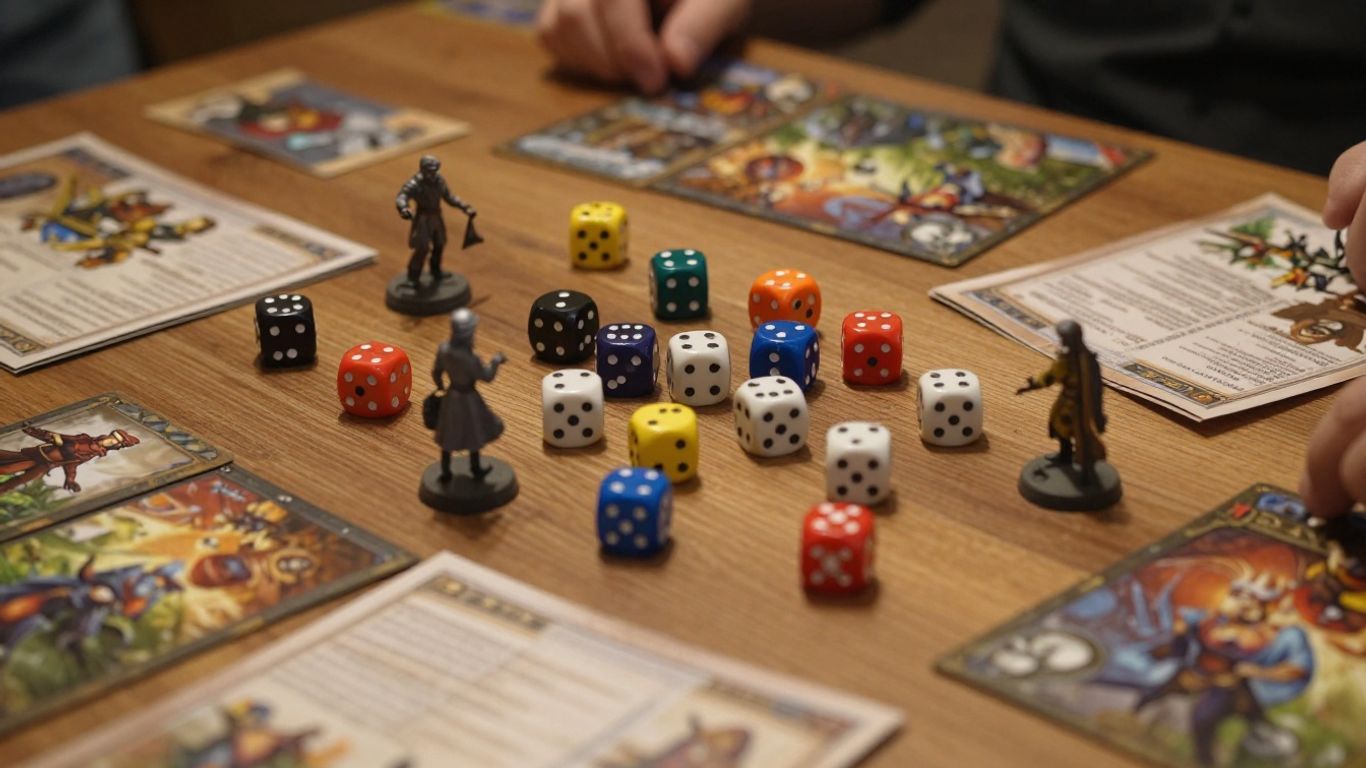
When you’re looking to embark on a new role-playing adventure, the campaign is your roadmap. Think of it as the overarching story that ties all your gaming sessions together, guiding you and your fellow players through a series of interconnected quests and challenges. These aren’t just random encounters; they’re designed to build a narrative, develop characters, and often lead to a satisfying conclusion.
Campaigns can vary wildly in scope and theme. Some might be epic sagas spanning dozens of sessions, while others are shorter, more focused experiences. The key is that they provide a structured framework for play, giving your group a shared goal and a reason to keep coming back to the table.
Here’s what makes a good campaign:
- A Compelling Premise: It needs to grab your attention from the start. What’s the central conflict? What’s at stake?
- Player Agency: While the story is guided, your choices should matter. The campaign should react to your decisions, making you feel like you’re truly shaping the world.
- Memorable Moments: From dramatic twists to hilarious mishaps, a great campaign is filled with moments you’ll talk about long after the dice are put away.
- A Satisfying Arc: Whether it’s a grand finale or a bittersweet ending, the campaign should feel like it reaches a natural and fulfilling conclusion.
Many game stores carry pre-written campaigns, often published as thick books or boxed sets. These are fantastic for groups who want a ready-made adventure without the heavy lifting of creating one from scratch. They usually include everything you need: plot hooks, maps, non-player characters, and advice for the game master running the show.
Finding the right campaign can be as exciting as the game itself. It’s the heart of your tabletop experience, offering a shared journey into the unknown.
Adventures
Adventures are the heart and soul of tabletop role-playing games. They are the pre-written scenarios, quests, and campaigns that provide the framework for your gaming sessions. Think of them as the script for your players’ epic journeys, offering plot hooks, character motivations, challenging encounters, and rich settings.
Local game stores are fantastic places to find these narrative treasures. You’ll often discover a wide selection, from single-session modules perfect for a quick game night to sprawling campaign books designed to last for months. The staff can be a great resource, too; they often play these games themselves and can offer recommendations based on your group’s preferences.
Here are some common types of adventures you might find:
- One-Shot Adventures: Designed to be completed in a single gaming session, these are great for introducing new players or trying out a new system.
- Short Campaigns: These typically involve a series of connected adventures that tell a larger story, often spanning several gaming sessions.
- Epic Campaigns: These are extensive, multi-part sagas that can take a group of players through a significant portion of their characters’ lives, involving complex plots and world-altering events.
- Setting-Specific Adventures: Many adventures are tied to particular game worlds or settings, like the Forgotten Realms for Dungeons & Dragons, offering lore and challenges unique to that universe.
Finding the right adventure can transform a good game into an unforgettable experience. It’s about more than just dice rolls; it’s about the story you create together.
When looking for adventures, consider the experience level of your players and the amount of time you have available. A well-chosen adventure can provide hours of entertainment and spark countless memorable moments around the gaming table.
Core Rulebook
The core rulebook is your absolute starting point for most tabletop role-playing games. Think of it as the instruction manual for an entire universe. It lays out the basic mechanics of the game, how characters are created, and the fundamental rules that govern how actions are resolved. Without it, you’re essentially trying to play without knowing the score.
These books are designed to be comprehensive, covering everything a player needs to get started. You’ll find details on character races, classes, skills, and how to advance your character as you play. For the Game Master (GM), the core rulebook usually includes guidance on running the game, creating adventures, and managing the world your players will explore.
It’s the foundational text that makes the shared storytelling possible.
Here’s what you can typically expect inside:
- Character Creation: Guidelines for building your unique character, from their background to their abilities.
- Core Mechanics: How dice rolls work, combat rules, and skill checks.
- Game Master Advice: Tips for running sessions, designing encounters, and managing the narrative.
- Setting Information: An overview of the game’s world, its history, and key locations.
While many games offer digital versions, there’s a certain satisfaction in holding the physical core rulebook. The weight of it, the smell of the paper, and the ability to flip through pages during a game can add to the experience. Plus, it’s a tangible piece of the hobby you can display on your shelf.
When looking for a core rulebook, especially for popular games like Dungeons & Dragons, you might find different editions or bundles. Some might combine the Player’s Handbook, Dungeon Master’s Guide, and Monster Manual into one package, which can be a great value for new players. Always check which edition the book is for to make sure it aligns with what your group is playing.
Player’s Handbook
The Player’s Handbook is your first stop for diving into most tabletop role-playing games, especially Dungeons & Dragons. Think of it as the instruction manual for adventurers. It lays out all the basic rules you need to know to create a character, understand how actions work in the game, and learn about the different classes and races available. It’s not just about numbers and stats, though; it also contains a lot of the lore and background information that helps build the world you’ll be playing in.
Inside, you’ll typically find:
- Character Creation: Step-by-step guidance on building your unique hero, from choosing a race and class to selecting skills and equipment.
- Core Mechanics: Explanations of how dice rolls work, combat procedures, and how to interact with the game world.
- Player Options: A wide array of spells, feats, and equipment that players can use to customize their characters further.
- World Lore: Background information on the setting, its history, and its inhabitants, which helps immerse players in the game.
This book is the foundation upon which all other adventures and expansions are built. Without it, you’re essentially trying to play a game without knowing the rules. It’s designed to be accessible, even if you’ve never played a tabletop RPG before, with clear explanations and examples to guide you along the way. Many stores offer different editions or versions, so make sure you’re getting the one that matches the game you want to play.
Dungeon Master’s Guide
The Dungeon Master’s Guide is your essential companion for running a Dungeons & Dragons game. Think of it as the rulebook for the person telling the story, building the world, and controlling all the monsters and non-player characters.
This book doesn’t just lay out rules; it provides tools and inspiration to make your game sessions memorable. You’ll find advice on creating your own adventures, designing unique dungeons, and populating your world with interesting characters and challenges. It covers everything from setting the difficulty of encounters to managing player progression and handling unexpected situations that inevitably arise during play.
Key sections often include:
- World Building: Guidance on creating settings, from entire continents to small villages, including details on cultures, economies, and political landscapes.
- Adventure Design: Frameworks for structuring adventures, developing plot hooks, and pacing the narrative.
- Magic Items: A catalog of magical artifacts, weapons, and wondrous items that players can discover.
- Running the Game: Tips and techniques for the Dungeon Master on improvisation, adjudicating rules, and maintaining player engagement.
- Bestiary: While the Monster Manual has the bulk of creatures, the DMG often includes a selection of unique monsters or variants.
The Dungeon Master’s Guide is more than just a book of rules; it’s a toolkit for creativity. It empowers you to shape the narrative, adapt to your players’ choices, and craft a unique experience every time you sit down at the table. It’s where the magic of storytelling truly comes alive.
Whether you’re a brand-new Dungeon Master or looking to refine your skills, this guide offers a wealth of information. It helps you understand the underlying mechanics of the game and provides practical advice for bringing your imagination to life for your players.
Monster Manual
The Monster Manual is a cornerstone for any Dungeon Master running a Dungeons & Dragons campaign. Think of it as the ultimate encyclopedia of creatures that inhabit the game’s many worlds. It’s not just a list of monsters; it’s a toolkit that provides the statistics, abilities, and lore needed to bring these beings to life at your gaming table.
Inside, you’ll find a diverse array of creatures, from the common goblins and orcs that players might encounter early on, to legendary dragons and ancient evils that serve as campaign climaxes. Each entry typically includes:
- Name and Description: A brief overview of the creature’s appearance and nature.
- Statistics: The game mechanics that define its combat prowess, defenses, and special abilities.
- Abilities and Actions: Details on what the monster can do in combat, including special attacks or spells.
- Lore and Ecology: Information about its habitat, behavior, and role within the game’s setting.
This book is absolutely vital for creating challenging and memorable encounters. A good Dungeon Master uses the Monster Manual not just to throw enemies at the players, but to weave them into the narrative, making the world feel more alive and dangerous. It helps in building tension, creating unique scenarios, and ensuring that each encounter feels distinct.
The Monster Manual is more than just a collection of stats; it’s a source of inspiration for creating dynamic and engaging challenges that push players to think creatively and adapt their strategies. It provides the building blocks for a world teeming with both wonder and peril.
When you’re looking to pick one up, you’ll often find it alongside the Player’s Handbook and Dungeon Master’s Guide as part of a core rulebook set. Many game stores will have these readily available, and you can often find them in various editions or bundles, sometimes even with digital access codes for online compendiums. It’s a foundational text for anyone looking to run or play D&D.
Forgotten Realms
When you think about Dungeons & Dragons, the Forgotten Realms often comes to mind. It’s the most popular setting for the game, a place filled with magic, monsters, and heroes. Many of the adventures and sourcebooks you’ll find at your local game store are set here.
Think of it as a massive fantasy world with a long history. It has everything from bustling cities and ancient ruins to dark forests and icy mountains. This setting is home to many iconic D&D characters and stories, making it a familiar starting point for both new and experienced players. It’s a place where you can easily find a quest, whether you’re looking to slay a dragon, uncover a lost artifact, or simply explore a new town.
Here’s a quick look at what makes the Forgotten Realms so special:
- Vast Geography: From the Sword Coast to the Underdark, the world offers diverse environments for any adventure.
- Rich Lore: Centuries of history, countless gods, and complex political landscapes provide endless story hooks.
- Iconic Locations: Places like Waterdeep, Baldur’s Gate, and Icewind Dale are well-known among D&D fans.
- Adaptable for Campaigns: Game Masters can easily tailor adventures to fit their players’ interests within this expansive world.
Many of the core rulebooks and adventure modules are designed with the Forgotten Realms in mind, offering ready-made content that players can jump into without extensive world-building.
If you’re picking up a D&D starter set or a new adventure book, there’s a good chance it will guide you through the Forgotten Realms. It’s a fantastic place to begin your journey into the world of tabletop role-playing games.
Heroes Of Faerun
When you’re looking to expand your Dungeons & Dragons adventures, especially within the iconic Forgotten Realms setting, you might come across titles like "Heroes of Faerun." This isn’t a core rulebook, but rather a type of supplemental material designed to add more depth and options to your game. Think of it as a specialized toolkit for Dungeon Masters and players who want to explore specific facets of the Faerun world.
These kinds of books often focus on providing new character options, such as unique subclasses, races, or backgrounds that are tied to the lore of Faerun. They might also introduce new magic items, spells, or even factions that players can interact with or join. For a Dungeon Master, "Heroes of Faerun" could offer ready-to-use NPCs, plot hooks, or even mini-adventures that fit seamlessly into an ongoing campaign.
The primary goal of such a supplement is to enrich the player experience by offering more ways to engage with the established setting. It’s about giving you more flavor, more choices, and more opportunities for memorable moments at the gaming table.
Here’s what you might typically find within a supplement like "Heroes of Faerun":
- New Character Options: Expanded choices for player characters, including unique subclasses, feats, or racial traits specific to Faerun’s diverse inhabitants.
- Lore and Worldbuilding: Deeper dives into specific regions, organizations, or historical events within the Forgotten Realms, providing context and inspiration.
- Adventure Hooks and NPCs: Ready-to-use elements that Dungeon Masters can easily integrate into their campaigns, from compelling non-player characters to intriguing plot starters.
- Magic Items and Spells: New magical gear and arcane abilities that reflect the unique magical traditions and dangers of Faerun.
These specialized books are fantastic for adding a unique flavor to your D&D sessions. They help bring the world to life by offering more specific details and options that you might not find in the general rulebooks. It’s like getting a detailed map of a particular city within a larger continent – it adds a whole new layer of exploration.
While not always as widely advertised as the core rulebooks, supplements like "Heroes of Faerun" are often found in dedicated local game stores or online marketplaces that specialize in TTRPGs. They represent a great way to keep your D&D adventures fresh and exciting, offering tailored content for those who love the Forgotten Realms.
Adventures In Faerun
When you’re looking to expand your Dungeons & Dragons campaigns, especially within the popular Forgotten Realms setting, you’ll often come across specific adventure modules. "Adventures in Faerun" is a term that might refer to a particular published adventure book or a collection of smaller adventures designed to be played within the Faerun setting. These are fantastic for Dungeon Masters who want pre-written storylines to guide their players through exciting quests and challenges.
These adventures typically offer a complete package, including:
- A detailed plot with hooks to draw players in.
- Maps of key locations, dungeons, and wilderness areas.
- Non-player characters (NPCs) with their own motivations and stats.
- New monsters or variations on existing ones.
- Potential treasure and magic items to reward the players.
Finding these adventures is often as simple as visiting your local game store or checking online marketplaces dedicated to tabletop games. They provide ready-made content, saving DMs a lot of preparation time. You might find them as standalone books or sometimes bundled with other sourcebooks. They are a great way to experience the rich lore of Faerun without having to create an entire world from scratch.
The value of a well-crafted adventure module lies in its ability to spark imagination and provide a structured yet flexible framework for gameplay. It allows both new and experienced players to engage with the Forgotten Realms in a meaningful way, offering memorable experiences and a clear path for progression.
Pledge Manager
After a successful crowdfunding campaign for a new board game or tabletop role-playing game, the real work of getting those rewards into backers’ hands begins. This is where a pledge manager comes into play. Think of it as the crucial bridge between the excitement of a funded project and the satisfaction of receiving your game.
While platforms like Kickstarter have basic survey tools, they’re pretty limited. They get the job done, sure, but they don’t offer much in terms of making the experience feel special or allowing creators to really connect with their supporters. A dedicated pledge manager, on the other hand, acts more like a personalized storefront for your backers. It’s a place where creators can manage orders, collect shipping information, and even offer add-ons or upgrades.
Here’s what a good pledge manager typically helps with:
- Collecting Shipping Details: This is the most basic, but absolutely vital, function. It ensures your game goes to the right address.
- Managing Add-Ons and Upgrades: Creators can offer extra goodies or premium versions of the game that backers can purchase after the campaign ends, often increasing the final revenue.
- Handling Late Pledges: For those who missed the initial campaign, a pledge manager can open the door for them to still get in on the action.
- Communicating Updates: It serves as a central hub for creators to keep backers informed about production progress and shipping timelines.
Using a specialized pledge manager transforms a simple data collection task into a more professional and branded experience. It helps build a stronger connection with the community and can lead to greater backer satisfaction.
Many pledge managers operate on a success-based model, meaning they only charge a small percentage of any additional sales made through add-ons, making them a low-risk tool for creators. This approach helps streamline the entire post-campaign process, making fulfillment smoother for everyone involved.
Crowdfunding Platform
Many of the most exciting and innovative tabletop games today don’t start on a store shelf. Instead, they begin as a dream from a creator, brought to life through the power of crowdfunding. Platforms like Kickstarter allow game designers to share their vision directly with players, seeking support to fund production. It’s a fantastic way for enthusiasts to get in on the ground floor of new projects, often securing early access or special editions.
Once a crowdfunding campaign is successful, the real work begins for the creator. Managing hundreds, or even thousands, of backers and their orders can be complicated. This is where specialized tools come into play. While the crowdfunding platform itself might offer basic survey tools, they often feel like a generic marketplace. Think of it like using a basic online store versus a dedicated, branded shop.
To handle the complexities of shipping, add-ons, and collecting specific details from backers, creators often turn to what’s called a pledge manager. These services act like a personalized storefront for your backers after the campaign ends. They allow creators to present a professional, branded experience, making it easy for backers to confirm their choices and provide shipping information. Some pledge managers are quite sophisticated, offering features like:
- Customizable backer surveys
- Add-on stores for extra items
- Late pledge options
- Streamlined shipping management
These platforms transform the post-campaign process from a logistical headache into a smooth, engaging experience for everyone involved. For creators, it means better organization and happier backers. For players, it means a clearer path to receiving that awesome game you helped bring into existence.
Online Marketplaces
When you’re hunting for those perfect game components, the internet offers a vast landscape of options. While nothing quite beats the feel of holding a new rulebook or a set of dice in your hands at a local shop, online marketplaces provide unparalleled convenience and access to a wider selection. These digital storefronts can be a treasure trove for finding everything from the latest releases to those hard-to-find older editions.
These platforms are often the first stop for many gamers looking to expand their collections. They offer a way to compare prices easily and have items delivered right to your doorstep, saving you time and sometimes a good deal of money.
Here are some of the key types of online marketplaces you’ll encounter:
- Specialty Retailers: Stores like Miniature Market or Noble Knight Games focus specifically on tabletop gaming. They often have deep catalogs of rulebooks, miniatures, dice, and accessories, sometimes including used or out-of-print items. They understand the hobby and cater directly to its fans.
- Digital Platforms: Sites such as DriveThruRPG are giants in the digital space, offering vast libraries of PDF rulebooks, adventures, and supplements. They are fantastic for discovering indie games and getting instant access to your purchases.
- General Retailers: Large online stores like Amazon, while not exclusively for games, carry a significant amount of popular tabletop RPG products. Their strength lies in convenience, fast shipping (especially for Prime members), and competitive pricing on mainstream titles.
When using general retailers, always pay attention to who is selling the item. Sometimes it’s the retailer directly, and other times it’s a third-party seller. This can affect pricing, shipping times, and the condition of the product you receive. Checking reviews for both the product and the seller is a smart move.
Each marketplace has its own strengths, whether it’s the sheer volume of digital content, the availability of rare physical items, or the speed of delivery for new releases. Knowing these differences can help you find exactly what you need for your next gaming adventure.
Digital Libraries
When you’re looking to expand your tabletop game collection, digital libraries are a fantastic place to start. These online platforms offer a huge selection of rulebooks, adventures, and supplements, often at lower prices than physical copies. Plus, you can access them from pretty much anywhere, which is super convenient.
One of the biggest names in this space is DriveThruRPG. Think of it as the ultimate online store for role-playing games. They have thousands of PDFs from big publishers and independent creators alike. You can find everything from the latest releases to hard-to-find older books. They even offer print-on-demand services, so if you really want a physical copy of something that’s out of print, you might be able to get it made.
Another major player, especially if you’re into Dungeons & Dragons, is D&D Beyond. This is the official digital toolset for D&D. When you buy books here, they integrate directly into their character builder and a searchable compendium. It makes managing your D&D game a lot easier, especially for new players who might find the core rules a bit overwhelming at first. They also have a "content sharing" feature if you subscribe, which lets your whole group access the books you’ve bought. Pretty neat.
Here’s a quick look at what makes these digital libraries so useful:
- Instant Access: Download your purchases right away and start playing without waiting for shipping.
- Vast Selection: Discover games and supplements you might never find in a local store.
- Cost Savings: Digital versions are often cheaper, and sales are frequent.
- Portability: Keep your entire game library on your laptop, tablet, or phone.
These digital hubs are more than just places to buy books; they are gateways to endless adventures. They democratize access to games, allowing creators to reach a wider audience and players to explore a universe of possibilities from their own homes. The convenience and sheer volume of content available mean you’re never far from your next great story.
Don’t forget to check out the sales and bundles these sites often run. You can snag some amazing deals and build up your collection without breaking the bank. It’s a smart way to get more bang for your buck and keep your gaming table well-stocked with new material.
Your Next Adventure Awaits
So, we’ve talked about why local game stores are pretty great. They’re more than just places to buy stuff; they’re spots where people who like the same games can hang out, share tips, and maybe even find new friends. Whether you’re hunting for that one rare board game, need some new dice, or just want to chat about your latest campaign, these shops are usually the best place to go. Don’t forget to check out their events too – game nights and tournaments are a fun way to get involved. Next time you’re looking for something new to play or just want to connect with fellow gamers, make sure to visit your friendly local game store. You never know what amazing finds are waiting for you.
Frequently Asked Questions
What exactly is a “Friendly Local Gaming Store”?
A Friendly Local Gaming Store, or FLGS, is a local shop that sells games and stuff for playing games. Think of it as a cool hangout spot for people who love board games, card games, and role-playing games. They’re usually run by people who are really into gaming themselves, and they often have places where you can sit down and play games with friends or even meet new people.
How can I find a good gaming store near me?
You can find a great gaming store by asking friends who play games, looking on websites like Board Game Geek for local groups, or even just searching on Google Maps for “board game shop” in your area. Social media, like Instagram or Facebook groups dedicated to gaming, can also be super helpful for finding recommendations.
What kind of games can I expect to find at these stores?
You’ll find a huge variety! Stores usually have popular trading card games like Magic: The Gathering and Pokemon, tabletop games like Dungeons & Dragons with all its books and dice, and tons of board games for all ages and interests. They might also have miniatures for games like Warhammer 40k and all sorts of cool gaming accessories.
Are these stores just for buying things, or can I do more there?
Oh, definitely more! Many gaming stores host special events, like game nights, tournaments, or even release parties for new games. They often have areas where you can play games, sometimes with a library of games you can try out. It’s a great way to meet other gamers and be part of the community.
Why should I buy from a local store instead of online?
While online stores might sometimes be cheaper, buying from your local gaming store helps keep that awesome place open. You get to talk to staff who know a lot about games and can give you great advice. Plus, you’re supporting a place that builds a community for people who love gaming, and that’s pretty valuable!
What if I’m new to tabletop gaming? Is it okay to go to these stores?
Absolutely! Gaming stores are fantastic places for newcomers. The staff and other gamers are usually super friendly and happy to help you figure out what games might be good for you. Don’t be afraid to ask questions – they want to help you discover how much fun this hobby can be!