Wow, 2004. It feels like just yesterday, but also a lifetime ago, doesn’t it? That year was a pretty big one for gaming, with a bunch of titles that still get talked about today. Whether you were into stealth, shooting, or just causing a bit of mayhem, there was something for everyone. Let’s take a trip down memory lane and look at some of the best games from 2004 that really made their mark.
Key Takeaways
- Metal Gear Solid 3: Snake Eater is often cited as a masterpiece of stealth gameplay and storytelling.
- Halo 2 revolutionized online console multiplayer and was a massive hit.
- The Simpsons: Hit and Run offered a fun open-world experience for fans of the show.
- Jak 3 and Ratchet & Clank: Up Your Arsenal provided solid platforming and action for PlayStation owners.
- Dragon’s Lair 3D attempted to bring a classic arcade experience to a new dimension, though with mixed results.
1. Metal Gear Solid 3: Snake Eater
Released in 2004, Metal Gear Solid 3: Snake Eater stands as a remarkable entry in the stealth-action genre. This title took players back in time to the Cold War era, placing them in the boots of Naked Snake, a skilled operative tasked with a dangerous mission deep within Soviet territory. The game is celebrated for its intricate plot, which explores themes of loyalty, betrayal, and the true meaning of patriotism.
What truly sets Snake Eater apart is its immersive jungle environment. Players had to contend with a dynamic ecosystem, using camouflage and survival skills to blend in with their surroundings and evade enemy patrols. This focus on environmental interaction was a significant step forward for the series.
- Survival Mechanics: Players needed to hunt for food, treat wounds, and manage their gear to stay alive in the harsh wilderness.
- CQC System: The Close Quarters Combat system allowed for a variety of hand-to-hand takedowns and disarms, adding a new layer of tactical depth.
- Boss Battles: The game featured memorable and challenging boss encounters, each with unique mechanics and personalities.
Metal Gear Solid 3: Snake Eater is widely considered one of the greatest games ever made, offering a deep narrative and innovative gameplay.
The game’s narrative is a masterclass in storytelling, weaving a complex web of espionage and personal drama that keeps players engaged from start to finish. The character development, particularly for Naked Snake, is profound, showing his transformation into the legendary Big Boss.
The game’s presentation was also top-notch for its time, with detailed graphics and a memorable musical score that perfectly complemented the tense atmosphere. Snake Eater wasn’t just a game; it was an experience that pushed the boundaries of what players expected from the medium.
2. Halo 2
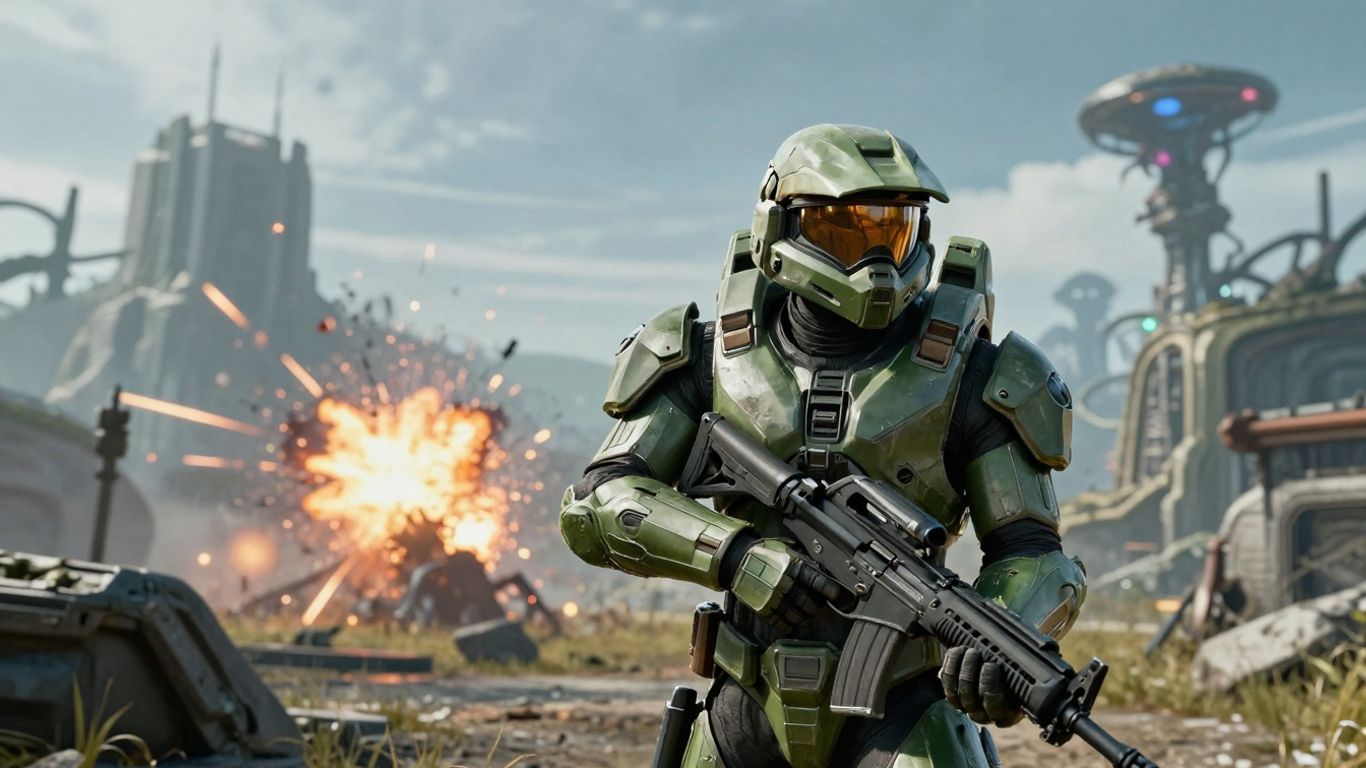
When Halo 2 dropped in 2004, it wasn’t just a game; it was a cultural event. Building on the solid foundation of its predecessor, Bungie took the Master Chief’s story and expanded it in ways that felt both familiar and groundbreaking. The campaign continued the fight against the Covenant, introducing new characters and perspectives, most notably the Arbiter, a Covenant Elite forced to question his own people’s motives. This dual narrative approach added a surprising depth to the conflict, showing the war from both sides.
But where Halo 2 truly cemented its legacy was in its multiplayer. The introduction of Xbox Live matchmaking revolutionized online console gaming. Suddenly, players could easily find and compete against others worldwide, transforming the living room into a global battlefield. The maps were designed with this in mind, offering intricate layouts that supported both intense firefights and strategic team play. The addition of new weapons and vehicles only added to the mayhem.
Here’s a look at some of the key additions:
- New Playable Character: The Arbiter offered a fresh perspective on the Halo universe.
- Expanded Arsenal: New weapons like the Battle Rifle and Carbine provided more tactical options.
- Vehicle Variety: The return of the Warthog and introduction of the Ghost and Banshee increased combat mobility.
- Dual-Wielding: A fan-favorite mechanic allowing players to wield two weapons simultaneously.
Halo 2’s impact on online gaming cannot be overstated. It set a new standard for what console multiplayer could be, paving the way for countless games that followed. Its robust matchmaking system and addictive gameplay loop kept players hooked for years.
The game’s graphics, while dated by today’s standards, were impressive for their time, pushing the Xbox hardware to its limits. The sound design, from the iconic music to the distinct weapon effects, also contributed significantly to the immersive experience. Halo 2 wasn’t just a sequel; it was a statement about the future of gaming.
3. The Simpsons: Hit and Run
Released in 2004, The Simpsons: Hit and Run offered players a chance to explore the iconic town of Springfield in a way that felt both familiar and fresh. This action-adventure game masterfully blended the humor and characters of the beloved animated series with open-world gameplay, allowing fans to step directly into the shoes of Homer, Bart, Lisa, and Marge.
The game’s structure involved a series of missions that often parodied classic Simpsons episodes, from alien encounters to political campaigns. What truly set it apart, however, was the sheer joy of simply driving around Springfield. The developers packed the game world with countless references and visual gags that would make any long-time viewer chuckle. The variety of vehicles available, from the mundane to the absurdly specific like the Book Burning Mobile, was a particular highlight, letting players cruise through familiar streets in unique rides.
Here’s a look at some of the playable characters and their unique abilities:
- Homer Simpson: Known for his strength and ability to use donuts as a temporary shield.
- Bart Simpson: Agile and adept at using his slingshot for ranged attacks.
- Lisa Simpson: Utilizes her saxophone for sonic attacks and has a knack for solving puzzles.
- Marge Simpson: While less combat-focused, she can use her hairspray for crowd control.
Beyond the main story, Hit and Run encouraged exploration and side activities. Collecting bonus items, participating in races, and discovering hidden secrets added significant replayability. The game successfully captured the spirit of The Simpsons during its golden era, making it a standout title for fans of the show and open-world games alike.
While the gameplay loop was engaging and the humor on point, some players found the game to be a bit on the easier side, with missions rarely posing a significant challenge. Despite this, its charm and faithful recreation of Springfield made it an instant classic for many.
4. Jak 3
The Jak and Daxter series took a significant turn with its third installment, Jak 3. This game really pushed the boundaries of what players expected from the franchise, moving away from the more lighthearted tone of its predecessors and diving into a much darker, more mature narrative. You’re thrown into a harsh desert wasteland, and the stakes feel higher than ever.
One of the biggest changes was the introduction of new gameplay mechanics that really opened up the world. Driving was a huge part of this, with souped-up, customizable vehicles becoming essential for traversing the vast, arid landscapes. Combat also got a serious upgrade, with Jak gaining new Dark and Light powers that allowed for more strategic and visually impressive fighting.
- New Powers: Jak’s ability to switch between Dark and Light eco powers offered distinct combat advantages and puzzle-solving opportunities.
- Vehicle Combat: The introduction of hovercrafts and other vehicles added a new dimension to exploration and combat.
- Vast Open World: The desert environments were expansive, filled with secrets, side missions, and challenging enemies.
- Character Development: The story explored Jak’s origins and his role in the ongoing conflict, adding significant depth to his character.
Jak 3 is often remembered for its ambitious scope and its willingness to evolve the series’ gameplay. The game managed to balance its more serious themes with the signature platforming and action that fans had come to expect, making for a memorable conclusion to the original trilogy. It wasn’t just about jumping and collecting; it was about survival, destiny, and the choices that shape a hero.
The shift in tone and the introduction of new gameplay elements, particularly the vehicle combat and the expanded use of Jak’s eco powers, made Jak 3 stand out. It offered a more challenging and mature experience compared to its predecessors, solidifying its place as a significant title in the PlayStation 2 library.
5. Ratchet And Clank: Up Your Arsenal
Released in 2004, Ratchet & Clank: Up Your Arsenal continued the beloved platforming adventures of the Lombax and his robotic sidekick. This installment really hit its stride, offering a more refined experience than its predecessors. The game brought back familiar gameplay elements like weapon upgrades and bolt collecting, but also introduced new mechanics and a wider variety of planets to explore.
One of the standout features was the introduction of cooperative gameplay, allowing players to team up as Ratchet and Clank. This added a fresh dynamic to the combat and puzzle-solving. The story also expanded, bringing in new characters and a more involved plot that kept players engaged.
Ratchet & Clank: Up Your Arsenal is often remembered for its:
- Vast arsenal of creative and upgradeable weapons: From the classic Combustor to the new Annihilator, each weapon felt distinct and fun to use.
- Engaging level design: The game featured a good mix of platforming challenges, combat arenas, and exploration opportunities.
- Humorous writing and memorable characters: The witty dialogue and charming personalities of Ratchet, Clank, and the supporting cast were a major draw.
The game managed to balance its action-packed moments with its signature humor and charm, making it a truly enjoyable experience for fans of the series and newcomers alike. It felt like a significant step forward for the franchise.
With its polished gameplay, expanded features, and solid narrative, Up Your Arsenal solidified its place as a fan favorite and a strong entry in the PlayStation 2’s library.
6. Dragon’s Lair 3D
When Dragon’s Lair 3D: Return to the Lair first came out in 2004, it had a lot to live up to. The original Dragon’s Lair arcade game was a huge deal back in the day, known for its amazing animation and challenging quick-time events. The idea of bringing that experience into a 3D world was pretty exciting for a lot of people.
The developers really tried to capture the look and feel of the classic cartoon. They wanted that same animated style, but in a 3D space. And honestly, they did a pretty good job with the visuals. It looked like the cartoon, which was cool.
However, where the game really stumbled was in its controls. Playing it felt a bit clunky, almost like some of those early 3D games from the first PlayStation. It wasn’t the smooth experience people were hoping for. Because of these control issues, many players, myself included, found it hard to get into and ended up putting it down not too long after starting.
It’s a shame because the concept had potential. It felt like a game that could have been something special, but the execution, especially with how you moved and interacted with the world, just wasn’t quite there. Hopefully, future attempts at games like this can nail the gameplay to go along with the visuals.
Here’s a quick look at what players might have experienced:
- Visuals: Aimed to replicate the animated style of the original arcade game.
- Gameplay: Featured 3D exploration and action sequences.
- Controls: Often cited as a weak point, leading to a less-than-smooth experience.
- Legacy: A bold attempt to translate a 2D animated classic into a 3D interactive format.
7. The Legend of Zelda: Four Swords Adventures
Released in 2004 for the GameCube, The Legend of Zelda: Four Swords Adventures offered a different take on the classic Zelda formula. Instead of a grand solo adventure, this title focused on cooperative multiplayer, allowing up to four players to control different colored Links. The game’s structure involved navigating through a series of levels, solving puzzles, and battling enemies as a team.
The core gameplay loop revolved around teamwork and coordination, a significant departure from the series’ usual emphasis on a lone hero. Players had to work together to overcome obstacles, with the ability to form a "Link Caravan" to move faster or split up to tackle different challenges. This multiplayer focus was a novel idea for the Zelda series, though it also meant that the single-player experience felt somewhat less impactful to some players.
The game presented a top-down perspective, reminiscent of earlier Zelda titles like A Link to the Past. Each level was designed with cooperative play in mind, often requiring multiple Links to activate switches or defeat specific enemies. The story involved Vaati, a recurring villain in the Zelda universe, who had captured Princess Zelda and was causing chaos across Hyrule. Link, aided by the magical Four Sword, had to gather the Force Gems and defeat Vaati.
While the multiplayer aspect was its main draw, Four Swords Adventures also included a competitive "Shadow Battle" mode, adding another layer of replayability. However, the game’s reliance on the Game Boy Advance link cable system for multiplayer could be a barrier for some.
Four Swords Adventures stands out as a unique experiment within the Zelda franchise. Its focus on shared gameplay and its distinct level-based structure set it apart from the more traditional open-world adventures the series is known for. While not every player connected with its multiplayer-centric design, it provided a fresh and engaging experience for those who could gather friends.
8. The Sims 2: Castaway
In 2004, Maxis took the life simulation we all knew and loved and dropped it onto a deserted island with The Sims 2: Castaway. This wasn’t your typical Sims experience; instead of managing careers and social lives in suburbia, players were tasked with surviving and thriving in a wild, untamed environment. The game shifted the focus from everyday routines to resource management, crafting, and exploration, offering a fresh take on the familiar formula.
Players found themselves shipwrecked and alone, needing to gather resources like wood, food, and water to build shelter, craft tools, and eventually, find a way back home. The island itself was a character, presenting challenges and opportunities. Different areas offered unique resources, and the changing weather patterns added another layer of complexity to survival.
The Sims 2: Castaway introduced several new gameplay mechanics:
- Resource Gathering: Players had to actively search for food, water, and materials to craft items.
- Crafting System: A robust system allowed Sims to create tools, furniture, and other useful objects from gathered resources.
- Exploration: Discovering new areas of the island, including hidden coves and ancient ruins, was key to progression.
- Survival Needs: Managing hunger, thirst, energy, and hygiene became paramount.
The core loop involved exploring, gathering, crafting, and building, all while keeping your Sim alive and relatively happy. It was a departure from the urban sprawl of the main Sims 2 games, providing a more focused and challenging experience. While it might not have had the same breadth of social interaction as its predecessors, Castaway offered a compelling adventure for those who enjoyed a good survival challenge with a familiar, charming aesthetic.
9. Final Fantasy I&II: Dawn of Souls
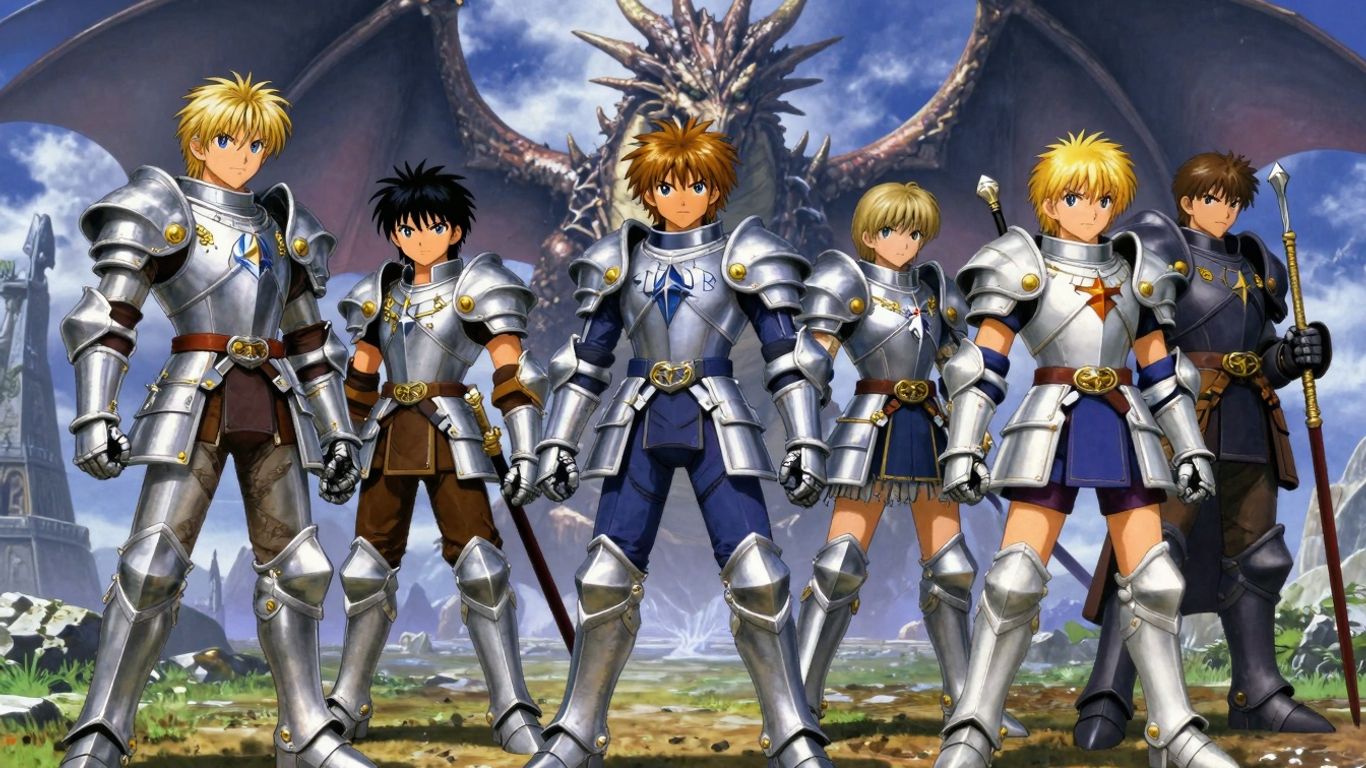
Released for the Game Boy Advance in 2004, Final Fantasy I&II: Dawn of Souls brought two foundational entries of the beloved RPG series to a new generation of players. This collection served as a fantastic way to experience the origins of the Final Fantasy saga, offering updated graphics and some quality-of-life improvements over their original releases. For many, this was their first introduction to the classic turn-based combat and intricate storytelling that would define the franchise.
This compilation includes:
- Final Fantasy I: The game that started it all. Players assemble a party of four heroes to restore balance to the world by defeating the four elemental fiends and the forces of chaos. It’s a pure, classic RPG experience.
- Final Fantasy II: This entry introduced a more complex narrative and a unique character progression system where stats improve based on actions taken in battle, rather than traditional leveling.
The Dawn of Souls version of Final Fantasy I is particularly noteworthy for its faithful yet refined presentation. It captures the spirit of the original while making it more accessible for modern players.
While Final Fantasy II in this collection was a welcome addition, some players found its unconventional leveling system a bit less intuitive compared to its predecessor. Nevertheless, Dawn of Souls stands as a significant release, offering a substantial amount of gameplay and a deep dive into the roots of one of gaming’s most enduring franchises.
10. Mario & Luigi: Superstar Saga
Released in 2004 for the Game Boy Advance, Mario & Luigi: Superstar Saga brought a fresh perspective to the Mario universe. This title wasn’t just another platformer; it blended role-playing game elements with the series’ signature charm and humor. The game introduced a unique "Bros. Move" system, requiring players to time button presses for special attacks and defensive maneuvers, adding a layer of interactive depth to combat.
Players controlled both Mario and Luigi, often working together to solve puzzles and overcome obstacles. The story saw the brothers traveling to the Beanbean Kingdom to retrieve Princess Peach’s stolen voice, encountering a host of quirky characters and engaging in lighthearted adventures. The visual style was vibrant and expressive, a hallmark of Nintendo’s portable offerings.
Key features of Mario & Luigi: Superstar Saga included:
- Bros. Moves: Special cooperative attacks that required precise timing for maximum effect.
- Exploration: A colorful world filled with secrets, side quests, and engaging characters.
- Humorous Narrative: A story filled with witty dialogue and memorable moments.
The game successfully combined the accessible gameplay Mario fans expected with engaging RPG mechanics, making it a standout title for the Game Boy Advance. Its innovative approach to combat and exploration set a high bar for future entries in the series.
Looking Back at 2004
As we wrap up our look at the games that defined 2004, it’s clear this was a year with a lot to offer players. From groundbreaking titles that pushed the boundaries of what games could be, to smaller, charming experiences that captured our hearts, 2004 provided a diverse landscape for gamers. Whether you were drawn to epic adventures, competitive multiplayer, or engaging stories, the games released this year left a lasting mark on the industry. It’s a reminder that even nearly two decades later, these classics still hold up and are well worth revisiting for anyone looking to experience some of gaming’s finest moments.
Frequently Asked Questions
What made 2004 such a great year for video games?
2004 was a fantastic year for games because many consoles were hitting their stride, and developers were creating really creative and fun experiences. From epic adventures to exciting action games, there was something for everyone.
Why is Metal Gear Solid 3: Snake Eater considered a top game from 2004?
Metal Gear Solid 3: Snake Eater is often called one of the best because it told an amazing story, had super cool stealth gameplay, and looked great. It was a huge hit and is still loved by many players today.
How did Halo 2 stand out in 2004?
Halo 2 was a massive deal, especially for online gaming. It had a thrilling story, awesome shooting action, and really pushed what multiplayer gaming could be on consoles, making it super popular.
What was special about The Simpsons: Hit and Run?
The Simpsons: Hit and Run was a blast because it let players explore Springfield and cause chaos like their favorite characters. It mixed driving, fighting, and humor in a way that fans of the show absolutely loved.
Were there any games from 2004 that were surprisingly good or overlooked?
Some games might not have gotten as much attention but were still great. For example, games like Jak 3 and Ratchet & Clank: Up Your Arsenal offered unique adventures and fun gameplay that many players enjoyed.
Did any older game styles make a comeback in 2004?
Yes, 2004 saw some great takes on classic styles. Final Fantasy I&II: Dawn of Souls brought classic RPGs to a new audience, and Mario & Luigi: Superstar Saga offered a charming take on turn-based battles.