For 5,000 years, games have mirrored human progress, from ancient divination boards and royal strategy games to arcades, consoles, mobile apps, and virtual realities. As technology advanced, so did the way we played, learned, and connected.
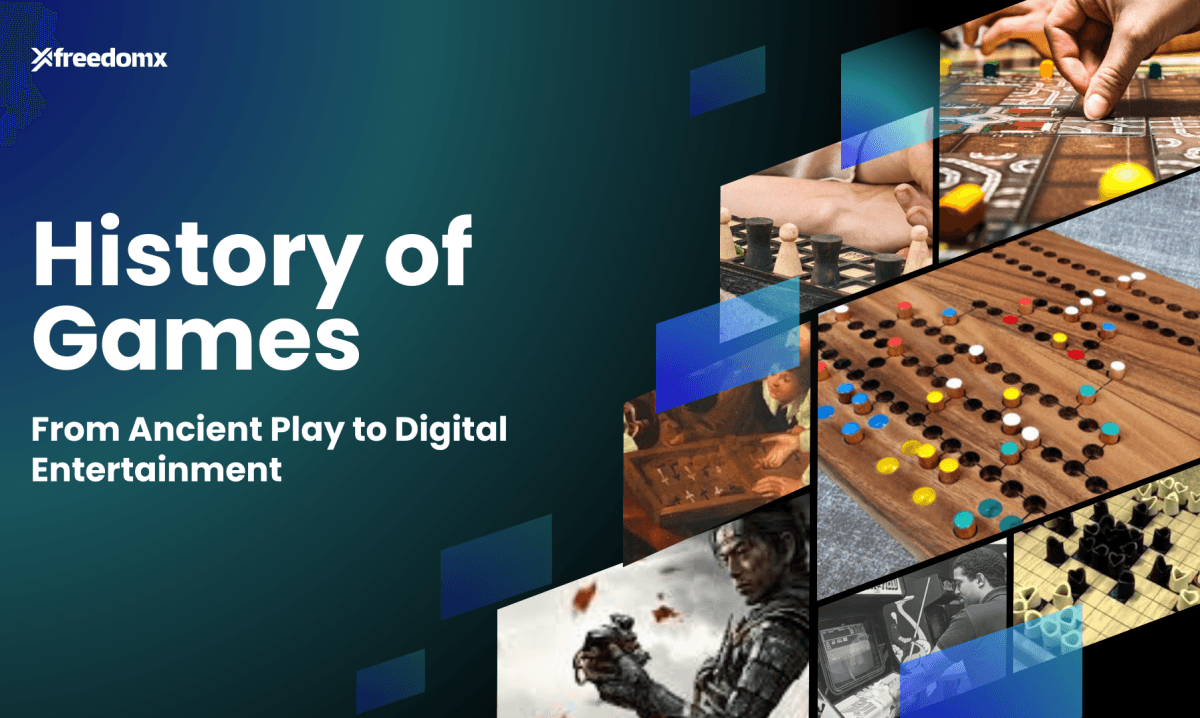
Games have been an integral part of human culture for thousands of years, providing entertainment, education, social bonding, and even serving as tools for strategy and power.
The evolution of games, from ancient dice games to today’s digital entertainment, reflects the dynamic changes in society, culture, and technology. Games are more than just play; they are mirrors of human history, expressions of creativity, and reflections of the values and technologies of their time.
Ancient games: Origins in pre-history
The origins of games trace back to prehistory, with evidence suggesting that they have existed for at least 5,000 years. Early games were often based on simple tools such as bones, stones, and shells, and were likely used for both recreational and ritualistic purposes.
Early dice, likely made from talus bones, are among the oldest gaming tools ever discovered, dating back to the prehistoric period. These bones were often used not only for games but also for divinatory and oracular purposes, suggesting a deep connection between games and spiritual beliefs.
While the tools may have been simple, the concepts behind early games were sophisticated, often rooted in the need for social interaction, learning, and the development of strategy. These early games laid the foundation for more complex gaming systems and were the precursors to the formalised games of later civilisations.
The role of games in ancient civilisations
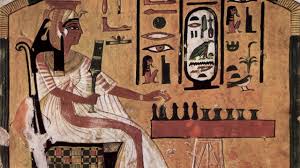
Games became more formalised and culturally significant in ancient civilisations. In Egypt, for example, the game of Senet, which dates back to around 3500 BC, is one of the oldest known board games. Played by the elite and the common people alike, Senet was a race game, with pieces moved across a board based on the throw of sticks or bones.
The game was imbued with religious significance, symbolising the journey of the soul through the afterlife. The squares on the board had distinct religious meanings, with the final square associated with the union of the soul and the sun god Re-Horakhty. Thus, Senet was not merely entertainment but a reflection of Egyptian religious beliefs and views on the afterlife.
In the Near East, another early game, The Royal Game of Ur, was played between 2600 and 2400 BC. The game was a race involving pawns on a beautifully decorated board, played with knucklebone dice. Like Senet, The Royal Game of Ur had deeper meanings beyond entertainment.
It was associated with fortune-telling and divination, showing the connection between games and predicting future events in ancient cultures. The game was also popular among the lower classes, as evidenced by graffiti versions of the game found in archaeological sites.
As these games spread across ancient civilisations, they began to take on broader roles, reflecting the social, religious, and intellectual concerns of their time. The development of board games like Shatranj (a predecessor of modern chess) and Weiqí (known in the West as Go) was particularly significant.
These games were seen as intellectual pursuits, used by the political and military elite to train the mind and develop strategic thinking.
The middle ages: The rise of strategic thinking
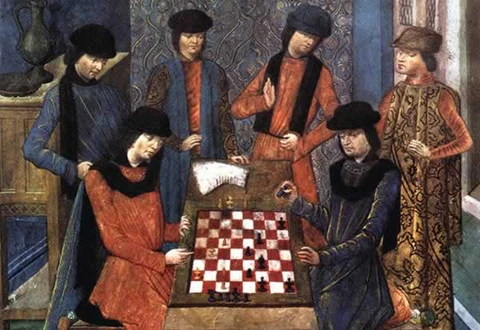
During the Middle Ages, games continued to evolve, particularly in their role as tools for strategy and mental training. Shatranj spread across the Islamic world following the Arab conquest of Persia in the 7th century. The game was highly popular in courts and became a symbol of intellectual prowess.
As with chess in Europe, Shatranj was not merely a pastime; it was a way of developing strategic thinking, much needed for military leaders and politicians.
In Europe, the development of board games like Latrunculi (a Roman strategy game) and the increasing popularity of chess reflected the growing interest in intellectual pursuits.
Chess, in particular, became associated with the ruling classes and was considered a game that developed strategic thinking, a quality highly prized by political and military leaders.
Moreover, the popularity of games during the Middle Ages extended beyond strategy and intellectual exercise. Games like Tafl, a Norse strategy game, were also played to simulate battle scenarios, allowing warriors to practice tactics and strategy in a safe environment. These games served as training tools, preparing people for the physical and strategic demands of warfare.
The renaissance: Games as cultural tools
During the Renaissance, games continued to reflect the values and beliefs of society. Intellectual and social life flourished during this period, and games were often used to teach moral lessons or reflect social hierarchies.
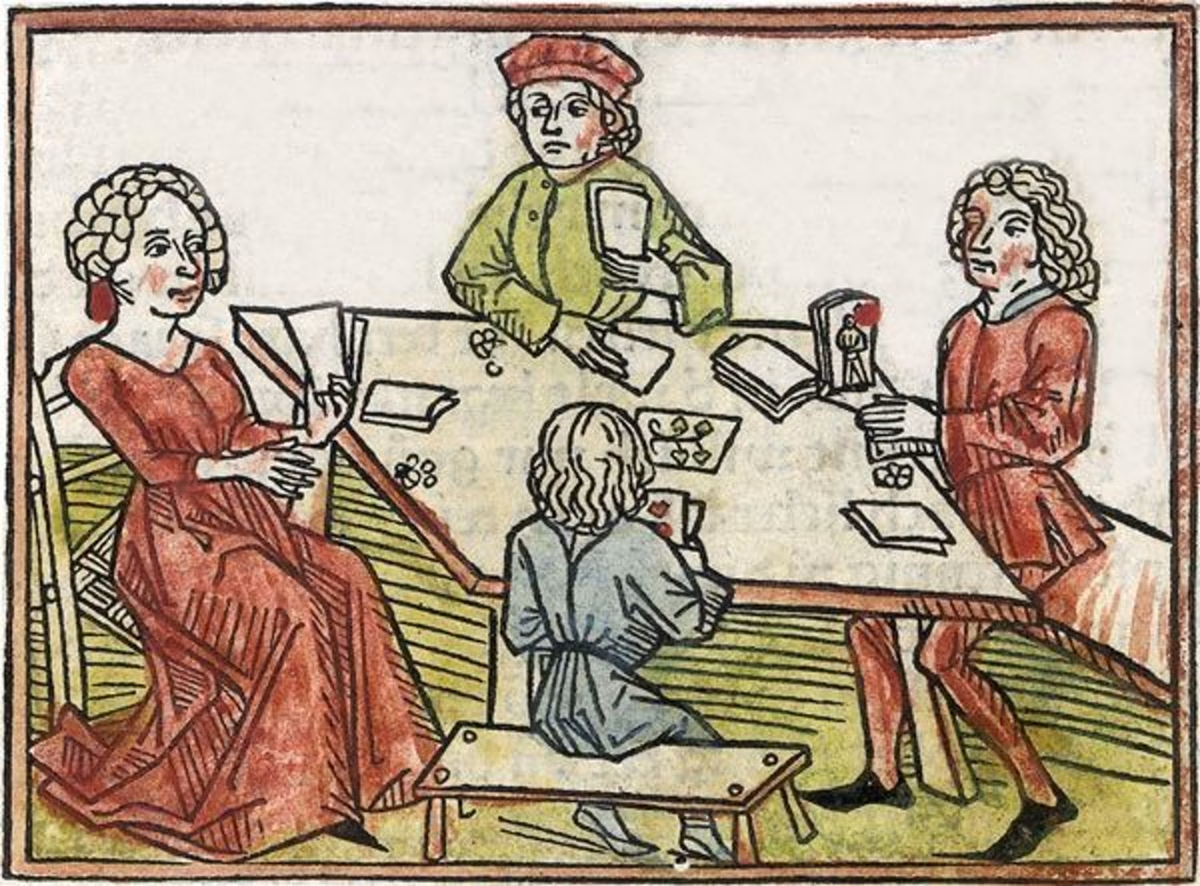
Card games were introduced to Europe in the 14th century, likely through trade with the Mamluks of Egypt. These early card games were symbolic of the societal classes, with the suits representing different branches of the social order. Over time, card games became more refined and formalised.
Tarot cards, which originated in Italy, were initially used as playing cards but soon took on symbolic meanings and were used for divination. The symbolism of the tarot deck grew, and it became intertwined with Renaissance ideas of fate, morality, and the mysteries of the universe.
In this period, chess became the game of intellectuals and rulers. The game was associated with strategy, power, and diplomacy. Kings and nobles played chess not only for enjoyment but also as a way of sharpening their strategic thinking. The development of chess theory during this period further emphasised its importance as a game of intellect and skill.
The industrial revolution: Mass production and the commercialisation of games
The Industrial Revolution, which began in the late 18th century, fundamentally changed the production and consumption of games. With the advent of mass production techniques, board games and card games became widely accessible.
No longer limited to the elite, games were now available to the general public. This democratisation of games marked the beginning of their commercialisation.
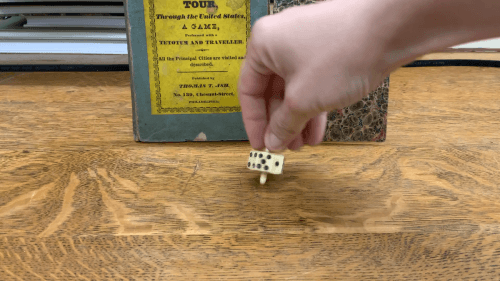
One of the first commercial board games in the United States was Traveller’s Tour Through the United States, released in 1822. It marked the beginning of a long tradition of commercially successful games, culminating in the release of Monopoly in the early 20th century. These games, designed to be played at home, represented a shift in the function of games from elite pastimes to mass entertainment.
The rise of roulette, penny arcades, and other forms of gambling also emerged during this period. As games became more commercially viable, the gambling industry saw significant growth, particularly in Europe and the United States. Early games of chance, like roulette, provided new ways of engaging with risk and reward, adding a new layer to the concept of gaming.
The 20th century: The birth of video games and electronic play
The 20th century brought unprecedented changes to the world of gaming. The invention of computers and the advent of electronics opened new frontiers for games. The first computer game, OXO, created in 1952, marked the beginning of a new era.
Throughout the 1960s and 1970s, more complex games were developed, including Space Invaders (1978) and Pong (1972). These early arcade games, played on video screens, laid the groundwork for the video game industry that would emerge in the following decades.
The golden age of arcade video games began in the late 1970s, with games like Pac-Man, Donkey Kong, and Asteroids becoming cultural phenomena. This era saw the rise of arcades as popular social spaces, where people of all ages gathered to play games. The video game industry began to take shape, with companies like Atari and Nintendo becoming household names.
The home video game console market was also born during this period. The Magnavox Odyssey, released in 1972, was the first commercially successful home video game console. This was followed by the rise of systems like the Commodore 64, Nintendo Entertainment System (NES), and Sega Genesis, which transformed gaming from a niche hobby into a global industry.
The 21st century: Digital revolution, mobile gaming, and new frontiers
As we entered the 21st century, games became even more integrated into everyday life. The proliferation of smartphones and tablets made games accessible to a vast new audience. Mobile gaming, represented by games like Candy Crush Saga and Clash of Clans, has grown into a multi-billion-pound industry, making games more accessible and affordable than ever before.
The development of virtual reality (VR) and augmented reality (AR) has opened up new possibilities for immersive gaming experiences. Games like Pokémon Go and Beat Saber have shown the potential for VR and AR to blend the physical and digital worlds, creating experiences that are both innovative and engaging.
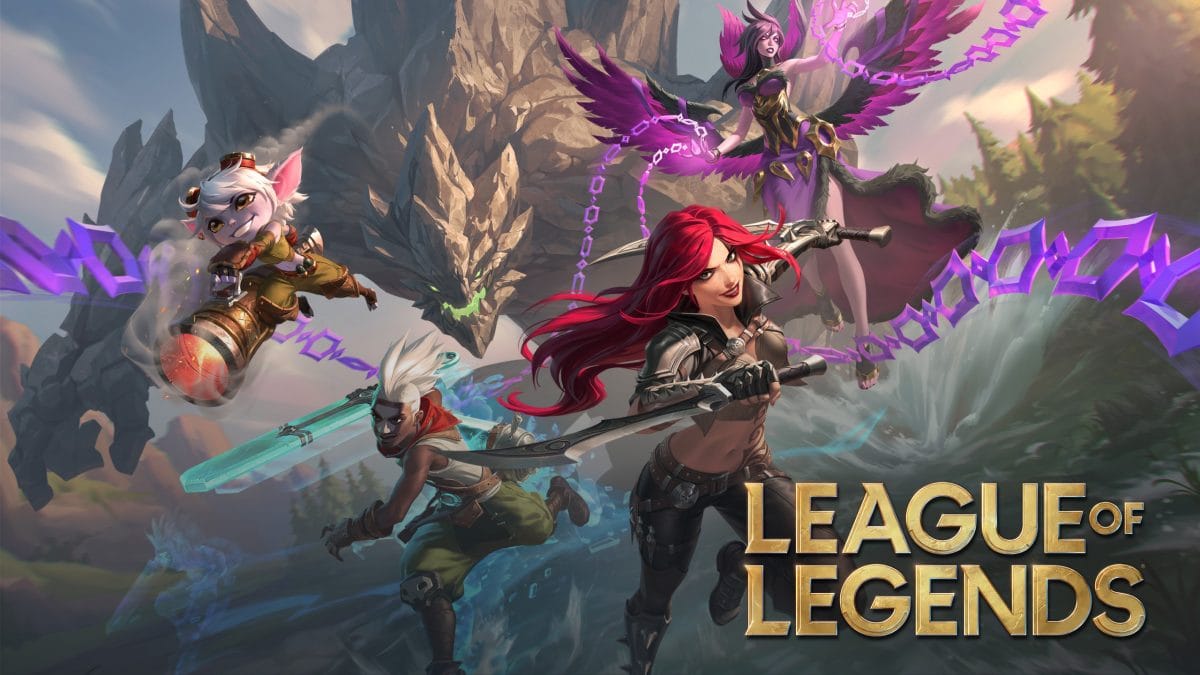
The online gaming revolution has also been a defining feature of the 21st century. Multiplayer games like World of Warcraft, League of Legends, and Fortnite have allowed players from around the world to connect and compete, creating global communities of gamers.
The rise of streaming platforms like Twitch has further amplified the role of games in social interaction, allowing millions to watch live broadcasts of others playing games.
Final thoughts
The history of games is a fascinating reflection of human culture, evolving alongside changes in society, technology, and human relationships. From the simple bone dice of prehistoric times to the complex digital worlds of today, games have been more than just pastimes; they have been tools for learning, socialising, and strategising.
They have reflected the values, beliefs, and fears of the societies in which they were played and have helped shape those societies in turn.
As technology continues to evolve, the future of games holds boundless possibilities. What remains unchanged is the essential role games play in human culture, entertaining, educating, and uniting people across the globe.