The world of gaming has come a long way, from simple beginnings to a global phenomenon. It started with basic electronic games and grew into a massive industry with many different types of experiences. This article will look at the history of gaming, showing how it changed from arcade halls to the big world of esports we see today. It’s a journey filled with new ideas, changing technology, and a growing community that has made gaming a big part of modern culture.
Key Takeaways
- Early electronic games and arcade machines set the stage for competitive play and public gaming spaces.
- The arrival of home consoles and personal computers brought gaming into people’s homes, leading to new types of games and a wider audience.
- The internet changed gaming by connecting players globally, creating online communities and multiplayer experiences.
- Gaming expanded beyond traditional players with mobile games and motion controls, making it more accessible to everyone.
- Esports grew from small tournaments to a large industry with professional leagues and many viewers, showing gaming’s cultural and economic impact.
The Genesis of Gaming: Early Innovations
Pioneering Electronic Games
The story of gaming begins long before today’s consoles and PCs. Early electronic games emerged from university labs and research institutions. Think about it: these weren’t commercial ventures at first, but rather experiments with new technology. One of the earliest examples is Tennis for Two, created in 1958. It was a simple tennis game displayed on an oscilloscope. It might look primitive now, but it was revolutionary at the time. These initial forays laid the groundwork for the gaming industry we know today. It’s amazing to see how far we’ve come from those humble beginnings.
The Dawn of Competitive Play
Competitive gaming wasn’t invented overnight. It evolved alongside the games themselves. As arcade games became more popular, so did the desire to prove who was the best. High score tables became a battleground, a public display of skill and dedication. The digital art of chasing high scores became a popular activity. Early examples of organised competition include events centred around games like Space Invaders. These events, though small by today’s standards, were crucial in establishing the idea of gaming as a competitive activity. They showed that gaming could be more than just a solitary pastime; it could be a spectator sport.
Early Arcade Machines
Arcade machines were the original gaming consoles. They were big, loud, and drew crowds. Games like Pac-Man, Space Invaders, and Donkey Kong became cultural phenomena. These machines weren’t just about playing games; they were about the experience. The flashing lights, the sounds, the social atmosphere – it all contributed to their appeal.
Arcades became social hubs, places where people could gather, compete, and share their love of gaming. They were a breeding ground for gaming culture, shaping the way we think about and interact with games even today. The arcade snake game Hustle had marketing stunts to promote their game.
Here’s a quick look at some of the early arcade games and their release years:
| Game | Year |
|---|---|
| Tennis for Two | 1958 |
| Space Invaders | 1978 |
| Pac-Man | 1980 |
The Golden Age of Arcades
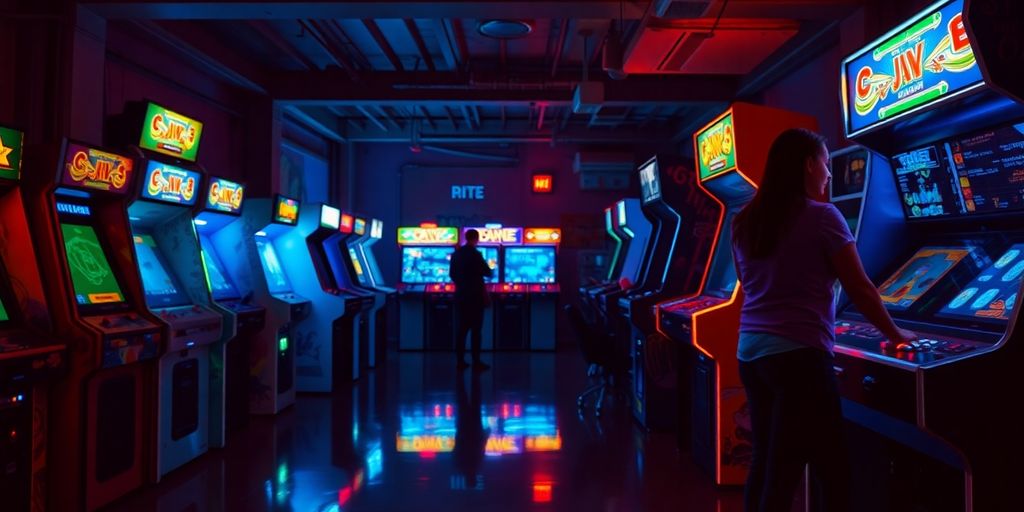
The late 1970s and early 1980s witnessed the explosion of arcade gaming, a period often referred to as the “golden age”. Arcades became cultural hotspots, attracting people of all ages and backgrounds. It was a time of innovation, competition, and the birth of iconic games that continue to influence the industry today.
Cultural Phenomenon and Community Hubs
Arcades were more than just places to play games; they were social hubs. Teenagers would gather after school, families would spend weekends, and friends would challenge each other for high scores. The atmosphere was electric, filled with the sounds of beeping, buzzing, and excited chatter. Arcades provided a sense of community, a place where people could share their passion for gaming and connect with others who shared their interests. In Montreal, places such as “Amusement 2000 Plus” became landmarks.
Iconic Arcade Titles
This era saw the release of some of the most influential and beloved games in history. Space Invaders high score popularised the concept of a persistent high score, encouraging players to compete for bragging rights. Other titles like Pac-Man, Donkey Kong, and Galaga captivated audiences with their simple yet addictive gameplay. These games weren’t just entertainment; they were cultural touchstones that defined a generation.
The Evolution of Arcade Experiences
Arcade technology was constantly evolving, pushing the boundaries of what was possible. From simple black and white vector graphics to colourful raster displays, the visual fidelity of games improved rapidly. New control schemes, such as joysticks and buttons, allowed for more precise and engaging gameplay. The arcade experience was a sensory overload, a feast for the eyes and ears that drew players into the virtual world. Some arcades even held marketing stunts, such as the “Gremlin Girls” promoting the snake game Hustle.
The golden age of arcades was a unique moment in gaming history. It was a time of innovation, community, and pure, unadulterated fun. While technology has moved on, the legacy of the arcades lives on in the games we play today and the memories we cherish.
The Rise of Home Consoles and Personal Computers
The shift from arcades to home gaming marked a significant change in how people engaged with video games. No longer confined to public spaces, gaming found its way into the living rooms of millions, sparking a new era of innovation and accessibility. This period saw the rise of console generations and the establishment of PC gaming as a major force in the industry.
Bringing Gaming into the Living Room
The introduction of home consoles like the Atari 2600 and the Nintendo Entertainment System (NES) democratised gaming. Suddenly, playing video games didn’t require a trip to the local arcade; it could be done from the comfort of one’s own home. This accessibility led to a massive expansion of the gaming audience, attracting players of all ages and backgrounds. The focus shifted from short, score-based arcade experiences to longer, more narrative-driven games designed for home play. This transition also fostered a sense of community, as families and friends gathered to play together, sharing tips and strategies.
The Emergence of Console Generations
The console market quickly evolved, with each new generation bringing significant advancements in graphics, processing power, and game design. The console wars between companies like Nintendo, Sega, and later Sony and Microsoft, drove innovation and competition, resulting in a diverse range of gaming experiences. Each generation introduced iconic consoles and games that defined their era, shaping the gaming landscape for years to come. For example, the SNES brought enhanced graphics and sound, while the PlayStation introduced CD-ROM technology and 3D gaming to the masses.
PC Gaming’s Foundational Role
While consoles dominated the mainstream market, PC gaming carved out its own niche, offering a different kind of gaming experience. PCs provided greater flexibility and customisation options, attracting a more technically inclined audience. Early PC games often pushed the boundaries of technology, showcasing cutting-edge graphics and complex gameplay mechanics. The PC also played a crucial role in the development of online gaming, with early multiplayer titles like Netrek paving the way for future online communities. The rise of PC gaming also fostered a culture of modding and user-generated content, allowing players to create and share their own games and modifications.
The rise of home consoles and PCs not only changed how games were played but also who played them. Gaming became a more accessible and social activity, fostering communities and shaping popular culture. This era laid the foundation for the modern gaming industry, setting the stage for the online revolution and the rise of esports.
The Internet Revolution and Online Gaming
The late 20th century saw a monumental shift in gaming, largely thanks to the rise of the internet. No longer were gamers confined to their living rooms or local arcades. The internet opened up a world of possibilities, connecting players across vast distances and paving the way for entirely new gaming experiences.
Connecting Players Globally
Before the internet, multiplayer gaming was limited to local networks or split-screen play. The arrival of the internet changed everything. Suddenly, players could connect with others from around the globe, fostering a sense of community that transcended geographical boundaries. Games like Netrek, one of the earliest Internet games, allowed up to 16 players to compete simultaneously, showcasing the potential of online connectivity. This global connection not only expanded the player base but also introduced diverse perspectives and playstyles, enriching the overall gaming experience.
The Birth of Multiplayer Experiences
The internet facilitated the creation of massively multiplayer online games (MMOs) and other online multiplayer experiences. Titles such as Quake, Counter-Strike, and World of Warcraft became cultural phenomena, drawing in millions of players worldwide. These games offered persistent worlds, complex social structures, and endless opportunities for collaboration and competition. The rise of online multiplayer gaming also led to the development of new game genres and mechanics, tailored specifically for the online environment.
Early Online Communities
Online gaming wasn’t just about playing games; it was about building communities. Players formed clans, guilds, and other groups, creating social bonds that extended beyond the virtual world. These communities provided a space for players to share knowledge, strategies, and experiences. They also fostered a sense of belonging and camaraderie, transforming gaming from a solitary activity into a social one. Early platforms like QuakeNet and Battle.net played a crucial role in connecting players and facilitating the growth of these online communities.
The impact of the internet on gaming cannot be overstated. It revolutionised the way games were played, the way players interacted, and the very nature of the gaming experience itself. The internet laid the foundation for the modern gaming landscape, paving the way for esports, streaming, and the interconnected world of gaming we know today.
The Evolution of Game Genres and Design
Innovation in Gameplay Mechanics
Video game design has seen a dramatic shift over the decades. Early games were limited by technology, focusing on simple objectives and straightforward controls. Think Pong or Space Invaders. As technology advanced, so did the complexity of gameplay. We saw the introduction of intricate control schemes, physics engines, and AI opponents that could challenge players in new and exciting ways.
- The introduction of analogue controls allowed for more precise movement.
- Physics engines enabled realistic interactions within game worlds.
- AI advancements led to smarter and more adaptive enemies.
The evolution of gameplay mechanics isn’t just about adding complexity. It’s about finding new ways to engage players and create unique experiences. This involves experimenting with different control schemes, level designs, and objective types to keep things fresh and exciting.
Narrative and Storytelling in Games
Initially, video game narratives were basic, often serving as mere context for the gameplay. Remember saving the princess in Super Mario Bros.? However, as the medium matured, storytelling became a central element. Games started exploring complex themes, character development, and branching narratives. The evolution of game subcultures has also influenced the types of stories told, with developers catering to specific communities and their preferences.
- The use of cutscenes to deliver exposition and character development.
- Branching narratives that allow players to make choices that impact the story.
- The integration of environmental storytelling to create immersive worlds.
Related Content: super mario rpg remake
Technological Advancements in Graphics and Sound
From the blocky pixels and simple sound effects of early arcade games to the photorealistic graphics and immersive audio of modern titles, technological advancements have revolutionised the gaming experience. The move from 2D to 3D graphics was a major turning point, allowing for more detailed and realistic environments.
| Feature | Early Games | Modern Games |
|---|---|---|
| Graphics | 2D, Pixelated | 3D, Photorealistic |
| Sound | Simple Beeps | Orchestral Scores |
| Visual Effects | Limited | Advanced Shaders |
The Expansion of Casual Gaming
Casual gaming really took off in the mid-2000s. While hardcore gaming communities were growing, something else was happening. Suddenly, gaming wasn’t just for the dedicated few; it was becoming mainstream. This shift was driven by a couple of key factors that made gaming more accessible and appealing to a broader audience.
Nintendo Wii and Motion Controls
The Nintendo Wii, launched in 2006, was a game-changer. Its motion controls were intuitive, and the games were family-friendly. This combination attracted people who had never considered themselves gamers before. Titles like Wii Sports became cultural sensations, turning living rooms into virtual bowling alleys and tennis courts. The Wii’s success demonstrated that gaming could be a social, active, and fun experience for everyone, regardless of their skill level or prior experience. It really did bring gaming to a wider audience.
The Mobile Gaming Boom
Around the same time, smartphones were becoming more common. This led to a boom in mobile gaming. Games like Angry Birds and Candy Crush Saga became global hits, reaching millions of players. The accessibility and convenience of mobile games, combined with the free-to-play model, significantly expanded the gaming population. You could play on the bus, during your lunch break, or while waiting in line. Mobile gaming made it easier than ever to pick up and play, no matter where you were.
Accessibility and New Demographics
The rise of casual gaming had a big impact on the gaming landscape. It brought in new demographics, including women, older adults, and people who simply didn’t have the time or inclination for hardcore gaming. This expansion forced the industry to rethink its approach, creating games that were easier to learn, shorter to play, and more inclusive in terms of themes and characters. The industry had to adapt to the changing tastes and preferences of this new audience. It wasn’t just about complex storylines and challenging gameplay anymore; it was about fun, accessibility, and social interaction.
The expansion of casual gaming broadened the appeal of video games, making them a mainstream form of entertainment. This shift not only changed the demographics of gamers but also influenced the types of games being developed and the way they were marketed. The industry had to adapt to cater to a more diverse audience with varying levels of experience and commitment.
The Birth and Growth of Esports
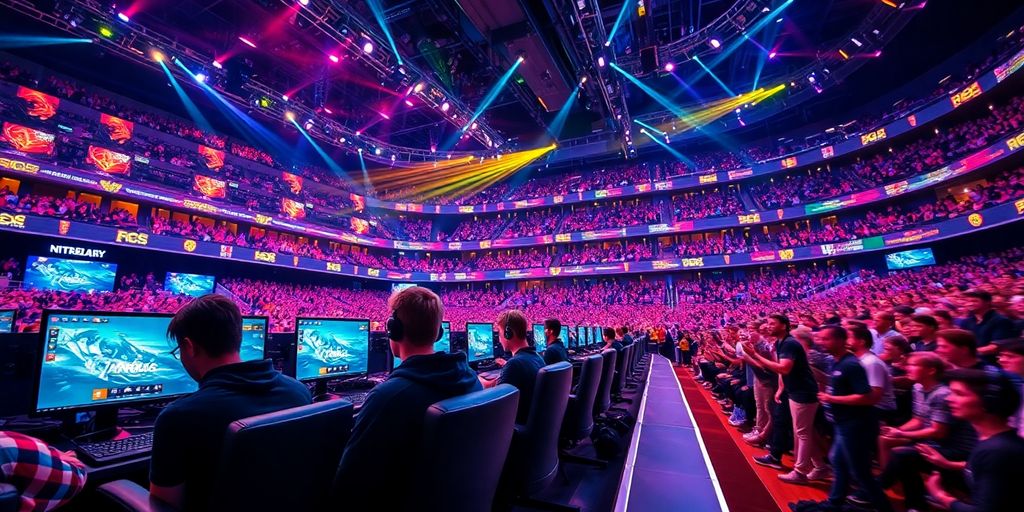
Esports, or electronic sports, has exploded from a niche hobby into a global phenomenon. It’s a wild ride to see how far competitive gaming has come. What started as small gatherings of enthusiasts has morphed into massive tournaments with huge prize pools and millions of viewers. The rise of online streaming and professional leagues has been instrumental in this transformation.
From Tournaments to Professional Leagues
Early esports tournaments were pretty basic, often organised through word of mouth or in local arcades. The late 90s saw the emergence of more structured leagues, like the Cyberathlete Professional League, which brought increased corporate sponsorship and a wider audience. This was a game changer. Now, professional leagues are common, with teams and players competing for serious money and recognition. Players often vie to be placed through qualification matches before entering the tournament. From there, the tournament formats can vary from single or double elimination, sometimes hybridised with group stages.
Key Titles in Competitive Gaming
Certain games have become synonymous with esports. Games like League of Legends, Dota 2, Counter-Strike, and Overwatch consistently draw huge crowds and offer lucrative opportunities for professional gamers. These titles require a high level of skill, strategy, and teamwork, making them compelling to watch and play. The most common video game genres associated with esports are multiplayer online battle arena (MOBA), first-person shooter (FPS), fighting games, card, battle royales, and real-time strategy (RTS) games.
The Global Phenomenon of Esports
Esports’ popularity isn’t limited to one region; it’s a global phenomenon. While it first gained traction in East Asia, particularly in China and South Korea, Europe and the Americas have also embraced competitive gaming. The rise of online streaming services like Twitch and YouTube has allowed fans worldwide to watch tournaments and support their favourite players. The numbers are staggering; during one day of The International, Twitch recorded 4.5 million unique views, with each viewer watching for an average of two hours.
The growth of esports has been nothing short of remarkable. From humble beginnings to multi-million dollar industries, it’s a testament to the passion and dedication of players and fans alike. It’s not just about playing games; it’s about community, competition, and the thrill of watching the best of the best compete on a global stage.
The Business of Gaming: Industry and Economy
The gaming industry has transformed from a niche hobby into a global economic powerhouse. It’s a complex ecosystem involving developers, publishers, distributors, and consumers, all contributing to a multi-billion pound market. Understanding the financial underpinnings and business models is key to appreciating the scale and influence of modern gaming.
Revenue Streams and Market Growth
The gaming industry’s revenue streams are diverse and constantly evolving. Traditionally, sales of physical game copies were the primary source of income. However, the digital revolution has ushered in new models, including digital downloads, microtransactions, subscriptions, and in-game advertising. The rise of free-to-play games, supported by in-app purchases, has significantly expanded the market, attracting a broader audience. Market growth has been exponential, with esports and mobile gaming driving much of the recent surge. The Warby Parker CEOs could probably learn a thing or two from the gaming industry.
- Digital downloads
- Microtransactions
- Subscriptions
- In-game advertising
Game Development and Publishing
Game development is a multifaceted process, requiring teams of programmers, artists, designers, and writers. The cost of developing a AAA title can easily reach tens or even hundreds of millions of pounds. Publishers play a vital role in funding, marketing, and distributing games. They may be independent companies or subsidiaries of larger media conglomerates. The relationship between developers and publishers can vary, with some developers retaining creative control while others work under strict publisher guidelines. Indie game development has also flourished, offering smaller teams the opportunity to create innovative and experimental games without the backing of major publishers.
The Impact of Gaming on Related Industries
The gaming industry’s influence extends far beyond the realm of entertainment. It has a significant impact on related industries, such as hardware manufacturing, software development, and esports. The demand for high-performance PCs and consoles drives innovation in the hardware sector. Game engines and development tools have become increasingly sophisticated, benefiting other areas of software engineering. Esports has spawned a new ecosystem of professional players, leagues, and streaming platforms, creating new job opportunities and revenue streams. The gaming industry also influences popular culture, with games inspiring films, TV shows, and merchandise.
The gaming industry’s economic impact is undeniable. It’s a major driver of technological innovation, a source of employment, and a significant contributor to global GDP. As gaming continues to evolve, its influence on related industries will only grow stronger.
Gaming Culture and Community
The Role of Fandom and Player Engagement
Gaming has moved beyond a simple pastime; it’s a cultural touchstone for millions. The strength of gaming fandoms is a testament to the immersive nature of modern games. Players aren’t just consumers; they’re active participants, shaping narratives and building communities around their favourite titles. This engagement manifests in various forms:
- Fan fiction and art: Players create their own stories and artwork based on game universes.
- Cosplay: Dressing up as characters from games, attending conventions, and sharing creations online.
- Modding: Modders create custom content for existing games, such as new levels, characters or mechanics. This subculture has a rich history, especially in PC gaming, and has given rise to popular mods and even full-fledged indie games.
The passion within these communities drives innovation and keeps the gaming world vibrant. It’s a symbiotic relationship where developers respond to player feedback, and players, in turn, feel a sense of ownership over the games they love. This innovation management is key to the continued evolution of the industry.
Streaming and Content Creation
Platforms like Twitch and YouTube have revolutionised how people engage with games. Streaming has become a legitimate career path, with top streamers earning substantial incomes through subscriptions, donations, and sponsorships. Content creation extends beyond live gameplay, encompassing:
- Walkthroughs and tutorials: Helping players navigate complex games.
- Reviews and critiques: Offering informed opinions on new releases.
- Machinima: Using game engines to create animated films and series.
These creators are more than just entertainers; they’re community leaders, shaping opinions and driving trends. The rise of streaming has also democratised game discovery, allowing smaller indie titles to gain traction through exposure on these platforms. The growth of platforms like Twitch and YouTube further fuelled the expansion of hardcore subcultures. These spaces allowed players to broadcast their games, share strategies and form communities around specific games or genres. Streamers and content creators became influential figures, setting trends and tastes within their respective communities.
Gaming as a Social Experience
Gaming is no longer a solitary activity. Online multiplayer games have created virtual spaces where people can connect, collaborate, and compete. These interactions foster a sense of belonging and shared identity. Consider these aspects:
- Clans and guilds: Organised groups of players who work together to achieve common goals.
- In-game events: Special occasions that bring players together for unique experiences.
- Forums and social media groups: Online spaces for discussion, sharing, and community building.
However, it’s important to acknowledge the challenges. Toxicity and harassment can be prevalent in some online communities. Creating inclusive and welcoming environments is crucial for ensuring that everyone can enjoy gaming as a positive social experience. The arrival of the Internet in the late 90s and early 2000s revolutionised video game subcultures by connecting players from all over the world. Online multiplayer games such as “Quake”, “Counter-Strike” and “World of Warcraft” created new opportunities for social interaction and competition. Gamers could form clans, guilds and other groups, which led to the emergence of more structured and organised communities.
Modern Gaming: Trends and Innovations
Virtual and Augmented Reality
Virtual Reality (VR) and Augmented Reality (AR) are no longer just futuristic concepts; they’re actively shaping modern gaming. VR headsets offer immersive experiences, placing players directly inside game worlds. AR, on the other hand, overlays digital elements onto the real world, creating unique and interactive gameplay scenarios. The development of more affordable and accessible hardware is driving e-learning forward, making VR and AR gaming increasingly popular. However, challenges remain in terms of motion sickness, high hardware costs, and the need for compelling content to sustain long-term interest.
Cloud Gaming and Subscription Models
Cloud gaming represents a significant shift in how games are accessed and played. Instead of requiring powerful local hardware, games are streamed from remote servers, allowing players to enjoy high-end titles on a variety of devices. Subscription models, such as Xbox Game Pass and PlayStation Plus, offer access to a library of games for a monthly fee, providing excellent value and encouraging exploration of different genres. This approach reduces the barrier to entry for many gamers, as they no longer need to purchase individual games or invest in expensive hardware. Cloud gaming still faces challenges related to internet connectivity and latency, but ongoing improvements in infrastructure are steadily addressing these issues.
Indie Game Development
Indie game development has flourished in recent years, thanks to accessible development tools and digital distribution platforms. These independent studios often push creative boundaries, experimenting with innovative gameplay mechanics, unique art styles, and compelling narratives.
- Lower development costs.
- Greater creative freedom.
- Direct engagement with players.
Indie games provide a vital counterpoint to the AAA industry, offering fresh perspectives and experiences that might not otherwise exist. They contribute significantly to the diversity and richness of the gaming landscape.
Indie games have found success, and continue to shape the industry.
The Future of Gaming: Emerging Horizons
Technological Advancements on the Horizon
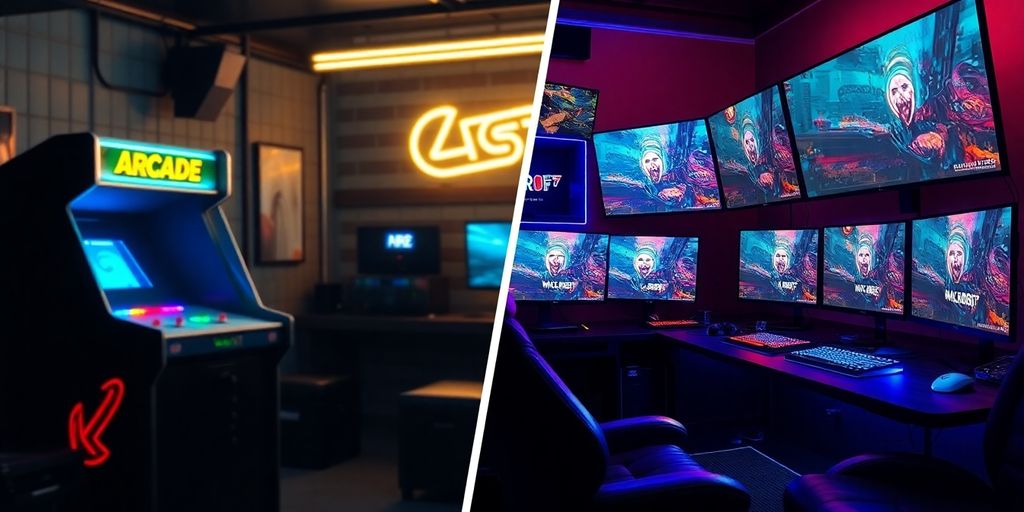
The gaming world is always changing, and the future promises even more exciting developments. We’re on the cusp of seeing some truly transformative technologies reshape how we play and experience games. Think about it: what was science fiction yesterday is becoming reality today.
- Virtual Reality (VR) is set to become more immersive and accessible, offering players unparalleled levels of presence within game worlds. Imagine feeling like you’re actually in the game.
- Augmented Reality (AR) will likely blend digital content with the real world, creating new forms of gameplay that interact with our surroundings. Think Pokémon Go, but on a much grander scale.
- Cloud Gaming is poised to remove hardware limitations, allowing players to stream games to any device with an internet connection. No more expensive consoles or PCs needed!
These advancements aren’t just about better graphics or faster gameplay. They’re about creating entirely new ways to interact with games and with each other. The possibilities are endless, and it’s exciting to think about what the future holds.
The Blurring Lines of Entertainment
The lines between gaming and other forms of entertainment are becoming increasingly blurred. Games are no longer just isolated experiences; they’re becoming integrated into our broader cultural landscape. The travel technology trends are also impacting gaming.
- Interactive Storytelling: Games are evolving into interactive narratives, where player choices directly impact the story’s outcome. This creates a more engaging and personalised experience.
- Cross-Media Integration: We’re seeing more games based on films, TV shows, and books, and vice versa. This creates a richer and more connected entertainment ecosystem.
- Live Events and Performances: Games are becoming platforms for live events, such as concerts and performances. This brings people together in new and exciting ways.
The growing presence of games in popular culture is undeniable. Games are influencing fashion, music, and even the way we communicate. This integration is creating new opportunities for creativity and innovation.
Societal Impact and Future Directions
Gaming’s impact extends far beyond entertainment. It’s shaping our society in profound ways, and it’s important to consider the ethical and social implications of these changes. The online gaming community is a great example of this.
- Education and Training: Games are being used as tools for education and training, making learning more engaging and effective.
- Social Connection and Community: Games can bring people together, fostering social connections and building communities. However, it’s also important to address issues such as toxicity and exclusion.
- Mental Health and Well-being: Games can have both positive and negative effects on mental health. It’s important to promote responsible gaming habits and to address issues such as addiction and cyberbullying.
As gaming continues to evolve, it’s crucial to consider its societal impact and to ensure that it’s used in a way that benefits everyone. The future of gaming is not just about technology; it’s about creating a more inclusive, engaging, and meaningful experience for all.
Conclusion
So, we’ve looked at how gaming has changed over time. It started with simple arcade games, then moved to home consoles and PCs. Now, we have esports, which is a big deal with lots of viewers and money involved. It’s clear that gaming has come a long way. It keeps changing, too. New technology like virtual reality and cloud gaming is always coming out. This means gaming will probably keep growing and finding new ways to be part of our lives. It’s been quite a journey, and it’s not over yet.
Frequently Asked Questions
What were the very first electronic games like?
The earliest forms of electronic gaming emerged in the mid-20th century, with simple games developed on large computers. These initial creations laid the groundwork for the more complex video games we see today.
When was the ‘Golden Age’ of arcade gaming, and what made it special?
The ‘Golden Age’ of arcades, primarily in the late 1970s and early 1980s, saw arcades become popular spots for people to gather and play games. Iconic titles like Space Invaders and Pac-Man were central to this period, attracting large crowds.
How did home consoles and PCs change the gaming world?
Home consoles and personal computers brought gaming out of arcades and into people’s homes. This change made games more accessible and allowed for new types of games to be developed, leading to the growth of a global gaming community.
What impact did the internet have on gaming?
The internet made it possible for players to compete and cooperate with others from anywhere in the world. This led to the creation of online multiplayer games and fostered the development of large online communities.
What exactly are esports, and how have they grown?
Esports, or electronic sports, involve organised video game competitions. They have grown from small events into a major global industry with professional players, teams, and large prize pools, attracting millions of viewers.
How important is the gaming industry to the economy?
Gaming has become a significant economic force, generating billions in revenue through game sales, subscriptions, and in-game purchases. It also supports many related industries, including hardware manufacturing and content creation.
What new technologies are shaping the future of gaming?
Virtual Reality (VR) and Augmented Reality (AR) are set to change how we experience games, offering more immersive and interactive worlds. Cloud gaming allows players to stream games without needing powerful hardware, making gaming more accessible.
What does ‘gaming culture’ involve?
Gaming culture includes a wide range of activities, from dedicated fan communities and online streaming to social gatherings centred around games. It provides a way for people to connect, share experiences, and express themselves creatively.