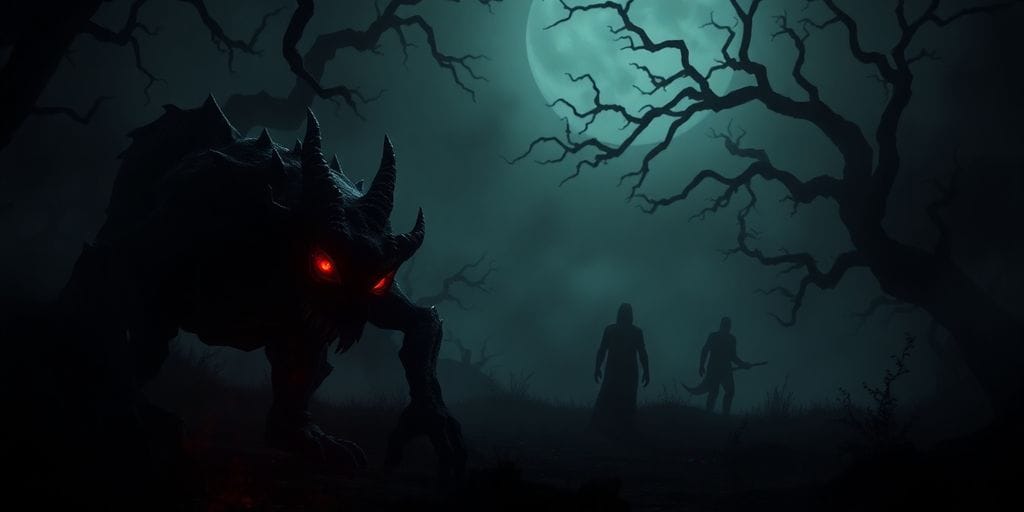
When you think about scary games, your mind probably jumps to things like jump scares or creepy monsters. But what if a game also made you think, made you make tough choices, and really pulled you into its world? That’s what a good horror game rpg does. These games mix the deep stories and character growth of role-playing games with the chills and scares of horror. It’s a combo that can get under your skin in a way pure action games just can’t. We’re going to look at how these games mess with your head, make you feel helpless, and generally scare the pants off you, all while letting you build your own story.
Key Takeaways
- Early horror game rpgs were pretty simple, but they set the stage for what was to come. They showed that you didn’t need fancy graphics to make people feel scared.
- Tools like RPG Maker really changed the game, letting more people create their own scary stories. This led to a lot of unique horror game rpgs that focused on good writing and atmosphere.
- Modern horror game rpgs use clever tricks to get into your head, like making you doubt what’s real or forcing you to manage resources carefully. It’s not just about monsters; it’s about the feeling of dread.
- Some horror game rpgs deal with really big, scary ideas, like things from outer space that you can’t even understand. These games often make you feel small and helpless in a huge, uncaring universe.
- The best horror game rpgs use everything—from how they look to how they sound—to make you feel like you’re really there, alone and vulnerable. It’s all about making you feel like you’re truly in danger.
The Evolution of Horror Game RPGs
Early Innovations in Horror Game RPG Design
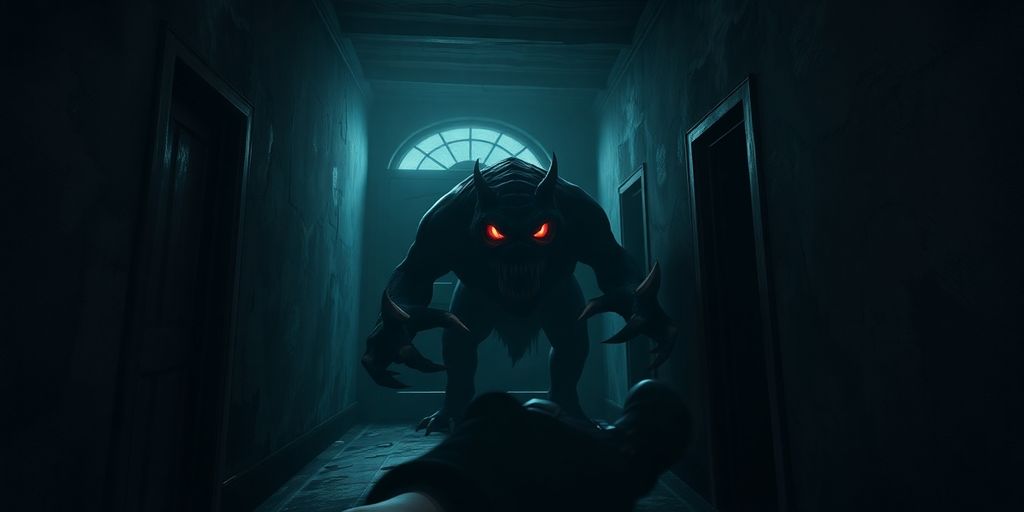
Horror RPGs weren’t always the complex experiences we see today. Early attempts often borrowed heavily from tabletop RPGs, adapting systems like character stats and turn-based combat to create a sense of vulnerability. Think back to the early days of gaming; developers were figuring out how to translate the feeling of dread from pen-and-paper games to the digital space. It was a lot of trial and error, but some interesting mechanics emerged. For example, some games experimented with permadeath or sanity meters long before they became common tropes.
The Impact of RPG Maker on Horror Game RPGs
RPG Maker is a big deal when talking about horror RPGs. It lowered the barrier to entry for aspiring game developers, allowing individuals with limited coding knowledge to create and share their own games. This led to an explosion of creative and experimental horror titles. The engine’s limitations actually helped in some ways, forcing developers to focus on story, atmosphere, and psychological horror rather than relying on fancy graphics. It’s amazing how many iconic horror RPGs started as simple RPG Maker projects. The community around RPG Maker is still very active, constantly pushing the boundaries of what’s possible with the engine.
Modern Trends in Horror Game RPG Development
Modern horror RPGs are all about immersion and player choice. We’re seeing a move away from purely turn-based combat towards more action-oriented systems, often with a focus on resource management and survival. Games are also getting better at using environmental storytelling and sound design to create a truly unsettling atmosphere. Plus, there’s a growing trend of incorporating psychological horror elements, messing with the player’s perception and making them question what’s real. It’s a really exciting time for the genre, with developers constantly finding new ways to scare and engage players.
The evolution of horror RPGs is a testament to the creativity and ingenuity of game developers. From humble beginnings to sophisticated modern titles, the genre has consistently pushed the boundaries of interactive storytelling and psychological terror.
Psychological Terror in Horror Game RPGs
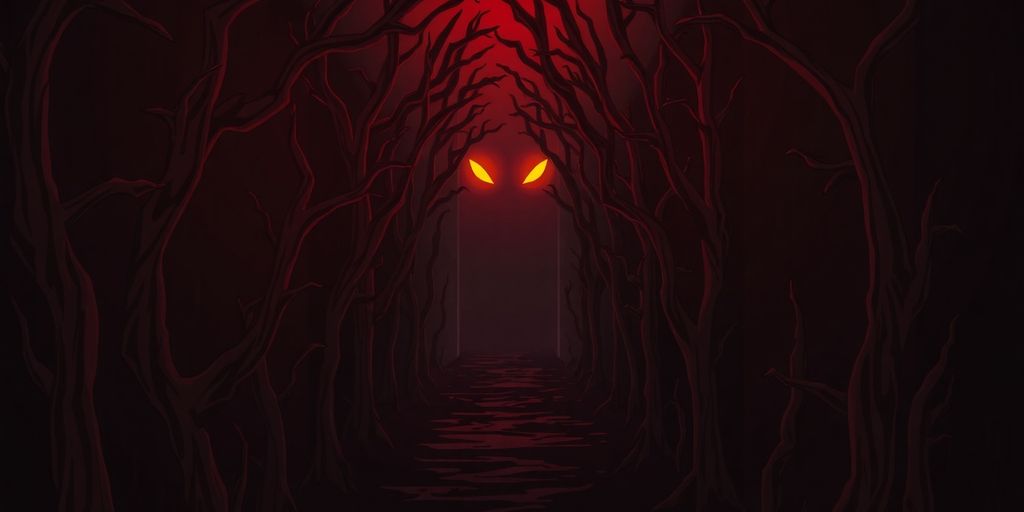
Psychological horror in RPGs messes with your head. It’s not just about jump scares or monsters; it’s about making you question what’s real, what you can trust, and even your own sanity. These games use clever tricks to get under your skin and stay there long after you’ve stopped playing.
Crafting Paranoia Through Gameplay Mechanics
Game mechanics can be powerful tools for creating paranoia. Think about limited resources, unreliable information, or enemies that can disguise themselves. These elements make you second-guess every decision and constantly look over your shoulder. For example, a game might have a sanity meter that decreases as you witness disturbing events, leading to visual and auditory hallucinations. This makes it hard to tell what’s real and what’s not. Another trick is to make NPCs act strangely, so you never know if they are friend or foe. This constant uncertainty can be incredibly unsettling.
Narrative Techniques for Psychological Impact
Narrative techniques are key to psychological horror. It’s not always about what you see, but what you think you see, or what you think is going to happen. Here are some common techniques:
- Unreliable Narrators: Characters who may be lying or delusional, making it hard to know what’s true.
- Foreshadowing: Hints of terrible events to come, creating a sense of dread.
- Ambiguous Endings: Leaving the player with unanswered questions and a lingering sense of unease.
Games that use these techniques well often leave a lasting impact, prompting players to reflect on the story long after they’ve finished playing. It’s about creating an atmosphere of unease and dread that permeates every aspect of the game.
Player Agency and Its Role in Fear
Giving players choices can actually make a horror game scarier. When you have to make tough decisions with serious consequences, the fear becomes much more personal. For example, imagine a game where you have to sacrifice one character to save the rest of the group. That’s a heavy choice, and it can really mess with your head. The feeling of responsibility for what happens to the characters adds a whole new layer of fear. It’s not just about surviving; it’s about living with the choices you make.
Survival Mechanics in Horror Game RPGs
Horror RPGs often use survival mechanics to amplify the sense of dread and vulnerability. It’s not just about fighting monsters; it’s about managing resources, understanding your limitations, and making tough choices that impact your character’s well-being and the overall story. These mechanics force players to confront their mortality and the fragility of their existence within the game world.
Resource Management and Scarcity
Resource management is a cornerstone of survival horror RPGs. Limited ammunition, healing items, and other essential supplies create a constant sense of tension. Every decision about using an item becomes a calculated risk, forcing players to prioritize and strategize. This scarcity makes exploration more meaningful, as finding even a single bullet or bandage can feel like a major victory. Games often implement systems where resources degrade over time or with use, adding another layer of complexity.
- Ammunition scarcity forces players to rely on melee combat or evasion.
- Limited healing items make every injury a significant threat.
- Consumable resources like food and water add a layer of realism and urgency.
The constant pressure of resource scarcity can significantly impact player behavior. Players may become more cautious, avoid unnecessary risks, and even resort to desperate measures to survive. This heightened sense of vulnerability is key to creating a truly terrifying experience.
Combat Systems and Their Contribution to Dread
Combat in horror RPGs isn’t about power fantasies; it’s about struggle and desperation. Encounters are often designed to be challenging, even against seemingly weak enemies. Clunky controls, limited visibility, and the vulnerability of the player character all contribute to the feeling of dread. The focus shifts from skillful execution to simply surviving the encounter.
- Enemies may be resistant to damage, requiring specific tactics or weapons.
- Combat can drain resources, making each fight a costly decision.
- The player character may suffer lasting injuries or psychological trauma from combat.
Exploration and Environmental Storytelling
Exploration in horror RPGs is rarely a carefree activity. Environments are often hostile, filled with traps, hidden dangers, and unsettling discoveries. The game world itself becomes a character, telling a story through its decaying architecture, cryptic messages, and disturbing imagery. Environmental storytelling enriches the narrative and deepens the player’s understanding of the game’s lore and the horrors that lurk within.
- Environments are designed to be claustrophobic and disorienting.
- Visual and auditory cues hint at hidden dangers and secrets.
- The environment itself can be a source of damage or psychological distress.
Cosmic and Eldritch Horror Game RPGs
Confronting Incomprehensible Entities
Cosmic horror RPGs throw you into worlds where the threats are beyond human understanding. We’re talking about entities so vast and alien that just glimpsing them can shatter your mind. The core of this subgenre is the struggle against the unknowable, where victory isn’t about defeating a monster, but about surviving the encounter with your sanity intact.
- Characters often face impossible choices with no right answer.
- Success is measured in degrees of failure, not outright wins.
- The true nature of the cosmos is a terrifying mystery best left unsolved.
It’s not just about jump scares; it’s about the slow burn of realizing how insignificant humanity is in the grand scheme of things. The horror comes from understanding that some things are simply too big, too old, and too alien to fight.
Maintaining Sanity in Unfathomable Worlds
Sanity mechanics are a staple in cosmic horror RPGs. These systems track the mental toll that encounters with the unknown take on characters. As sanity decreases, characters might develop phobias, experience hallucinations, or even descend into madness. It’s a constant balancing act between investigating the mysteries of the universe and protecting your character’s fragile psyche. Think of it as a resource management game, but instead of gold or potions, you’re managing your character’s grip on reality.
- Sanity loss can trigger unique character flaws and behaviors.
- Therapy or isolation might be needed to recover lost sanity.
- The threat of permanent insanity looms over every decision.
The Role of Lore in Cosmic Horror Game RPGs
Lore is super important in cosmic horror RPGs. It’s not just background information; it’s the key to understanding the nature of the threats you face, even if that understanding comes at a terrible price. Uncovering forbidden knowledge, deciphering ancient texts, and piecing together the history of cosmic entities can provide clues to survival, but it also risks drawing unwanted attention. The lore itself becomes a source of horror, revealing the terrifying truths about the universe and humanity’s place in it.
- Lore is often fragmented and unreliable, requiring careful interpretation.
- Knowledge can be a double-edged sword, leading to both insight and madness.
- The game world feels more real and terrifying when the lore is well-developed.
Atmosphere and Immersion in Horror Game RPGs
Atmosphere and immersion are super important in horror RPGs. It’s not just about jump scares; it’s about creating a world that feels real and terrifying. When done right, these elements can make a game truly unforgettable. It’s about getting players to buy into the world, to feel like they’re actually there, facing the horrors themselves.
Visual Design and Its Influence on Fear
Visuals play a big role in setting the mood. Think about it: a dimly lit corridor, strange shadows, and unsettling character designs can all contribute to a sense of dread. The art style, color palette, and level of detail all work together to create an environment that feels oppressive and scary. It’s not always about having the best graphics; sometimes, a more stylized or low-resolution look can be even more effective at creating a disturbing atmosphere.
Sound Design as a Tool for Tension
Sound is just as important as visuals, maybe even more so. A well-placed creak, a distant scream, or an unsettling musical score can really get under your skin. Sound design is about more than just jump scares. It’s about creating a constant sense of unease and tension. The absence of sound can be just as effective, creating a feeling of isolation and dread.
Creating a Sense of Isolation and Vulnerability
Horror often thrives on making the player feel alone and helpless. This can be achieved through various game mechanics and narrative choices. Limited resources, difficult enemies, and a lack of clear direction can all contribute to a sense of vulnerability.
Making the player feel isolated is key. This can be done by separating them from allies, placing them in remote locations, or simply making them feel like no one understands what they’re going through. When players feel alone and vulnerable, they’re much more likely to be scared.
Here are some ways to create isolation and vulnerability:
- Limiting communication with NPCs
- Creating vast, empty environments
- Making the player character physically weak
Notable Examples of Horror Game RPGs
Pioneering Titles in the Genre
Early horror RPGs laid the groundwork for what the genre would become. These games often experimented with mechanics and themes that are now considered staples. Elvira II: The Jaws of Cerberus is an early example of a horror RPG that tried to capitalize on the popularity of horror media at the time. While maybe not perfect, they showed what was possible.
Critically Acclaimed Horror Game RPGs
Certain horror RPGs have garnered widespread acclaim for their innovative gameplay, compelling narratives, and effective use of horror elements. These titles often push the boundaries of the genre, offering experiences that are both terrifying and thought-provoking. They are often remembered for:
- Unique settings
- Memorable characters
- Intense atmosphere
These games often blend traditional RPG mechanics with survival horror elements, creating a sense of vulnerability and dread that keeps players on edge.
Independent Gems and Their Unique Approaches
Independent developers have made significant contributions to the horror RPG genre, often bringing fresh ideas and perspectives. These games frequently stand out for their originality, creativity, and willingness to take risks. Fear and Hunger is a great example of an indie horror RPG that isn’t afraid to go to dark places. These games demonstrate that you don’t need a big budget to create a truly terrifying experience.
Conclusion
So, we’ve looked at some truly scary horror RPGs. These games show how different ideas can come together to make something really unsettling. They use things like tough choices, dark stories, and a constant feeling of danger to get to you. It’s not just about jump scares; it’s about making you feel uneasy and thinking about what you’d do in a bad situation. These games prove that horror in RPGs can be very effective, leaving a lasting impression long after you stop playing.
Frequently Asked Questions
What exactly are horror RPGs?
Horror RPGs are like regular role-playing games, but they focus on making you feel scared and uneasy. They mix adventure with spooky stories and scary things happening.
How do these games make players feel scared?
Many horror RPGs use clever tricks to make you feel scared. They might limit your resources, like ammo or health, so you always feel in danger. They also use creepy sounds, dark visuals, and stories that make you think about scary stuff, even when nothing is directly attacking you.
What were some of the first horror RPGs like?
Some of the first horror RPGs were made using simple tools like RPG Maker. These games showed that you don’t need fancy graphics to make a truly scary game. They focused on good stories and smart gameplay instead.
Do players’ choices really matter in these games?
Yes, many horror RPGs let you make choices that change the story. This can make the game even scarier because you feel more responsible for what happens to your character and the world around them.
What is ‘cosmic horror’ in these games?
Cosmic horror in RPGs means dealing with scary things that are so big and strange, your mind can barely understand them. It’s not just about monsters, but about realizing how small and unimportant humans are in the face of truly bizarre and powerful forces.
What makes the best horror RPGs so immersive?
To make a horror RPG really good, game makers pay close attention to how it looks, sounds, and feels. They use dark colors, creepy music, and sounds that make you jump. They also design levels that make you feel alone and helpless, which makes the scary parts even more impactful.