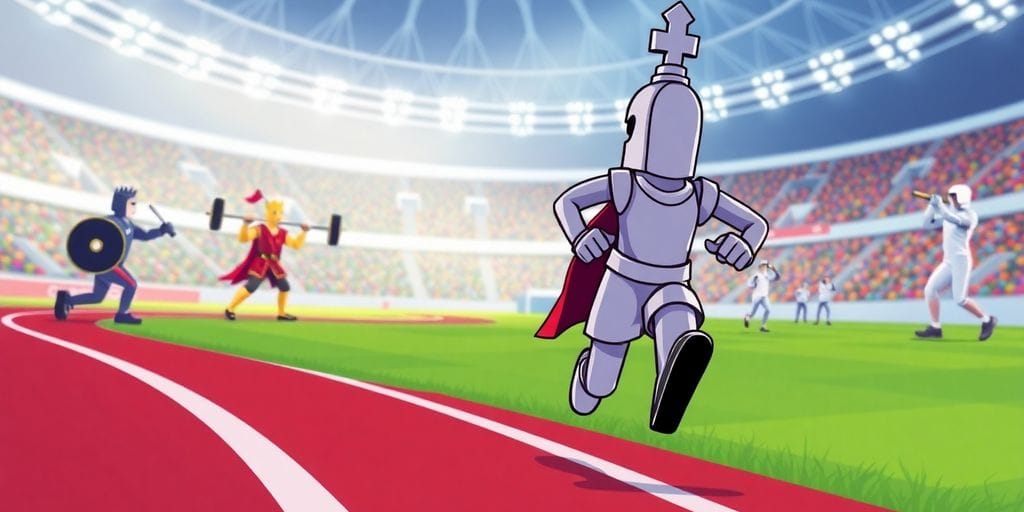
People have been arguing forever about the question, is chess a sport? It’s one of those topics that always comes up. You have some people who are certain it’s just a game because there’s no running or jumping involved. Then you have others who point out the intense physical toll that high-level tournaments take on players. It’s a really confusing topic, and the answer isn’t just a simple yes or no. The truth is, it depends a lot on how you define what a sport is in the first place.
Key Takeaways
- The whole debate really hinges on how you define ‘sport’. If you think it must involve major physical movement, chess doesn’t fit. But if you include skill, competition, and physical stress, then it starts to look more like one.
- Top-level chess is surprisingly tough on the body. During long tournaments, players can have elevated heart rates and burn a lot of calories just from the intense concentration and stress.
- Official groups have already made a decision. The International Olympic Committee recognizes chess as a sport, and many countries give it the same status, which helps with things like funding.
- The growth of eSports has added a new angle to the discussion. If competitive video gaming can be seen as a sport, it’s much harder to say that a classic mind game like chess isn’t.
- Calling chess a sport isn’t just for show; it has real-world impacts. The label can help secure money for chess in schools and changes how the public and media view the players and competitions.
Defining The Core Elements Of A Sport
What exactly makes something a sport? It’s a question that goes beyond simple definitions and gets into the heart of what we value in competition, skill, and physical activity. To really understand if chess fits the bill, we need to break down the key elements that most people associate with the term ‘sport.’
The Traditional Emphasis On Physical Prowess
For many, the first thing that comes to mind when they think of a sport is physical exertion. Think about running, jumping, throwing, or any activity that requires significant physical strength, speed, or endurance. This emphasis on physical ability has been a cornerstone of sports since ancient times. Events like the Olympics showcase the peak of human physical achievement, reinforcing the idea that sports are fundamentally about pushing the limits of the body. But is physical prowess the only thing that matters? That’s where the debate starts to get interesting.
The Role Of Strategy, Skill, And Competition
While physical ability is important, strategy, skill, and competition are also key. Many activities require a high degree of mental acuity, tactical planning, and strategic thinking. Consider sports like basketball or football, where teams must constantly adapt their strategies based on their opponents’ moves. The ability to outthink your opponent is often just as important as being physically fit. Skill is also a huge factor. Perfecting a golf swing, mastering a free throw, or learning to dribble a soccer ball all require countless hours of practice and dedication. And, of course, competition is at the heart of any sport. The drive to win, to be the best, is what fuels athletes and captivates audiences.
The Importance Of Official Rules And Governing Bodies
To be considered a sport, an activity typically needs a set of official rules and a governing body to enforce them. These rules ensure fair play and provide a framework for competition. Think of organizations like FIFA for soccer, the NBA for basketball, or the International Olympic Committee (IOC) for the Olympic Games. These bodies set the standards, organize tournaments, and resolve disputes. Without these structures, it would be difficult to have organized competition or to determine who is truly the best. The existence of a governing body also lends legitimacy to the activity, helping to solidify its status as a sport.
Defining a sport isn’t easy. It’s a mix of physical ability, mental strategy, skill development, and structured competition. The relative importance of each element is what often sparks debate, especially when considering activities like chess that challenge traditional notions of what a sport should be.
The Argument For Chess As A Physical Endeavor
While chess is often perceived as a purely mental game, there’s a growing argument that it demands a significant level of physical exertion, especially at the highest levels of competition. It’s not just about sitting and thinking; it’s about maintaining peak physical condition to optimize cognitive function over extended periods.
Measuring The Physiological Stress Of Tournaments
Chess tournaments can be incredibly taxing on the body. Players often spend hours in intense concentration, leading to elevated heart rates, increased blood pressure, and a surge in stress hormones like cortisol. These physiological responses are comparable to those experienced in other competitive sports. A study monitoring chess players during a tournament found that some experienced similar levels of stress as athletes competing in endurance events. The pressure to perform, the long hours, and the mental strain all contribute to a significant physical toll.
The Rigorous Physical Training Of Grandmasters
Many top-level chess players incorporate rigorous physical training into their routines. This isn’t just about staying healthy; it’s about enhancing their cognitive abilities and stamina. World champions like Magnus Carlsen are known for their dedication to fitness, employing personal trainers and chefs to maintain peak physical condition. The idea is that a healthy body leads to a sharper mind, allowing them to perform at their best during grueling tournaments.
Here’s a glimpse into the training regimens of some grandmasters:
- Cardiovascular exercise (running, swimming, cycling)
- Strength training (weightlifting, bodyweight exercises)
- Yoga and meditation (for stress reduction and focus)
- Specialized diets (optimized for brain function and energy levels)
Caloric Expenditure And Sustained Concentration
It might seem surprising, but chess players can burn a significant number of calories during a tournament. Studies have shown that grandmasters can expend up to 6,000 calories in a single day of competition. This is due to the intense mental focus required, which increases metabolic rate and energy consumption. Sustained concentration demands a constant supply of glucose to the brain, leading to a depletion of energy reserves. This caloric expenditure highlights the physical demands of high-level chess.
The physical aspect of chess is often overlooked, but it’s undeniable that maintaining peak physical condition is crucial for success at the highest levels. The ability to endure long hours of intense concentration, manage stress, and maintain cognitive function requires a level of fitness that goes beyond mere intellectual ability.
The Counterpoint: Why Chess Is Often Seen As A Game
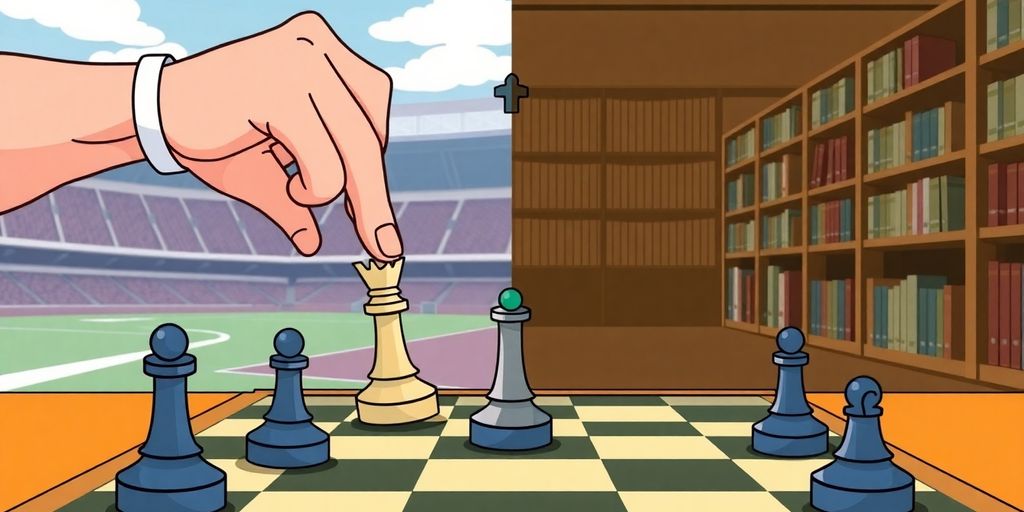
While arguments for chess as a sport gain traction, it’s important to acknowledge why many still view it primarily as a game. This perspective often stems from a different understanding of what constitutes a sport, focusing on aspects that chess arguably lacks.
The Absence Of Direct, Dynamic Physical Movement
One of the most common arguments against classifying chess as a sport is the limited physical exertion involved. Unlike sports that require running, jumping, or other dynamic movements, chess primarily involves sitting and thinking. While physical endurance can play a role in long tournaments, the core activity is mental, not physical. This difference leads many to categorize chess alongside other mind games rather than physical sports.
Historical And Cultural Perceptions Of Board Games
Historically, chess and other board games have been viewed as intellectual pastimes or recreational activities. They’re often associated with leisure, strategy, and mental skill, but not necessarily with the physical competition and athleticism typically linked to sports. This cultural perception influences how chess is categorized, often placing it in a different sphere than activities like basketball or soccer.
Comparing Chess To Universally Recognized Sports
When comparing chess to universally recognized sports, the differences become more apparent. Consider the following table:
| Feature | Chess | Traditional Sport (e.g., Basketball) |
|---|---|---|
| Primary Activity | Mental Calculation & Strategy | Physical Exertion & Skill |
| Physical Demand | Minimal, Primarily Sedentary | High, Requiring Stamina & Agility |
| Risk of Injury | Very Low | Moderate to High |
| Equipment | Chessboard & Pieces | Ball, Court, Protective Gear |
The debate often boils down to differing definitions and priorities. Some argue that mental exertion is enough to qualify chess as a sport, while others maintain that physical activity is a non-negotiable requirement. Ultimately, the classification depends on the criteria used and the relative importance assigned to mental versus physical components.
Official Recognition By Global Sporting Authorities
The Stance Of The International Olympic Committee
When we’re trying to figure out if chess is a sport, it makes sense to see what the big organizations think. The International Olympic Committee (IOC) is a pretty important voice in this conversation. The IOC officially recognized chess as a sport way back in 1999. That’s a pretty big deal! However, it’s important to note that despite this recognition, chess still hasn’t made it into the actual Olympic Games.
It’s interesting to compare chess to esports in this context. Esports has been pushing hard to get Olympic recognition, but the IOC has raised concerns about violence in many video games. Chess doesn’t have that problem, which arguably puts it in a better position to potentially be included in the Olympics someday.
How National Governments And Sports Councils Classify Chess
Beyond the IOC, it’s also important to look at how different countries classify chess. This can vary quite a bit. Some national sports councils fully recognize chess as a sport, providing funding and support to chess federations. Others might consider it a recreational activity or a mind sport, which can affect funding and resources.
To illustrate this point, here’s a simplified table showing how a few different countries might classify chess:
| Country | Classification | Funding Level |
|---|---|---|
| United States | Mind Sport | Moderate |
| Russia | Sport | High |
| Germany | Recreational Activity | Low |
Of course, this is just a simplified example, and the actual situation can be more complex. But it shows that there’s no universal agreement on how to classify chess.
The Role Of The World Chess Federation (FIDE)
The World Chess Federation, better known as FIDE, is the governing body for international chess competition. FIDE plays a huge role in standardizing rules, organizing tournaments, and promoting chess around the world. FIDE definitely acts like a sports federation, with rankings, titles (like Grandmaster), and a professional circuit.
FIDE’s activities include:
- Organizing the Chess Olympiad, a major international team event.
- Setting the rules for chess competitions.
- Awarding titles based on skill level.
- Promoting chess in schools and communities.
FIDE’s existence and activities lend significant weight to the argument that chess should be considered a sport. It operates in a similar way to other international sports federations, and it provides a framework for competitive chess at all levels.
FIDE also works to combat cheating and ensure fair play, just like other sports federations. So, while the IOC’s recognition is important, FIDE’s role in governing and promoting chess is also a key factor in the debate.
The Modern Context: Chess And The Rise Of ESports
The digital age has blurred the lines between traditional sports and other forms of competitive activity. Chess, with its deep strategic elements, finds itself in a fascinating parallel with the rise of esports. Both demand intense focus, strategic thinking, and a competitive spirit, leading to ongoing discussions about their classification and recognition.
Drawing Parallels With Competitive Video Gaming
Esports have exploded in popularity, drawing massive audiences and generating substantial revenue. Like chess, esports require players to develop specific skills, master complex strategies, and perform under pressure. The similarities extend to the professional structure, with leagues, tournaments, and sponsorships becoming increasingly common in both domains. The question becomes: if esports are gaining recognition as a sport, where does chess fit in?
The Debate Over Mind Sports In The Digital Age
One of the central arguments against classifying chess as a sport revolves around the perceived lack of physical exertion. However, this argument is increasingly challenged by the recognition of "mind sports," which emphasize mental acuity and strategic thinking. Esports, like chess, fall into this category, prompting a reevaluation of what constitutes a sport in the digital age. The debate centers on whether intense mental engagement and strategic depth can be considered equivalent to physical activity in defining a sport. Some argue that the physiological stress experienced during intense chess matches or esports competitions mirrors that of traditional sports.
Audience, Sponsorship, And The Professional Circuit
Both chess and esports have seen growth in audience size, sponsorship deals, and the development of professional circuits. Online platforms have made it easier for fans to watch tournaments and for players to compete on a global scale. This increased visibility has attracted sponsors and investors, further professionalizing both chess and esports. The rise of platforms like Twitch and Chess.com has allowed both activities to reach new audiences and generate revenue streams previously unavailable. The professional circuit in both chess and esports is becoming increasingly structured, with clear pathways for players to rise through the ranks and compete at the highest levels.
The increasing overlap between chess and esports in terms of audience engagement, sponsorship opportunities, and professional structure suggests a convergence of these activities in the broader landscape of competitive entertainment. This convergence raises important questions about how we define and classify different forms of competition in the digital age.
The Practical Implications Of The ‘Sport’ Designation
What happens if chess gets the ‘sport’ label? It’s more than just bragging rights. It can change things in a big way, from how chess is funded to how players are seen.
The Impact On Funding, Education, And Public Grants
If chess is a sport, it opens doors to funding sources that might otherwise be closed. Think about government grants aimed at promoting sports, or educational programs that get extra money for athletic activities. This could mean more resources for chess clubs in schools, better training programs for young players, and bigger prize pools for tournaments. It’s not just about the money, though. It’s about recognition and support for chess as a valuable activity.
How The Label Affects Player Perception And Media Coverage
Calling chess a sport can change how people see chess players. Instead of just being seen as ‘smart’ or ‘nerdy,’ they might be viewed as athletes who train hard and compete at a high level. This shift in perception can lead to more media coverage, which in turn can attract more sponsors and fans. More media attention could also mean more respect for chess players and their accomplishments.
Shaping The Future Growth And Development Of Chess
The ‘sport’ label can really shape the future of chess. It can influence how chess is taught, how it’s played, and how it’s supported. It could lead to new training methods, new strategies, and new ways of thinking about the game. It might also encourage more people to take up chess, both as a hobby and as a competitive pursuit.
Here are some potential changes:
- More professional chess leagues.
- Increased investment in chess technology.
- Greater emphasis on physical fitness for chess players.
The Final Move: So, Is It a Sport?
After looking at everything, the question of whether chess is a sport doesn’t have a simple yes or no answer. It really comes down to what you think a ‘sport’ is. On one side, you have the serious competition, the mental exhaustion, and the physical effects that long tournaments have on players. Big organizations, like the International Olympic Committee, even recognize it as a sport. But on the other hand, it doesn’t involve the kind of physical activity most people connect with sports, like running or jumping. Ultimately, the label might not be the most important part. Call it a sport or call it a game, chess is still a very demanding and competitive activity. The debate will likely go on, but the challenge of the game itself stays the same.
Frequently Asked Questions
So, what’s the final verdict? Is chess a sport?
It’s tricky because there isn’t one simple answer that everyone agrees on. Major groups, like the International Olympic Committee, do call it a sport. They focus on the intense skill, strategy, and competitive rules. However, if your definition of a sport requires a lot of running and jumping, then you might see it more as a game. The truth is, it has elements of both.
How can chess be physically demanding? Players are just sitting down.
That’s a great question! While it looks calm on the outside, a chess player’s body can be under a lot of stress. During a serious tournament, a player’s heart rate can speed up, and they can burn hundreds of calories just by concentrating for hours. Top grandmasters actually train their bodies with exercise so they can handle the long, stressful matches without getting tired and making mistakes.
Do any official groups actually call chess a sport?
Yes, absolutely. The most important one is the International Olympic Committee (IOC), which has recognized chess as a sport since 1999. The World Chess Federation (FIDE) also governs it as a global sport. On top of that, over 100 countries officially classify chess as a sport, which helps it get treated like other major competitive activities.
Why is everyone arguing about this? Does the ‘sport’ label really matter?
It might seem like just a word, but calling chess a ‘sport’ has a big impact. It’s mainly about respect and money. When governments and schools recognize chess as a sport, they are more willing to give it funding. This money helps pay for coaches, clubs for kids, and big tournaments. It helps the game grow and gives players more opportunities.
How does chess compare to eSports, like competitive video games?
Chess and eSports are in a very similar boat. Both are often called ‘mind sports.’ They don’t involve a lot of obvious physical action, but they require amazing mental skill, fast thinking, and the ability to handle pressure. The debate about whether professional gamers are athletes is almost the same as the debate about chess players.
If the IOC says chess is a sport, why isn’t it in the Olympics?
That’s a key part of the conversation. Even though the IOC recognizes chess, it hasn’t been added to the main Olympic Games program yet. It has been part of other large multi-sport events, but getting into the Summer or Winter Olympics is a very competitive process. So for now, it’s an officially recognized sport that’s still waiting for its chance on the biggest Olympic stage.