Alright, so you’re looking to get into some fighting games, huh? Maybe you’ve seen people duking it out online or in the arcade and thought, ‘Hey, that looks fun!’ Well, you’re in luck because there are a ton of awesome k o games out there, from the old-school classics to the brand new ones that just dropped. Whether you’re a total beginner or someone who’s been mashing buttons for years, there’s something for everyone. Let’s check out some of the best ones you can play right now.
Key Takeaways
- Street Fighter 6 and Tekken 8 are top picks for modern fighting games with active online communities and solid gameplay.
- For those who love a good story, Mortal Kombat 1 offers brutal combat and an engaging narrative.
- Classic series like The King of Fighters and Dragon Ball FighterZ provide timeless fun and are great for fans of those franchises.
- Granblue Fantasy Versus: Rising is recommended for newcomers due to its accessible controls and flashy presentation.
- If you’re feeling nostalgic, the Street Fighter 30th Anniversary Collection lets you revisit many iconic games from the series’ past.
Street Fighter 6
Street Fighter 6 really shook things up when it came out, bringing a fresh feel to a series that’s been around forever. It’s got this new "Drive System" that makes every match feel super dynamic. You’ve got your classic characters, of course, but they’ve added some new faces too, each with their own style. The game looks really sharp, and the music just makes you want to keep fighting.
It’s definitely a game that rewards players who put in the time to learn its systems. The online play is pretty fast, which is great, but if you’re just jumping in, be ready for a bit of a challenge. It’s not exactly a walk in the park for newcomers, but the payoff for mastering it is huge.
Here are a few things that make Street Fighter 6 stand out:
- The Drive System: This is the big one. It lets you do things like parry attacks, dash forward, or even use special moves that consume a "Drive Gauge." Managing this gauge is key to both offense and defense.
- World Tour Mode: This is a single-player adventure where you create your own avatar and explore a whole world, learning moves from the series’ legends. It’s a cool way to get a feel for the game’s mechanics without the pressure of online matches.
- Battle Hub: This is where the online community really comes together. It’s designed to feel like a virtual arcade, with different game modes and ways to interact with other players.
While the learning curve can be steep, the depth of gameplay and the variety of ways to play make Street Fighter 6 a standout title in the fighting game genre. It manages to feel both familiar to long-time fans and accessible enough to draw in new players, especially with its robust single-player content.
Tekken 8
Tekken 8 continues the legacy of the long-running 3D fighting series, bringing its signature blend of intense one-on-one combat to a new generation of players. Building on the foundations laid by its predecessors, Tekken 8 introduces a fresh set of mechanics and a visually stunning presentation that makes every clash feel impactful. The game features a diverse roster, with both returning fan favorites and exciting new characters, each offering a unique playstyle and a deep set of moves to master.
One of the standout additions is the "Heat" system, which adds a new layer of offensive pressure and comeback potential. When activated, characters gain access to enhanced moves and special properties, encouraging aggressive play and creating dynamic shifts in momentum. This system, alongside the refined "Rage" mechanics, ensures that matches remain unpredictable and exciting from start to finish.
Tekken 8 also places a strong emphasis on accessibility without sacrificing depth. While seasoned players will find plenty of intricate combos and strategic nuances to explore, newcomers can get started with more streamlined inputs and a robust tutorial mode. The game’s presentation is top-notch, with detailed character models and environments that bring the world of Tekken to life.
The focus on aggressive gameplay and the introduction of new systems like ‘Heat’ aim to make Tekken 8 a thrilling experience for both new and returning players, pushing the boundaries of 3D fighting game design.
Key features often highlighted include:
- Aggressive Gameplay Focus: Mechanics designed to reward offensive pressure and strategic risk-taking.
- Expanded Roster: A mix of beloved characters and new faces, each with distinct fighting styles.
- Visually Stunning Presentation: High-fidelity graphics and impactful animations.
- Accessible Yet Deep: Features catering to both beginners and long-time fans of the series.
- New Mechanics: Systems like ‘Heat’ that add fresh strategic layers to combat.
Mortal Kombat 1
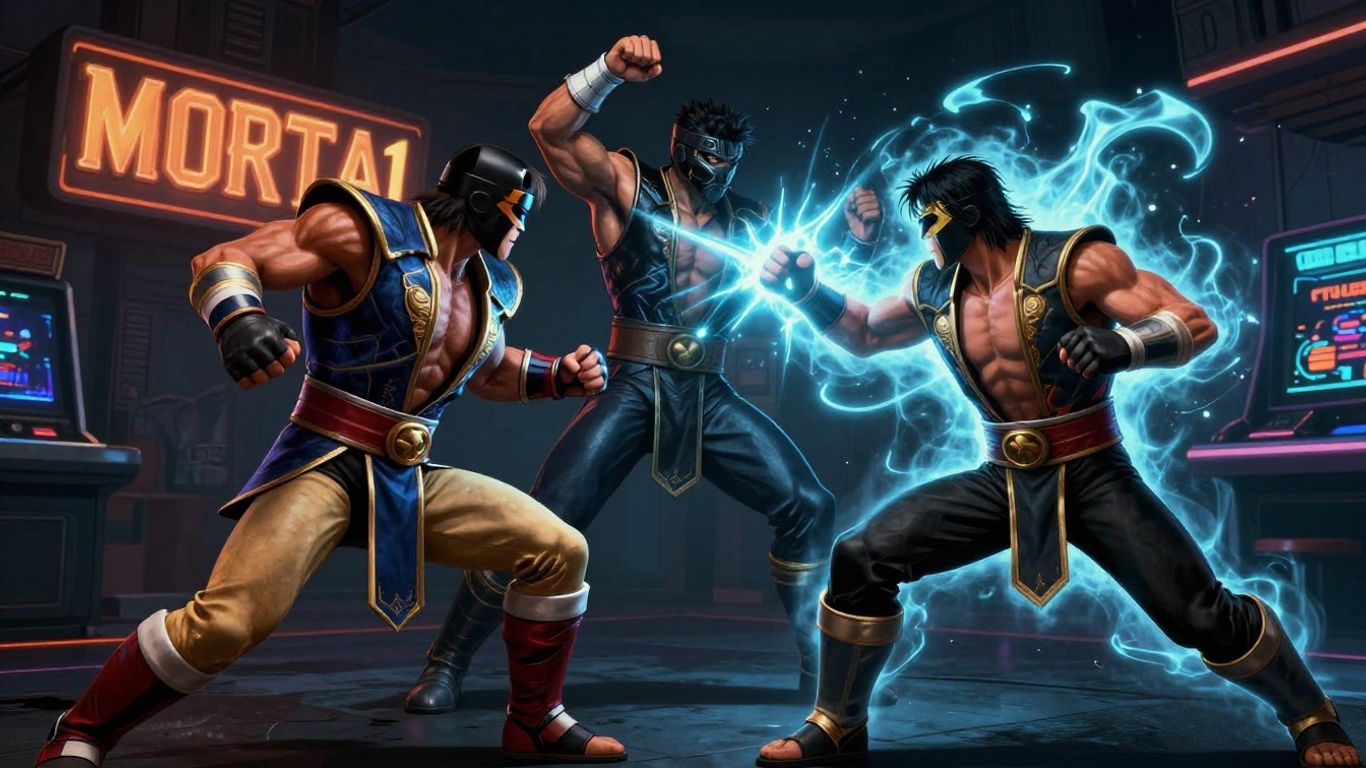
The Mortal Kombat series has always been a bit of a wild child in the fighting game world. It first grabbed attention with its over-the-top violence, but it was the sequels that really showed it had some fighting game chops. Mortal Kombat 1, the latest entry in the long-running franchise, continues this tradition, blending its signature gore with a fresh approach to gameplay and story.
This new iteration reinvents the universe, offering a new timeline and a chance for familiar characters to appear in different roles. It’s a bold move that shakes up the established lore, giving players a new perspective on the iconic kombatants. The gameplay itself sees a significant evolution, introducing the Kameo system. This allows players to call in assist characters during matches, adding a layer of strategic depth and opening up new combo possibilities.
Here’s a look at some of the key features:
- Reimagined Universe: A new timeline means new origins and relationships for your favorite characters.
- Kameo Fighters: A unique assist system that adds a dynamic layer to combat.
- Expanded Roster: Familiar faces return, some with surprising new twists.
- Visceral Combat: The series’ trademark brutal attacks and fatalities are back, more impactful than ever.
Mortal Kombat 1 aims to be both a fresh start and a familiar experience for long-time fans. The developers have focused on refining the core fighting mechanics while introducing innovative systems like the Kameos. This makes the game accessible to newcomers while offering plenty of depth for seasoned players to explore. The story mode is also a major draw, continuing the series’ trend of cinematic, engaging narratives that explore the consequences of the characters’ actions within this new timeline.
Guilty Gear -Strive-
Guilty Gear -Strive- is a fighting game that really shook things up when it came out. Developed by Arc System Works, it’s part of a series known for its fast-paced action and complex mechanics. But with -Strive-, they aimed to make it more accessible without losing that signature Guilty Gear feel. It’s got a really striking anime art style, powered by the Unreal Engine, which makes every match look like a high-budget animation. The character designs are unique, and each fighter has their own distinct playstyle that you’ll want to learn.
One of the big things about -Strive- is its approach to gameplay. They streamlined some of the older systems to make it easier for newcomers to jump in. However, don’t let that fool you; there’s still a lot of depth for experienced players. The game focuses on creating exciting offensive pressure and rewarding smart defensive play. It’s a game that feels good to play, with satisfying hits and flashy special moves that really pop.
Here are some key aspects that make Guilty Gear -Strive- stand out:
- Visually Stunning: The game boasts a gorgeous anime aesthetic with detailed character models and vibrant backgrounds.
- Accessible Yet Deep: While easier to pick up than previous entries, it offers plenty of room for mastery and strategic play.
- Unique Roster: Each character brings a distinct personality and fighting style to the table, encouraging diverse team compositions and strategies.
- Engaging Online Play: Features rollback netcode, which is a big deal for smooth online matches, minimizing lag and making online fights feel more responsive.
The developers really put a lot of thought into how players would interact with the game, both new and old. They wanted to capture the excitement of the series while also opening the door for more people to enjoy it. It’s a balancing act that many fighting games try to achieve, and -Strive- does a pretty good job of it.
If you’re looking for a fighting game that’s both beautiful to look at and fun to play, Guilty Gear -Strive- is definitely worth checking out. It’s a great example of how a long-running series can evolve and still feel fresh.
Dragon Ball FighterZ
When Dragon Ball FighterZ dropped in 2018, it felt like a game changer, especially for fans of the Dragon Ball universe. Developed by Arc System Works, the same folks behind the Guilty Gear series, this game really nailed the anime’s look and feel. It’s like playing through the show, but with actual fighting mechanics. The visuals are stunning, with character models and attack animations that are incredibly faithful to the source material. It’s a 3v3 tag-team fighter, which means you’re not just controlling one character; you’re managing a whole squad.
What makes FighterZ stand out is its accessibility. You can jump in and start pulling off flashy combos pretty quickly, even if you’re new to fighting games. But don’t let that fool you; there’s a lot of depth for players who want to get serious. Learning character matchups, understanding team synergy, and mastering the game’s systems takes time and practice.
Here are a few things that make it a top pick:
- Visual Fidelity: The anime aesthetic is spot on, making it a treat for the eyes.
- Accessible Controls: Easy to pick up, but with a high skill ceiling.
- Team Dynamics: The 3v3 tag system adds a strategic layer to battles.
- Regular Updates: Arc System Works has consistently supported the game with new characters and balance changes.
The game manages to balance being a faithful adaptation of Dragon Ball with being a genuinely competitive fighting game. It’s a tough act, but FighterZ pulls it off with style, making it a must-play for both casual fans and seasoned tournament players alike.
The King of Fighters Series
The King of Fighters, often shortened to KOF, is a long-running fighting game series developed by SNK. It’s known for its distinctive team-based combat system, where players choose a team of three characters to battle against another team. This format has been a staple since the very first game, KOF ’94, and it really sets the series apart from many others that focus on one-on-one duels.
What makes KOF so engaging is its massive roster, which has grown significantly over the decades. It often pulls characters from other SNK franchises like Fatal Fury and Art of Fighting, creating exciting crossover potential. The gameplay itself is fast-paced and technical, requiring players to master character-specific moves, combos, and defensive options. Each entry tends to build upon the last, refining the mechanics and adding new characters or gameplay features.
Over the years, KOF has seen many iterations, each with its own strengths. Some entries are celebrated for their extensive character rosters and refined gameplay, while others are noted for pushing the series in new directions. For instance, KOF ’98 Ultimate Match is often cited as a fan favorite for its balanced gameplay and huge selection of characters, offering a definitive experience of the classic 3-on-3 format. More recent titles like KOF XV continue to evolve the series with updated graphics and online play, keeping the franchise relevant for both long-time fans and newcomers.
The series’ commitment to its team-based format and its rich history of character crossovers have cemented its place as a cornerstone of the fighting game genre. It offers a unique blend of strategic team building and intense individual combat.
Here’s a look at some key aspects of the series:
- Team Battle System: The core of KOF, where you select three fighters and strategically deploy them in battle.
- Diverse Roster: A vast collection of characters, many originating from other SNK fighting games, offering a wide array of fighting styles.
- Evolving Gameplay: Each installment introduces refinements, new mechanics, and sometimes entirely new gameplay systems, keeping the series fresh.
- Storylines: While gameplay is primary, KOF also features ongoing narratives involving various characters and their rivalries, adding depth for dedicated players.
Granblue Fantasy Versus: Rising
Granblue Fantasy Versus: Rising is a fighting game that really tries to bring the world of the popular Granblue Fantasy mobile game to life in a new way. It’s built by Arc System Works, the same folks who make Guilty Gear and BlazBlue, so you know the visuals are going to be pretty slick. The game aims to be accessible, which is great if you’re new to fighting games or just want to jump in and see some cool anime action without a huge learning curve.
One of the things that makes Rising stand out is its focus on making things look good. The character models are detailed, and the special moves are flashy, just like you’d expect from a game based on a vibrant anime world. It’s got a good mix of characters, each with their own unique fighting style, which keeps things interesting.
For players who like a bit of story with their fighting, Rising includes a narrative mode that expands on the Granblue universe. It’s not just about button mashing; there’s a plot to follow, which can be a nice change of pace. Plus, the game has a solid online mode, so you can test your skills against players from all over.
The game does a good job of balancing flashy presentation with actual fighting mechanics. It’s not just about looking pretty; there’s a system underneath that rewards players who take the time to learn it.
Here’s a quick look at some of its features:
- Accessible Controls: Designed to be easy for newcomers to pick up.
- Visually Stunning: High-quality anime-style graphics and animations.
- Story Mode: An engaging narrative that delves into the Granblue Fantasy lore.
- Online Multiplayer: Robust online play for competitive matches.
- Character Variety: A diverse roster with distinct playstyles.
While it’s built to be approachable, there’s still enough depth for experienced players to get into. Mastering each character’s unique combos and special abilities takes practice, but the payoff is a really satisfying fighting experience. It’s a solid choice if you’re looking for a visually appealing fighting game that doesn’t require you to be a pro from day one.
Super Street Fighter IV: Arcade Edition
When Street Fighter IV first hit the scene, it really helped bring fighting games back into the spotlight for a lot of people. It wasn’t just for the hardcore fans anymore; it pulled in a wider audience. Super Street Fighter IV: Arcade Edition, especially after its 2012 update, is seen as the best version of that original game. It brought a solid cast of characters and made a bunch of tweaks to the fighting mechanics, making the gameplay feel really smooth and balanced.
This version is a great way to experience a game that had a big impact on modern fighting games. It offers a good mix of familiar faces and new challenges, with adjustments that made each character feel distinct and fair.
Here’s a look at what made it stand out:
- Character Roster: A diverse selection of fighters, each with unique moves and playstyles.
- Gameplay Refinements: Significant balance changes and additions that improved the overall combat experience.
- Replayability: The updated mechanics and character balance encouraged players to explore different strategies and matchups.
The evolution of Street Fighter IV into its Arcade Edition form represents a significant moment in the series’ history, refining the core mechanics and character balance to a point that many consider the definitive experience of that generation’s Street Fighter.
If you’re looking for a classic, well-rounded 2D fighter that still holds up, Super Street Fighter IV: Arcade Edition is definitely worth checking out.
Capcom vs. SNK 2: Mark Of The Millennium 2001
Capcom vs. SNK 2: Mark of the Millennium 2001 stands out as a significant crossover event in the fighting game world. Released in 2001, this title brought together a massive roster of characters from two of the most respected fighting game developers of the era: Capcom and SNK. It wasn’t just about pitting Ryu against Kyo Kusanagi; the game’s design was a deep dive into the mechanics that made these franchises beloved.
What truly set CvS2 apart was its "Groove" system. This innovative feature allowed players to customize their playstyle by selecting one of six distinct "grooves," each inspired by different fighting game mechanics. For instance, the "A-Groove" let you utilize Street Fighter Alpha’s custom combo system, while the "K-Groove" brought in elements like Mark of the Wolves’ Just Defend and Samurai Shodown’s rage meter. This system offered a staggering amount of strategic depth and replayability, letting players tailor their character’s abilities to their preferred approach.
Beyond the Groove system, CvS2 also featured a ratio system. This allowed players to assign a "power level" to each character on their team of three. A stronger character would take up more of the team’s total ratio, forcing players to make tough decisions about team composition and resource management. Balancing a powerhouse with two weaker characters or opting for three evenly matched fighters was a constant strategic consideration.
The sheer breadth of the character roster, combined with the intricate customization options offered by the Groove and ratio systems, made Capcom vs. SNK 2 a fighter with immense depth. It appealed to both casual players looking for fun dream matches and hardcore competitors seeking to master its complex mechanics.
Here’s a look at the different Groove types:
- A-Groove: Inspired by Street Fighter Alpha, focusing on custom combos.
- C-Groove: Based on Street Fighter III, featuring parries and a meter system.
- D-Groove: Similar to Street Fighter II, with a simpler, more direct approach.
- K-Groove: Incorporates mechanics from King of Fighters and Samurai Shodown, including Just Defends and rage.
- P-Groove: Features mechanics from Power Stone, emphasizing item usage and a unique combo system.
- S-Groove: Draws from SNK’s own games, offering a distinct feel and special move properties.
Capcom vs. SNK 2 is remembered not just for its impressive roster and mechanics, but for its celebration of fighting game history. It provided a platform for players to experiment and discover new strategies, solidifying its place as a fan favorite and a landmark title in the crossover fighting game genre.
Street Fighter 30th Anniversary Collection
Celebrating three decades of a genre-defining series, the Street Fighter 30th Anniversary Collection is a treasure trove for fans and newcomers alike. This collection brings together a significant chunk of the franchise’s history, offering a look at how the iconic fighting game evolved over the years. It’s not just a simple port of old games; it’s a curated journey through some of the most important titles that shaped the fighting game landscape.
The collection features a robust lineup of classic Street Fighter games, spanning from the original Street Fighter to Street Fighter III: 3rd Strike, along with several Alpha and EX titles. Each game has been given a bit of a polish to run on modern platforms, making them more accessible than ever before. For those who grew up with these games or are curious about their origins, this is an excellent way to experience them without needing old hardware.
Here’s a look at some of the key titles included:
- Street Fighter
- Street Fighter II: Hyper Fighting
- Street Fighter Alpha: Warriors’ Dreams
- Street Fighter III: 3rd Strike
- Street Fighter EX Plus Alpha
Beyond just playing the games, the collection includes a museum mode. This is where you can really dive into the history. You can view character bios, concept art, and even listen to the music from the games. It adds a layer of appreciation for the development and artistry that went into each title. It’s a nice touch that goes beyond just the gameplay.
While the collection focuses on the arcade versions of most titles, some have been tweaked for a better home experience. The inclusion of online play for select games, like Street Fighter II: Hyper Fighting and Street Fighter III: 3rd Strike, is a big draw, allowing players to test their skills against others around the world. It’s a solid package that honors the legacy of one of gaming’s most influential franchises.
Injustice 2
When you think of DC Comics characters, you might not immediately picture them in a brutal fighting game. But NetherRealm Studios, the same folks behind the famously gory Mortal Kombat series, managed to pull it off with Injustice 2. They took their knack for over-the-top action and applied it to a universe filled with superheroes and villains, and it really works.
Instead of just straight-up gore, the finishers in Injustice 2 become these wild, superheroic spectacles. You’ll see The Flash zipping around, or Superman using his powers in ways that are both destructive and kind of hilarious. It’s a game that doesn’t take itself too seriously, even with the high stakes of its story.
While the single-player campaign might not have been as strong as the first game, the actual fighting mechanics in Injustice 2 were definitely more polished. This made it a hit with players who enjoy the competitive side of fighting games. It’s got a good mix of characters, each with their own unique moves and abilities, making it fun to try out different playstyles.
Here’s a quick look at some of the key aspects:
- Character Roster: A wide selection of DC heroes and villains, each with distinct fighting styles.
- Gear System: Players can customize their characters with different armor and equipment, which also affects their stats.
- Super Moves: Each character has powerful, cinematic super moves that can turn the tide of a match.
- Story Mode: A narrative-driven campaign that explores a post-Superman world.
The game offers a solid foundation for both casual players looking for some superhero action and those who want to get serious about competitive play. The blend of familiar DC characters with NetherRealm’s signature fighting game design makes Injustice 2 stand out.
Persona 4 Arena Ultimax
Persona 4 Arena Ultimax is a bit of a unique entry in the fighting game world, blending the stylish presentation and deep mechanics of Arc System Works’ fighting games with the beloved characters and story from the Persona RPG series. It’s not just a simple crossover; Ultimax actually continues the narrative established in the original Persona 4 Arena, offering a substantial story mode that will appeal to fans of the RPGs.
When it comes to the fighting itself, Ultimax builds upon its predecessor. It introduces new characters, each with their own distinct playstyle and mechanics, keeping the gameplay fresh and engaging. The game also features a "Shadow" version for many characters, which offers a different set of moves and abilities, adding another layer of strategic depth. This variety ensures that players can find a character that suits their preferences, whether they enjoy rushdown tactics, zoning, or a more defensive approach.
Here’s a look at some of the key features:
- Dual Protagonists: Features both Yu Narukami and the new protagonist, Sho Minazuki, as central figures in the story.
- Expanded Roster: Introduces new playable characters and alternate "Shadow" versions of existing fighters.
- Dual System Mechanics: Players can choose between the standard character versions or the "Shadow" versions, each with unique move sets and resource management.
- Robust Story Mode: Continues the narrative from Persona 4 Arena, offering a lengthy and engaging plot.
- Arcade-Style Gameplay: Developed by Arc System Works, it boasts the fluid animation and intricate combo systems the studio is known for.
Ultimax manages to bridge the gap between RPG fans and fighting game enthusiasts by offering a compelling story alongside solid, accessible fighting mechanics. It’s a game that respects both its source material and the fighting game genre.
While the game might seem a bit daunting at first glance due to its anime aesthetic and the Persona universe lore, the core fighting mechanics are quite approachable. The inclusion of auto-combos and simplified inputs for certain moves can help newcomers get into the action without feeling completely overwhelmed. However, for those who want to dig deeper, there’s a high skill ceiling with plenty of room for advanced techniques and character mastery. It’s a solid choice for anyone looking for a fighting game with a strong narrative and a vibrant cast.
Skullgirls 2nd Encore
When Skullgirls first arrived on the scene, it really turned heads. It looked less like a video game and more like a Saturday morning cartoon that exploded onto your screen. The art style is just gorgeous, with every character and background hand-drawn with this amazing detail. It’s a team-based fighter, meaning you pick a squad of characters, and you can swap them out mid-fight. This adds a whole layer of strategy, letting you mix and match abilities to create some wild combos.
What really sets Skullgirls apart, though, is how it handles its complexity. For a game that can get pretty deep, it’s surprisingly welcoming to new players. There’s a really thorough tutorial system that breaks down the mechanics step-by-step. You can go from not knowing anything to pulling off some pretty impressive moves without feeling completely overwhelmed. The "Drift" mechanic, which allows for air dashes and extended aerial combos, is a key element that defines its fast-paced, combo-heavy gameplay.
Here’s a quick look at what makes Skullgirls 2nd Encore a standout:
- Stunning 2D Animation: The hand-drawn characters and backgrounds are a feast for the eyes, giving it a unique visual identity.
- Deep Team Mechanics: Build a team of up to three characters, each with unique assists, allowing for creative combo extensions and strategic play.
- Accessible Complexity: A robust tutorial system helps newcomers learn the ropes, while the game offers plenty of depth for seasoned players.
- Engaging Story Mode: While the core is the fighting, the game also features a story mode that delves into the lore of its unique world.
Skullgirls 2nd Encore isn’t just about flashy moves; it’s about understanding character synergy and how to chain attacks together effectively. The game rewards players who take the time to learn its systems, offering a satisfying experience for those who stick with it. It’s a title that proves that beautiful 2D art and intricate fighting mechanics can go hand-in-hand.
Mortal Kombat 11
Mortal Kombat 11 really leaned into the series’ signature over-the-top violence, but it also brought some interesting gameplay twists to the table. NetherRealm Studios definitely refined the combat system, making it feel more deliberate and tactical than some of its predecessors. You’ve got your standard fatalities, of course, but the game also introduced character customization, letting you tweak your fighter’s look and abilities. This added a layer of personalization that was pretty neat.
One of the standout features was the introduction of "Custom Variations." This allowed players to mix and match special moves and abilities to create unique versions of their favorite characters. It wasn’t just about picking a character; it was about building your version of that character.
- Custom Variations: Mix and match special moves and abilities.
- Gear System: Collect and equip different gear to change character appearance and stats.
- Story Mode: A cinematic narrative that ties into the Mortal Kombat lore.
The game’s presentation is top-notch, with detailed character models and environments that really sell the brutality. The sound design is also fantastic, making every hit and special move feel impactful. While the core gameplay is solid, some players found the progression system, particularly the grind for certain customization items, to be a bit much.
While the focus remains on visceral combat and gruesome finishers, Mortal Kombat 11 also offers a surprising amount of depth for those willing to explore its systems. The blend of familiar mechanics with new additions like the defensive meter and Fatal Blows creates a fighting experience that is both accessible and challenging.
Overall, Mortal Kombat 11 is a strong entry in the franchise, offering a deep combat system, a compelling story, and plenty of content to keep players engaged for a long time.
Marvel vs. Capcom Series
When you think about crossover fighting games, the Marvel vs. Capcom series often comes to mind first. It’s a franchise that really pushed the boundaries of what a tag-team fighter could be, throwing together iconic Marvel superheroes with a wild cast of characters from Capcom’s own fighting game universe. The sheer chaos and spectacle of these games are legendary.
What made this series stand out was its commitment to over-the-top action. Forget simple one-on-one bouts; MvC games were all about massive teams, screen-filling combos, and a pace that could feel overwhelming but incredibly rewarding. You’d often see characters pulled from different universes executing moves that defied logic, all while the game’s energetic music kept the adrenaline pumping.
Here’s a look at some of the key entries:
- Marvel vs. Capcom: Clash of Super Heroes (1998): This entry really set the stage, introducing the tag-team mechanics and the assist system that would become hallmarks of the series.
- Marvel vs. Capcom 2: New Age of Heroes (2000): Often considered the pinnacle by many fans, MvC2 featured an enormous roster of 56 characters and a frantic 3v3 combat system that allowed for truly insane combo potential. Its unique art style and unforgettable soundtrack cemented its status.
- Ultimate Marvel vs. Capcom 3 (2011): A revival of the MvC3 formula, this version refined the gameplay and added new characters, offering a more balanced yet still explosive experience.
- Marvel vs. Capcom: Infinite (2017): This later entry experimented with mechanics like Infinity Stones, adding another layer of strategy to the fast-paced combat, though it saw a mixed reception compared to its predecessors.
The Marvel vs. Capcom series is a testament to the fun that can be had when you throw wildly different universes together. It’s a celebration of fan service and high-octane fighting, where the only limit is your imagination and your ability to execute those wild, screen-clearing combos.
Super Smash Bros. Ultimate
When Nintendo decided to call their latest entry in the long-running Super Smash Bros. series ‘Ultimate,’ they weren’t kidding. This game is a massive celebration of gaming history, bringing together an absolutely staggering roster of characters from across countless franchises. If you’ve ever picked up a controller for a Nintendo console, chances are your favorite character is here, and if not, they might be added later. It’s a crossover event unlike any other.
What really sets Ultimate apart, though, is how it manages to feel both incredibly accessible and surprisingly deep. Newcomers can jump in and have a blast mashing buttons, but there’s a whole layer of technical play that veteran players can explore. The developers really leaned into the faster-paced combat style seen in earlier entries like ‘Melee,’ making the moment-to-moment gameplay feel incredibly responsive and exciting. It’s a game that can be enjoyed casually with friends or intensely in competitive tournaments.
Here’s a look at some of its key features:
- Vast Roster: Every fighter from previous Smash Bros. games returns, plus a host of exciting newcomers.
- Diverse Stages: Battle it out on stages inspired by iconic video game worlds.
- Item Variety: From classic Smash Balls to quirky assist trophies, items add an unpredictable element to matches.
- Extensive Music Library: A huge collection of music tracks from all featured series is available.
The sheer amount of content packed into Super Smash Bros. Ultimate is its defining characteristic. It’s not just a fighting game; it’s a love letter to the entire history of video games, presented in a way that’s both fun and engaging for players of all skill levels. The developers managed to pack in so much, it feels like a true culmination of everything the series has built up over the years.
Whether you’re a seasoned pro looking for a new competitive outlet or just want to have some chaotic fun with friends, Super Smash Bros. Ultimate has something for everyone. It truly lives up to its name by being the ultimate collection of Nintendo’s beloved brawler.
Killer Instinct (2013)
When the Xbox One launched, it needed a flagship fighter to show off its capabilities, and Killer Instinct (2013) stepped up to the plate. Developed by Double Helix Games and later Iron Galaxy Studios, this reboot of the classic series brought back the signature combo-heavy gameplay that fans remembered, but with a fresh coat of paint and some modern twists. The game’s unique combo system, where players initiate a combo and then react to their opponent’s attempts to break it, creates a dynamic and often surprising flow to matches. It’s a system that feels both familiar to veterans and accessible enough for newcomers to grasp the basics.
Killer Instinct (2013) also introduced a character roster that blended familiar faces with new blood, each with their own distinct fighting style and special moves. The game was also notable for its approach to content delivery, often releasing characters and features as free updates, which was quite a departure from the typical fighting game model at the time. This allowed the community to grow and adapt alongside the game.
The visual presentation of Killer Instinct (2013) was a significant step up from its predecessors. Character models are detailed, and the animations are fluid, making each hit and combo feel impactful. The return of the iconic announcer, who enthusiastically calls out your combo breakers and finishers, adds a layer of personality that many fighting games lack.
Here are some of the key elements that make Killer Instinct (2013) stand out:
- Combo System: A unique blend of auto-doubles, manual links, and combo breakers that rewards both offensive pressure and defensive awareness.
- Character Variety: A diverse cast, from the hulking Sabrewulf to the agile Orchid, each offering a different playstyle.
- Visuals and Audio: High-fidelity graphics and a memorable announcer that capture the game’s energetic spirit.
- Free-to-Play Model: Initially, the game allowed players to try out one rotating character for free, with others available for purchase, making it easy to sample before committing.
Soulcalibur VI
After a bit of a break following Soulcalibur V, the series made a strong comeback with Soulcalibur VI in 2018. This game acted as a bit of a reboot, bringing back some familiar faces that long-time fans would recognize, while also mixing in some fresh ideas. The combat felt like a good blend of what made previous games in the series work, but it wasn’t afraid to try new things.
One of the standout additions was the Reversal Edge system. This mechanic slowed down the action for a moment, letting players guess their opponent’s next move and potentially start a cool-looking combo. It really changed the pace of matches and added a layer of strategy that felt new. Plus, each character had unique traits that gave them a bit more personality and depth.
Soulcalibur VI is known for its weapon-based combat, which sets it apart from many other fighting games. The 3D movement and the focus on timing your attacks and blocks with your chosen weapon create a distinct fighting experience. It’s a game that’s accessible enough for newcomers to pick up, but it also has enough depth to keep dedicated players engaged for a long time.
Here’s a quick look at some of its key features:
- Weapon-Based Combat: Each character wields a unique weapon, influencing their move set and range.
- Reversal Edge System: A strategic mechanic that allows for defensive reads and offensive counter-attacks.
- Character Customization: A robust system that lets players create their own fighters with unique appearances and fighting styles.
- Story Mode: Explores the lore of the Soulcalibur universe, offering context for the characters and their battles.
The game successfully blended classic elements with new mechanics, making it a solid entry for both returning fans and those new to the series. Its focus on weapon combat and strategic gameplay makes it a unique experience in the fighting game genre.
Samurai Shodown (2019)
The 2019 reboot of Samurai Shodown brought this classic weapon-based fighting series back into the spotlight. Developed by SNK, it offers a distinct experience compared to many other fighting games on the market. Instead of focusing on rapid combos, Samurai Shodown (2019) emphasizes deliberate attacks, spacing, and punishing mistakes. Each hit feels impactful, making every clash a tense affair.
This installment is known for its beautiful, hand-drawn 2D visuals that really bring the characters and their dramatic attacks to life. The gameplay mechanics are designed to be accessible to newcomers while still offering depth for veterans. Key features include:
- Weapon-Based Combat: Fights revolve around the use of various weapons, from katanas to spears, leading to high damage potential.
- Rage System: When a character takes significant damage, their attack power increases, and they gain access to a powerful
Rivals of Aether
Rivals of Aether is a platform fighter that really stands out in a genre often dominated by Nintendo’s Super Smash Bros. series. Developed by Dan Fornace, this game takes the familiar concept of knocking opponents off the stage and injects it with a unique, strategic twist. Instead of complex button inputs for special moves, Rivals of Aether uses a directional input system combined with a dedicated special button, making it accessible for newcomers but still offering plenty of depth for seasoned players.
One of the game’s most distinctive features is its "ether" system, which allows characters to manipulate the battlefield and their own abilities in interesting ways. Each character has a distinct playstyle and a set of unique mechanics that encourage a more thoughtful approach to combat. You’re not just mashing buttons; you’re actively managing resources and positioning yourself for the perfect opportunity to land a decisive blow.
Here’s a look at some of the core elements that make Rivals of Aether a compelling choice:
- Character Diversity: From the fiery Zetterburn to the ice-wielding Orcane, each fighter feels truly unique, offering different approaches to offense, defense, and recovery.
- Strategic Depth: The game rewards smart play, with mechanics like parrying, air-dodging, and character-specific abilities that require practice and understanding.
- Robust Online Play: Rivals of Aether features rollback netcode, which is a big deal for smooth online matches, minimizing lag and making the experience much more enjoyable.
- Active Community and Mod Support: The game has a dedicated fanbase and supports custom content, allowing players to create their own characters and stages, adding a lot of replayability.
The game’s visual style is clean and vibrant, with pixel art that’s both nostalgic and modern. It’s easy on the eyes and helps to clearly communicate the action on screen, which is important when things get hectic.
While it might not have the massive roster of some other platform fighters, the quality of the characters and the depth of the gameplay more than make up for it. Rivals of Aether offers a refreshing take on the genre, blending accessibility with a high skill ceiling. It’s a fantastic option for anyone looking for a competitive yet engaging platform fighter experience.
Brawlhalla
Brawlhalla is a free-to-play platform fighting game that has really carved out its own space in the genre. Developed by Blue Mammoth Games, it’s known for its accessible gameplay and a massive roster of characters, called “Legends.” What’s cool is that new Legends are added regularly, keeping the game fresh. It’s not just about button mashing, though; there’s a surprising amount of depth once you start digging in.
One of the standout features is its cross-platform play. This means you can team up or battle against friends no matter if they’re on PC, PlayStation, Xbox, or even mobile. That’s a pretty big deal for keeping the player base active and making it easy to find matches.
The core gameplay loop is straightforward: knock your opponents off the stage. You do this by hitting them to increase their damage percentage, which makes them fly further when hit. It’s a simple concept, but mastering the timing, spacing, and character-specific abilities takes practice.
Here’s a quick look at some of the game modes you can expect:
- Free-for-All: A chaotic free-for-all where the last Legend standing wins.
- 2v2: Team up with a friend to take on another duo.
- 1v1: A classic duel to see who comes out on top.
- Brawl-750: A mode with a higher damage percentage cap, leading to quicker matches.
- Offline Modes: Including training, local play, and a tournament mode.
Brawlhalla also has a rotating selection of free Legends each week, so you can try out different playstyles without needing to spend any money. If you find a Legend you really like, you can unlock them permanently with in-game currency earned by playing, or by purchasing them directly. The game does have microtransactions, but they are primarily for cosmetic items, so they don’t affect the gameplay balance.
The game’s art style is clean and colorful, and the controls are responsive. It’s the kind of game you can pick up for a quick match or get lost in for hours. The constant updates and community engagement really make it feel like a living game.
While it might seem simple on the surface, Brawlhalla offers a robust competitive scene and a welcoming environment for newcomers. It’s a solid choice for anyone looking for a fun, free-to-play fighting game that’s easy to get into but hard to master.
Lethal League Blaze
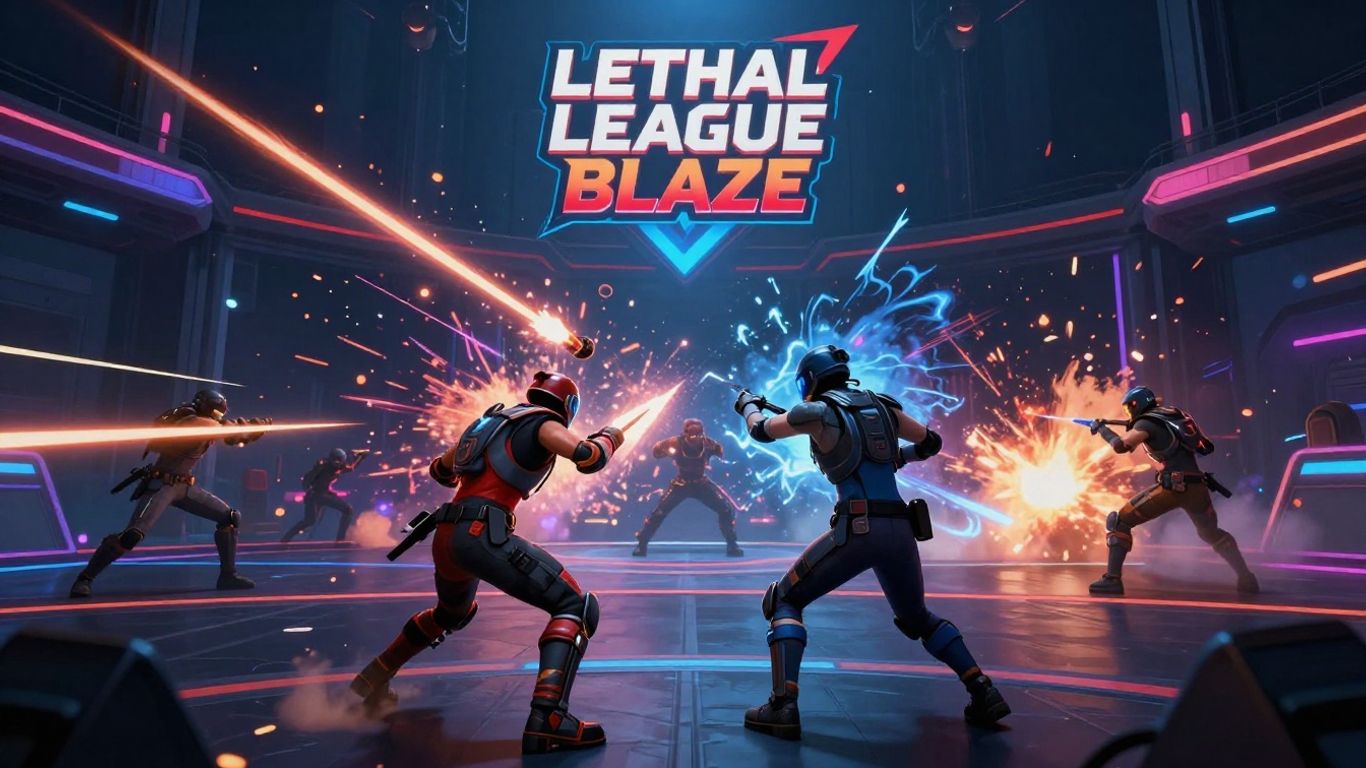
Lethal League Blaze is a really unique take on the fighting game genre. Instead of focusing on depleting a health bar, the goal here is to hit your opponent with a ball that gets faster and faster. It’s all about timing and predicting where that ball is going to go. The game has a distinct visual style, kind of retro-futuristic, and the soundtrack slaps, which really adds to the overall vibe.
What makes Blaze stand out is its "bunus mode" where players can practice combos and movement. It’s a good way to get a feel for the characters and their special moves without the pressure of a match. The core gameplay loop is simple to grasp but hard to master, which is a good sign for any fighting game.
- Unique Gameplay: The central mechanic revolves around hitting a ball that accelerates with each hit, creating a frantic pace.
- Diverse Roster: Blaze features a cast of characters, each with their own special abilities and playstyles, adding replayability.
- Fast-Paced Action: Matches are quick and intense, demanding quick reflexes and strategic thinking.
- Stylish Presentation: The game boasts a striking art style and an energetic soundtrack that complements the gameplay.
The game’s focus on projectile-based combat and the escalating speed of the ball creates a distinct competitive experience that sets it apart from traditional fighters. It’s a game that rewards precision and quick decision-making above all else.
If you’re looking for something different in the fighting game space, something that’s easy to pick up but offers a lot of depth, Lethal League Blaze is definitely worth checking out. It’s a blast, especially with friends.
Power Rangers: Battle for the Grid
Who would have thought that the Power Rangers, a franchise known for its colorful heroes and giant robots, would get a surprisingly solid fighting game? Power Rangers: Battle for the Grid proves that the team-up potential isn’t just for giant robot battles. This game takes a surprisingly deep dive into fighting game mechanics while keeping things accessible, making it a fun experience for both longtime fans and newcomers to the genre.
What makes Battle for the Grid stand out is its tag-team system. You can build a squad of three fighters, and switching between them on the fly is a big part of the strategy. It’s not just about picking your favorite Rangers; you have to think about how their abilities and assist moves will work together. This adds a layer of complexity that can really change the flow of a match. The controls are pretty straightforward, which is great for getting into the action quickly, but there’s enough depth to keep you coming back for more.
Here’s a look at some of the core mechanics:
- Tag-Team Combat: Switch between your three chosen fighters mid-combo or to escape pressure.
- Assist Calls: Use your non-active characters to help out with attacks or to extend your own combos.
- Super Moves: Unleash powerful cinematic attacks unique to each character or team-up.
- Character Variety: The roster includes characters from various Power Rangers eras, offering different playstyles.
The game features a surprisingly robust online mode, allowing players to test their team compositions against others worldwide. It also includes a story mode that ties into the Power Rangers lore, which is a nice touch for fans. While the graphics might not be the most cutting-edge, the gameplay is smooth and responsive, which is really what matters most in a fighting game.
Battle for the Grid manages to blend the familiar charm of the Power Rangers with engaging fighting game systems. It’s a game that respects your time, offering quick matches and a clear progression, but also rewards those who put in the effort to learn its intricacies. It’s a great example of how a licensed game can be genuinely good.
Under Night In-Birth II [Sys:Celes]
The Under Night In-Birth series has always been a bit of a hidden gem in the fighting game community, and Under Night In-Birth II [Sys:Celes] continues that tradition. Developed by French-Bread, this game takes the unique mechanics established in its predecessors and refines them, offering a fresh experience for both newcomers and veterans.
What sets this series apart is its "In-Birth" system, which adds a layer of strategic depth. Characters can utilize "Grids" and "Veils" to gain temporary buffs or special abilities, changing the flow of a match in an instant. Mastering these systems is key to truly understanding the game’s potential. The roster is filled with distinct characters, each with their own set of moves and playstyles, ensuring there’s someone for everyone.
Under Night In-Birth II [Sys:Celes] also boasts a robust online mode, making it easier than ever to find matches and test your skills against players worldwide. The netcode has seen improvements, aiming for smoother online play.
The game’s narrative weaves a complex tale of light and shadow, with characters battling for control over a mysterious force known as the "Void." This lore is presented through engaging story modes and character interactions, adding a compelling backdrop to the fast-paced action.
Here are some of the core mechanics you’ll encounter:
- Grids: A resource that builds up over time, allowing characters to perform powerful "Veil Off" attacks or enhance their special moves.
- Veil Off: A temporary state where characters gain increased damage and access to unique combos, but at the cost of their Grids.
- Shields: A defensive mechanic that can be used to block attacks and create space, offering a way to reset the neutral game.
With its intricate mechanics, memorable characters, and engaging story, Under Night In-Birth II [Sys:Celes] stands as a strong contender for fans of anime-style fighting games looking for something with a bit more strategic flair.
Neo Geo Battle Coliseum and more
When we talk about fighting games, especially those with a bit of history, the Neo Geo platform often comes up. Neo Geo Battle Coliseum is one such title that brings together a wild cast of characters from various SNK franchises. It’s a crossover fighter that, while maybe not as widely known as some of the giants, offers a unique experience for fans of the SNK universe.
This game features characters from series like Fatal Fury, Samurai Shodown, and The King of Fighters, all duking it out in a tag-team format. The gameplay is pretty straightforward, focusing on accessible combos and special moves, making it a good entry point for newcomers. It’s a fun way to see characters from different SNK worlds interact and battle it out.
Beyond Neo Geo Battle Coliseum, the fighting game landscape is vast and filled with other interesting titles that might not always get the spotlight. Think about games that blend genres or offer unique mechanics. For instance, games like Lethal League Blaze bring a fast-paced, ball-bashing competitive spirit that’s quite different from traditional fighters. Then you have titles like Rivals of Aether, which takes inspiration from Super Smash Bros. but carves out its own identity with a focus on precise aerial combat and unique character designs.
Here are a few more examples of games that offer distinct fighting experiences:
- Lethal League Blaze: A unique take on competitive gaming where the goal is to hit a ball harder and faster than your opponent, all while avoiding getting hit yourself. It’s all about timing and power.
- Rivals of Aether: This game focuses on air combat and elemental powers, offering a deep strategic layer for players who enjoy mastering character matchups.
- Power Rangers: Battle for the Grid: A surprisingly solid tag-team fighter that brings together characters from across the Power Rangers multiverse, featuring accessible mechanics and cross-play support.
The world of fighting games is always expanding. While the big names get a lot of attention, there are countless other titles that offer fresh mechanics, unique character rosters, and engaging gameplay for players looking for something a little different. Exploring these less-traveled paths can lead to some truly rewarding gaming experiences.
These games, along with Neo Geo Battle Coliseum, show that there’s always something new to discover, whether you’re a seasoned pro or just starting out in the fighting game community.
Keep the Fight Going
From the flashing lights of the arcade to the endless possibilities online, the world of fighting games offers something for everyone. Whether you’re drawn to the deep strategy of a complex combo system or the simple thrill of a well-timed block, there’s a title out there waiting for you. We’ve looked at some of the greats, from timeless classics that defined the genre to modern marvels that push the boundaries. So grab a controller, find your favorite character, and jump into the action. The next match is always just a button press away, and the journey of mastering your skills is as rewarding as the victory itself.
Frequently Asked Questions
What are the newest and most popular fighting games right now?
Games like Street Fighter 6, Tekken 8, and Guilty Gear -Strive- are super popular and have lots of people playing online. They’re great choices if you want to jump into exciting matches with others.
Which fighting games are good for beginners?
If you’re new to fighting games, Granblue Fantasy Versus: Rising is a fantastic starting point. It’s known for being easier to pick up with simple controls and flashy moves, making it less intimidating for new players.
Are there fighting games with good story modes?
Yes! Mortal Kombat 1 is a great pick if you enjoy a compelling story alongside its intense fighting. It offers a deep narrative that pulls you into its world.
What are some classic fighting games worth playing today?
You can’t go wrong with the classics! Series like The King of Fighters and Dragon Ball FighterZ offer timeless gameplay and are perfect for both long-time fans and newcomers looking to experience iconic fighting action.
Are there fighting games that mix characters from different universes?
Absolutely! Games like Marvel vs. Capcom and Capcom vs. SNK 2 let you pit characters from wildly different worlds against each other, creating awesome dream matches that fans love.
What about fighting games that aren’t as serious and are more about fun?
For a more casual and fun experience, games like Super Smash Bros. Ultimate or Brawlhalla are excellent choices. They feature a huge cast of characters and are designed to be accessible and enjoyable for everyone.