
From pixelated mobsters to near-photorealism. The incredible 23-year graphics evolution that turned a cult classic into a cinematic powerhouse. How tech revolutionised gaming’s most iconic gangster saga and what’s next?

When you hear the word Mafia, what comes to mind?
For some, it’s the thrill of a gangster-filled drama; for others, it’s one of gaming’s most iconic series that has pushed the envelope in storytelling and, yes, graphics. Ever since its humble debut back in 2002, the Mafia franchise has been a fascinating case study in how video game visuals evolve.
Today, in 2025, we stand at a point where photorealism is almost indistinguishable from cinema, and Mafia has played a key role in paving that road.
Over the past 23 years, the series has transformed from an ambitious title developed by a handful of passionate creators into a cinematic powerhouse pushing the boundaries of graphical fidelity.
This journey hasn’t just been about higher resolutions or prettier effects, it’s a story of technological innovation, artistic vision, and an unwavering commitment to immersion.
1. Mafia (2002)
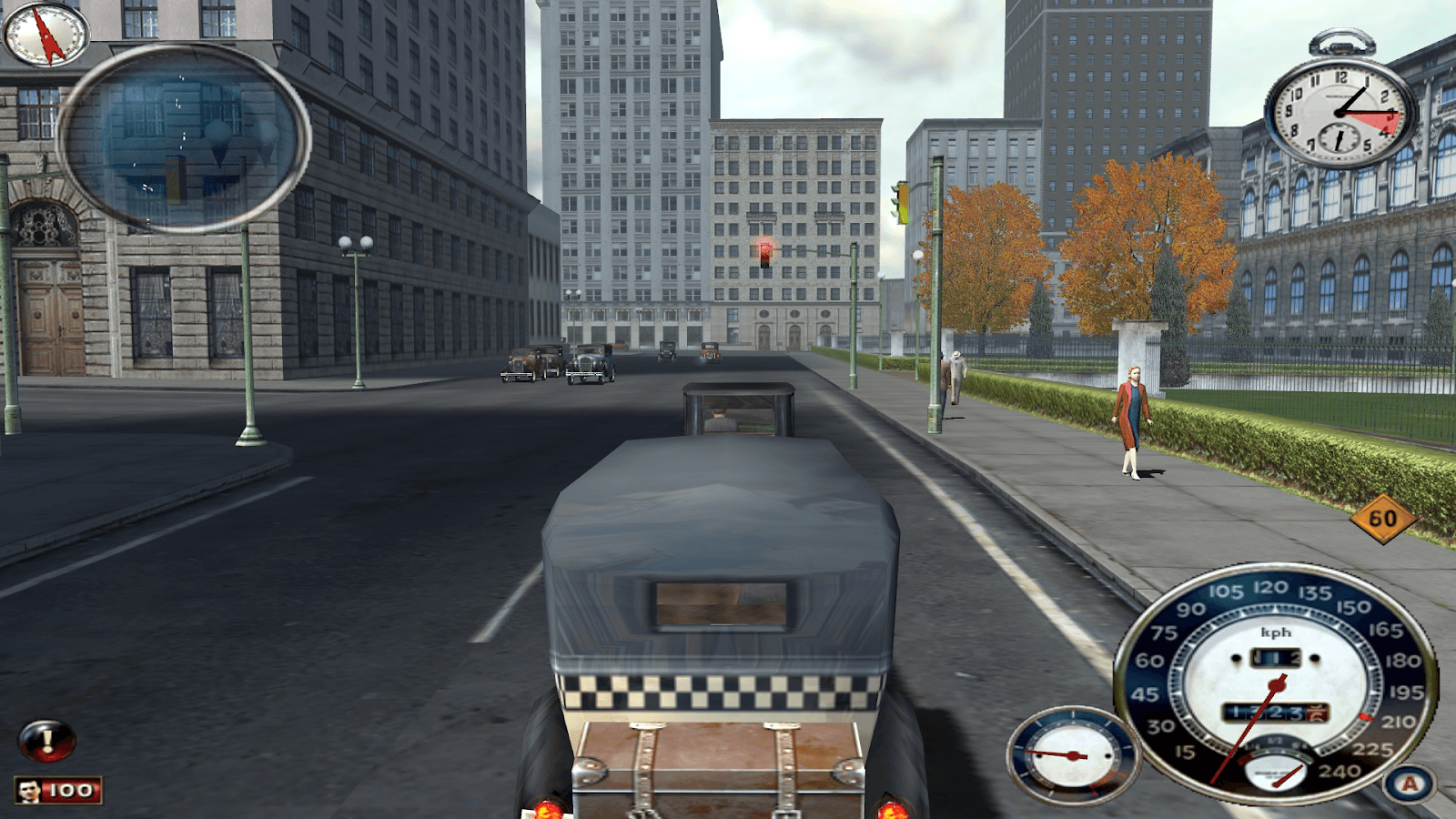
Developed by Illusion Softworks (later 2K Czech), the original Mafia was a testament to what a small, dedicated team could achieve with limited resources. The game was initially conceived with a different concept before writer Daniel Vávra suggested a gangster narrative inspired by films like Goodfellas. The team consisted of just 4-5 people at the start, growing to about 20-25 by completion. Despite its modest scale, the game aimed for unprecedented realism, a stark contrast to the more arcade-style open-world games of its time.
Technical innovations and limitations
- LS3D engine: The proprietary engine powered a surprisingly detailed open world for its time. The fictional city of Lost Heaven, inspired by 1930s Chicago and New York, spanned approximately 4.63 square miles and featured dynamic weather and day-night cycles.
- Vehicle physics: Mafia was pioneering in its realistic vehicle damage modelling. Cars sustained real-time deformation, with components like windows, tires, and bumpers able to be shot off or smashed, a level of detail unmatched in many contemporary titles.
- Draw distance constraints: Due to hardware limitations, draw distances were restricted to just a few hundred meters, preventing grand vistas but fostering an intimate, detail-focused environment.
Artistic achievements
The art team, including artists like Pavel Čížek and cinematographer Tomáš Hřebíček, used clever techniques to overcome technical barriers. Hřebíček, inspired by films like Terminator, even convinced the team to invest in a basic motion capture system—a magnetic setup covering only 2×2 meters that could record one actor at a time. This allowed for more nuanced cutscenes, though the player’s imagination still had to fill in many gaps due to low-poly character models and simplistic textures by today’s standards.
2. Mafia II (2010)
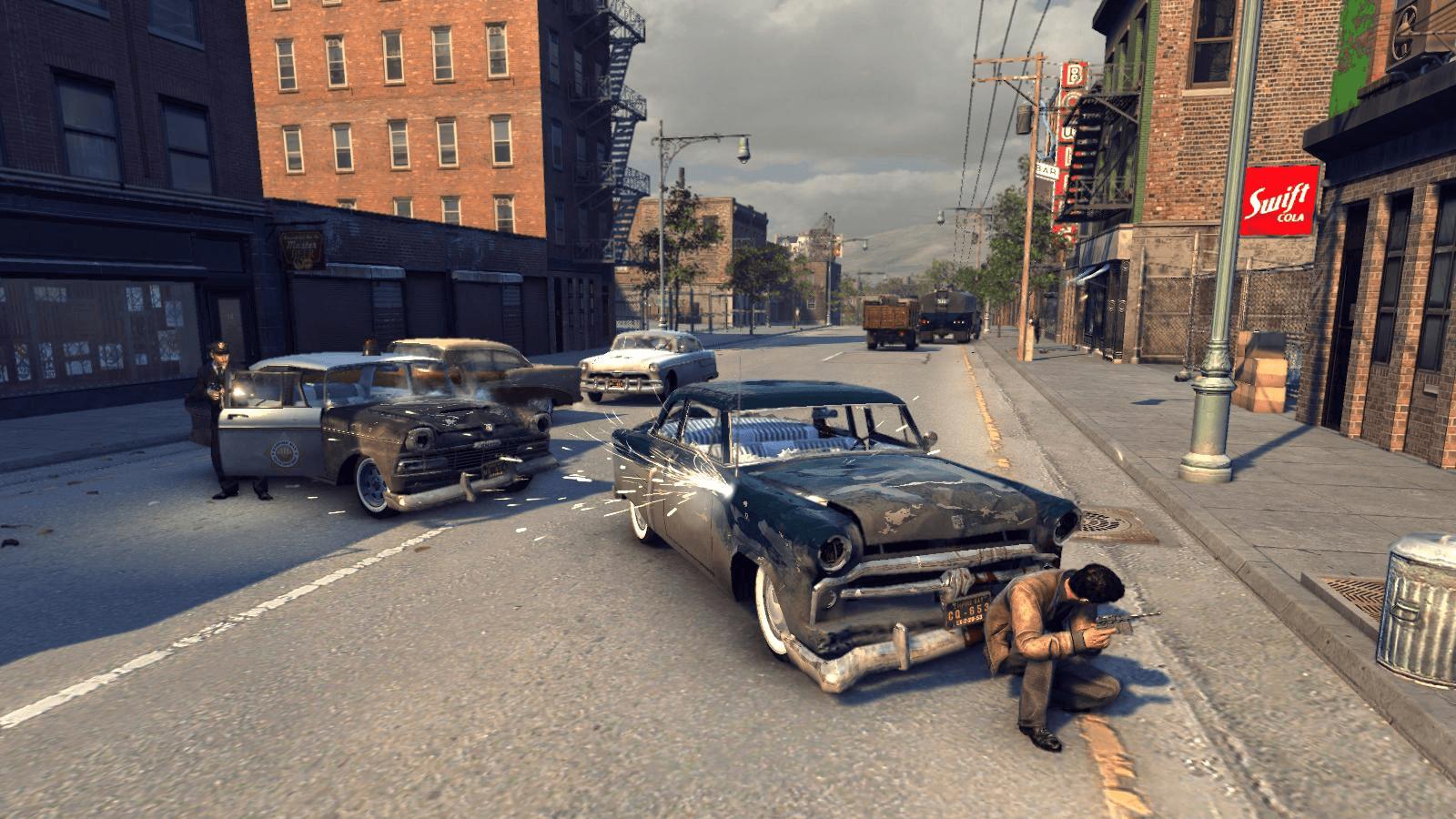
After the success of the first game, expectations were sky-high for a sequel. However, Mafia II’s development was notoriously turbulent. Initially planned using RenderWare, the team had to abandon it after EA acquired the engine and shifted to creating their own proprietary technology. This setback, combined with the transition to PlayStation 3 and Xbox 360, extended development to eight years.
Proprietary Engine: The new engine allowed for larger environments, with the fictional Empire Bay offering a more expansive and varied landscape than Lost Heaven.
Character Detail: Character models saw significant improvements, with more detailed faces and animations, though they still retained a somewhat stylised look compared to modern standards.
Dynamic Seasons: One of Mafia II’s most celebrated features was its dynamic season system, with snow, rain, and sunshine affecting both the environment and gameplay.
Cut Content and Missed Opportunities
Despite its visual strides, many planned features—like greyhound racing, reputation systems, and customisable safehouses, were cut due to time constraints. This left the world feeling more immersive visually but less interactive than initially envisioned.
3. Mafia III (2016)
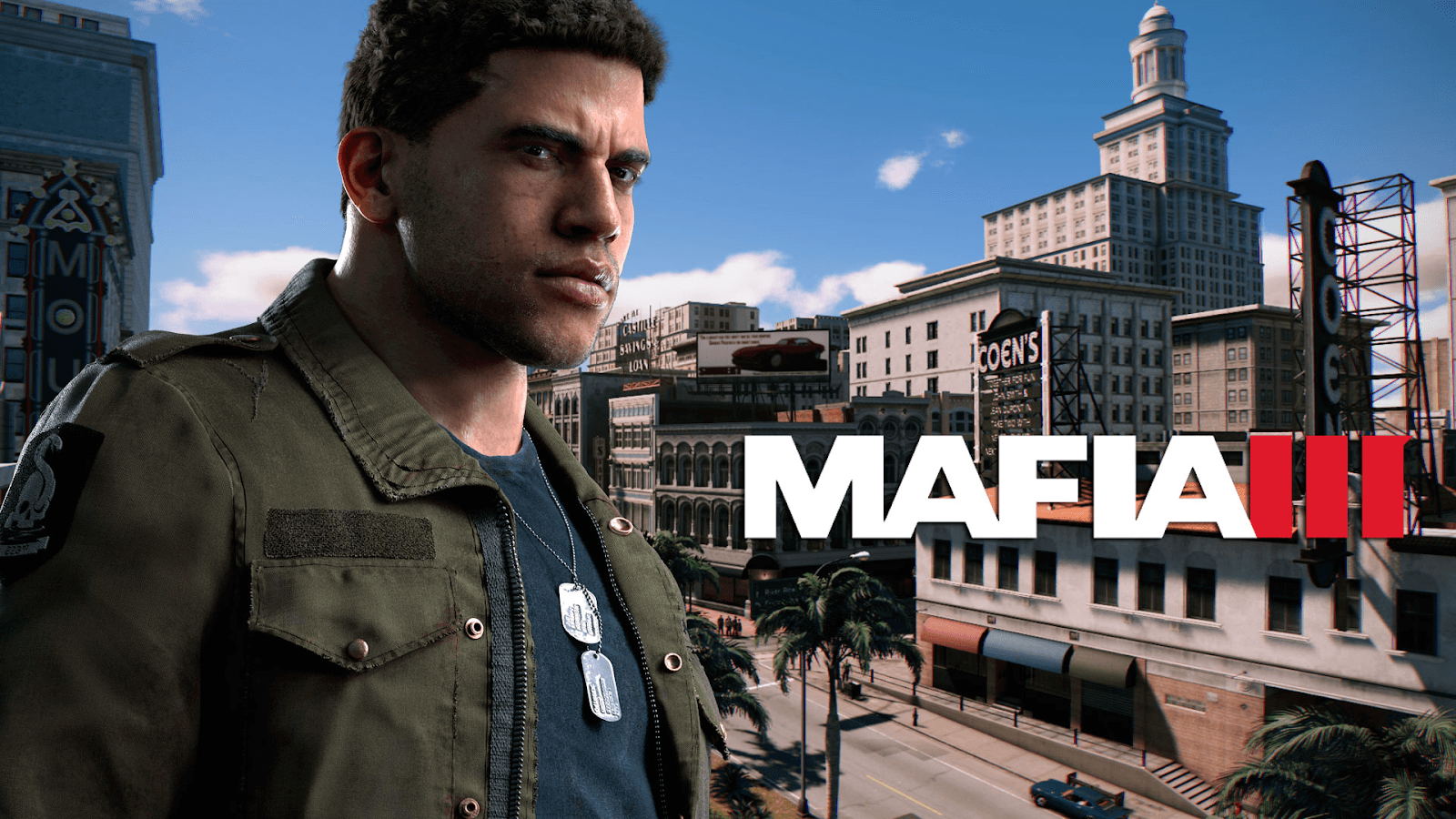
With Hangar 13 taking over development, Mafia III marked a significant shift. Set in 1968 New Orleans (fictionalised as New Bordeaux), the game aimed for a grittier, more politically charged narrative. However, the transition from Czech to American development led to a noticeable shift in artistic priorities.
Technical achievements and shortcomings
- Lighting and Atmosphere: The game introduced advanced volumetric lighting and weather effects, creating a humid, atmospheric rendition of the Southern United States.
- Repetitive Visual Design: While initially impressive, the world was criticised for repetitive mission design and environments, which detracted from the graphical polish.
- Character Animation: Motion capture technology saw significant upgrades, with more realistic facial animations and character performances, particularly in cutscenes.
Divergence from tradition
Many fans felt that Mafia III’s focus on gang warfare rather than traditional mafia hierarchy, combined with a less emotionally resonant story, made it feel like a departure from the series’ roots . Visually, it was competent but lacked the meticulous period authenticity that defined its predecessors.
4. Mafia: Definitive Edition (2020)
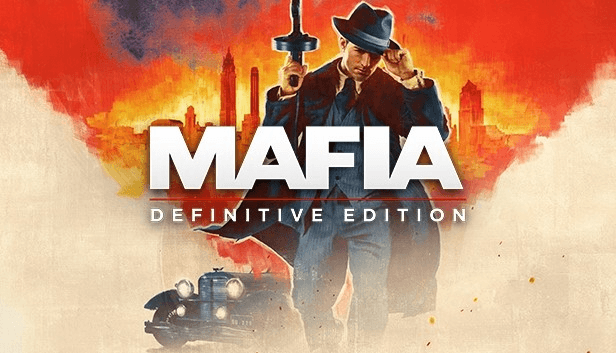
In 2020, Hangar 13 delivered a ground-up remake of the original game using modern technology. This wasn’t just a remaster, it was a complete visual overhaul, rebuilt to align with contemporary expectations while honouring the source material.
Key graphical improvements:
- Revamped Engine: The new engine allowed for vastly improved draw distances, enabling the team to create “scenic vistas” that were impossible in the original.
- Character Enhancements: Characters like Tommy Angelo and Sarah were given deeper narrative arcs, reflected in more detailed models and nuanced performances. Sarah, in particular, was redesigned to be more integral to the story, with added scenes that enriched her relationship with Tommy.
- Lighting and Weather: Dynamic global illumination and realistic weather effects brought Lost Heaven to life like never before.
Artistic integrity
The team, including original developers like Roman Hladík and Tomáš Hřebíček, worked to ensure the remake felt true to the spirit of the 2002 classic while leveraging modern tech to enhance immersion. This included integrating the game more cohesively into the series’ lore, such as adding collectible cigarette cards featuring characters from all three games.
5. Mafia: The Old Country (2025)

The upcoming Mafia: The Old Country represents the series’ most significant graphical leap yet. After decades using proprietary technology, Hangar 13 switched to Unreal Engine 5, leveraging its cutting-edge tools to create a visually stunning rendition of 1900s Sicily.
Features:
- Nanite and Lumen: These UE5 technologies allow for incredibly detailed environments and realistic lighting. Where buildings in previous titles had 20,000–30,000 triangles, they now boast over one million triangles, enabling unprecedented detail in rendering decayed plaster and weathered surfaces.
- Character Realism: Advanced motion capture and facial animation systems ensure characters convey emotion with near-photorealistic fidelity, enhancing the game’s cinematic storytelling.
- Atmospheric Lighting: Executive Producer Devin Hitch emphasises that lighting is “integral to our cinematic game experience,” whether it’s sun-drenched countryside or shadowy crypts.
What’s next for Mafia’s graphics?
With The Old Country setting a new benchmark, the future looks bright for the franchise. The shift to UE5 opens doors for even more realistic simulations, potentially incorporating:
- Ray-traced audio for immersive soundscapes.
- AI-driven animations for more responsive character interactions.
- Procedural destruction adding dynamism to environments.
The team’s willingness to adopt new technologies suggests that future entries will continue to push the envelope, perhaps venturing into virtual reality or real-time path tracing.
Final thoughts
Looking back from 2025, the Mafia franchise is more than just a gangster drama series, it’s a living record of how video games have evolved visually. From polygons and pixelated faces in 2002 to photorealistic mobsters with cinematic flair in 2020, the series showcases nearly a quarter-century of technological triumphs.
Where it goes next is anyone’s guess, but one thing is certain: the streets of Lost Heaven, Empire Bay, and New Bordeaux have proved timeless. Each new visual upgrade has pulled us back into another era, making us feel the grit, glamour, and grind of life as a mobster.So yes, the evolution of Mafia’s graphics isn’t just ‘incredible’. It’s a journey that mirrors the growth of gaming itself.