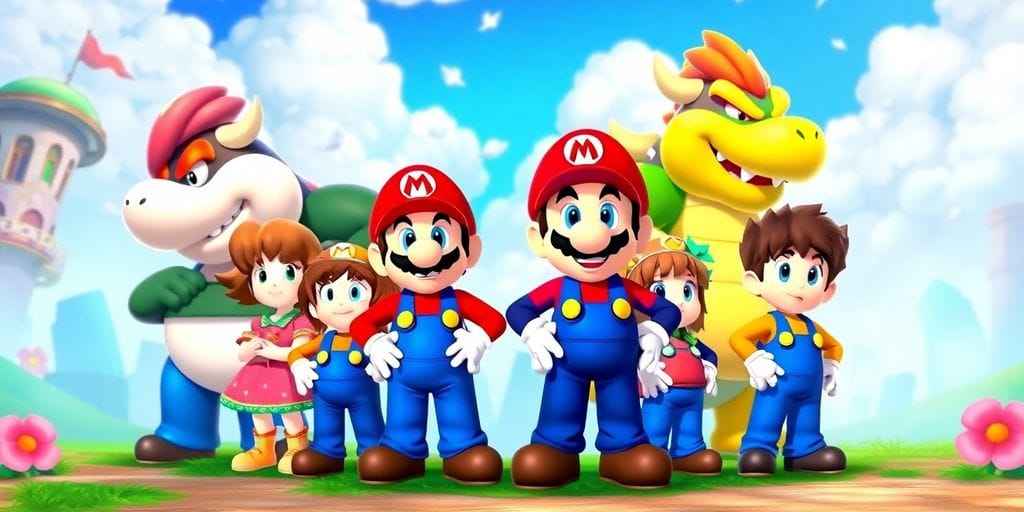
You know, sometimes you just want to revisit a game that really stuck with you. For me, that game is Super Mario RPG on the SNES. It’s one of those titles that just felt different, you know? Like, Mario doing an RPG? It sounded weird at first, but then you played it, and wow. It’s been ages, but I still think about how cool it was. It really holds up, and honestly, if you haven’t played the original Super Mario RPG on the SNES, you’re missing out on something special.
Key Takeaways
- Super Mario RPG on SNES brilliantly mixed Mario’s platforming fun with deep RPG elements, creating a unique experience.
- The game introduced the innovative Action Command system, making battles more interactive and engaging.
- Players explore a colorful world with memorable characters like Mallow and Geno, facing a new threat beyond Bowser.
- Its pre-rendered 3D graphics and catchy soundtrack were groundbreaking for the SNES era.
- The Super Mario RPG SNES remains a must-play classic, perfect for both RPG newcomers and seasoned fans.
A Unique Blend of RPG and Platforming
Super Mario RPG: Legend of the Seven Stars for the Super Nintendo wasn’t just another turn-based adventure; it was a bold experiment that fused the strategic depth of role-playing games with the immediate, action-oriented gameplay of platformers. This combination created an experience that felt fresh and exciting, setting it apart from its contemporaries.
Innovative Action Command System
One of the most talked-about features was the Action Command system. Instead of simply selecting an attack and watching it happen, players could press a button at a specific moment during an attack or defense to increase damage or reduce incoming harm. This added a layer of player skill and timing to every encounter.
- Attacking: Press the ‘A’ button just as Mario hits the enemy for extra damage.
- Defending: Press the guard button just as an enemy attack lands to block some of the damage.
- Special Moves: Many special moves had their own unique button prompts, requiring different timing and button combinations.
This system meant that even basic attacks could be engaging, turning every battle into a mini-game of reflexes. It was a clever way to keep players actively involved in the combat.
Dynamic and Engaging Combat
Beyond the Action Commands, the combat itself was designed to be visually dynamic. Enemies appeared on the field, and initiating a battle often involved Mario jumping on them, a nod to his platforming roots. The variety of attacks, spells, and status effects kept battles from becoming stale. Furthermore, the ability to jump into the fray with different party members, each with their own unique abilities, meant that players had to think strategically about their team composition and how to best exploit enemy weaknesses.
The game managed to make even the simplest of actions, like a basic jump attack, feel impactful and rewarding through its interactive combat mechanics.
Exploration and Puzzle Integration
Super Mario RPG didn’t confine its unique blend to battles. Exploration was also infused with platforming elements. Players often had to use Mario’s jumping abilities to traverse environments, reach hidden areas, or solve simple puzzles. This integration meant that the world felt more interactive and less like a static backdrop. Finding hidden blocks, secret paths, and optional areas required a keen eye and a willingness to experiment with Mario’s moveset, rewarding players who explored thoroughly.
An Unforgettable Cast and Story
Super Mario RPG: Legend of the Seven Stars really broke the mold when it came to Mario’s usual adventures. Instead of just rescuing Peach from Bowser, we get a much bigger story. A giant sword crashes into Mario’s castle, and suddenly, the world’s seven Star Pieces are stolen by a group called the Smithy Gang. This sets Mario off on a journey that’s way more involved than just jumping on Goombas.
Beyond Bowser: A New Threat
The game introduces us to a whole new set of villains, led by the eccentric and powerful Smithy. He’s not your typical bad guy; he’s a mechanical being from another world who wants to turn everything into metal. This shift from the familiar Bowser dynamic gives the narrative a fresh feel. Smithy’s goal isn’t just to kidnap a princess, but to fundamentally change the world, adding a sense of urgency and a different kind of threat.
Introducing Memorable Companions
Mario isn’t going it alone this time. He teams up with a really interesting group of characters, each with their own background and reasons for joining the quest. There’s Mallow, a timid tadpole who’s looking for his lost parents; Geno, a living doll with a mission from the Star Road; Bowser, who surprisingly joins Mario after being defeated; Princess Peach, who gets kidnapped but also helps out along the way; and the fierce yet lovable Yoshi. Each character brings something unique to the team, both in terms of personality and gameplay abilities. Their personal stories often intertwine with the main plot, making the journey feel more personal and engaging.
Restoring Balance to the Star Road
The core of the story revolves around collecting the seven Star Pieces to restore the Star Road, which has been broken by the Smithy Gang. This quest takes Mario and his friends across a diverse world, from bustling towns and ancient ruins to spooky forests and even a land made of candy. The narrative is filled with charming dialogue, humorous moments, and surprisingly touching character arcs. The way these characters grow and bond throughout their adventure is a major part of what makes the story so special. It’s a tale of friendship, courage, and putting the world back in order, all wrapped up in that classic Mario charm.
The game’s narrative structure, while following a clear objective, allows for plenty of side stories and character development that enrich the overall experience. It’s a story that feels both epic and intimate, making players care about the fate of the world and its inhabitants.
Visuals and Sound That Defined an Era
Pioneering Pre-Rendered 3D Graphics
Super Mario RPG was a visual marvel for its time, pushing the Super Nintendo’s capabilities to their limits. It was one of the first Mario games to utilize pre-rendered 3D graphics, giving characters and environments a distinct, almost polygonal look that was quite revolutionary. This technique, while common in later consoles, was a significant leap for the SNES, making the world of the Mushroom Kingdom feel more tangible and detailed than ever before. The character models, though built from 2D sprites, were designed with this 3D aesthetic in mind, giving them a unique charm.
Vibrant Environments and Expressive Characters
The game world is a feast for the eyes, bursting with color and personality. From the bustling streets of Mushroom Kingdom to the eerie depths of Kero Sewers and the majestic peaks of the Forest Maze, each area feels distinct and alive. The developers packed these locations with small details and animations that brought them to life, like the bouncing Goombas or the swaying trees. Character expressions are also surprisingly nuanced, conveying a range of emotions that added depth to the narrative. Even minor NPCs had unique designs and animations, making the world feel populated and dynamic.
Captivating Musical Score
The soundtrack of Super Mario RPG is as memorable as its visuals. Composed by Yoko Shimomura, the music perfectly complements the game’s adventurous and often whimsical tone. Each area and situation has a fitting melody, from the upbeat tunes of the Mushroom Kingdom to the more somber melodies of Bowser’s Keep. The score is not just background noise; it actively contributes to the atmosphere and emotional impact of the game, making key moments even more memorable. Tracks like the
The Legacy of Mario RPG on SNES
Shaping the Future of RPGs
Super Mario RPG: Legend of the Seven Stars wasn’t just another game; it was a significant turning point for the role-playing genre, especially on consoles. By blending the familiar, accessible world of Mario with the intricate systems of an RPG, it opened the door for many other titles to experiment with genre fusion. This collaboration between Nintendo and Square proved that beloved characters could successfully inhabit new gameplay styles, broadening the appeal of RPGs to a wider audience who might have been intimidated by more traditional entries.
A Timeless Classic for All Ages
What makes Super Mario RPG endure is its remarkable balance. It offers enough depth in its story, characters, and mechanics to satisfy seasoned RPG fans, yet its charming presentation, straightforward controls, and the inherent fun of the Mario universe make it incredibly welcoming to newcomers. This accessibility, combined with its engaging plot and memorable moments, ensures that the game remains a delightful experience regardless of when you first play it. It’s a game that respects your time while still providing a rich adventure.
Enduring Influence on Game Design
The game’s impact can be seen in how it influenced subsequent game development. The innovative Action Command system, for instance, added a layer of player interaction to turn-based combat that many games have since adopted or adapted. Furthermore, its success demonstrated the potential for unique character collaborations and the power of combining established franchises with new gameplay experiences.
- Genre Blending: Successfully merged platforming elements with RPG mechanics.
- Action Commands: Introduced interactive elements into turn-based battles.
- Character Development: Expanded the Mario universe with a diverse and memorable cast.
- Visual Innovation: Utilized pre-rendered 3D graphics to create a distinct aesthetic.
The game’s ability to feel both fresh and familiar is a testament to its thoughtful design, making it a benchmark for how to innovate within established series.
Why Super Mario RPG SNES Remains Essential
A Masterclass in Genre Fusion
Super Mario RPG on the SNES is a standout title because it so skillfully blends the familiar charm of Mario with the intricate mechanics of role-playing games. It’s not just a Mario game with stats; it’s a thoughtfully designed RPG that uses Mario’s world as its canvas. The game takes the turn-based combat typical of RPGs and injects it with a unique flair through the Action Command system. This means timing your button presses during attacks and defenses can significantly alter the outcome of a battle, making even simple encounters feel engaging and interactive. It’s this fusion that makes the gameplay feel fresh and exciting, even decades later.
Discovering Hidden Secrets and Challenges
Beyond the main quest, Super Mario RPG is packed with secrets that reward players who explore thoroughly. The world is filled with hidden chests, optional bosses, and mini-games that offer unique items and experiences. For instance, finding all the hidden "Star Pieces" scattered throughout the game is a significant undertaking that unlocks powerful rewards. The "Lazy Shell" weapon, for example, requires a considerable amount of exploration and effort to obtain, but its power is unmatched. These hidden elements add a layer of depth that encourages replayability and keeps players invested in uncovering every last detail.
The Perfect Introduction to RPGs
For many players, Super Mario RPG served as their first real introduction to the RPG genre. Its accessible gameplay, bright and colorful presentation, and the universally recognized characters of the Mario universe made it far less intimidating than many other RPGs of its time. The game gradually introduces its mechanics, starting with simple combat and exploration, and slowly layering in more complex elements like status effects and party management.
The game’s design philosophy prioritizes player enjoyment and understanding, ensuring that newcomers can grasp the core concepts without feeling overwhelmed. This thoughtful approach to onboarding new players is a key reason why the game remains such a beloved entry point into the world of RPGs.
Here’s a look at some of the core RPG elements introduced:
- Experience Points (EXP): Earned after battles, leveling up characters to increase their stats.
- Leveling Up: Increases HP, FP, and base stats like Attack and Defense.
- Equipment: Weapons and armor can be bought or found to improve character abilities.
- Items: Consumables like Mushrooms for healing or Coins for purchasing goods.
- Special Moves: Unique abilities learned by characters as they progress.
A Timeless Adventure Worth Revisiting
Super Mario RPG: Legend of the Seven Stars truly stands as a testament to the creative spirit of the 16-bit era. It masterfully blended the familiar charm of the Mario universe with the intricate storytelling and mechanics of a role-playing game, a combination that felt fresh and exciting then, and still holds up today. The game’s unique approach to combat, its memorable cast of characters, and its engaging world design all contribute to an experience that has left a lasting impression on many players. For anyone looking to understand the roots of innovative RPG design or simply seeking a delightful and well-crafted adventure, Super Mario RPG on the SNES remains an absolute must-play classic, proving that great game design truly transcends time.
Frequently Asked Questions
What makes Super Mario RPG on SNES so special compared to other Mario games?
Super Mario RPG mixes the fun platforming Mario is known for with role-playing game (RPG) elements. Instead of just jumping, you also go on a big adventure, level up your characters, and fight enemies in a turn-based way, but with cool timed button presses called Action Commands that make battles exciting and different.
Who are the main characters in Super Mario RPG?
Besides Mario, you meet new friends like Mallow, a shy cloud boy, and Geno, a living doll with a secret mission. You also encounter familiar faces like Princess Peach and Bowser, who join your party at different times. Even Bowser isn’t the main bad guy this time!
What is the story about in Super Mario RPG?
The story starts with Mario trying to save Princess Peach from Bowser, but a new, powerful villain named Smithy shows up and messes things up! Smithy breaks the Star Road, which keeps the world peaceful. Mario has to team up with his new friends to find seven magical stars and fix the Star Road to bring peace back.
How did the graphics and sound stand out for their time?
Super Mario RPG used fancy pre-rendered 3D graphics, making the world look really detailed and colorful for the Super Nintendo. The music is also amazing, with catchy tunes that fit every situation, from exploring towns to fighting tough bosses. It really made the game feel magical.
Is Super Mario RPG hard to get into if I’m new to RPGs?
Not at all! Super Mario RPG is a great starting point for anyone curious about RPGs. Its controls are easy to learn, the story is engaging, and the mix of Mario’s action with RPG elements makes it super fun and not too complicated. Plus, the Action Commands help you feel involved in every battle.
Does Super Mario RPG have any secrets or extra things to find?
Absolutely! The game is packed with hidden items, secret areas, and optional challenges. Exploring every nook and cranny is rewarded, and there are even special moves and powerful gear to discover if you look closely. It’s a game that keeps giving even after you think you’ve seen it all.