

Alright, so the big League of Legends tournament, MSI 2025, just wrapped up. It was held in Vancouver this year, and let me tell you, it was quite the event. We saw some amazing plays, some surprising upsets, and ultimately, a new champion crowned. If you missed any of the action or just want to catch up on all the details, you’ve come to the right place. We’re going to break down all the MSI 2025 results, who ended up on top, and what it all means.
Key Takeaways
- Gen.G successfully defended their MSI title, beating T1 in a close finals match.
- The tournament featured the new Fearless Draft format for the first time, changing how champions were picked.
- MSI 2025 was held in Vancouver, Canada, marking a significant international esports event for the city.
- The prize pool for the event was a substantial $2,000,000 USD, distributed among the participating teams.
- The results of MSI 2025 have implications for qualification for the 2025 League of Legends World Championship.
1. MSI 2025 Overview
The Mid-Season Invitational (MSI) is a major event in the League of Legends esports calendar, happening between the first and second halves of the competitive year. For 2025, this prestigious tournament took place in Vancouver, British Columbia, Canada, bringing together the top teams from around the globe. This year’s MSI 2025 featured ten teams, with two representatives from each of the major professional regions.
The competition is structured into two main phases: the Play-In Stage and the Bracket Stage. The Play-In Stage typically involves teams that need to earn their spot in the main event, while the Bracket Stage features the top contenders battling it out in a double-elimination format.
Here’s a quick look at the format:
- Play-In Stage: Four teams compete in a GSL-style group stage. The top two teams from this stage advance to the Bracket Stage.
- Bracket Stage: Eight teams, including those who received a bye, compete in a double-elimination bracket. All matches throughout both stages are best-of-five (Bo5) and utilize the Fearless Draft pick system.
The winner of MSI 2025 not only claims the title of international champion but also secures a direct qualification for the World Championship later in the year, provided they reach their regional playoffs. Additionally, the second-place region receives a valuable fourth seed for their domestic league at Worlds, adding significant stakes to the tournament’s outcome.
2. Participating Teams
This year’s Mid-Season Invitational brings together a diverse group of top-tier teams from around the globe, each having fought their way through rigorous domestic leagues and regional qualifiers. These teams represent the pinnacle of competitive League of Legends, showcasing a blend of established powerhouses and rising contenders.
The competition features sixteen teams, divided into two stages: the Play-In Stage and the Bracket Stage. The Play-In Stage sees a smaller group of teams battling for a chance to advance, while the Bracket Stage includes the top performers from the Play-Ins alongside teams that have already secured a direct spot.
Here’s a look at the teams that have earned their place at MSI 2025:
- Directly Qualified for Bracket Stage:
- Participating in the Play-In Stage:
The path to MSI is never easy, and the teams here have demonstrated incredible skill, strategy, and resilience. Each region sends its best, making for a truly international spectacle of esports.
This lineup promises a thrilling tournament, with regional rivalries and the pursuit of international glory at the forefront. Fans can expect to see a wide array of playstyles and champion picks as these elite teams clash.
3. Play-In Stage Results
The Mid-Season Invitational’s Play-In Stage kicked off the tournament, setting the stage for the main event. This initial phase featured four teams battling it out in a double-elimination bracket, with every match played as a best-of-five series. The pressure was on, as only the top two teams would earn a coveted spot in the Bracket Stage.
Here’s how the Play-In Stage unfolded:
- June 27: G2 Esports faced off against FURIA in a tense opening match. G2 Esports secured a 3-2 victory, moving forward in the winners’ bracket.
- June 27: Bilibili Gaming (BLG) took on GAM Esports. BLG demonstrated strong performance, winning the series 3-0.
- June 28: The Losers’ Bracket saw FURIA playing GAM Esports. GAM Esports emerged victorious with a 3-2 win, eliminating FURIA from the tournament.
- June 28: In the winners’ final, G2 Esports met Bilibili Gaming. BLG continued their dominant run, defeating G2 Esports 3-0 and securing their place in the Bracket Stage.
- June 29: The final qualification match determined the second team to advance. G2 Esports faced GAM Esports in a decisive series. G2 Esports fought hard and won 3-2, clinching the second spot in the Bracket Stage.
Bilibili Gaming and G2 Esports successfully advanced from the Play-In Stage to join the main Bracket Stage.
The Play-In Stage is designed to give teams from less dominant regions a chance to prove themselves against established contenders. It’s a high-stakes environment where every game matters, and the double-elimination format means teams get a second chance if they falter early on, but only if they can win through the lower bracket.
This stage not only determined which teams moved on but also provided early insights into team form and strategies heading into the more competitive phases of MSI 2025.
4. Bracket Stage Results

The Bracket Stage of the Mid-Season Invitational is where the competition really heats up. This is where the top teams, including those who qualified directly and the survivors from the Play-In Stage, battle it out in a double-elimination format. Every match here is a best-of-five, meaning teams need to bring their A-game consistently to advance.
The stage kicked off with the Upper Bracket, setting the initial path for teams to reach the Grand Finals. Early upsets and dominant performances quickly shaped the narrative.
Here’s a look at how the Bracket Stage unfolded:
- Upper Bracket Round 1: The initial matches saw strong showings from teams like Gen.G and T1, who secured early victories. However, some close series, like T1’s win against CTBC Flying Oyster, showed that no team was guaranteed an easy path.
- Upper Bracket Round 2: This round featured intense matchups, including a nail-biting series between Gen.G and Anyone’s Legend, with Gen.G ultimately prevailing. T1 continued their strong run, defeating Bilibili Gaming.
- Lower Bracket: As teams fell from the Upper Bracket, they entered the Lower Bracket, fighting for a second chance. Teams like Bilibili Gaming and Anyone’s Legend made impressive runs through this bracket, demonstrating resilience.
- Upper Bracket Final: The clash between Gen.G and T1 was a highly anticipated showdown, with Gen.G emerging victorious in a close 3-2 series, securing their spot in the Grand Finals.
- Lower Bracket Final: The battle for the second Grand Finals spot was fierce, with T1 ultimately defeating Anyone’s Legend in another close 3-2 match.
The Bracket Stage is a true test of a team’s ability to adapt and perform under pressure. The double-elimination format means that even a single loss doesn’t end a team’s tournament hopes, but it certainly makes the path to the finals much more challenging.
The Grand Finals ultimately pitted the titans Gen.G against T1 in a rematch that decided the MSI 2025 champion. The series went the full distance, with Gen.G securing the championship title in a thrilling 3-2 victory.
5. Final Standings
After a thrilling tournament filled with incredible plays and unexpected upsets, the MSI 2025 has concluded. The final standings reflect the culmination of intense competition across both the Play-In and Bracket Stages. Teams battled fiercely for every win, showcasing their skill and strategic depth.
Gen.G has emerged as the champions of the Mid-Season Invitational 2025.
Here’s how all the participating teams stacked up:
| Rank | Team Name |
|---|---|
| 1 | Gen.G |
| 2 | T1 |
| 3 | Anyone’s Legend |
| 4 | Bilibili Gaming |
| 5 | CTBC Flying Oyster |
| 6 | FlyQuest |
| 7 | Movistar KOI |
| 8 | G2 Esports |
| 9 | GAM Esports |
| 10 | FURIA |
This year’s MSI saw a dynamic performance from all regions. The top teams demonstrated exceptional teamwork and adaptability, setting a high bar for future competitions. The journey from the initial Play-In stage to the Grand Finals was a testament to the dedication and hard work of every player and coaching staff involved.
The results of the MSI 2025 not only crown a champion but also significantly impact the qualification paths for the upcoming World Championship. The performance here provides valuable insights into the current meta and the strengths of each major region heading into the latter half of the competitive season.
6. Prize Pool Distribution
The Mid-Season Invitational (MSI) always comes with a significant prize pool, and 2025 was no different. A total of $2,000,000 USD was up for grabs, distributed among the participating teams based on their final placement in the tournament. This prize money is a key motivator for teams, reflecting their performance and dedication throughout the intense competition.
Here’s how the prize money was divided:
- 1st Place: $500,000 (25% of the total pool)
- 2nd Place: $300,000 (15% of the total pool)
- 3rd Place: $240,000 (12% of the total pool)
- 4th Place: $200,000 (10% of the total pool)
- 5th-6th Place: $160,000 (8% of the total pool)
- 7th-8th Place: $130,000 (6.5% of the total pool)
- 9th Place: $100,000 (5% of the total pool)
- 10th Place: $80,000 (4% of the total pool)
This distribution structure rewards teams that make it further into the tournament, with the champions taking home the largest share. It’s a standard approach in esports, aiming to provide substantial rewards for top-tier performance while still offering some compensation for all participants.
The prize pool distribution is designed to reflect the competitive hierarchy of the tournament, ensuring that the teams achieving the highest ranks receive the most significant financial rewards. This system acknowledges the immense effort and skill required to reach the final stages of the Mid-Season Invitational.
It’s interesting to see how the prize money scales down. For instance, the difference between winning the entire tournament and coming in second is a substantial $200,000. Similarly, the gap between 3rd and 4th place is $40,000. These figures highlight the importance of every single match and series played, especially in the later stages of the bracket.
Beyond the direct prize money, teams also compete for other incentives, such as qualification spots for the World Championship, which can indirectly lead to further financial benefits and prestige for their respective regions and organizations. The MSI prize pool, therefore, is just one part of the overall reward system for professional League of Legends teams.
7. Match Schedule
The Mid-Season Invitational (MSI) 2025 featured a packed schedule, kicking off with the Play-In stage and progressing through the Bracket stage to the Grand Finals. Matches were played across several weeks, with specific dates and times detailed below.
The tournament spanned from late June through mid-July 2025.
Here’s a breakdown of the key match periods:
- Play-In Stage: This initial phase determined which teams advanced to the main event. It involved several rounds of matches to seed the teams.
- Bracket Stage: This stage featured a double-elimination format, where teams fought through the Upper and Lower Brackets. A loss in the Upper Bracket sent a team to the Lower Bracket, offering a second chance to reach the finals.
- Grand Finals: The culmination of the tournament, where the top two teams battled it out in a best-of-five series to determine the MSI 2025 champion.
Match details, including specific dates, times (in various time zones like PDT, CET, and KST), and the patch version the games were played on (Patch 25.13), were meticulously tracked. Each match was a best-of-five (Bo5) series, except for some early Play-In games which might have been best-of-three (Bo3).
The schedule was designed to allow teams adequate rest between matches while maintaining momentum throughout the tournament. Viewers could follow the action live or catch up on VODs.
Below is a summary of the match progression through the Bracket Stage:
| Round | Dates (PDT) | Key Matches |
|---|---|---|
| Upper Bracket Round 1 | July 1 – July 3 | GEN vs. G2, AL vs. FLY, MKOI vs. BLG, CFO vs. T1 |
| Upper Bracket Round 2 | July 4 – July 5 | GEN vs. AL, T1 vs. BLG |
| Lower Bracket Round 1 | July 4 – July 5 | G2 vs. FLY, CFO vs. MKOI |
| Lower Bracket Round 2 | July 7 – July 8 | AL vs. CFO, BLG vs. FLY |
| Upper Bracket Final | July 9 | GEN vs. T1 |
| Lower Bracket Round 3 | July 10 | BLG vs. AL |
| Lower Bracket Final | July 11 | T1 vs. AL |
| Grand Final | July 12 | GEN vs. T1 |
This structured schedule ensured a clear path for teams to advance and provided a consistent viewing experience for fans worldwide.
8. Format Details
The Mid-Season Invitational (MSI) 2025 featured a multi-stage format designed to test teams across different competitive environments. It kicked off with a Play-In Stage, followed by a robust Bracket Stage, culminating in the Grand Finals.
Play-In Stage
This initial phase involved teams from smaller regions and some from larger regions that didn’t secure top seeds. They were divided into groups and competed in double-elimination brackets. The top teams from these groups advanced to the Bracket Stage, while others were eliminated.
Bracket Stage
Here, the competition intensified. Teams that advanced from the Play-In Stage joined the top seeds from the major regions. This stage utilized a double-elimination bracket format. Teams had to win their way through the upper bracket or fight their way back from the lower bracket after a loss. Two losses meant elimination from the tournament.
Match Structure
All matches throughout the MSI 2025, from the Play-In Stage through the Grand Finals, were best-of-five (Bo5) series. This format allows for strategic adjustments and showcases a team’s adaptability over multiple games.
Fearless Draft
MSI 2025 also implemented the "Fearless Draft" for certain matches. In this unique draft format, once a champion was picked by any team, it became unavailable for selection by any other team for the remainder of that specific match. This encouraged diverse champion picks and tested teams’ broader champion pools.
The structure of MSI is built to challenge teams not just on their best strategies, but also their depth and ability to adapt under pressure. The double-elimination bracket, especially, means that a single bad series doesn’t end a team’s tournament run, but it does make the path significantly harder.
Here’s a breakdown of the stages:
- Play-In Stage: Teams compete in groups, with double-elimination brackets determining advancement.
- Bracket Stage: A full double-elimination bracket featuring all qualified teams.
- Grand Finals: The ultimate showdown between the remaining two teams to determine the MSI 2025 champion.
9. Fearless Draft Explained
The Mid-Season Invitational in 2025 introduced a new way of picking champions called the Fearless Draft. This system changes how teams select their characters throughout a best-of-series match.
Here’s how it works:
- Champions picked in a game become unavailable for both teams in all following games of that same series. This means if a team picks, say, Ahri in Game 1, neither team can pick Ahri again for Game 2, Game 3, and so on, within that specific best-of-five series.
- This format was initially planned for just the first split of the season but was extended to the entire year due to positive reception.
- It adds a layer of strategic depth, forcing teams to think beyond just the current game and consider their entire series draft plan.
The Fearless Draft encourages adaptability and a broader champion pool from players and coaches. It moves away from relying on a few comfort picks repeatedly, pushing teams to explore more of the game’s roster and develop strategies on the fly.
This approach makes each series feel unique and unpredictable. Teams can’t just stick to the same winning composition game after game. They have to constantly adapt their strategies and champion picks based on what has already been used. It really tests a team’s overall game knowledge and their ability to prepare for a wide range of scenarios.
10. Champion Statistics
The Mid-Season Invitational (MSI) 2025 saw a diverse array of champions grace the Summoner’s Rift, each with varying degrees of success. Analyzing champion performance provides insight into the meta and the strategies employed by the world’s top teams.
The most frequently picked champions often reflect the current power balance in the game. These picks are typically those that offer strong laning, teamfight presence, or objective control.
Here’s a look at some of the most impactful champions based on pick and ban data:
- Rell: With a high pick rate, Rell proved to be a popular choice for her crowd control and engage capabilities, often paired with aggressive compositions.
- Jhin: This marksman was a consistent threat, favored for his high damage output and ability to control teamfights from a distance.
- Alistar: A staple support pick, Alistar’s resilience and crowd control made him a reliable anchor for many teams.
- Rumble: Known for his area-of-effect damage and lane pressure, Rumble was a strong contender in the top lane and sometimes mid lane.
- Vi: This jungler was picked for her strong ganking potential and ability to lock down key targets.
The data shows a clear trend towards champions that offer utility and reliable engagement, suggesting a meta that values coordinated team play and decisive initiations over individual carry potential alone.
Champion performance can also be viewed through the lens of specific matchups and team compositions. For instance, certain champions might have a high win rate when paired with specific allies, or conversely, struggle against particular enemy picks. This dynamic interplay is what makes the strategic depth of professional League of Legends so compelling.
11. Player Statistics
Beyond the team victories and losses, the Mid-Season Invitational is a showcase of individual talent. This year’s tournament saw some incredible performances from players across the globe, with statistics highlighting their impact on the Rift.
The data paints a clear picture of who dominated the lanes and who struggled to keep up. Analyzing these numbers gives us a deeper look into player strengths and champion synergies.
Here’s a look at some of the top performers and key statistics:
- Most Played Champions: Certain champions saw heavy play due to their effectiveness in the current meta. Champions like Rell, Jhin, and Alistar were frequently picked by teams aiming for strong engage and utility.
- Highest Kill Participation: Players who consistently contributed to their team’s kills were vital. High kill participation often correlates with a player’s ability to influence the game across the map.
- Top Damage Per Minute (DPM): For damage-dealing roles, DPM is a key metric. Players who could consistently output high damage put immense pressure on opponents.
While team strategy and coordination are paramount, individual player statistics offer a granular view of performance. These numbers can reveal emerging talents, confirm established stars, and even hint at potential meta shifts based on champion popularity and success rates.
Here’s a snapshot of champion performance, showing win rates and pick/ban percentages:
| Champion | Total Picks | Win Rate | Total Bans | Pick/Ban % |
|---|---|---|---|---|
| Rell | 18 | 38.89% | 10 | 22.78% |
| Jhin | 17 | 58.82% | 6 | 21.52% |
| Alistar | 17 | 52.94% | 10 | 21.52% |
| Rumble | 17 | 47.06% | 12 | 21.52% |
| Vi | 17 | 41.18% | 11 | 21.52% |
These statistics are just a glimpse into the individual brilliance displayed at MSI 2025. For a complete breakdown, including KDA ratios, gold per minute, and more, refer to the detailed statistics tables available elsewhere in this report.
12. MVP Awards
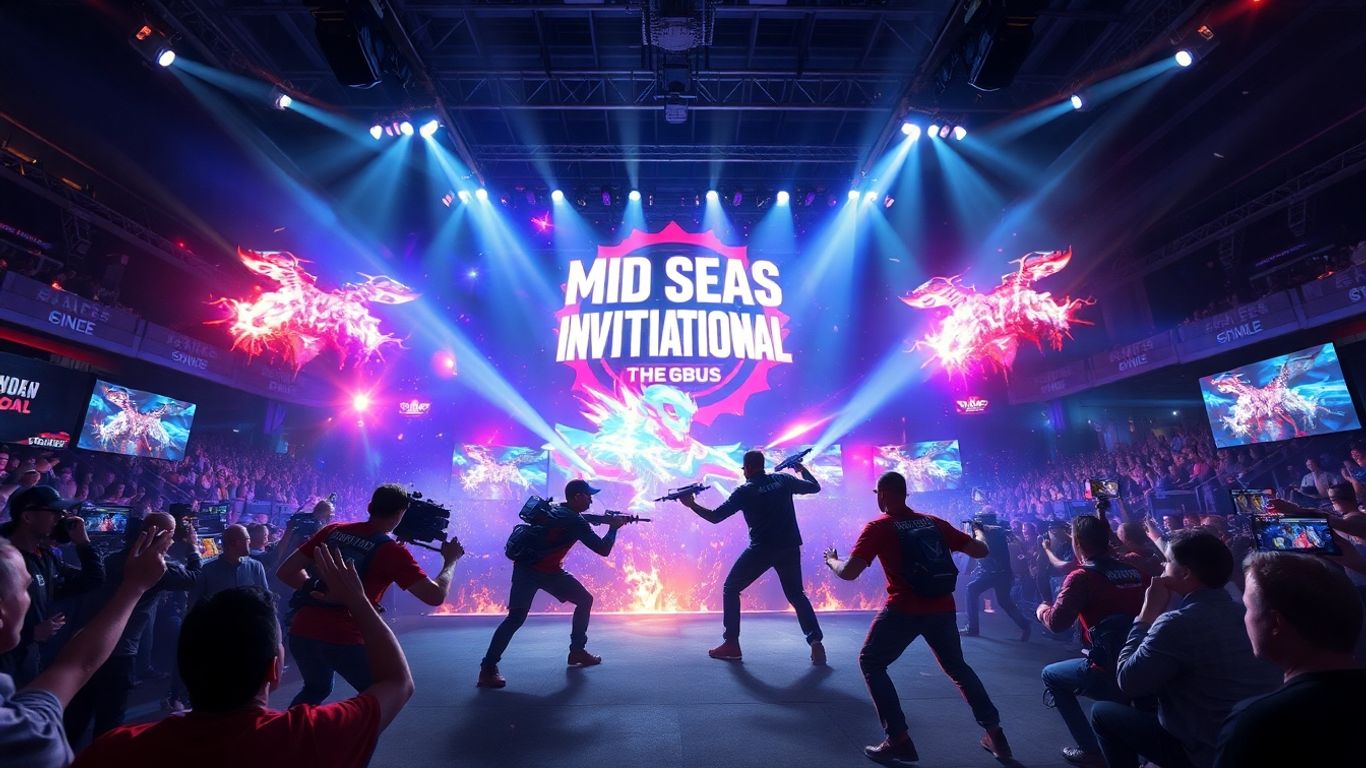
The Mid-Season Invitational (MSI) recognizes outstanding individual performance throughout the tournament. While the ultimate goal is team victory, individual accolades highlight players who consistently made a significant impact.
This year, the Finals MVP award went to Chovy for his exceptional play in the championship series.
Beyond the grand finals, other awards acknowledge top performers during different stages of the competition. These awards are often determined by a combination of in-game statistics, team success, and expert panel evaluations.
Here’s a look at some of the notable MVP recognitions:
- Play-In Stage MVP: Awarded to a player who demonstrated exceptional skill and leadership during the initial phase of the tournament, helping their team advance.
- Bracket Stage MVP: Celebrates a player who was a driving force in their team’s success through the double-elimination bracket, often making clutch plays under pressure.
- Finals MVP: The most prestigious individual award, given to the player whose performance was most instrumental in their team winning the MSI title.
These awards not only bring individual recognition but also serve as a testament to the high level of talent present at MSI.
The selection process for MVPs considers a wide range of factors, aiming to identify players who not only excelled statistically but also demonstrated strong game sense, leadership, and adaptability throughout their team’s journey in the tournament.
13. Regional Representation
The Mid-Season Invitational is a global event, and this year’s tournament saw a diverse mix of regions sending their best teams. It’s always interesting to see how different competitive scenes stack up against each other.
This year, we had a significant shift with the introduction of new pan-regional leagues. The Americas and APAC regions, for instance, now send teams from unified leagues, each securing two direct spots into the main event. This consolidation aims to streamline the path for top teams from these broader areas.
Here’s a look at how the regions were represented:
- League of Legends Champions Korea (LCK): Two direct spots into the Bracket Stage.
- League of Legends Pro League (LPL): Two direct spots into the Bracket Stage.
- League of Legends Championship of The Americas (LTA): One team started in the Play-In Stage, and another secured a direct spot in the Bracket Stage.
- League of Legends EMEA Championship (LEC): One team started in the Play-In Stage, and another secured a direct spot in the Bracket Stage.
- League of Legends Championship Pacific (LCP): One team started in the Play-In Stage, and another secured a direct spot in the Bracket Stage.
The inclusion of the LCP, a new combined Asia-Pacific league, and the LTA, a temporary merger in the Americas, marks a notable evolution in the tournament’s structure. These changes reflect Riot Games’ ongoing efforts to adapt and refine the international competitive landscape.
South Korea and China continued to show strong representation, consistently sending top-tier talent to the MSI. The performance of teams from these regions often sets the benchmark for global competition. It’s a testament to the depth of talent and the robust development systems within these established esports powerhouses.
14. Vancouver Venue Information
The 2025 Mid-Season Invitational took place in Vancouver, Canada, marking a significant moment as the country’s first time hosting an international League of Legends competition. The chosen venue for all the exciting matches was the Pacific Coliseum.
This historic arena has a rich past in esports, having previously hosted the 2017 NA LCS Spring Finals. Located at 100 N Renfrew St, Vancouver, BC V5K 4W3, the Pacific Coliseum provided a substantial stage for the tournament’s intense battles. Its capacity, listed around 16,281 to 17,500 spectators depending on the configuration, allowed for a considerable live audience to witness the top teams compete.
The choice of Vancouver and the Pacific Coliseum aimed to bring the global esports community to a vibrant Canadian city, offering a unique atmosphere for both players and fans. The venue’s infrastructure supported the complex production needs of a major international event like the Mid-Season Invitational.
Here’s a quick look at the venue:
- Name: Pacific Coliseum
- Location: 100 N Renfrew St, Vancouver, BC V5K 4W3, Canada
- Capacity: Approximately 16,281 – 17,500
- Significance: Hosted previous esports events, including the 2017 NA LCS Spring Finals.
The selection of the Pacific Coliseum for MSI 2025 underscored the growing importance of Canada as a host for major esports tournaments. Its size and established presence made it a fitting location for the high-stakes competition that unfolded throughout the event.
15. Broadcast Talent
Bringing the Mid-Season Invitational action to fans worldwide is a dedicated team of casters, analysts, hosts, and interviewers. These broadcast professionals work tirelessly to provide insightful commentary, engaging analysis, and a comprehensive viewing experience across multiple languages and platforms.
The broadcast talent for MSI 2025 features a mix of familiar faces and new voices, all passionate about League of Legends esports. Their collective knowledge and on-air chemistry are key to translating the high-stakes competition into an exciting spectacle for viewers.
Here’s a look at some of the key individuals who brought MSI 2025 to life:
- Play-by-Play Casters: These are the voices that guide you through the action, calling every crucial play and team fight with energy and precision.
- Color Casters/Analysts: Offering deeper game knowledge, these experts break down strategies, analyze player decisions, and provide context for the unfolding matches.
- Desk Hosts: They anchor the broadcast, leading discussions, interviewing players, and keeping viewers informed during breaks.
- Interviewers/Translators: Bridging the gap between players and fans, these individuals conduct player interviews and ensure smooth communication across different languages.
Beyond the primary English broadcast, MSI 2025 was supported by extensive regional talent, ensuring that fans could follow the tournament in their native languages. This included dedicated broadcast teams for regions like:
- China (LPL)
- Korea (LCK)
- Vietnam
- Brazil
- Latin America
- Japan
- Thailand
- Taiwan
The collaboration between these diverse broadcast teams highlights the global reach of the Mid-Season Invitational. Each region’s talent brings a unique perspective, reflecting the local passion and understanding of their respective teams and playstyles. This multilingual approach makes the tournament accessible and engaging for a truly international audience.
Fans could tune in via various platforms, including Twitch and YouTube, with official co-streamers also providing alternative viewing experiences. The commitment to providing high-quality broadcasts in numerous languages underscores Riot Games’ dedication to the global League of Legends community.
16. Sponsorships
The Mid-Season Invitational (MSI) wouldn’t be possible without the support of its partners. These collaborations help bring the event to life, from the broadcast production to the player experience.
This year’s MSI 2025 saw a strong lineup of sponsors, reflecting the growing influence of esports.
Here’s a look at some of the key partners who contributed to the success of MSI 2025:
- Amazon Web Services (AWS): Partnering to improve esports experiences through data and analytics.
- Cisco: Continuing their involvement in League of Legends esports.
- Coinbase: Supporting global League of Legends and VALORANT competitions.
- HP OMEN & HyperX: Providing hardware and support for players and broadcasts.
- Mastercard: Extending their global partnership with League of Legends esports.
- Mercedes-Benz: A long-standing partner in the esports scene.
These partnerships are vital for the continued growth and development of professional League of Legends. They not only provide financial backing but also bring unique activations and experiences for fans.
The involvement of major global brands highlights the significant reach and engagement of the Mid-Season Invitational. These collaborations are a testament to the event’s status as a premier esports competition, attracting both dedicated fans and a wider audience interested in competitive gaming.
17. Historical MSI Data
The Mid-Season Invitational (MSI) has a rich history, serving as a key benchmark in the League of Legends esports calendar. Since its inception, MSI has brought together the top teams from various regions, offering a unique glimpse into the global meta and showcasing the evolving strategies of professional play.
Over the years, certain regions have consistently demonstrated their dominance. South Korea (LCK) and China (LPL) have historically been the strongest contenders, frequently meeting in the finals and securing the championship title. This consistent performance highlights the depth of talent and the robust development pipelines within these regions.
Here’s a look at some key historical trends:
- Dominant Regions: South Korea and China have won the majority of MSI titles, establishing themselves as the powerhouses of professional League of Legends.
- Evolution of the Meta: MSI often dictates the meta for the rest of the year, with innovative strategies and champion picks frequently emerging from the tournament.
- Regional Representation Growth: While LCK and LPL have always been strong, other regions like EMEA and the Americas have shown significant improvement, with teams increasingly challenging the established order.
The MSI has consistently provided a platform for teams to test their mettle against the best from around the world. It’s more than just a tournament; it’s a snapshot of the current state of competitive League of Legends, influencing team strategies and fan expectations alike.
Looking back at past tournaments can offer valuable context for understanding the current competitive landscape. The performance of teams and players across different years provides insights into long-term development and the cyclical nature of success in esports.
18. Related Tournaments
The Mid-Season Invitational (MSI) is a key event in the global League of Legends competitive calendar, but it’s not the only major tournament players and fans look forward to. MSI serves as a mid-year check-in, a chance for teams to prove their mettle after the first half of the competitive year and a stepping stone towards the ultimate prize: the World Championship.
Here’s a look at other significant tournaments that shape the League of Legends esports landscape:
- League of Legends World Championship: Often simply called "Worlds," this is the pinnacle of competitive League of Legends. Held annually, it brings together the best teams from all major regions to compete for the title of World Champion. Winning Worlds is the highest honor in the game.
- Regional Leagues: Before teams can even dream of MSI or Worlds, they must first prove themselves in their respective domestic leagues. These include leagues like the LCK (Korea), LPL (China), LCS (North America), LEC (Europe), and many others. These leagues have their own splits and playoffs throughout the year, determining which teams qualify for international events.
- Regional Finals/Championships: Some regions have additional tournaments that act as final qualifiers or tie-breakers for international events, especially for seeding or the last available spots.
- Other International Events: While MSI and Worlds are the main global stages, there have been other international events in the past, like the Rift Rivals series, which focused on inter-regional competition between neighboring leagues. These events, though less frequent now, have historically provided exciting matchups.
Understanding how MSI fits into this larger ecosystem helps appreciate the journey teams undertake throughout the year. It’s a continuous cycle of competition, refinement, and striving for global dominance.
The path to becoming a world champion is a long one, with MSI acting as a critical checkpoint. Success here often indicates a team’s potential for the year-end World Championship, but it’s by no means a guarantee. Many teams use MSI to test strategies and identify weaknesses that can be addressed before the final push.
19. Patch Information
The Mid-Season Invitational (MSI) 2025 was played on a specific version of League of Legends, which significantly impacts champion balance, item effectiveness, and overall game strategy. For this tournament, the matches were contested on Patch 25.13. This patch brought a series of adjustments designed to fine-tune the competitive meta leading into the event.
Understanding the patch is key to grasping why certain champions were favored or why specific strategies emerged. Riot Games typically releases patches leading up to major tournaments to address any dominant strategies or underperforming elements of the game, aiming for a balanced and exciting competitive environment.
Key changes in Patch 25.13 included:
- Champion Adjustments: Several champions received buffs or nerfs. For instance, some top-lane bruisers might have seen their damage output tweaked, while certain support champions could have had their crowd control abilities adjusted.
- Item System Updates: Itemization is a core part of League of Legends. This patch likely saw modifications to existing items or the introduction of new ones, altering build paths and power spikes for various roles.
- Systemic Changes: Beyond individual champions and items, patches can also introduce broader gameplay changes, such as adjustments to jungle camps, objective timers, or even the flow of the early game.
The specific details of Patch 25.13 were meticulously analyzed by teams and casters alike. These changes directly influenced draft priorities, lane matchups, and late-game decision-making throughout the MSI 2025 tournament. The competitive scene’s ability to adapt to these patch notes often separated the top contenders from the rest.
While the exact patch notes are extensive, the overarching goal was to create a dynamic meta for MSI 2025. Teams had to master the nuances of Patch 25.13 to showcase their best performance on the international stage.
20. Draw Show Details
The Mid-Season Invitational (MSI) draw show is a key event that sets the stage for the Bracket Stage. It’s where the fate of the qualified teams is determined, shaping the initial matchups.
For MSI 2025, the draw show had a specific structure designed to create balanced and competitive groups. Here’s how it worked:
- Team Seeding: Teams were divided into four distinct seed pools. These pools were determined by how well each region performed in the FST 2025 tournament. This system aimed to ensure that stronger teams were spread out.
- Pool Composition:
- Pool 1: Included the top seeds from the LCK (GEN) and LEC (MKOI).
- Pool 2: Featured the top seeds from the LCP (CFO) and LPL (AL).
- Pool 3: Contained the top seed from the LTA (FLY) and the second seed from the LCK (T1).
- Pool 4: Was made up of the two teams that successfully advanced from the Play-In stage (BLG and G2).
- Matchup Structure: The draw dictated that teams from Pool 1 would face teams from Pool 4 in the first round of the Bracket Stage. Simultaneously, teams from Pool 2 were set to compete against teams from Pool 3.
A notable aspect of the MSI 2025 draw was that, due to the seeding structure and the qualification paths, there was no need for a live, randomized draw show. The matchups were predetermined based on the pool assignments and the qualification results from the Play-Ins. This approach aimed to provide clarity and predictability for teams and fans alike.
This setup also included a rule to prevent regional dominance in one half of the bracket, ensuring a more diverse spread of teams across the upper bracket’s initial matchups.
21. Viewership Statistics
The Mid-Season Invitational (MSI) continues to draw a massive global audience, showcasing the growing popularity of competitive League of Legends. While exact figures for MSI 2025 are still being compiled, past events indicate a strong upward trend.
MSI 2024, for instance, saw peak viewership numbers that consistently broke records, with millions tuning in simultaneously across various platforms. This year’s tournament is expected to build on that momentum, attracting fans from all major regions.
Key factors contributing to high viewership include:
- The competitive stakes: MSI represents a significant mid-year challenge for the world’s best teams, making every match important.
- Regional rivalries: Matches between dominant teams from different regions often generate the most interest.
- Star players and storylines: The presence of well-known players and compelling narratives within teams draws in both dedicated fans and casual viewers.
- Accessibility: Broadcasts are available in numerous languages and on multiple streaming services, making it easy for fans worldwide to watch.
The Grand Finals typically represent the pinnacle of viewership for the entire tournament.
While specific numbers for MSI 2025 will be released after the event concludes, the trend suggests continued growth in engagement. The event’s ability to unite a diverse global fanbase around high-level League of Legends gameplay is a testament to its enduring appeal.
The digital landscape for esports viewership is constantly evolving. Platforms like Twitch, YouTube, and regional services like Bilibili and Huya play a significant role in how fans consume content. The MSI’s success is tied to its presence on these diverse channels, catering to a wide array of viewer preferences and geographical locations.
22. Additional Content
Beyond the core match results and standings, the MSI 2025 event generated a wealth of supplementary material for fans. This section highlights some of the extra content available, offering deeper insights and broader perspectives on the tournament.
You can find full video replays of all matches, interviews with players and coaches, and behind-the-scenes footage.
Here’s a look at what else was made available:
- Interviews: Hear directly from the players and coaches about their experiences, strategies, and thoughts on the competition. These often provide a personal touch to the professional games.
- VODs and Match Links: For those who missed live games or want to rewatch key moments, comprehensive Video on Demand (VOD) archives and direct links to specific matches are provided.
- Articles and Features: In-depth articles exploring various aspects of the tournament, from team analyses to meta breakdowns, were published throughout the event.
The development of esports content extends beyond the live broadcast. Providing accessible archives and personal stories helps build a stronger connection between the fans and the teams they support, making the entire event more engaging.
For those interested in the broader context, information on regional representation and historical data from previous MSI events is also available, helping to paint a complete picture of the competitive landscape.
23. Trivia
Did you know that the Mid-Season Invitational has a history stretching back to 2015? It’s a tournament that has seen many legendary moments and player performances.
Here are a few interesting tidbits from MSI 2025:
- The Grand Finals match between Gen.G Esports and T1 was a nail-biter, going the full five games. This series alone showcased incredible skill and strategic depth from both teams.
- Faker, a veteran player, has made numerous MSI appearances, highlighting his long and storied career in professional League of Legends.
- South Korea once again showed its dominance, with players from the region making up a significant portion of the total player representation at the tournament.
The MSI is more than just a competition; it’s a testament to the evolving strategies and the sheer dedication of players from around the globe. Each year brings new narratives and unforgettable plays.
Let’s look at the number of MSI appearances for some notable players:
| Player | MSI 2015 | MSI 2016 | MSI 2017 | MSI 2018 | MSI 2019 | MSI 2021 | MSI 2022 | MSI 2023 | MSI 2024 | MSI 2025 |
|---|---|---|---|---|---|---|---|---|---|---|
| Faker | Yes | Yes | Yes | Yes | Yes | Yes | Yes | Yes | Yes | Yes |
| Caps | No | Yes | Yes | Yes | Yes | Yes | Yes | Yes | Yes | Yes |
| Bin | No | No | Yes | Yes | Yes | Yes | Yes | Yes | Yes | Yes |
24. References
To get the full picture of the MSI 2025 season and its outcomes, several sources were consulted. These provide detailed information on match results, team performances, and the overall esports landscape.
Here are the key references used:
- LoL Esports Official Announcements: These provide the most direct information regarding tournament schedules, format changes, and official statements from the organizers. For instance, the "LoL Esports in 2025" announcement on January 8, 2025, was a primary source for understanding the year’s competitive calendar.
- Esports News Outlets: Publications like Dot Esports and Inven Global offered in-depth reporting, analysis, and news updates throughout the tournament. Articles such as Cecilia Ciocchetti’s piece on the "Fearless Draft" on March 16, 2025, shed light on specific game mechanics and player strategies.
- Team and Player Spotlights: Articles from sources like Red Bull and Esports Insider often highlight top-performing teams and players, offering context beyond just the raw standings. For example, coverage of Gen.G’s victory on July 13, 2025, provided details on their championship run.
The information presented in this article is drawn from a variety of official and reputable esports journalism sources. These references ensure accuracy and provide a solid foundation for understanding the MSI 2025 event.
For those interested in the historical context, looking at past MSI events and their corresponding data is also beneficial. The "MSI Appearances" data, for example, shows how frequently certain players and teams have competed on the international stage over the years, offering a perspective on legacy and consistency within the professional League of Legends scene.
25. Ignite The Fire Within Slogan
The Mid-Season Invitational (MSI) always brings a unique energy, and the 2025 edition was no different. This year’s event was branded with the slogan "Ignite The Fire Within." This phrase really captures the spirit of the competition, pushing players to find that inner drive and passion.
It’s more than just a catchy phrase; it’s a call to action for the competitors. Think about it:
- Players are challenged to tap into their deepest reserves of skill and determination.
- Teams are encouraged to overcome adversity and perform at their peak.
- The slogan aims to inspire both the participants on stage and the fans watching around the globe.
This slogan was officially introduced on June 17, 2025, alongside a video explaining the tournament’s format. It set the tone for the entire event, reminding everyone what the Mid-Season Invitational is all about – intense competition and the pursuit of greatness.
The "Ignite The Fire Within" slogan served as a constant reminder of the high stakes and the personal journeys of the players involved. It speaks to the internal battle each competitor faces, not just against their opponents, but against their own limits.
Looking Back at MSI 2025
And so, the 2025 Mid-Season Invitational in Vancouver has wrapped up. We saw some incredible matches, a lot of close calls, and ultimately, a champion crowned. Gen.G proved they are a force to be reckoned with, defending their title. It was a tournament full of surprises and great plays, showing just how competitive the League of Legends scene is right now. We saw teams push their limits, and it’s exciting to think about what this means for the rest of the year and the upcoming World Championship. Thanks for following along with all the results and standings!
Frequently Asked Questions
What is the Mid-Season Invitational (MSI)?
The MSI is a big tournament for League of Legends that happens each year, right in the middle of the season. It’s a chance for the best teams from different parts of the world to compete against each other and see who’s the strongest.
Where was MSI 2025 held?
This year’s MSI took place in Vancouver, Canada. It was a cool event where fans could watch the games live in a special venue.
How many teams played in MSI 2025?
A total of ten teams battled it out at MSI 2025. These teams came from all the major professional gaming regions, showing off their skills.
What is the ‘Fearless Draft’ format?
The Fearless Draft is a new way teams pick their characters. Once a character is picked or banned in a game, it can’t be used again by either team for the rest of that match series. It makes the games more exciting and unpredictable!
How is the prize money divided?
There’s a big prize pool of $2,000,000 USD! The winning team gets a large chunk, with money also given to other top-placing teams. The exact amounts depend on how far each team makes it in the tournament.
What happens if a team wins MSI?
Winning MSI is a huge deal! The champion team automatically gets a spot in the year-end World Championship. Plus, the region that performed the best overall at MSI gets an extra spot for their teams at Worlds, which is great for their chances.