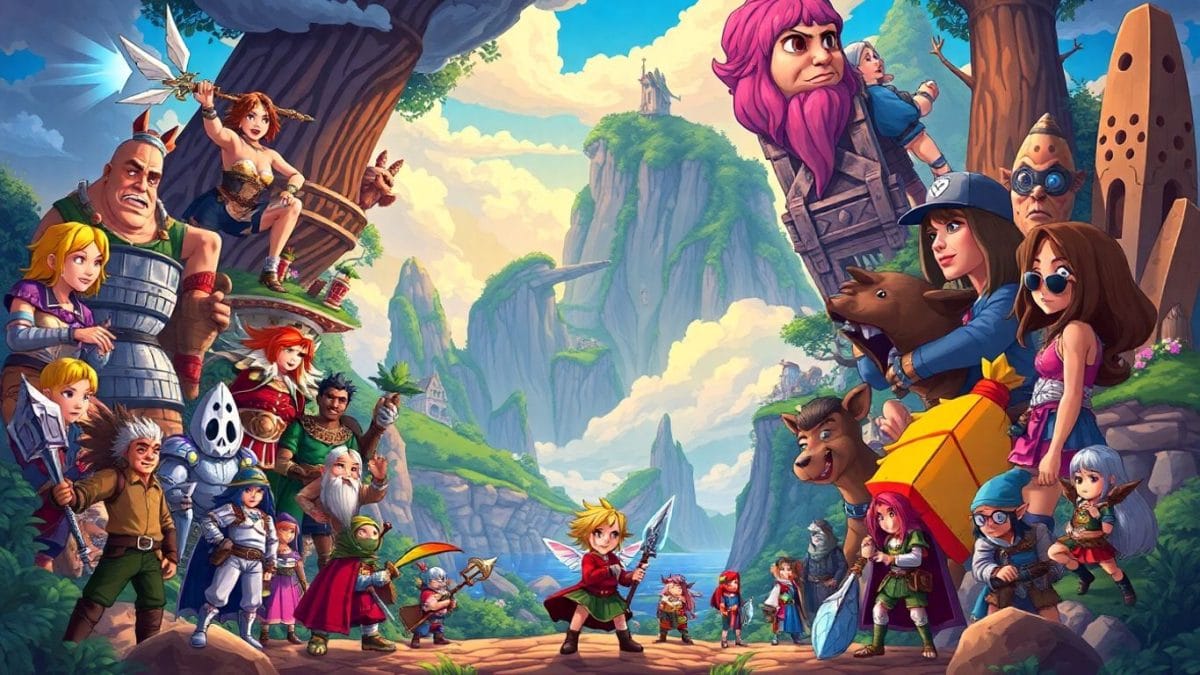
You know, RPG Maker games get a bit of a bad rap sometimes. People think they’re all amateurish or low quality because the tool is pretty easy to get into. But honestly, that’s not always the case. There are some seriously talented folks out there using RPG Maker to create some really cool stuff. We’re talking about games with great stories, interesting characters, and gameplay that’s just plain fun. Many of these are even free or really cheap, so there’s not much risk in trying them out. So, let’s look at some of the best RPG Maker games you might have missed.
Key Takeaways
- Many RPG Maker games offer unique stories and engaging gameplay, despite not having big budgets.
- The RPG Maker engine allows creators to build games without needing to code.
- While some games are amateurish, many talented developers use RPG Maker to create polished titles.
- Several highly-regarded RPG Maker games are available for free or at a low cost.
- Exploring the world of RPG Maker games can lead to discovering hidden gems in the indie scene.
1. Aveyond
Aveyond is a classic RPG Maker title that really shows what the engine is capable of when a dedicated team pours their heart into it. Developed by Amaranth Games, this game throws you into a world filled with magic, monsters, and a compelling narrative that keeps you hooked from start to finish. You play as a young woman named Mildred who finds herself caught up in a grand adventure after her village is attacked.
The game offers a traditional RPG experience with turn-based combat, exploration, and plenty of quests to undertake. What sets Aveyond apart is its charming pixel art, memorable characters, and a story that balances lighthearted moments with more serious themes. You’ll spend your time exploring diverse locations, from lush forests to dangerous dungeons, all while gathering a party of companions who have their own unique skills and backstories.
Key features include:
- A rich, engaging storyline with multiple plot twists.
- Turn-based combat that requires strategic thinking.
- A variety of characters to recruit and develop.
- Numerous side quests and secrets to discover.
- A charming soundtrack that complements the gameplay.
Aveyond manages to capture the spirit of older RPGs while still feeling fresh. It’s a testament to how good storytelling and solid gameplay mechanics can create a truly memorable experience, even without a massive budget.
If you’re looking for an RPG that feels like a classic but offers a polished experience, Aveyond is definitely worth your time. It’s a great example of a game that punches above its weight, proving that creativity and passion can lead to fantastic results in the RPG Maker community.
2. Born Under the Rain
Born Under the Rain is an RPG Maker title that offers a rather unique experience, especially for those who appreciate a bit of the unconventional. While it might have been released some time ago, its distinctive approach to gameplay mechanics still makes it worth a look. The game features a character progression system that allows for quite a bit of customization, letting players experiment with different skill and equipment combinations to create specific character builds.
Exploration is a key part of the game, with players venturing through well-designed dungeons. These areas often contain puzzles that, when solved, reward players with new and useful equipment, referred to as Relics. This structure provides a satisfying loop of challenge and reward.
The game is remembered for its memorable characters and a skill and equipment system that really lets you get creative with your character builds. It’s a shorter experience, but it’s definitely a fun one if you’re looking for something a little different.
If you enjoy games that stray from the typical RPG path and aren’t afraid to be a little strange, Born Under the Rain is certainly worth trying out. It provides a compact yet engaging adventure that stands out from many other titles made with RPG Maker.
3. Fortress
Fortress is a game that really leans into its tactical combat and character progression. You’re managing a party, and how you build them up makes a big difference in how you approach challenges. The game offers a good amount of freedom in developing your characters, especially if you enjoy playing as a mage, with options to boost resistances or gain abilities that control the battlefield. It’s not about leveling up in the traditional sense; instead, you earn experience from fights and can directly purchase new skills. This system gives a real sense of growth as you prepare your characters for upcoming battles.
The combat itself is turn-based and relies on action points. While there are some limitations, like only getting one attack per turn, it’s a solid system. You can choose from three classes, and each allows for different playstyles. Want to summon a bunch of weak creatures to fight for you? You can do that. Prefer to focus on a few powerful beasts? That’s an option too. Or maybe you just want to blast enemies with spells or rely on straightforward melee. Non-combat skills, like Leadership and Mechanics, also play a part, offering ways to bypass fights or solve problems differently. The game does have a good amount of reactivity, even if it’s not always obvious at first glance.
The game presents a series of handcrafted encounters. This means that even late in the game, each fight feels fresh and presents unique challenges with varied enemies and interactive environments. Understanding the layout of the battlefield often proves more important than just knowing the combat system, as many maps have specific traps or limitations that require tailored strategies to overcome.
While the combat is a strong point, the game isn’t without its drawbacks. The plot determines your party members, which is a bit of a shame because some encounters would have been interesting to tackle with different team compositions. Also, player choices don’t always have significant consequences, making the game feel quite linear at times. This linearity can limit how many times you’ll want to play through the game.
4. Gothic 2
Gothic 2 is often held up as a high point for open-world RPGs, and for good reason. It builds upon its predecessor, Gothic, but really expands the scope and detail of its world. This game doesn’t hold your hand; expect to die, a lot, especially early on. The world of Khorinis is a dangerous place, and you’ll quickly learn that wandering into areas far above your current level means a swift and brutal end. This difficulty, however, is part of what makes the game so rewarding. Every small victory, every new piece of gear, and every level gained feels earned.
The game world itself is a major draw. Unlike many open-world titles that can feel a bit empty, Gothic 2’s map is densely packed with interesting locations, hidden secrets, and characters with their own routines and motivations. Exploration is key, and you’re encouraged to poke into every corner.
Here’s a look at some of the core elements:
- Factions: Joining one of the game’s factions (the Paladins, the Mages of the Water, or the Mercenaries) significantly impacts your progression, available quests, and how the world reacts to you.
- Skill System: Learning new skills and improving existing ones is tied to trainers and requires both gold and experience points, making character development a deliberate process.
- Combat: The combat is real-time and can be challenging to master, requiring careful timing of attacks, blocks, and dodges.
The world design in Gothic 2 is exceptional. It feels like a lived-in place, with NPCs reacting to your actions and the environment presenting constant challenges and opportunities. It’s a game that respects your intelligence and rewards your persistence.
5. Underrail
Underrail is an indie RPG that really leans into its retro inspirations, drawing heavily from classics like Fallout. It drops you into a grim, post-apocalyptic world, but it’s not just a rehash. The game carves out its own identity with a unique quest design that often throws you into challenging, unexpected situations. Think escaping a base that’s slowly flooding with mutagen or dealing with doppelgangers. Even standard quests feel clever and are often laced with a dark, Balkan-inspired sense of humor.
What sets Underrail apart is its commitment to player choice and tactical depth. The combat is turn-based and highly strategic, allowing for a huge variety of character builds. You can go for a heavily armored melee fighter, a precise sniper, or a stealthy character who relies on traps and crafted items. The game also features a psi-abilities system, offering distinct schools of psychic powers that add another layer of complexity to character development.
- Build Variety: Experiment with numerous skill combinations and psi schools.
- Exploration: Discover a vast, interconnected world without the crutch of a quest compass.
- Tactical Combat: Engage in challenging, turn-based battles that reward careful planning.
If combat isn’t your primary focus, Underrail offers an "Oddity" system that rewards players with experience points for finding collectibles, providing an alternative path to progression. This flexibility, combined with its intricate world and challenging gameplay, makes Underrail a standout title for fans of old-school RPGs.
The game masterfully balances combat, exploration, and character progression, creating an experience that feels both familiar and fresh. Its world design is particularly noteworthy, offering a dense and rewarding environment to explore without constant hand-holding.
6. Divine Divinity
Often overshadowed by its more action-focused contemporaries, Divine Divinity from Larian Studios, released in 2002, stands as a remarkably ambitious RPG that aimed for the narrative depth of classics like Ultima VII. It presents a vast, interconnected world that you can explore without the interruption of loading screens, a rarity even today. The sheer amount of content packed into this game is impressive, featuring numerous quests with branching outcomes that genuinely make your choices feel significant.
What truly sets Divine Divinity apart is its level of player freedom. The classless system allows for extensive character customization, letting you develop your hero in almost any direction you choose. This freedom extends to the environment itself; you can interact with thousands of objects, from essential gear to mundane items like spoons and beds, adding a layer of immersion that many games simply don’t attempt. The writing is also a standout feature, often injecting humor and personality into its fantasy setting, offering a refreshing change from the typical grimdark tone.
While the game does suffer from a somewhat rushed conclusion and occasional balance issues, these are minor blemishes on an otherwise stellar experience. It’s a game that feels lovingly crafted, a testament to the passion of its developers.
- Vast Open World: Explore a large, seamless map with no loading screens between areas.
- Classless Character System: Develop your character freely without being locked into predefined classes.
- Interactive Environment: Engage with thousands of objects in the game world.
- Branching Quests: Experience quests with multiple outcomes based on your decisions.
Divine Divinity offers a rich, interactive world and a high degree of player agency, making it a standout title for those seeking a deep and engaging RPG experience.
7. Dungeon Rats
Dungeon Rats, developed by Iron Tower Studio, shifts the focus from the narrative-heavy approach of its predecessor, Age of Decadence, to a more combat-centric experience. This title is a turn-based tactical RPG where players manage a party of up to four characters through a series of challenging encounters. The game emphasizes strategic positioning, resource management, and careful use of action points, reminiscent of tabletop role-playing games.
Character creation allows for a trade-off between starting attribute points and the ability to recruit additional party members based on charisma. The combat system is robust, with each weapon type offering unique mechanics and abilities. For instance, axes can deal area damage, swords might inflict bleeding, hammers can break armor, and spears allow for maintaining distance.
Here’s a look at some combat mechanics:
| Weapon Type | Special Mechanic |
|---|---|
| Axes | Area Damage |
| Swords | Bleeding Effect |
| Hammers | Armor Breaking |
| Spears | Increased Reach/Defense |
Resource management is key, as healing is not readily available, and every hit taken can have significant consequences. The game also features a crafting system, enabling players to create new weapons, repair armor, and craft healing items or potent bombs using scavenged materials. While the story serves primarily as a backdrop for the tactical battles, Dungeon Rats offers a deeply engaging combat experience for those who appreciate strategic depth and challenging fights.
8. The Dark Heart of Uukrul
Released in 1989, The Dark Heart of Uukrul is a game that truly stands out for its intricate dungeon design and innovative mechanics. It’s not a game for everyone, leaning heavily into exploration, puzzles, and unique RPG systems rather than a strong narrative or character focus. If you appreciate a challenging environment that feels like a character in itself, this might be for you.
The game’s dungeons are often cited as its strongest feature. Each one offers a distinct experience, from the seamless 3D layout of "The Cube" to the illusion-based "Chaos" level. These environments are not just backdrops; they are puzzles and obstacles that require careful thought and interaction.
- The Cube: Features a cohesive 3D design.
- The Hearthall: Praised for its elegant simplicity.
- The Pyramid: Known for its unique card system.
- The Caverns: Offers hidden depths and challenges.
- The Battlefield: Includes a memorable spinner trap.
- The Great Engineer: Utilizes environmental hazards effectively.
- The Palace: A "meta" area focused on chance.
- The Chaos: An encounter-free, illusion-based level.
Combat is turn-based, and the game emphasizes party composition. You’ll typically have a fixed group of a Fighter, Paladin, Magician, and Priest. The magic system is particularly noteworthy, with both the priest and magician gaining power through equipped rings tied to specific deities or magic. Finding these rings is a key part of progression and exploration.
While The Dark Heart of Uukrul was released a bit late for widespread popularity, facing limitations in graphics, sound, and marketing, it has since gained a dedicated cult following. Its unique approach to RPG design, focusing on the dungeon as the primary antagonist, sets it apart from many contemporaries.
9. Prelude to Darkness
Released in 2002, Prelude to Darkness by Zero Sum Software is a CRPG that, despite its initial obscurity, offers a lot for fans of the genre. It features a deep character creation system, a world that feels genuinely open, and quests that often have multiple ways to be completed. The turn-based combat is particularly well-regarded, providing a solid challenge.
However, the game was unfortunately hampered by a significant number of bugs and frequent crashes upon its initial release. This made it a difficult experience for many players, though those who persevered often found a rewarding adventure. Thankfully, with the source code now available, dedicated fans have worked to fix many of the critical issues, making it a much more stable experience today.
The game blends fantasy elements with a touch of Lovecraftian horror, all set within a single, well-realized valley. This focused approach helps create a world that feels grounded and believable, even with its supernatural elements.
Key features often highlighted include:
- Intricate Character System: Allows for detailed party customization.
- Meaningful Choices: Decisions made in the game can have a noticeable impact on the story and gameplay.
- Integrated Non-Combat Skills: Abilities like bartering and music can be genuinely useful.
- Engaging Combat: Turn-based battles that require strategic thinking.
While the game’s graphics might show their age with an early 3D aesthetic, the core gameplay and story are strong enough to overcome this for many.
It’s a game that rewards patience, especially with the community patches that have breathed new life into it.
10. Avernum: Escape from the Pit
If you’re looking for a classic role-playing experience that really pulls you in, Avernum: Escape from the Pit is a solid choice. Developed by Spiderweb Software, this game throws you into a sprawling underground world as an exile, banished for crimes against the Empire. Your main goal? Survival. It’s a game that really focuses on exploration and tactical, turn-based combat, but it doesn’t skimp on story either. The narrative adds a lot of depth to the world you’re stuck in.
What makes Avernum stand out is how well its different parts work together. The combat feels balanced, the character building options are plentiful, and the writing is engaging. You always feel like your next move matters, and the hand-crafted dungeons give the game a unique personality. It moves at a good pace, keeping things interesting without feeling rushed. The difficulty is also well-tuned, offering a good challenge that isn’t overly punishing, though harder settings are there if you want to really test your skills.
This game manages to capture the feeling of a grand adventure, something many bigger, more modern games struggle to do. It might not have the flashy graphics of some titles, but it delivers where it truly counts.
Here’s a quick look at what you can expect:
- Character Creation: Build your party from scratch with various races and classes.
- Exploration: Discover a vast underground world filled with secrets and dangers.
- Tactical Combat: Engage in turn-based battles that require careful planning.
- Questing: Undertake numerous quests that drive the story forward.
Avernum: Escape from the Pit is a must-play for fans of fantasy and exploration. It’s a game that offers a surprising amount of content and a truly absorbing experience for its genre.
11. Kingdom Come: Deliverance
Kingdom Come: Deliverance drops you into the boots of Henry, a blacksmith’s son in 15th-century Bohemia. This isn’t your typical fantasy RPG; there are no dragons, no magic spells, just a gritty, historically-inspired world. The game aims for a high degree of realism, from its combat system to its daily life simulations. You’ll need to eat, sleep, and manage your gear, all while trying to survive a civil war.
The combat system is a key feature, focusing on directional attacks and parries. It can be challenging, requiring players to learn timing and spacing.
- Mastering the sword: Combat involves choosing attack directions and timing blocks.
- Skill development: Henry improves skills like reading, alchemy, and combat through practice.
- Reputation matters: Your actions influence how NPCs react to you.
While the game was praised for its immersive world and historical detail, some found the early game progression slow. However, for those who appreciate a deep dive into a meticulously crafted medieval setting, Kingdom Come: Deliverance offers a unique and rewarding experience.
The world feels alive, with dynamic weather and a day/night cycle that impacts NPC routines and available quests.
12. Ultima Underworld: The Stygian Abyss
Released way back in 1992, Ultima Underworld: The Stygian Abyss was a real game-changer. It put players right into a first-person 3D world, which was pretty wild for its time. You play as the Avatar, sent into the Stygian Abyss to rescue a baron’s daughter from a wizard. The game really focused on exploring this massive dungeon, which, despite only having eight levels, felt huge and packed with secrets. You had to manage your character’s needs, like hunger and sleep, making survival a constant challenge.
What made it stand out was its non-linear approach. You could tackle challenges in pretty much any order you wanted. This freedom, combined with a really immersive atmosphere, made exploring the Abyss a tense experience. You’d find yourself needing to fish for food, repair your gear, and use all sorts of items just to get by.
The game wasn’t just about fighting monsters; it was a full-on simulation of surviving in a dangerous underground world. Every action felt like it mattered, and the environment itself was a character.
While some quest items could be easily mistaken for junk, the overall experience was incredibly rewarding. It set a high bar for dungeon crawlers and RPGs, showing just how much depth could be packed into a game world. It’s a classic for a reason, offering a truly memorable adventure.
13. To the Moon
Developed by Freebird Games, To the Moon is a truly unique RPG Maker experience that launched in 2011. It’s less about traditional combat and more about a deeply emotional narrative. The story follows Dr. Eva Rosalene and Dr. Neil Watts, two scientists who use a special technology to enter the memories of a dying man named Johnny Wyles. Their goal is to help him fulfill his final wish: to travel to the moon.
The gameplay involves guiding the doctors through Johnny’s past, piecing together his life story by solving puzzles and interacting with his memories. The game is celebrated for its poignant exploration of themes like love, loss, and regret, creating a powerful emotional journey for the player.
To the Moon stands out because it proves that RPG Maker games can achieve significant critical acclaim and broad appeal. Its success led to releases on various platforms, including mobile and Nintendo Switch, demonstrating the engine’s versatility beyond typical fantasy RPGs.
While not focused on action, the game’s narrative structure and character development are masterfully handled, making it a memorable and touching experience that resonates long after completion.
14. Unterwegs in Düsterburg
This German-language RPG Maker title, Unterwegs in Düsterburg, is a real treat for those who appreciate a blend of dark humor and literary references, particularly to gothic novels. Developed using RPG Maker 2000, the original game is surprisingly polished and offers a compelling experience. While the primary language might be a barrier for some, its quality shines through.
The game presents a world that can be quite grim, yet it masterfully weaves in moments of sharp wit and satire. Players can expect a narrative that is both engaging and thought-provoking, drawing heavily on classic literature for inspiration. The attention to detail in its world-building and storytelling makes it stand out, even with its original platform limitations.
The game’s ability to balance its somber atmosphere with genuinely funny moments is a testament to its unique design. It’s a game that doesn’t shy away from mature themes but handles them with a clever touch.
While a remake is reportedly in development, the original Unterwegs in Düsterburg remains a highly recommended experience for German speakers or anyone looking for a distinctive RPG with a strong narrative voice. Its unique approach to storytelling and atmosphere makes it a memorable entry in the RPG Maker library.
15. Vampire’s Dawn
Vampire’s Dawn is a dark fantasy RPG that was developed using RPG Maker. It presents a world that is often grim and can even be a bit gory at times, so it’s not for the faint of heart. While it might not be as humorous as some other titles, it does have its moments of wit.
The game has seen sequels, Vampire’s Dawn II and Vampire’s Dawn III, though the original remains a strong entry. It offers a classic RPG experience with a focus on its narrative and atmosphere.
The game’s atmosphere is a significant draw, pulling players into its somber world. It balances its darker themes with engaging gameplay mechanics that have kept players invested over the years.
Players can expect a traditional RPG journey, likely involving exploration, combat, and story progression. The series’ commitment to a darker tone sets it apart within the RPG Maker community, appealing to those who enjoy more mature or intense themes in their games.
16. Wine & Roses
Wine & Roses presents a unique premise where players guide three exorcists, led by Lord Francisco, into a haunted fortress. The goal is to explore this sprawling location, uncover its secrets, and find ancient spirits that grant special gifts. These gifts are key to purging the fortress of the evil that has taken hold.
The game features challenging encounters with powerful demons that require strategic thinking to overcome. It also offers a flexible character customization system for the exorcist trio, allowing for deep, non-permanent builds. Adding to the atmosphere is a dark and intense soundtrack that complements the game’s themes.
The core gameplay loop involves exploring the fortress, battling demons, and gathering resources or allies to progress. Success hinges on smart decision-making and adapting your team’s abilities to the threats you face.
Key features include:
- A large fortress with many secrets to discover.
- Over thirty distinct battles against various enemies.
- Deep customization options for your team of three exorcists.
- An immersive, dark soundtrack.
- A story focused on purging evil from a usurped home.
17. Skyborn
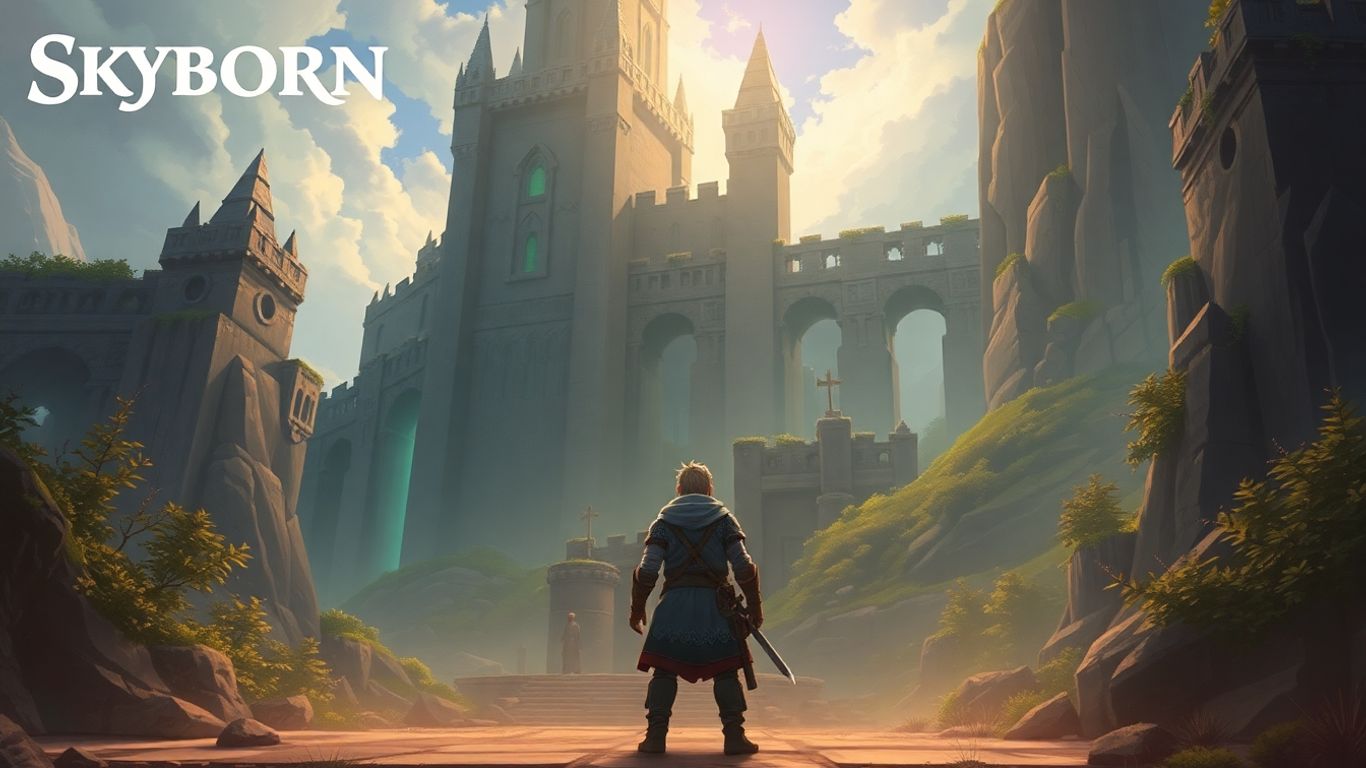
Skyborn is a title that often catches the eye of those browsing Steam, and for good reason. This RPG Maker game transports players to a unique steampunk world, following the journey of Claret, a mechanic working in a repair shop. The narrative kicks off when a significant customer visits, setting Claret on a path of adventure.
The game is known for its engaging steampunk setting and character-driven story. Players can expect a world filled with intricate machinery and a distinct aesthetic. While specific gameplay mechanics aren’t detailed in every review, the premise suggests a focus on exploration and interaction within this richly imagined environment.
The blend of steampunk elements with a personal story about a mechanic offers a fresh take on RPG narratives, moving away from typical fantasy tropes.
Skyborn presents an interesting premise for players looking for something outside the usual fantasy or sci-fi settings. Its steampunk world and the introduction of Claret’s story promise a different kind of adventure.
18. Star Stealing Prince
Star Stealing Prince is a title that really stands out in the RPG Maker landscape, and for good reason. Developed by Ronove, the same creator behind Homework Salesman, this game offers a deeply engaging experience that many players find themselves returning to. It’s a game that manages to be both visually appealing and emotionally resonant, a combination that’s not always easy to achieve.
The game boasts a cast of characters that are often described as ‘lovable’ and ‘addicting,’ which is a testament to the care put into their design and personalities. Coupled with a variety of character classes to choose from and a truly ‘breathtaking orchestral soundtrack,’ Star Stealing Prince creates a rich atmosphere that pulls you into its world. The artwork, in particular, is frequently praised for its quality and charm.
While the game might carry a higher price tag on platforms like Steam, the depth of content and the overall polish suggest it’s an investment that pays off for fans of the genre. It’s a title that feels crafted with passion, aiming to provide a memorable journey for its players.
If you’re looking for a game that offers a complete package – compelling characters, a captivating story, and a beautiful presentation – Star Stealing Prince is definitely worth exploring. Its well-designed website provides all the necessary information for those curious to learn more or to jump right in.
19. Star’s Favour
Star’s Favour is a title that often pops up in discussions about notable RPG Maker creations, even if it hasn’t been personally experienced by everyone. Developed by Indra, a Spanish creator with a notable history in the RPG Maker scene, this game is mentioned alongside other works like "Born Under the Rain" and "The Grumpy Knight." The game’s British spelling in its title is a small detail that some players appreciate.
While specific gameplay details are scarce in general mentions, the consistent positive buzz suggests a well-crafted experience. It’s the kind of game that garners attention through word-of-mouth, indicating a strong appeal to those who discover it. The developer’s previous work also hints at a certain quality and dedication to the craft.
The game’s reputation is built on consistent positive mentions, suggesting a strong player experience that transcends typical indie game buzz.
Many players find that games like Star’s Favour offer a unique charm that can be hard to find elsewhere. It’s a testament to the power of community-driven development and the passion of individual creators within the RPG Maker ecosystem.
20. Subterranean Starfield
Subterranean Starfield is a dungeon crawler that comes from the RPG Maker community, developed by Rhyme and Archeia, with contributions from Caz for the spriting work. It’s often described as having a "kawaii-style" aesthetic. While some players find the initial stages a bit slow, the game picks up pace once you get past the early hurdles, offering a fun experience that’s typical for the genre where progression is key to making things interesting.
The game’s charm lies in its accessible "kawaii-style" presentation and its roots within the dedicated RPG Maker community.
Subterranean Starfield focuses on the core loop of dungeon crawling, which usually involves exploring procedurally generated or intricately designed levels, battling monsters, and gathering loot. The "kawaii-style" likely refers to its visual presentation, which might include cute character designs, bright colors, or a generally less grim atmosphere than many other RPGs.
- Exploration: Players will likely spend their time delving into various underground environments.
- Combat: Expect turn-based or real-time battles against a variety of creatures.
- Progression: Character and equipment upgrades are central to overcoming tougher challenges.
- Loot: Finding new gear and items is a primary motivator.
The experience of playing Subterranean Starfield is often characterized by a gradual build-up of power. This means that while the early game might require patience, the rewards for sticking with it are a more engaging and satisfying gameplay loop as your character becomes stronger and the challenges more dynamic.
21. Homework Salesman
Homework Salesman is an interesting RPG Maker title that mixes life simulation elements with dungeon crawling. You play as Reniat, who returns to her home village only to find it empty and the local mine infested with monsters. The gameplay loop involves interacting with villagers, building relationships by talking to them and giving them items, and exploring the monster-filled mine. It also features crafting, side quests, and random events that add to the replayability.
The game is known for its deliberate pacing, which can be a good thing if you enjoy a more relaxed experience. While I haven’t personally finished it, the time I spent with it was enjoyable. It’s a free game, which makes it an easy recommendation for anyone curious about RPG Maker creations that try to blend different genres.
Here’s a quick look at some of its features:
- Life Simulation: Befriend villagers and improve your standing in the community.
- Dungeon Exploration: Brave monster-filled mines filled with challenges.
- Crafting System: Create useful items to aid your journey.
- Side Quests & Events: Adds variety and extends the gameplay.
The blend of daily life activities with the more dangerous dungeon exploration creates a unique rhythm. It’s not a game that rushes you, allowing players to soak in the atmosphere and plan their next move carefully.
22. OneShot
OneShot is a rather unique indie game that really plays with your expectations. You step into the shoes of Niko, a small cat-like creature who wakes up in a strange, dying world with no memory of how they got there. The main goal is to restore power to the world by returning a sun to its rightful place. What makes OneShot stand out is its meta-narrative; the game is aware it’s a game, and it directly interacts with you, the player, outside of the game’s window. This fourth-wall-breaking element is handled with surprising grace and adds a layer of emotional depth to the journey.
The gameplay itself involves a lot of exploration and puzzle-solving. You’ll wander through varied environments, talk to the few remaining inhabitants, and figure out how to progress. The puzzles are often clever and integrated well into the world, requiring you to think outside the box – sometimes literally, as you might need to interact with files on your computer.
The narrative is surprisingly poignant, focusing on themes of hope, sacrifice, and the connection between the player and the character. It’s a short experience, but one that leaves a lasting impression.
OneShot is known for its single-playthrough design, meaning it’s intended to be experienced once for the full emotional impact. While this might seem limiting, it’s a deliberate choice that enhances the game’s unique storytelling. It’s a testament to how creative developers can be with the RPG Maker engine, pushing its boundaries to create something truly memorable.
23. Pyrrhic Tales: Prelude to Darkness
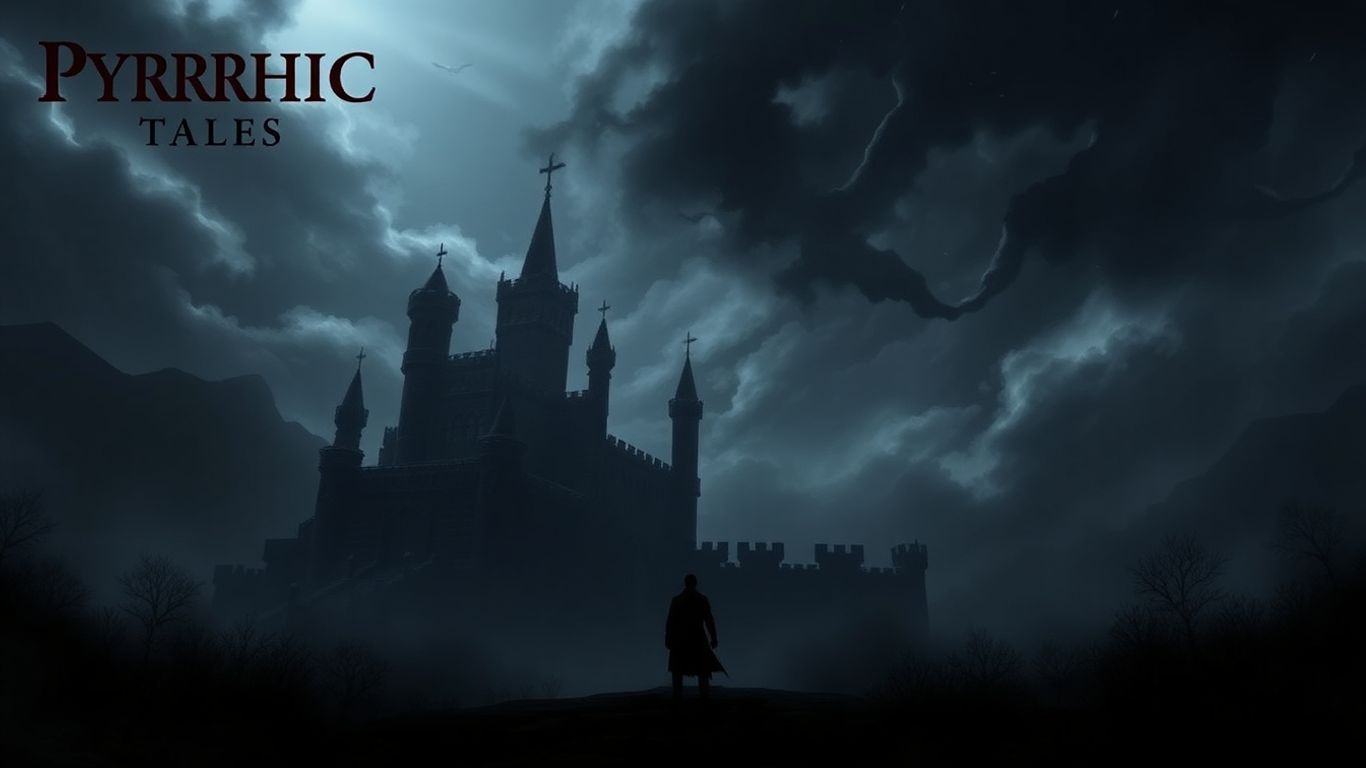
Pyrrhic Tales: Prelude to Darkness, developed by Zero Sum, is a CRPG that really tries to do a lot of things, and for the most part, it succeeds. It presents a world that mixes fantasy with a bit of folklore and even some Lovecraftian horror, all set within a single, well-realized valley. This approach makes the game world feel contained but also believable.
One of the standout features is how it handles skills. You’ll find that things like bartering or even playing music can actually be useful in progressing through the game, which is a nice change from many RPGs where these are often just flavor text. The game also uses a system where you both assign skill points and learn by doing, which can make character development feel more organic. Exploration is made easier with a fast travel system that doesn’t break the immersion, and the random encounters you stumble upon are usually well-placed and interesting.
However, it’s not without its issues. The enemy variety can feel a bit limited after a while, and sometimes the game doesn’t react to your choices in ways you might expect. Graphically, it has a style that might be considered dated by today’s standards, with an early 3D look that some might find charming, but others might just find a bit rough.
The game was unfortunately known for its technical problems, including frequent crashes that could interrupt gameplay. Despite these frustrations, the core experience was strong enough that many players pushed through. With the source code now available, fan-made patches have addressed many of the most serious bugs, making it a much smoother experience for those looking to play it today.
If you’re looking for a game with a deep character system and turn-based combat that offers a real challenge, Pyrrhic Tales: Prelude to Darkness is worth a look, especially now that its technical issues have been largely resolved by the community.
24. The Grumpy Knight
Originally created for an RPG Maker VX Ace Lite Cook Off with a tight two-week deadline, The Grumpy Knight was later expanded to remove limitations and add more content. The game puts you in the role of Elsa, a Death Knight who returns to her homeland, the kingdom of Helena, to deal with a monster problem. Interestingly, these monsters aren’t actively hostile to people; they’re more of a nuisance. The core gameplay loop involves a series of boss battles, somewhat like a boss rush, where you need to defeat all the monsters on the island to uncover their true intentions.
Players have the option to choose from ten different party members, each bringing a unique set of skills to the table. The game itself is relatively short, typically taking around two hours to complete. However, it offers replayability through its three distinct endings and various unlockable content.
The game’s design, born from a timed contest, showcases how creative constraints can lead to focused and engaging gameplay experiences, even if it means a shorter overall playtime.
Here’s a quick look at some of its features:
- Genre: RPG
- Engine: RPG Maker VX Ace
- Playtime: Approx. 2 hours
- Endings: 3
- Key Feature: Boss rush style combat with party member variety
25. Wildsilver and more
This section wraps up our look at RPG Maker creations, touching on a few more titles that deserve a mention. While some of these might not have the same widespread recognition as others, they offer unique experiences and showcase the versatility of the RPG Maker engine.
Wildsilver itself is a notable example, often praised for its charming art style and engaging narrative. It’s a game that demonstrates how a dedicated creator can build a compelling world with distinct characters and a well-paced story. The game’s visual presentation, often featuring hand-drawn sprites and backgrounds, contributes significantly to its appeal, making it a memorable adventure for players.
Beyond Wildsilver, the RPG Maker community is vast, with countless other projects worth exploring. Titles like Star Stealing Prince, created by the same developer as Homework Salesman, often receive high praise for their emotional depth and artistic merit. Similarly, Star’s Favour, developed by Indra, is another title that has garnered attention for its quality and the creator’s consistent output in the RPG Maker scene. These games, along with others such as Subterranean Starfield, a dungeon crawler known for its gradual build-up of fun, highlight the diverse range of genres and styles achievable with the tool.
It’s worth noting that many of these games are community-driven, with developers often sharing their progress and engaging with players on forums and dedicated websites. This collaborative spirit is a big part of what makes the RPG Maker ecosystem so vibrant.
The true strength of RPG Maker lies not just in its accessibility, but in the passion of the individuals who use it to bring their unique visions to life. From epic fantasy quests to intimate personal stories, the breadth of creativity is truly impressive.
Wrapping Up Our RPG Maker Journey
So, that wraps up our look at some of the fantastic games made with RPG Maker. It’s clear that while the tool is accessible, it’s also capable of producing truly memorable experiences. We’ve seen everything from heartfelt stories to challenging adventures, proving that passion and creativity can shine through, regardless of the engine. Don’t let the ‘amateur’ label fool you; many of these titles offer unique gameplay and engaging narratives that rival bigger productions. If you haven’t tried any RPG Maker games before, now’s a great time to start exploring. You might just find your next favorite game waiting for you.
Frequently Asked Questions
What exactly is RPG Maker?
RPG Maker is a special tool that lets people make their own role-playing games without needing to know how to code. It’s been around for a long time and has tools for creating characters, maps, and game events.
Are all RPG Maker games low quality?
Not at all! While it’s easy to make simple games with RPG Maker, many talented creators use it to build amazing, unique games with great stories and fun gameplay. Some might not have big budgets, but they’re still awesome.
Why should I try games made with RPG Maker?
Many RPG Maker games are free or cost very little, so there’s no big risk in trying them out. You might discover some hidden gems that offer a really fun and different gaming experience compared to big-name titles.
Are there different types of RPG Maker games?
Yes! You can find all sorts of RPG Maker games, from classic fantasy adventures and spooky horror stories to games with unique mechanics like life simulation or deep puzzle-solving.
Where can I find these RPG Maker games?
Many of these games are shared on websites like RPG Maker Net, Steam, or dedicated fan pages. Looking for lists like this one is a great way to find out where to get them.
Do I need a powerful computer to play RPG Maker games?
Generally, no. Since RPG Maker games are often made by independent creators, they usually don’t require super high-end computers. Most modern PCs should be able to run them without any problems.