

Solitaire is a classic card game that’s been around forever. You know, the one you play on your computer or maybe even with a real deck. It’s great for killing time or just giving your brain a little workout. But let’s be honest, sometimes you get stuck and wonder how to actually win more. This guide is all about the solitaire 247 game, and we’re going to break down how to get better at it, whether you’re just starting out or you’ve been playing for a while.
Key Takeaways
- Focus on flipping over face-down cards in the tableau first. This usually opens up more possibilities.
- Try to keep your tableau columns somewhat balanced in length. Too long or too short can make things tricky.
- Use the stockpile wisely. Don’t draw from it until you’ve explored other options on the board.
- When moving cards to the foundation piles, try to keep the suits building up evenly. Don’t let one pile get way ahead of the others.
- Think ahead. Consider what effect your move will have a few steps down the line, not just what it does right now.
Understanding the Solitaire 247 Game Fundamentals
Solitaire 247, much like its classic predecessors, offers a quiet challenge that can sharpen your mind and pass the time. It’s more than just moving cards around; it’s a game of logic and planning. Before you can start thinking about winning consistently, you need to get a handle on what the game is all about.
Familiarize Yourself with Game Rules
At its heart, Solitaire 247 is about sorting a deck of cards into four foundation piles, one for each suit, in ascending order from Ace to King. The main playing area, called the tableau, is where the action happens. You’ll see seven columns of cards, some face up and some face down. The goal is to move cards from the tableau to the foundations, or between tableau columns, to reveal all the hidden cards and eventually clear the board.
- Tableau: Seven columns of cards. You can move cards between columns if they are in descending order and alternating colors (e.g., a red 7 on a black 8).
- Foundations: Four piles, one for each suit, where you build sequences from Ace up to King.
- Stockpile: The remaining cards, which you can draw from when you run out of moves in the tableau.
Leverage Online Game Features
Playing Solitaire 247 online comes with some handy tools that can make learning and playing much smoother. These features are designed to help you avoid common mistakes and understand the game better.
- Automatic Illegal Move Blocking: The game won’t let you make a move that breaks the rules, which is great for beginners learning the sequence and color rules.
- Undo Button: Made a mistake? No worries. The undo button lets you backtrack and try a different move, which is perfect for experimenting without penalty.
- Card Highlighting/Shading: Some versions highlight playable cards or available moves. This can be a visual aid to see your options at a glance.
Grasp the Core Objective
While the rules tell you how to play, understanding the why behind your moves is key. The ultimate aim is to get all 52 cards onto the foundation piles, sorted by suit and in order from Ace to King. Every move you make should ideally bring you closer to this goal. This means revealing face-down cards is usually a top priority, as they hold the key to unlocking more of the board and creating more options for play. Thinking about what moves will open up the most possibilities is more important than just making any available move.
The game isn’t just about reacting to what’s in front of you. It’s about anticipating what could be revealed and planning your moves to make those desired cards accessible. Sometimes, a move that seems obvious right now might block a better opportunity later on.
Essential Strategies for Solitaire 247 Beginners
Getting started with Solitaire 247 can feel a bit overwhelming, but focusing on a few key strategies can make a big difference. It’s not just about moving cards around; it’s about making smart choices that open up more possibilities down the line. Think of it like setting up a good foundation for a house – the better you build it, the stronger the whole structure will be.
Prioritize Revealing Face-Down Cards
The cards that are hidden face-down on the tableau are the real gatekeepers of the game. Until they’re turned over, you don’t know what you’re working with, and they can block potential moves. Your primary goal should always be to uncover these cards whenever you have the chance.
- Always aim to flip a face-down card if a move allows it. This is the single most important action for progressing.
- Pay special attention to the longer columns on the right side of the tableau. These often hold more face-down cards and uncovering them can significantly open up the game.
- Consider if a move that reveals a face-down card is better than moving a low card to the foundations, especially early in the game.
Revealing hidden cards is like opening up new pathways. Each one you flip gives you more information and more options for future plays.
Manage Tableau Column Lengths
Keeping your tableau columns at a manageable length is important for flexibility. Very long columns can become difficult to work with, as you might have many cards in sequence that you can’t easily move. Likewise, very short columns might not offer enough options.
- Try to keep a mix of red and black cards in your columns. A column with only red cards, for example, will quickly become unplayable if you can’t add a black card.
- When building sequences, avoid making them excessively long unless doing so reveals a face-down card. Sometimes, it’s better to have two shorter sequences than one very long one.
- Be mindful of creating empty spaces. While an empty space is useful for placing a King, creating too many can sometimes disrupt the flow of cards you need.
Strategic Use of the Stockpile
The stockpile is your backup, but it’s best not to rely on it too heavily, especially early on. Drawing from the stockpile without a clear plan can sometimes lead you into a dead end.
- Exhaust all available moves on the tableau and foundations before drawing from the stockpile. This ensures you’re not missing any immediate opportunities.
- When you do draw, try to have a specific card in mind that you need. If you’re looking for a red 7, for instance, and you see a black 8 on the tableau, drawing from the stockpile might be a good idea.
- If you have a choice between playing a card from the tableau or drawing from the stockpile, playing the tableau card is usually the better option, as it might reveal a face-down card.
By focusing on these beginner strategies, you’ll build a solid understanding of how Solitaire 247 works and significantly improve your chances of winning.
Advanced Tactics for Consistent Solitaire 247 Wins
Build Foundations Evenly
While it’s tempting to rush cards to the foundation piles as soon as they’re available, doing so unevenly can actually hinder your progress. If you have a pile of Hearts at a 9 and a pile of Diamonds stuck at a 3, you’ve significantly limited your options for clearing the remaining Diamonds, Clubs, and Spades. Aim to keep your foundation piles relatively close in rank. This approach ensures a broader range of cards remain playable throughout the game.
Maintain Tableau Stack Flexibility
Long, unbroken sequences in the tableau can be a double-edged sword. While they might look neat, they can also restrict your movement. If you have a sequence from King down to a 4, you’ll need to play through that order unless a specific opportunity arises to break it. Often, it’s better to keep stacks shorter, especially if combining two sequences doesn’t immediately reveal a face-down card. For instance, moving a 6-5-4 sequence onto a 7 might offer more flexibility than merging a 9-8-7 into a larger stack, particularly if the suits are already mixed.
Strategic King Placement
Empty columns in the tableau are valuable real estate. You should only move a King into an empty column if you have a plan for what comes next. Ideally, you want to use an empty column to reveal face-down cards. If you have multiple Kings, consider which one, when moved, will open up the most possibilities or uncover the most hidden cards. Don’t just fill an empty space for the sake of it; make it a strategic move that advances your game.
Mastering Tableau Movements in Solitaire 247
The tableau is where most of the action happens in Solitaire 247. Making smart moves here can open up the whole game, while a bad move can really box you in. It’s all about keeping things flowing and uncovering those hidden cards.
Focus on Tableau Card Availability
When you have a choice between moving a card within the tableau or drawing from the stockpile, prioritize the tableau move if it reveals a face-down card. Think about it: that hidden card might unlock several more moves, giving you more options. The stockpile will still be there, especially in a one-card draw game. Making a tableau move that exposes a new card is usually the better bet for immediate progress.
Prioritize Uncovering Hidden Cards
Revealing face-down cards is a primary goal. Sometimes, you might have a card in the stockpile that could be played, but also a move in the tableau that would flip over a hidden card. In these situations, uncovering that hidden card is often the smarter play. It increases the number of available cards and can lead to a cascade of new possibilities. Don’t just look at the immediate move; consider what that move enables.
Consider Future Board States
Before you move a card, take a moment to think about what the board will look like after the move. Does it open up a column? Does it create a new sequence? Could it potentially block a future move you might want to make? Sometimes, a seemingly good move now might set you up for trouble later. It’s a bit like playing chess – you need to think a few steps ahead. For instance, moving a King into an empty column is great, but consider which King it is and what cards might follow it. This foresight helps prevent getting stuck down the line.
Optimizing Your Solitaire 247 Gameplay
Winning consistently at Solitaire 247 isn’t just about knowing the rules; it’s about refining your approach and making each move count. This section focuses on how to sharpen your gameplay through regular practice, forward-thinking, and adaptability.
Practice Regularly for Pattern Recognition
Like any skill, getting better at Solitaire 247 comes down to doing it a lot. When you play frequently, you start to notice patterns. You’ll see which types of moves tend to open up more possibilities and which ones lead to dead ends. It’s like learning a language; the more you speak it, the more fluent you become. You’ll begin to instinctively know when to draw from the stockpile or when to focus on clearing tableau columns. This isn’t about memorizing specific game layouts, but about developing an intuition for good play.
Think Several Moves Ahead
It’s tempting to just make the most obvious move available, but the best players look beyond the immediate. Before you move a card, ask yourself: what does this move enable? Does it reveal a hidden card? Does it create an empty column that could be useful later? Does it set up a sequence that will help you move cards to the foundations? Thinking two or three steps ahead can prevent you from getting stuck later in the game. It’s about building a plan, not just reacting to what’s in front of you.
Adapt Your Strategy Mid-Game
Even the best-laid plans can go awry. Sometimes, a game just doesn’t unfold the way you expected. You might find that a strategy that usually works isn’t panning out in this particular game. This is where adaptability comes in. Don’t be afraid to change your approach. If your initial plan to build long tableau stacks isn’t working, try focusing on clearing out columns to create empty spaces. If you’re struggling to move cards to the foundations, look for opportunities to rearrange the tableau to free up those lower-value cards. Being flexible means you can adjust to the unique challenges each game presents, increasing your chances of success.
Advanced Solitaire 247 Stockpile Management
Exhaust All Other Moves Before Drawing
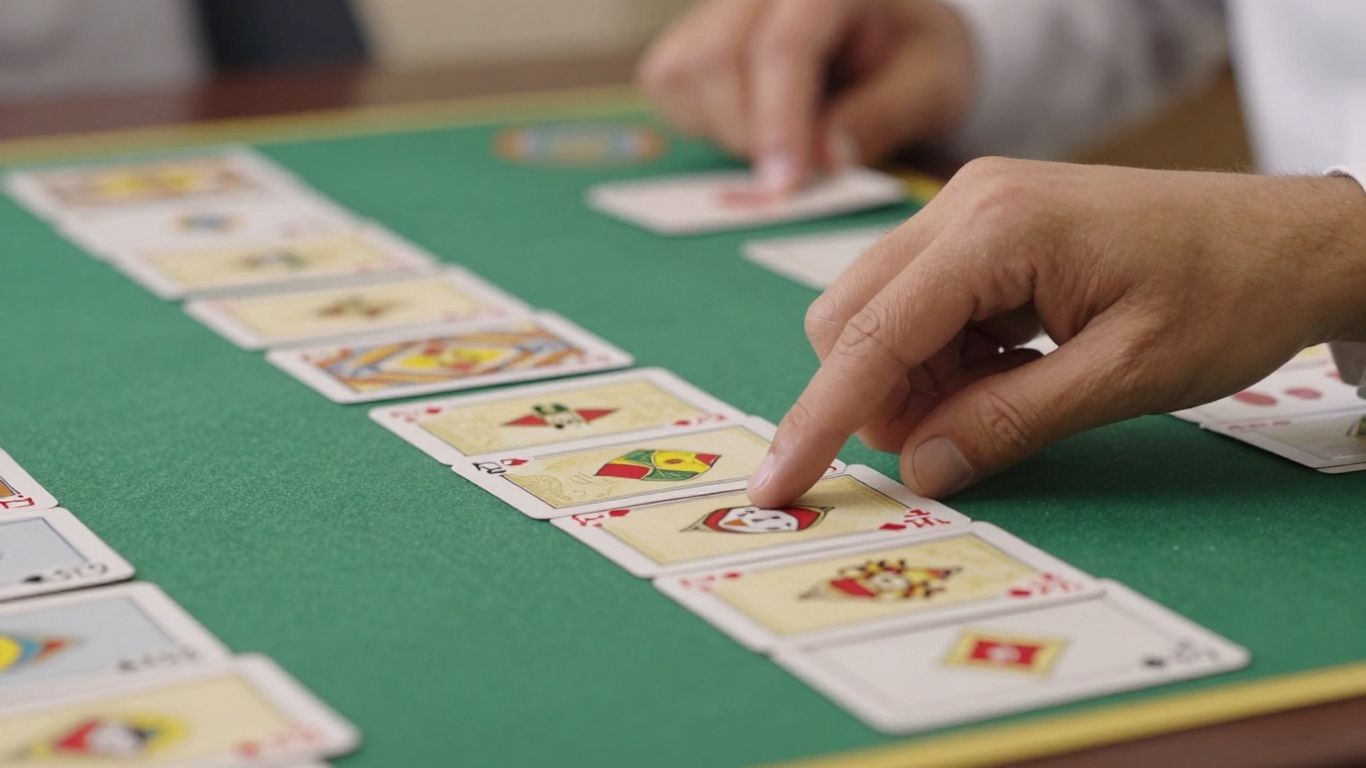
Before you even think about clicking on the stockpile, take a good, hard look at the tableau. Can you make any moves there? Can you move a card to the foundation? Sometimes, a seemingly small move in the tableau can open up a cascade of new possibilities, revealing hidden cards or creating space. Always try to clear out as many tableau and foundation moves as possible before resorting to drawing from the stockpile. This ensures you’re not wasting a draw on a card you could have gotten through other means, and it helps you keep a better handle on the overall game state.
Manage New Cards Strategically
When you do draw from the stockpile, don’t just place the card down immediately. Take a moment. Does this card fit perfectly into a sequence you’re building? Does it help reveal a face-down card? Or is it just a temporary fix that might block a better move later? Think about where this new card will best serve your long-term goals. Sometimes, holding onto a drawn card for a turn or two, if the game allows, can be more beneficial than placing it right away. This is especially true if you have an empty column available where you can temporarily park a card.
Create Space Before Stockpile Use
Drawing from the stockpile can sometimes feel like a gamble. If the tableau is already crowded and you’re not sure where a new card will go, it can add to the chaos. If possible, try to free up some space in the tableau before you draw. This might mean moving a sequence to another column, or even moving a King to an empty space. Having an empty column is like having a safety net; it gives you a place to put a card if it doesn’t immediately fit elsewhere. This proactive approach to space management makes dealing with new cards from the stockpile much smoother and less risky.
Wrapping Up Your Solitaire Journey
So, we’ve walked through the ins and outs of Solitaire, from understanding the basic rules to some pretty neat strategies that can really help you win more often. It’s a game that looks simple, but there’s a lot going on under the surface. Remember, practice is key here. The more you play, the better you’ll get at spotting those winning moves and avoiding the ones that lead to a dead end. Don’t get discouraged if you don’t win every time – even the best players face tough layouts sometimes. Just keep playing, keep learning from each game, and most importantly, enjoy the process. You’ve got this!
Frequently Asked Questions
What is the main goal of Solitaire 247?
The main goal in Solitaire 247 is to move all 52 cards from the playing area to the four foundation piles. You do this by building each foundation pile up, suit by suit, from Ace all the way to King.
Why should I try to reveal face-down cards first?
Revealing face-down cards is super important because each one you uncover gives you more options. Once all the cards on the main playing area (the tableau) are turned face-up, you’ll have a much better chance of winning the game.
How does the stockpile work in Solitaire 247?
The stockpile is where you draw new cards from when you can’t make any more moves on the tableau. It’s usually best to use up all your other possible moves before drawing from the stockpile. This way, you have a better idea of what you need and can manage the new cards more effectively.
What does it mean to ‘build foundations evenly’?
Instead of getting one foundation pile way ahead of the others, try to build them up at a similar pace. For example, don’t get your Hearts pile to a 9 if your Diamonds pile is still stuck at a 3. Keeping them even helps you keep more cards playable and makes it easier to finish the game.
Should I always move a King to an empty column?
Moving a King to an empty column is often a good idea because it’s the only card that can start a new pile. However, think about which King you’re moving. Consider the colors of the cards already in the tableau. Moving a King might help you build a longer sequence later on, so think ahead before you place it.
How can I get better at Solitaire 247?
The best way to improve is to play often! The more you play, the more you’ll start to recognize patterns and understand which moves are better than others. Also, try to think a few steps ahead before you make a move. Don’t be afraid to change your plan if a new opportunity pops up.