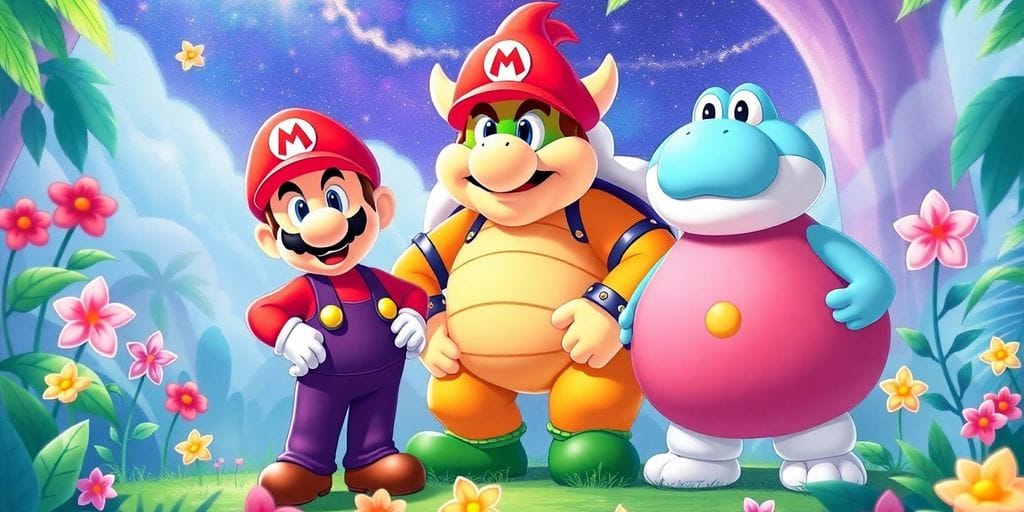
Remember Super Mario RPG: Legend of the Seven Stars? It was a pretty big deal back in the day, and honestly, it still holds up. This game really mixed things up, taking our favorite plumber and throwing him into a whole new kind of adventure. It wasn’t just jumping on Goombas; it was a full-blown role-playing journey with a story that had actual twists and turns. Let’s take a look at what made this game so special and why people still talk about it.
Key Takeaways
- Super Mario RPG: Legend of the Seven Stars was a unique collaboration between Nintendo and Square, bringing together two gaming giants.
- It successfully blended the familiar charm of the Mario universe with deep RPG mechanics, including turn-based combat and character progression.
- The game featured a memorable cast of characters, including Mario’s unlikely allies like Bowser and Princess Peach, and a humorous, engaging story.
- Its distinctive visual style and enchanting musical score contributed significantly to its immersive and charming atmosphere.
- Super Mario RPG: Legend of the Seven Stars laid important groundwork for future RPGs and left a lasting impact on the Mario franchise itself.
The Genesis of Super Mario RPG: Legend of the Seven Stars
A Unique Collaboration with Square
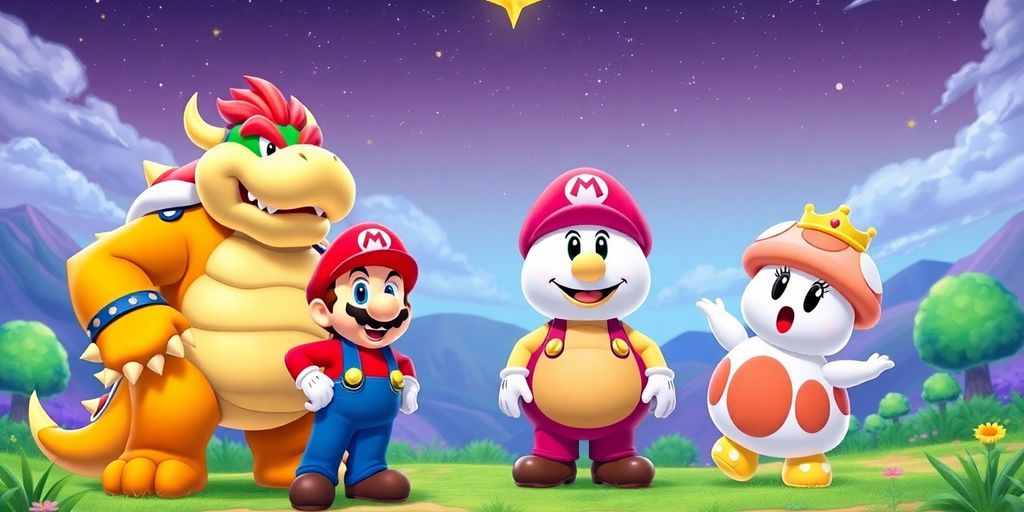
It’s pretty wild to think about, but Super Mario RPG: Legend of the Seven Stars wasn’t just another Nintendo-made Mario game. Nope, this one was a big team-up with Square, the folks who were really making waves with their Final Fantasy series back then. This collaboration was a pretty big deal, a real shake-up in the gaming world. Nintendo had its own style, and Square had its own, and they decided to mash them together for this Mario adventure. It was like seeing two different worlds collide, and honestly, it worked out pretty great.
Blending Mario’s Charm with RPG Depth
So, what happens when you take the cheerful, jump-happy world of Mario and mix it with the story-driven, character-building mechanics of a role-playing game? You get Super Mario RPG. Instead of just jumping on Goombas, you’re exploring a world, talking to characters, and getting into turn-based battles. It’s not just about platforming anymore; there’s a whole story unfolding, with quests and a bigger goal. This game really showed how you could take a familiar character and put them into a completely different kind of game without losing what made them special. It was a smart move that opened up a lot of possibilities for both franchises.
The Quest for the Seven Star Pieces
The whole point of the game, the big mission Mario and his new friends are on, is to find these seven magical Star Pieces. They’re scattered all over the place, and each one is needed to fix the Star Road, which is, you know, important for keeping the world in order. It’s not just a simple fetch quest, though. Getting these pieces involves going to different towns, exploring dungeons, and dealing with all sorts of quirky characters and challenges. It gives the game a clear direction and a sense of purpose as you travel through the Mushroom Kingdom and beyond.
Unveiling the Gameplay Mechanics
Super Mario RPG: Legend of the Seven Stars really shook things up when it came out. It wasn’t just another Mario game; it was a full-blown role-playing adventure, and it did a lot of things differently.
Turn-Based Combat with a Twist
The battles in Super Mario RPG are turn-based, which means you pick your actions and then the enemies take theirs. But it’s not just about picking ‘attack’ and watching. The game adds a layer of player input that makes every turn more engaging. You can press a button at the right moment when an attack hits to deal extra damage, or press it again to block incoming enemy attacks. This timing element makes even basic attacks feel more active and rewarding.
Timed Attacks for Enhanced Engagement
This timed-hit system, often called ‘Action Commands’, is a big part of what makes the combat feel so fresh. For Mario’s jump attack, you press ‘A’ just as he lands on an enemy. For Bowser’s Ground Pound, you mash ‘A’ as he slams down. Different characters and different attacks have different timing windows, and learning them is part of the fun. It rewards players for paying attention and adds a skill-based element to the traditional RPG combat.
Party Dynamics and Character Abilities
Mario isn’t alone on his quest. You gather a party of unique characters, each with their own special abilities and ‘Flower Points’ (FP) that fuel their most powerful moves. There’s Mallow, who can use lightning and healing spells; Geno, with his star-shooting attacks; Bowser, who can use his strength and even throw enemies; and Peach, who is a skilled healer.
- Mallow: Specializes in elemental attacks and healing.
- Geno: Known for his ranged attacks and buffs.
- Bowser: A powerhouse with physical attacks and crowd control.
- Princess Peach: The primary healer and support character.
These characters aren’t just different in appearance; their abilities and how they interact in battle create different strategic options. You can only have three party members active at a time, so choosing the right combination for each situation becomes important.
The game also features ‘Special Moves’ that consume multiple turns but deal massive damage, adding another layer of strategy to boss fights and tough encounters. These moves are often visually spectacular and a satisfying payoff for successful combat.
A World Rich with Character and Humor
Super Mario RPG: Legend of the Seven Stars isn’t just about saving the world; it’s about the journey and the quirky crew you meet along the way. The game really shines by giving even its supporting cast a distinct personality, making the Mushroom Kingdom feel more alive than ever. Mario, usually the silent hero, finds himself interacting with a cast of characters that are as varied as they are memorable.
Mario’s Unlikely Companions
Mario’s adventure takes him beyond the usual suspects. He’s joined by a band of heroes who bring their own unique skills and personalities to the party. There’s Mallow, a cloud boy who’s a bit naive but has a good heart; Geno, a sentient doll with a brave spirit; Bowser, Mario’s long-time foe who surprisingly becomes an ally; and Princess Peach, who proves she’s more than just a damsel in distress.
- Mallow: A shy, young cloud who initially doubts his abilities but grows into a capable fighter.
- Geno: A living toy from Star Road, known for his optimistic outlook and unique attacks.
- Bowser: The King of the Koopas, whose motivations shift from rivalry to reluctant teamwork.
- Princess Peach: The benevolent ruler of the Mushroom Kingdom, who contributes her own healing and defensive skills.
Memorable Allies and Antagonists
Beyond the main party, the world is populated with a colorful cast. From the eccentric inventor, Dr. Mallow, to the gruff but helpful Croco, and the menacing yet oddly charming Smithy Gang, each character leaves an impression. Even minor NPCs have unique dialogue that adds to the game’s charm. The game balances its heroes with a roster of villains who are not just evil, but often have a touch of absurdity about them, making encounters memorable.
The game’s writing team clearly had a blast creating these characters. They managed to inject humor and personality into every corner of the Mushroom Kingdom, making the world feel less like a backdrop and more like a living, breathing place.
Humorous Dialogue and Storytelling
What truly sets Super Mario RPG apart is its witty dialogue and lighthearted storytelling. The script is filled with puns, clever wordplay, and unexpected jokes that keep the player engaged and entertained. Even serious plot points are often delivered with a humorous twist, preventing the game from ever feeling too grim. This blend of adventure and comedy is a hallmark of the game’s enduring appeal.
| Character | Key Trait |
|---|---|
| Mario | Silent Protagonist |
| Mallow | Naive Cloud Boy |
| Geno | Optimistic Doll |
| Bowser | Reluctant Ally |
| Princess Peach | Capable Royal |
Visuals and Sound Design
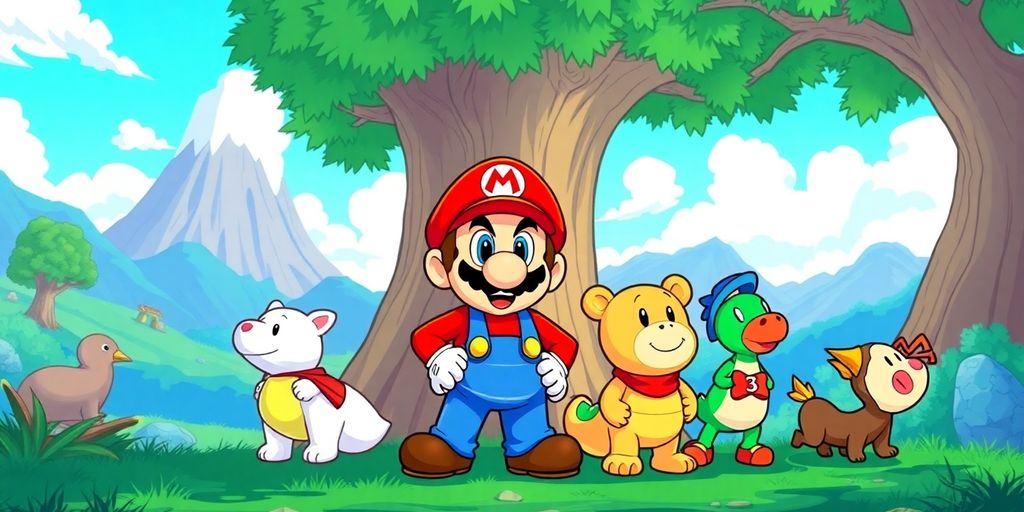
Super Mario RPG: Legend of the Seven Stars really stood out visually for its time. It wasn’t just the usual Mario colors; they really went for a more detailed look. The sprites for Mario and his friends, as well as the enemies and environments, were quite colorful and had a good amount of detail. It felt like a step up from what we usually saw in Mario games on the SNES. The way they animated the characters, especially during special moves or when they just walked around, added a lot of personality.
Colorful Graphics and Sprite Work
The game’s graphics were a big part of its charm. Instead of just flat colors, you saw shading and textures that made the world feel more alive. Think about the different areas you visit – from the Mushroom Kingdom to the Forest Maze; each had its own distinct look. The character designs were also great, keeping the familiar Mario feel but adding that RPG flair. Even the enemies, like the Goombas and Koopa Troopas, looked a bit different, more detailed than in previous games. The visual style managed to be both familiar and fresh, which is a tough balance to strike.
An Enchanting Musical Score
And the music! Oh, the music in this game is something else. Yoko Shimomura really outdid herself. The soundtrack has a mix of upbeat tunes for exploring and more dramatic pieces for battles. It’s the kind of music that sticks with you long after you turn the game off. Each area has its own theme, and they all fit the mood perfectly. You have cheerful tunes in towns and more intense music when you’re facing a tough boss. It really pulls you into the game’s world.
Distinctive Art Style
What made Super Mario RPG’s art style so special was how it blended the classic Mario universe with a more traditional RPG aesthetic. It wasn’t just a Mario game with different gameplay; the whole look and feel were different. The character models, the environments, even the menus had this unique style. It felt like a proper adventure, not just another platformer. This distinctive art style helped set it apart and made it memorable.
The game’s presentation was a significant departure, offering a visual and auditory experience that felt both new and comforting to fans of the Mario series. It was a bold move that paid off, creating a world that was a joy to explore.
Legacy and Influence
Super Mario RPG: Legend of the Seven Stars really made waves when it came out. It wasn’t just another Mario game; it was a whole new direction.
A Foundation for Future RPGs
This game showed that Mario could work in a different genre. It proved that a well-known character could be the star of a role-playing game without losing what made them popular. The way it mixed action with story elements, and how it made the RPG genre more approachable for people who hadn’t played many RPGs before, was pretty big. It set a standard for how to blend familiar characters with new gameplay styles.
Impact on the Mario Franchise
After Super Mario RPG, Nintendo seemed more open to letting Mario try different things. We saw Mario in sports games, racing games, and even puzzle games. This game was a big step in showing that the Mario universe was flexible. It opened doors for other developers to think outside the box with Mario characters and settings.
Enduring Appeal to Fans
Even today, people talk about Super Mario RPG. It’s got a special place in the hearts of many gamers who grew up with it. The unique characters, the funny story, and the fun gameplay all add up to a game that people remember fondly. It’s the kind of game that makes you want to go back and play it again, or for the first time if you missed it.
The game’s success showed that combining beloved characters with new genres could create something truly special and widely appealing.
Here’s a look at how it stood out:
- Genre Blending: Successfully merged platforming elements with RPG mechanics.
- Character Development: Gave Mario and his friends new depth and personality.
- Accessibility: Made the RPG genre more welcoming to a broader audience.
Exploring the Mushroom Kingdom’s Secrets
Super Mario RPG: Legend of the Seven Stars isn’t just about the main path; the Mushroom Kingdom is packed with hidden nooks and crannies just waiting to be discovered.
Key Locations and Environments
The game takes players through a variety of distinct areas, each with its own look and feel. From the bustling streets of Mushroom Way to the spooky depths of Kero Sewers, and the vibrant, yet dangerous, Sunken Ship, every location offers unique challenges and secrets. Even seemingly simple areas like the Forest Maze can hide pathways that lead to unexpected rewards or tougher battles.
Hidden Treasures and Collectibles
Beyond the main story progression, players are encouraged to explore thoroughly. Scattered throughout the world are hidden chests, secret rooms, and special items.
- Flower Points (FP): These are essential for using special attacks and magic. Finding them often requires exploring off the beaten path.
- Coins: The primary currency, used for buying items and equipment. Some areas have more coins than others, rewarding diligent exploration.
- Items: From healing items to accessories that boost stats, many are tucked away in hard-to-reach spots or behind breakable walls.
- Mallow’s Soup: A rare item that fully restores HP and FP, often found in secret areas.
Boss Battles and Challenges
While the main bosses are obvious hurdles, the game also features optional boss encounters and mini-games that test your skills.
The optional boss, Culex, found in the Moleville Mines, is a particularly tough challenge that requires a well-prepared party and a solid understanding of the game’s combat mechanics. Defeating him yields a powerful accessory.
These extra battles and challenges often provide unique rewards, such as powerful equipment or items that can make the main quest easier. They truly encourage players to master the game’s systems and explore every corner of the Mushroom Kingdom.
A Lasting Legacy
Super Mario RPG: Legend of the Seven Stars really did something special back in the day. It took the familiar, fun world of Mario and mixed it with the deep storytelling and strategic battles that RPG fans love. By teaming up with characters you wouldn’t expect, like Bowser and Peach, to find those scattered star pieces, the game offered a fresh take on the genre. The funny writing and the way you could time your attacks made it stand out. It’s a game that still holds up, showing how creative Nintendo and Square could be when they worked together. For anyone who enjoys a good story, memorable characters, and that classic Mario charm, this game is definitely worth checking out, even now.
Frequently Asked Questions
What makes Super Mario RPG different from other Mario games?
Super Mario RPG mixes the fun, familiar characters of Mario with a role-playing game (RPG) style. Instead of jumping on enemies all the time, you fight them in turn-based battles. It also has a story about collecting seven star pieces to save the world, which is different from Mario’s usual rescue missions.
Who are Mario’s main friends in this game?
Mario doesn’t go on this adventure alone! He teams up with some surprising allies. You’ll meet Mallow, a cloud boy, Geno, a living doll, Bowser, Mario’s long-time enemy, and even Princess Peach. Each character has their own special skills that help in battles and exploring.
How does the combat work in Super Mario RPG?
The battles are turn-based, meaning you and the enemies take turns attacking. But there’s a cool twist: timed hits! If you press a button at the right moment when attacking or defending, you can do extra damage or block better. It makes the fights more exciting and interactive.
What is the main goal of the game?
The main goal is to find the seven scattered Star Pieces. These pieces are needed to fix the Star Rod, which has been stolen by a villain named Smithy. Smithy has invaded the Mushroom Kingdom and is causing all sorts of trouble, so Mario and his friends have to stop him.
Is Super Mario RPG funny?
Yes, the game is known for its humor! The dialogue between characters is often witty and amusing. Even though the story is serious, there are many lighthearted moments and funny situations that make the game enjoyable and memorable.
What makes the music and graphics special?
The game features bright, colorful graphics that bring the Mushroom Kingdom to life. The music is also really catchy and fits the mood of each area perfectly, from exciting battle tunes to calm exploration melodies. It all blends together to create a charming and magical experience.