Hey everyone! So, 2025 is shaping up to be a pretty cool year for anyone who likes to get lost in a good story without all the fancy graphics. I’m talking about text based rpg game experiences. You know, the kind where your imagination does most of the heavy lifting? I’ve been poking around and found some really interesting ones that are either out or coming soon. It’s all about the words, the choices, and the worlds you build in your head. Let’s check out some of the best text based rpg game options that caught my eye.
Key Takeaways
- For those who enjoy a good mystery with a darker edge, ‘The Missing Heir’ offers a detective story set in a mafia world. It’s all about piecing together clues and making tough calls.
- ‘Dance To The Top’ and ‘Fame In Progress’ seem to hit that spot for players who like stories about chasing dreams, whether it’s on the dance floor or with a rock band. They sound like they have that relatable ‘underdog’ feel.
- If you’re into more mature themes and exploring complex relationships, games like ‘Defiant’ and ‘Teacher’s Torment’ are mentioned, focusing on spicy or forbidden romance scenarios.
- For a more classic, community-driven feel, ‘Barp Online’, ‘DartMUD – Lands Of Ferdarchi’, and ‘TryoWars’ are browser-based MMORPGs that bring back that old-school text adventure vibe.
- ‘My Fantasy: Choose Romance’ and ‘Choice of Games’ stand out for players who love romance and deep customization. They let you really shape your character and relationships, offering a lot of replay value with different story paths.
1. The Missing Heir
The Missing Heir plunges players into the shadowy world of organized crime, casting you as a detective tasked with a high-stakes investigation. Your mission: to locate the missing heir of a prominent businessman. This isn’t just about finding a person; it’s about unraveling a complex web of secrets, loyalties, and potential betrayals within the mafia. The narrative challenges you to make critical decisions that will shape the investigation’s path and its ultimate outcome.
Success hinges on your ability to piece together clues and navigate the dangerous underworld.
Key elements of the gameplay include:
- Investigation: Gathering evidence, interviewing witnesses, and following leads.
- Decision-Making: Choosing dialogue options and actions that affect relationships and plot progression.
- Deduction: Using gathered information to form theories and identify suspects.
The game emphasizes a gritty, realistic portrayal of detective work, where every choice carries weight and the line between right and wrong can blur.
Players will find themselves making tough calls, deciding who to trust and when to apply pressure. The story is designed to keep you guessing, with twists and turns that redefine your understanding of the case. It’s a narrative experience that rewards careful observation and strategic thinking, making for a compelling mystery that unfolds with each choice you make.
2. Dance To The Top
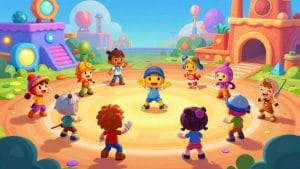
Step into the dazzling world of competitive dancing with ‘Dance To The Top,’ a text-based RPG that puts you right in the spotlight. This game isn’t just about hitting the right steps; it’s about navigating the high-stakes environment of a popular reality TV dance competition. Your journey is amplified by the presence of your idol, who also happens to be your mentor, adding a layer of personal drama to the professional challenge.
As you progress, you’ll face a series of challenges that test not only your dancing skills but also your ability to handle pressure and make tough decisions. The game focuses on building your character’s reputation, improving their dance routines, and managing relationships with fellow competitors and the production crew.
Here’s a glimpse into what you can expect:
- Skill Development: Practice and refine various dance styles, from contemporary to hip-hop, to impress the judges.
- Relationship Management: Build rapport with your mentor and other key figures, which can influence your opportunities and storyline.
- Performance Choices: Decide on your stage presence, costume choices, and even your music selection, all of which impact audience and judge reception.
- Story Progression: Uncover rivalries, alliances, and personal struggles that unfold behind the scenes of the competition.
The narrative weaves together the thrill of performance with the complexities of personal ambition and admiration. Every choice you make, from the choreography you select to the words you exchange with your mentor, shapes your path to potential stardom. It’s a story about passion, perseverance, and the delicate balance between professional aspiration and personal connection.
‘Dance To The Top’ offers a unique blend of strategic decision-making and engaging storytelling, making it a standout experience for those who enjoy interactive narratives with a flair for the dramatic and the artistic.
3. Defiant
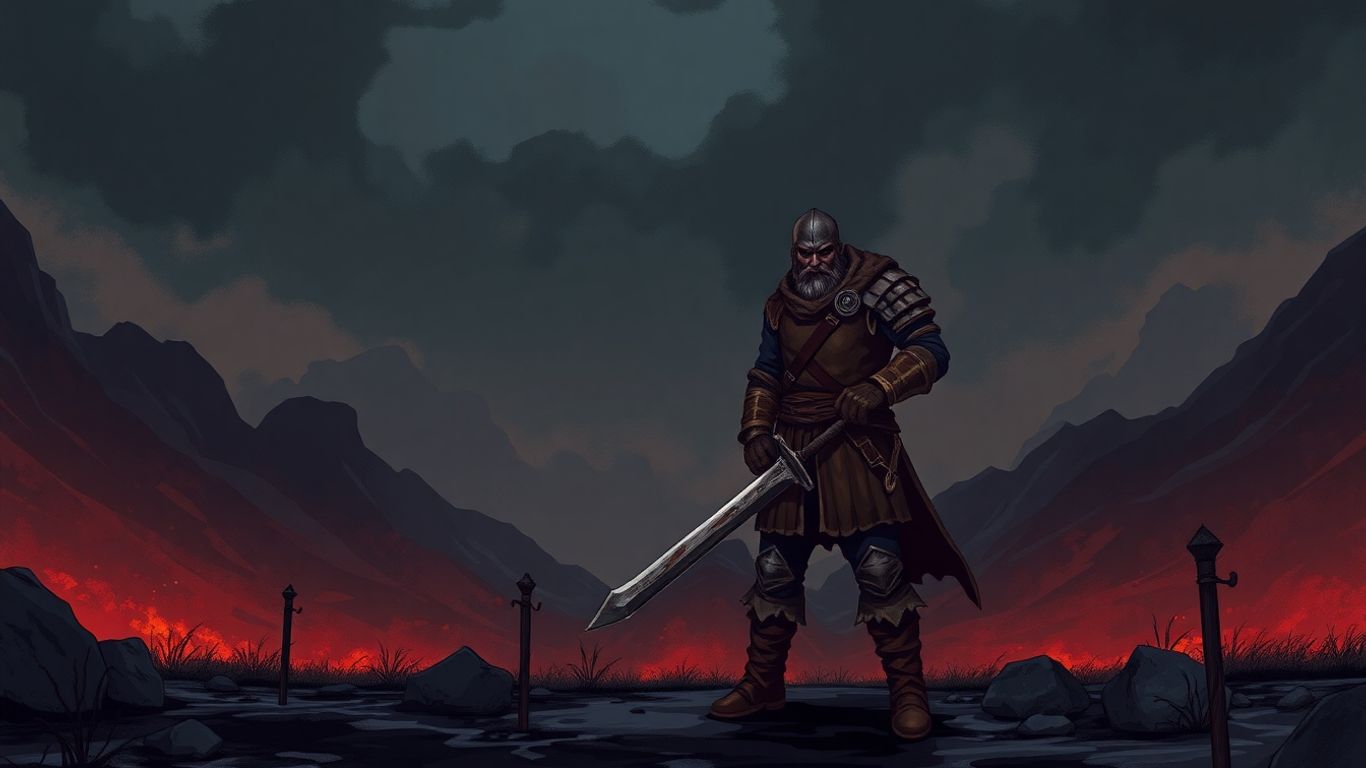
Defiant steps onto the scene as a compelling text-based RPG that focuses on player choice and consequence. This game isn’t just about making decisions; it’s about living with them. The narrative weaves a complex web where your actions, no matter how small they seem, can ripple outwards and change the course of events. You’ll find yourself constantly weighing options, not just for immediate gain, but for the long-term impact on the world and its inhabitants.
What sets Defiant apart is its commitment to a reactive world. NPCs remember your deeds, factions shift their allegiances based on your interventions, and the environment itself can change in response to your choices. This creates a truly dynamic experience where no two playthroughs are ever quite the same. The game encourages exploration and experimentation, rewarding players who take the time to understand the intricate systems at play.
Here’s a look at some of the core mechanics:
- Reputation System: Your standing with various groups is tracked, influencing dialogue, available quests, and even combat encounters.
- Skill Progression: Develop your character through a flexible skill tree, allowing for diverse builds from stealthy rogues to charismatic leaders.
- Dynamic Events: Unforeseen events can occur, forcing you to adapt your strategy and make difficult choices on the fly.
The developers have put a lot of thought into making the player feel like their presence truly matters within the game’s universe. It’s this level of detail that pulls you in and makes you care about the outcome of your journey.
While the text-based nature might suggest a simpler experience, Defiant offers a surprising depth of gameplay. The writing is sharp, the scenarios are engaging, and the overall feeling is one of genuine agency. It’s a game that respects your intelligence and rewards your engagement. If you’re looking for a text RPG where your decisions carry real weight, Defiant is definitely worth your time.
4. Fame In Progress
Fame In Progress offers a unique take on the text-based RPG genre, focusing on the journey of an individual striving for recognition and success. This game isn’t about slaying dragons or saving kingdoms; instead, it places you in a world where your social standing, career choices, and personal relationships are the primary drivers of your progression. You’ll make decisions that shape your public image, build your network, and navigate the often-treacherous path to stardom.
The core gameplay loop involves managing various aspects of your character’s life. This includes:
- Career Development: Choosing projects, attending events, and honing your skills to advance in your chosen field.
- Relationship Management: Building connections with friends, rivals, and potential romantic interests, as each interaction can have significant consequences.
- Reputation Control: Carefully managing your public persona and dealing with the fallout from both positive and negative attention.
- Financial Planning: Making smart decisions to ensure you have the resources needed to pursue your ambitions.
The game excels at presenting complex social dynamics in an accessible text format. It challenges players to think strategically about long-term goals versus immediate gratification, often forcing difficult choices with no easy answers. The narrative branches significantly based on player decisions, leading to a high degree of replayability as you explore different paths to fame.
Fame In Progress truly shines in its ability to simulate the pressures and opportunities of a public life. It’s a game that makes you consider the impact of every word and action, not just on your character, but on how the world perceives them. The consequences feel real, and the satisfaction of achieving your goals through careful planning and shrewd decision-making is immense.
While the game doesn’t feature traditional combat, the conflicts are no less intense. You’ll face challenges like public scrutiny, professional setbacks, and personal betrayals. Success hinges on your ability to adapt, learn from mistakes, and maintain your composure under pressure. It’s a compelling experience for anyone interested in a more grounded, character-driven narrative within the RPG space.
5. Teacher’s Torment
Teacher’s Torment presents a narrative that leans into the popular trope of forbidden student-teacher relationships. This game explores the complexities and potential consequences of such a dynamic. Players step into the shoes of a student who finds themselves drawn to their instructor, navigating a storyline filled with romantic tension and dramatic choices. The game focuses on the emotional journey and the decisions made within this sensitive context.
While the specifics of gameplay mechanics can vary, the core experience often involves:
- Making dialogue choices that influence the relationship’s progression.
- Navigating social situations and potential risks.
- Experiencing branching storylines based on player decisions.
The game’s appeal often lies in its exploration of taboo subjects and the player’s agency in shaping the outcome of a potentially volatile situation. It’s designed for those who enjoy dramatic narratives with romantic undertones and a focus on character interaction.
6. My Fantasy: Choose Romance
My Fantasy: Choose Romance positions itself as a blend of dating simulator and interactive fiction, aiming to provide a personalized romantic escape. The game allows players to select their in-game home, customize their potential romantic partners, and alter their character’s appearance. This focus on customization is intended to increase player investment in the narrative.
Beyond individual customization, the game incorporates social features that enable players to share their experiences and stories with others, fostering a sense of community. The developers also regularly introduce new storylines and features, which helps keep the gameplay fresh.
The game’s interface is designed for ease of use, with straightforward controls that aim to make it accessible to new players without a steep learning curve.
While the game offers a variety of romantic scenarios, its core appeal lies in its player-driven narrative and the ability to shape one’s own romantic journey. It’s a title that caters to those looking for a lighthearted, engaging, and customizable interactive romance experience.
7. Barp Online
Barp Online is a throwback to the early days of browser-based role-playing games. It’s a revival of a classic-style RPG that first appeared in the early 2000s. If you’re looking for a game that captures that old-school feel, Barp Online might be worth checking out. It offers a chance to experience a simpler time in online gaming.
This game falls into the category of text-based adventures, where imagination plays a big part. Players interact with the game world through text commands and descriptions, which is a hallmark of classic RPGs. It’s a style that has a dedicated following.
- Classic Browser RPG Revival: Experience a game from the early 2000s brought back to life.
- Text-Based Gameplay: Relies on imagination and text interaction, a staple of older RPGs.
- Nostalgic Appeal: For players who miss the feel of early online gaming experiences.
Barp Online represents a segment of the gaming community that appreciates the foundational elements of role-playing games, focusing on narrative and player choice over complex graphics. It’s a direct link to the past for many gamers.
While specific gameplay mechanics and features are best discovered by playing, the core appeal lies in its retro nature. It’s a reminder of how far games have come, but also how much enjoyment can be found in their simpler forms.
8. DartMUD – Lands Of Ferdarchi
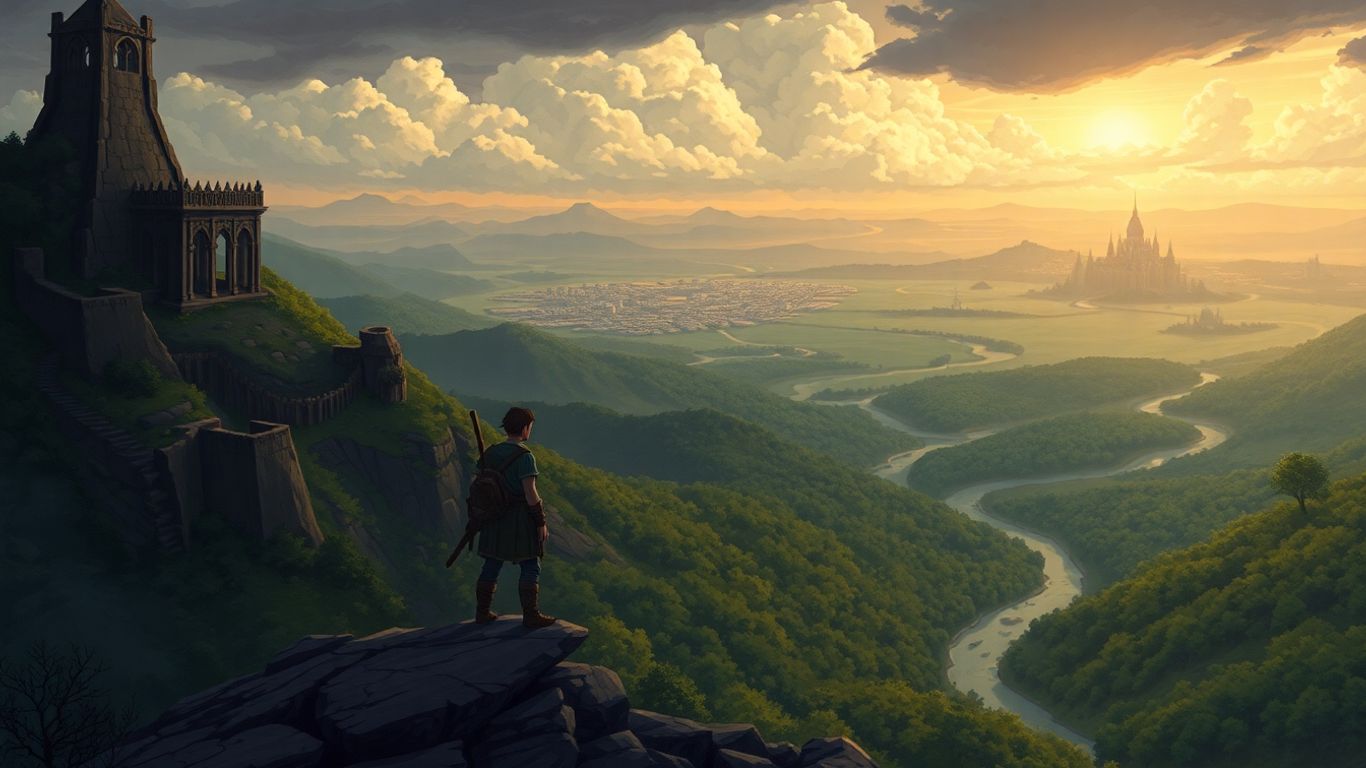
DartMUD – Lands of Ferdarchi invites players into its Sixth Age, marking a new chapter for this established text-based MUD. The game promises fresh content as it’s released, allowing participants to shape the experience from its early stages. This approach means players can be part of the ongoing development and witness the world evolve in real-time.
The game encourages new and returning players to join and explore the evolving landscape of Ferdarchi. The developers are focused on building a dynamic environment where player actions can influence the game’s direction. This collaborative development model is a hallmark of many successful MUDs, fostering a strong community bond.
Key aspects of the DartMUD experience often include:
- Exploration: Discovering new areas, hidden secrets, and unique challenges within the Lands of Ferdarchi.
- Character Progression: Developing your character through skills, abilities, and equipment.
- Player Interaction: Engaging with other players through trade, cooperation, or conflict.
- Storytelling: Uncovering the lore and narrative threads that weave through the game world.
The transition into a new
9. TryoWars
TryoWars is a free-to-play browser-based MMORPG that throws players right into the action. The game kicks off with an immediate sense of urgency, as you’re jolted from safety just as a bullet shatters a nearby vase. This sets the stage for a world embroiled in conflict, where wars have erupted across society and allegiances are being formed. Players must choose their path and decide where they stand in this chaotic landscape.
As a massive multiplayer online role-playing game, TryoWars focuses on player interaction and strategic decision-making within a persistent online world. The browser-based nature means it’s accessible without the need for extensive downloads, allowing players to jump in and start their adventure quickly.
While specific gameplay mechanics and progression systems are not detailed here, the premise suggests a focus on:
- Factional conflict and alliance building.
- Player-versus-player (PvP) or player-versus-environment (PvE) combat.
- Character development and progression through in-game activities.
- Exploration of a world shaped by ongoing wars.
The game’s opening moments are designed to immediately immerse players in a world on the brink of collapse, emphasizing the immediate need for survival and choice. This narrative hook aims to draw players into the core conflicts and encourage them to forge their own destiny within the game’s universe.
10. The Last District
The Last District presents a unique take on the text-based RPG genre, focusing on player choice and consequence within a gritty, urban setting. Unlike many fantasy-themed games, this experience grounds itself in a more contemporary, albeit fictional, world where survival and social maneuvering are key.
Players step into the shoes of an individual trying to make their way in a city rife with corruption and opportunity. The narrative unfolds through descriptive text, requiring players to read carefully and make decisions that shape their character’s path. The core gameplay loop revolves around managing resources, building relationships, and navigating the complex social strata of The Last District.
Key aspects of the gameplay include:
- Decision Making: Every choice, from dialogue options to actions taken, has a ripple effect on the story and your character’s standing.
- Resource Management: Players must balance income, expenses, and the acquisition of necessary items to survive and progress.
- Reputation System: Your actions influence how different factions and individuals perceive you, opening or closing off certain opportunities.
- Skill Development: Characters can develop various skills, such as negotiation, stealth, or combat, which are vital for overcoming challenges.
The game doesn’t shy away from mature themes, exploring the struggles of everyday life in a challenging environment. It aims to provide a thought-provoking experience that mirrors some of the complexities found in the real world, albeit within a fictional context.
While specific quantitative data like character stats or combat numbers are presented through text, the game’s depth comes from its narrative branching and the emergent stories that players create. It’s a game that rewards patience and strategic thinking, offering a compelling alternative for those seeking a narrative-driven RPG experience without traditional graphical interfaces.
11. The Lost Realm
The Lost Realm presents a unique approach to text-based gaming, designed for players who might have limited time but still want a consistent engagement. The core mechanic revolves around ‘mana,’ which acts as your daily energy resource. This mana is replenished every 24 hours, a system referred to as a ‘reset,’ making daily logins important to maximize your actions.
The game is structured to be playable in short bursts, perhaps just five minutes a day, yet it encourages daily participation to avoid missing out on mana regeneration. This design philosophy makes it accessible for busy individuals.
Key aspects of The Lost Realm include:
- Mana Management: Understanding how mana regenerates and how best to spend it is central to progression.
- Daily Reset: The predictable 24-hour cycle for mana replenishment creates a rhythm for players.
- Accessibility: The short play sessions make it easy to fit into a daily routine.
While the game is playable in brief intervals, consistent daily engagement is recommended to fully benefit from the mana system and avoid falling behind. This balance between quick play and the need for regularity is a defining characteristic of the experience.
This game offers a straightforward yet engaging experience for those who appreciate a game that respects their time while still providing a sense of ongoing progression and resource management.
12. E Soclife
E Soclife presents a unique take on the text-based MMO genre, focusing on player interaction and strategic depth within a browser environment. This game invites you to step into a world where your decisions have real weight, not just for your character but for the broader community. It’s a place where you can build a business, engage in political maneuvering, or even fight for your nation’s interests. The core of E Soclife seems to be its emphasis on a player-driven experience, aiming for a fair and collaborative atmosphere.
What sets E Soclife apart is its multifaceted gameplay. You’re not just limited to one path; the game offers several avenues for progression and engagement. Consider these key aspects:
- Political Involvement: Run for office and influence the direction of your nation. This involves understanding the game’s political systems and rallying support.
- Economic Development: Build and manage businesses. Success here requires careful planning, resource management, and understanding market demands.
- National Conflict: Participate in conflicts or support your nation’s efforts. This adds a layer of strategic combat and cooperation.
- Community Building: Shape the social fabric of the game world through your actions and interactions with other players.
The game encourages players to think strategically about their long-term goals, whether those involve economic dominance, political power, or simply contributing to a thriving community. It’s a space where ambition meets collaboration.
While specific quantitative data like player counts or economic growth rates aren’t readily available in a simple format, the game’s design suggests a focus on persistent progression. Players can expect to invest time in developing their chosen path, with outcomes often depending on both individual effort and the collective actions of the player base. It’s a game that rewards those who are willing to engage deeply with its systems and interact meaningfully with others.
13. Wonderland Fantasy
Step into a world of whimsy and wonder with Wonderland Fantasy, a text-based RPG that invites players to explore a fantastical setting inspired by classic tales. This game offers a unique narrative experience where your choices directly shape the unfolding story and your character’s journey. Players are presented with a rich tapestry of lore and characters, encouraging deep engagement with the game’s world.
Wonderland Fantasy focuses on interactive storytelling, allowing you to make decisions that have real consequences. Whether you’re solving puzzles, engaging in dialogue, or making critical choices that affect the plot, your agency as a player is central to the experience. The game is designed to be accessible, making it easy for newcomers to jump in and enjoy the adventure without a steep learning curve.
Key features often found in games like Wonderland Fantasy include:
- Branching Narratives: Multiple story paths based on player decisions.
- Character Interaction: Engaging with a diverse cast of characters, each with their own motivations and secrets.
- Exploration: Discovering hidden areas and uncovering the secrets of the fantastical world.
- Problem Solving: Overcoming challenges through wit and strategic decision-making.
The game’s charm lies in its ability to transport players to a place where imagination reigns supreme. It’s a space to get lost in, to make your own path, and to see where the narrative takes you based on your own unique choices.
14. Baldur’s Gate
Baldur’s Gate, released in 1998, is a landmark title in the world of computer role-playing games. Developed by BioWare, it aimed to capture the essence of playing Dungeons & Dragons on a computer, a feat many thought ambitious. The game uses a real-time system with pause functionality, allowing players to strategize during intense combat encounters. Its world is built upon the Advanced Dungeons & Dragons 2nd Edition ruleset, meticulously translating mechanics like saving throws, armor class, and combat calculations into the digital space.
The game’s success lies in its ability to balance complex D&D rules with an engaging narrative and accessible gameplay. This made it a hit not only with seasoned tabletop players but also with newcomers to the genre.
Key aspects of the Baldur’s Gate experience include:
- Deep Storytelling: Players embark on an epic journey filled with political intrigue, moral choices, and a sprawling narrative that unfolds across a vast world.
- Character Customization: A wide array of races, classes, and abilities allow for extensive character creation and party building.
- Real-Time Combat with Pause: Offers tactical depth, letting players control their party’s actions in real-time or pause to issue commands.
- Exploration: The Sword Coast is a rich environment filled with diverse locations, side quests, and hidden secrets to discover.
Baldur’s Gate set a high bar for CRPGs, proving that a faithful adaptation of tabletop rules could translate into a compelling and immersive digital adventure. Its influence can be seen in many RPGs that followed.
An enhanced version, Baldur’s Gate: Enhanced Edition, was released in 2012, bringing graphical improvements, bug fixes, and new content, including the "Black Pits" arena adventure. This updated version is available on multiple platforms, including PC, consoles, and mobile devices, allowing a new generation to experience this classic.
15. Shadow Hearts: Covenant
Shadow Hearts: Covenant, released in 2004 for the PlayStation 2, is a turn-based RPG that continues the story from its predecessor. Developed by Nautilus, it’s often praised for its unique blend of historical settings and supernatural elements. The game puts players in control of Yuri Volte Hyuga and a diverse cast of characters as they travel across Europe during World War I to stop a dark ritual.
The game’s battle system, known as the Judgment Ring, is a standout feature that requires players to time button presses to execute attacks and spells effectively. This mechanic adds a layer of skill and engagement to the turn-based combat, making each encounter feel more dynamic.
Here’s a quick look at some key details:
- Original Platform: PlayStation 2
- Metacritic Score: 85
- Release Year: 2004
- Estimated Playtime (Main Story): 39 hours
An enhanced version, Shadow Hearts II: Director’s Cut, was released in 2005, featuring new dungeons, story segments, and playable antagonist sections, though it was exclusive to Japan. The game received significant acclaim, with many publications listing it among the best RPGs of its time.
The narrative weaves together historical events with occult lore, creating a compelling atmosphere that draws players into its world. The characters are well-developed, each with their own motivations and backstories that contribute to the overall richness of the plot.
16. Pillars Of Eternity II: Deadfire
Pillars of Eternity II: Deadfire, developed by Obsidian Entertainment, continues the rich narrative and deep gameplay that fans of the original came to expect. Released in 2018, this title offers a sprawling world filled with political intrigue, exploration, and challenging combat. The game allows players to choose between real-time with pause combat or a turn-based mode, catering to different playstyles.
Players take on the role of the Watcher, who must pursue a rogue god across the Deadfire Archipelago. The journey involves managing a ship, recruiting a diverse crew, and making significant decisions that impact the world and its inhabitants. The narrative is dense, with extensive dialogue and lore that reward players who invest time in understanding the world’s history and its many factions.
Key features of Pillars of Eternity II: Deadfire include:
- Ship Combat and Management: Navigate the seas, engage in naval battles, and upgrade your vessel.
- Companion System: Recruit and develop relationships with a memorable cast of companions, each with their own backstories and quests.
- Branching Narratives: Player choices have tangible consequences, leading to different outcomes and story paths.
- Deep Character Customization: A wide array of classes, subclasses, and skills allow for highly personalized character builds.
While the game boasts a vast amount of content and intricate systems, its deliberate pacing and extensive text can be a significant time commitment. It’s a game that asks for patience and engagement, rewarding those who are willing to immerse themselves fully in its world.
For those seeking a traditional RPG experience with a strong emphasis on story and player agency, Pillars of Eternity II: Deadfire stands out. Its blend of tactical combat, exploration, and meaningful choices makes it a standout title in the genre.
17. Shin Megami Tensei IV
Shin Megami Tensei IV, released in 2013 for the Nintendo 3DS, stands as a significant entry in the long-running Japanese role-playing game series. Developed by Atlus, this title plunges players into a post-apocalyptic Tokyo, where humanity is caught between warring factions of angels and demons. The game is known for its challenging combat, intricate demon negotiation and fusion systems, and a narrative that explores complex moral and philosophical themes. Players are tasked with making difficult choices that directly impact the story’s progression and ultimate outcome.
The core gameplay loop involves exploring dungeons, battling demons, and recruiting them to your party. These recruited demons can then be fused together to create more powerful allies, a hallmark of the Shin Megami Tensei series. The combat system is turn-based and demands strategic thinking, as exploiting enemy weaknesses is key to survival.
Key gameplay elements include:
- Demon Negotiation: Instead of fighting every demon, players can attempt to converse with them, often leading to them joining your party or offering items.
- Demon Fusion: Combining two or more demons creates a new, often stronger, demon, inheriting skills from its predecessors.
- Alignment System: Player choices and actions influence their alignment, which in turn affects the story, available demons, and endings.
- Challenge: The series is notorious for its difficulty, and Shin Megami Tensei IV is no exception, requiring careful planning and execution.
The narrative often presents players with morally ambiguous situations, forcing them to question their own beliefs and the nature of good and evil. This isn’t a game that provides easy answers; instead, it encourages deep thought about the consequences of one’s actions in a world teetering on the brink of destruction.
While Shin Megami Tensei IV itself is a standalone experience, its place within the broader Shin Megami Tensei universe means it shares thematic and mechanical DNA with other titles in the franchise, such as Shin Megami Tensei III: Nocturne and Shin Megami Tensei: Strange Journey. It’s a game that rewards patience and strategic depth, offering a truly engaging experience for those willing to face its challenges.
18. Treezy Play
Treezy Play is shaking things up in the world of interactive stories, especially if you’re an iOS user. It’s like stepping into a movie where you’re the main character, and your choices actually matter. Forget just picking dialogue options; this app uses a mix of simulated video calls, text messages, and interactive scenes to make you feel truly involved. The production quality is pretty high, aiming for that cinematic feel with good visuals and sound, all optimized for your iPhone or iPad.
Right now, Treezy Play is in a private beta, meaning it’s not widely available yet, but it’s a chance to get in early and see how it develops. They’re regularly adding new stories and working with different franchises, so there’s usually something fresh to check out. The way you interact feels more natural, blending storytelling with gameplay in a way that’s different from many other text-based games.
The core idea is to make the player feel like they are actively participating in a film, not just reading a book. This involves using various modern communication methods to deliver the narrative and choices, making the experience feel more personal and immediate.
Getting started is pretty straightforward if you have an Apple device. You can download the app and jump right into a story. It’s worth taking a moment when you start a new story to look around the scene; sometimes there are hidden details or options that can lead to different paths you might not find otherwise.
19. Choice Of Games
Choice of Games stands out as a major publisher in the world of text-based adventure games. They have built a large library of interactive stories that you can play right on your phone. Whether you’re into fantasy quests, science fiction tales, or even romance and horror, there’s likely a game for you.
What’s really great about Choice of Games is how easy it is to try their games. You can download their main app, which acts like a big collection of their titles. Inside this app, you can play the first few chapters of any game for free. This lets you get a feel for the story and gameplay before you decide to buy the full game through an in-app purchase. It’s a smart way to explore their offerings without any commitment.
The games themselves are designed so that your choices really matter. They don’t just change the plot; they can also shape your character’s personality, their abilities, and their relationships with other characters. This focus on player agency means that each time you play, you can have a different experience.
Here are some of the types of stories you can find:
- Fantasy Adventures: Embark on epic quests, battle mythical creatures, and make decisions that affect the fate of kingdoms.
- Science Fiction Journeys: Explore distant galaxies, interact with alien species, and navigate complex technological futures.
- Romance Narratives: Build relationships, navigate social dynamics, and find love in various settings.
- Horror and Mystery: Uncover dark secrets, survive terrifying situations, and solve intriguing puzzles.
Many of their games also include diverse characters and relationship options, including LGBTQ+ themes, making their stories more inclusive. Because these games are text-focused, they tend to run smoothly on most devices and are quite accessible.
The core appeal of Choice of Games lies in its commitment to player choice. Every decision, no matter how small, can ripple through the narrative, leading to vastly different outcomes and encouraging multiple playthroughs to discover all the possibilities.
Most of the full games can be purchased for between $2.99 and $9.99, which is a pretty reasonable price for the amount of content and replayability you get. They also frequently have sales, so it’s worth keeping an eye on the app for deals.
20. HabHub and more
Beyond the major titles, the landscape of text-based RPGs in 2025 is also populated by a vibrant collection of smaller, yet engaging, experiences. These games often focus on specific niches or offer unique gameplay loops that can be incredibly rewarding. HabHub stands out as a platform offering daily autogames, a great way to earn in-game currency and rare items without a huge time commitment. It’s a good example of how some games prioritize accessibility and regular engagement.
Many of these titles fall into the category of browser-based games, meaning you can jump in right from your web browser. This makes them easy to access and play during short breaks or commutes. Some popular examples include:
- The Last District: A survival game where players battle against zombies and other survivors for control.
- The Lost Realm: This game focuses on resource management, specifically ‘mana,’ which is needed for most actions and replenishes daily.
- eSoclife: A strategic MMO where players can engage in politics, business, and community building.
- Barp Online: A revival of a classic-style browser RPG from the early 2000s, offering a nostalgic experience.
- DartMUD – Lands of Ferdarchi: This MUD (Multi-User Dungeon) is entering its sixth age, promising new content and a fresh start for players.
These games, while perhaps not having the same production values as larger titles, provide a different kind of depth. They often rely on strong community interaction, strategic planning, and a persistent world that evolves with player actions.
The appeal of these smaller text-based games often lies in their focused gameplay. Whether it’s managing a virtual nation, surviving a post-apocalyptic world, or engaging in a fantasy realm, they offer a direct and often challenging experience that doesn’t require high-end hardware or extensive download times. They prove that compelling gameplay can be built on words and imagination alone.
Wrapping Up Your Next Adventure
So, we’ve looked at a bunch of different text-based games for 2025, from deep role-playing worlds like those found in "The Last District" or "DartMUD – Lands of Ferdarchi," to more story-focused experiences like "The Missing Heir" or "Dance to the Top." Whether you’re into complex strategy in "eSoclife," the thrill of survival, or even a good romance in "My Fantasy: Choose Romance," there’s really something out there for everyone. These games show how far text-based adventures have come, offering rich narratives and player choice that can really pull you in. It’s a great time to jump into these kinds of games and see where your decisions take you.
Frequently Asked Questions
What exactly is a text-based RPG?
A text-based RPG is a game where the story and actions are mostly told through words on a screen. Instead of fancy graphics, you use your imagination to picture the characters and the world. You make choices by typing commands or selecting options, and these choices change how the story goes.
Are text-based RPGs still popular?
Absolutely! Even with amazing graphics in other games, text-based RPGs have a strong following. They offer deep stories, focus on imagination, and can be played on almost any device, making them super accessible and fun for many players.
How do I start playing a text-based RPG?
It’s pretty simple! Many text-based games are available online through websites or as apps on your phone. You can often try out a part of the game for free to see if you like it before diving in completely. Just look for games that sound interesting to you!
What kind of stories can I find in text-based RPGs?
You can find pretty much any kind of story you can imagine! From thrilling mysteries and epic fantasy adventures to romance stories and even scary tales. Many games let you make big choices that change the whole outcome, so each playthrough can be different.
Do I need a powerful computer to play these games?
Not at all! That’s one of the best things about text-based RPGs. Since they rely on words rather than complex graphics, they usually don’t need a powerful computer or the latest gaming console. Many can even be played right in your web browser or on a smartphone.
What’s the difference between a text-based RPG and a ‘choose your own adventure’ game?
They are very similar! Both use text to tell a story and let you make choices. Text-based RPGs often have more complex systems like character stats, leveling up, and managing items, similar to traditional role-playing games. ‘Choose your own adventure’ games might focus more directly on the branching narrative and story choices.