

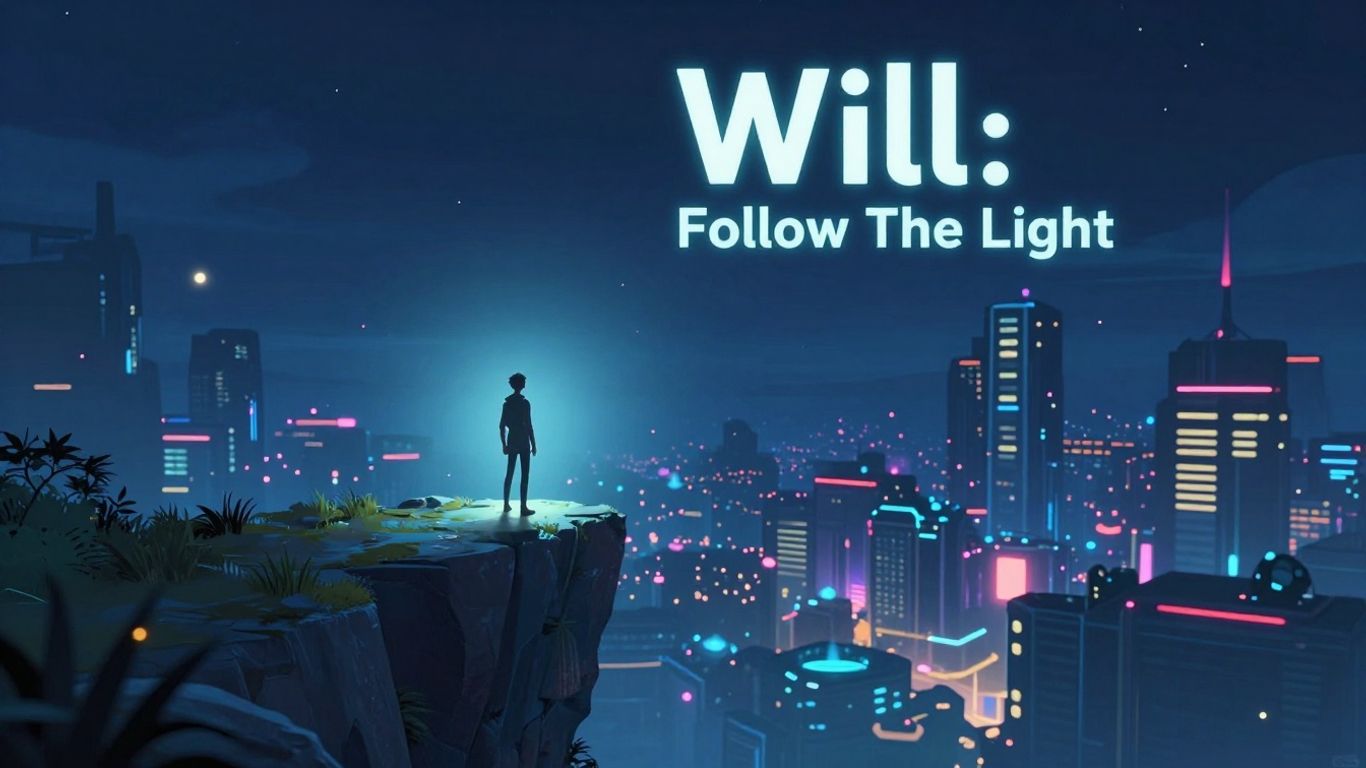
The world of making video games is always changing, isn’t it? It feels like just yesterday we were all amazed by simple graphics, and now we’re talking about virtual reality and AI creating worlds. It makes you wonder, will game development keep up this pace? We’re going to look at some of the cool stuff happening now, like that game ‘Will: Follow The Light’, and see what it might mean for the future of gaming.
Key Takeaways
- Technology keeps shaking things up in game making, forcing everyone to adapt to new tools and ways of doing things. The industry is basically learning as it goes, much like other creative fields did in the past.
- Games are becoming more about the player than ever before. This shift means developers need to listen more to what players want and create experiences that truly connect with them, moving away from just corporate goals.
- New tech like VR, AR, and AI are opening up fresh possibilities for creating games. While AI has its pros and cons, it could help speed up parts of the game-making process.
- Making games accessible to everyone is a big deal. Trends like cross-platform play and cloud gaming aim to bring more people into gaming, no matter their device or skill level.
- Authentic passion, like what you see with indie studios such as Hazelight, still matters a lot. Developers who are genuinely gamers themselves often create the most engaging and player-focused experiences.
The Evolving Landscape Of Game Development
Technological Disruptions And Industry Adaptation
The world of video games is always changing, and it feels like it’s moving faster than ever. New tech pops up constantly, forcing game makers to figure out new ways to build and share their creations. Think about how much games have changed just in the last decade – from graphics that looked almost real to entirely new ways of playing online. It’s a bit like how the movie industry had to adjust when sound and color came along. They figured it out, and so will the game industry.
The Shifting Player-Centric Mentality
For a while, it felt like big companies were more focused on making money than making fun games. But players are noticing. We’re seeing a return to games that really care about the people playing them. Developers who are passionate about games, like the folks at Hazelight Studios with their game ‘It Takes Two,’ are showing that making something you love, for people who love games, is still a winning strategy. It’s about understanding what players want and building that experience.
Emerging Opportunities Amidst Challenges
Even with all the changes and sometimes confusing trends, there are still tons of cool new things happening in game development. The industry is growing, and that means more chances for new ideas and new people to get involved. It’s a mix of figuring out the old ways and embracing the new, but the core of it is still about creating fun and engaging experiences for players.
Key Trends Shaping The Future Of Gaming
The gaming world is always on the move, and keeping up with what’s new is part of the fun. Right now, a few big ideas are really changing how games are made and played. It’s not just about better graphics anymore; it’s about how we connect with games and each other.
The Rise Of Immersive Experiences: Metaverse And VR/AR
Virtual Reality (VR) and Augmented Reality (AR) have been talked about for a while, promising to pull us right into game worlds. While VR headsets put you in a completely digital space, AR overlays game elements onto our real surroundings. Think of games where characters pop out of your living room or where you explore a fantasy map laid over your actual neighborhood. The metaverse, a concept of interconnected virtual spaces, also plays into this, aiming to create persistent online worlds where gaming is just one part of a larger social experience. These technologies are still growing, but they’re pushing towards making games feel more real and engaging than ever before.
Generative AI’s Role In Game Creation
Artificial Intelligence (AI) is becoming a powerful tool for game developers. Generative AI, in particular, can help create game content much faster. This means AI can assist in designing levels, writing dialogue, or even creating unique characters and items. It’s not about replacing human creativity, but rather giving developers more time to focus on the core gameplay and unique artistic vision. Imagine games that can adapt and change based on how you play, or worlds that feel incredibly detailed because AI helped build them.
Cross-Platform Play And Accessibility
Gone are the days when you had to stick to one type of device to play with your friends. Cross-platform play lets gamers on PCs, consoles, and even mobile devices join the same games. This opens up the player base significantly, making it easier to find matches and play with whoever you want, regardless of their hardware. Alongside this, there’s a growing focus on accessibility. This means designing games that more people can enjoy, including those with disabilities. Features like customizable controls, clear visual cues, and adjustable difficulty levels are becoming standard, making sure gaming is for everyone.
Will Game Development Continue Its Ascent?

The gaming industry is on a remarkable upward trajectory, and there’s little indication this growth will slow down anytime soon. It’s a dynamic field, constantly adapting to new technologies and player expectations. We’re seeing significant expansion, with projections suggesting continued strong performance in the coming years. This isn’t just about making more games; it’s about making them more accessible, more engaging, and reaching a wider audience than ever before.
Growth Projections And Market Expansion
The numbers speak for themselves. The global gaming market is a multi-billion dollar industry, and it’s expected to keep growing. Forecasts indicate a steady increase, driven by a variety of factors. This expansion isn’t limited to one region or platform; it’s a global phenomenon. The continuous advancements in gaming technology are a major catalyst, pushing the industry forward and attracting new players. It’s fascinating to see how quickly the sector is evolving, with new trends emerging and shaping the future of play.
Factors Driving Industry Expansion
Several key elements are fueling this sustained growth. The widespread adoption of smartphones has made mobile gaming the largest segment, offering a profitable avenue for developers. Furthermore, the increasing popularity of online multiplayer experiences and the integration of trending technologies like augmented reality (AR) and virtual reality (VR) are broadening the appeal of gaming. The industry is also benefiting from a more interconnected world, where players can easily share experiences and connect with others. The constant push for innovation ensures that there’s always something new and exciting on the horizon.
The Impact Of Mobile Gaming Dominance
It’s impossible to discuss the industry’s ascent without highlighting the massive influence of mobile gaming. Smartphones are ubiquitous, making gaming accessible to a vast population. This has led to a surge in mobile game development, with companies focusing on creating engaging experiences optimized for these devices. The ease of access and the sheer number of potential players make mobile a dominant force, contributing significantly to the overall market expansion and driving technological change in game design and distribution.
Authenticity And Passion In Game Creation
The Hazelight Studios Example
In an industry sometimes dominated by large corporations and predictable formulas, studios like Hazelight demonstrate that genuine passion can still lead to remarkable success. Following their award-winning "It Takes Two," Hazelight, led by Josef Fares, continues to produce games that feel personal and player-focused. Fares, a self-proclaimed hardcore gamer, often speaks with infectious enthusiasm about his craft. This authentic connection to the gaming community is precisely what many players crave. It shows that games can be made by people who deeply understand and love what they do, speaking the language of their audience.
Connecting With The Gaming Audience
Building a strong connection with players goes beyond just releasing a good game. It involves understanding what gamers value and reflecting that in the development process. For years, major platform holders like PlayStation and Xbox built their reputations by championing gamers. However, as corporate goals shift, this player-first approach can sometimes get lost. Smaller studios and even some larger ones, like Nintendo, often excel at maintaining this direct line to their audience. They remember that games are made for people to enjoy, and that enjoyment is the primary driver.
Reclaiming The Player-First Approach
Many developers, especially those working in smaller teams or as indies, are finding ways to put players back at the center of game creation. This doesn’t necessarily mean abandoning new technologies, but rather using them to serve the player experience. It’s about making thoughtful design choices that prioritize fun, engagement, and a sense of connection. This approach can lead to more memorable and impactful games, proving that a focus on genuine passion and player satisfaction remains a powerful strategy in game development.
Visual Fidelity And Technological Advancements
The Power Of Realistic Graphics And Ray Tracing
Games are looking more and more like real life these days, and it’s not just by accident. Developers are using some pretty advanced tech to make everything pop. We’re talking about super high-resolution textures that make surfaces look incredibly detailed, almost like you could reach out and touch them. Then there’s the lighting – it’s not just static anymore. Lights change and react to what’s happening in the game, making scenes feel much more alive. Think about how characters move or how objects react when they bump into each other; that’s all thanks to better physics simulations.
Ray tracing is a big part of this push for realism, simulating how light actually behaves in the real world. Instead of just faking it, ray tracing calculates how light rays bounce off different surfaces, creating incredibly lifelike shadows, reflections, and even how light bends through things like glass or water. This means shadows are softer and more accurate, reflections on shiny surfaces are spot-on, and you get that believable look for transparent materials. It’s a huge leap forward that makes game worlds feel more grounded and believable.
Cloud Gaming’s Growing Influence
Cloud gaming is changing how we access and play games. Instead of needing a powerful console or PC, you can stream games directly over the internet. This means your local hardware matters less, and you can jump into games on various devices, from your TV to your tablet.
Here’s a look at how cloud gaming is impacting the industry:
- Accessibility: It opens up gaming to a wider audience who might not have expensive hardware.
- Convenience: Games are often available instantly without long downloads or installations.
- Subscription Models: Many services operate on a subscription basis, shifting the focus from owning games to accessing a library.
- Growing Market: The global cloud gaming market is projected to keep growing significantly, indicating its lasting presence.
While a strong internet connection is still key to avoiding lag, the increasing availability of high-speed internet worldwide means more people can enjoy this way of playing.
The shift towards cloud gaming is not just about convenience; it’s reshaping the entire model of game distribution and consumption, moving towards a more service-oriented future.
Innovations Enhancing Gameplay
Beyond just looking good, technology is making games more fun and engaging to play. We’re seeing a move towards more complex and interactive environments. Think about games where the world itself can be manipulated or where player actions have a more significant and visible impact on the game’s progression.
- Procedural Generation: This technique allows for the creation of vast, unique game worlds that can change each time you play, offering endless replayability.
- Advanced AI: Smarter non-player characters (NPCs) can react more realistically to player actions, creating more dynamic and challenging encounters.
- Haptic Feedback: New controller technologies provide more nuanced vibrations and sensations, allowing players to feel the game world more directly.
These advancements aren’t just about making games prettier; they’re about creating deeper, more responsive, and ultimately more enjoyable experiences for players.
The Future Gamer And Industry Inclusivity
A Diverse And Dynamic Player Base
The image of a typical gamer is changing, and fast. Gone are the days when gaming was seen as a niche hobby for a specific demographic. Today, the gaming community is incredibly varied, spanning all ages, backgrounds, and interests. We’re seeing older adults picking up controllers to revisit classic games or explore new virtual worlds, while young children are using games as tools for learning and development. The average age of a gamer has steadily increased, showing that gaming isn’t just for the young anymore. This broad appeal means developers need to think about who they’re making games for, and that’s pretty much everyone.
Making Games Accessible To All
Making games accessible is becoming a major focus. This means designing games that people with different abilities can play and enjoy. Think about things like adjustable difficulty settings, customizable controls, and support for various input devices. Assistive technologies and adaptive controllers are also playing a bigger role, opening up gaming to individuals who might have previously faced barriers. The goal is to remove obstacles so that more people can join in the fun, regardless of their physical capabilities.
- Customizable Controls: Allowing players to remap buttons and adjust sensitivity.
- Visual Aids: Options for colorblind modes, adjustable text sizes, and clear visual cues.
- Audio Options: Subtitles, adjustable volume for different sound types (music, effects, voice), and mono audio settings.
- Cognitive Support: Features like simplified tutorials, optional hints, and reduced need for quick reflexes.
The industry is moving towards a future where games are not just entertainment but also tools for connection and learning, accessible to a wider audience than ever before. This shift requires a thoughtful approach to design and development, prioritizing the needs of all potential players.
Promoting Diversity And Inclusion
Beyond just accessibility, the industry is also working to promote diversity and inclusion within its content and its workforce. This involves creating characters and stories that reflect the real world’s rich tapestry of cultures, identities, and experiences. It also means building development teams that are as diverse as the player base they serve. When games feature diverse representation and are made by diverse teams, they tend to be more relatable and engaging for a broader audience. This push for inclusivity helps create a more welcoming and vibrant gaming environment for everyone involved.
Looking Ahead: The Evolving Landscape of Game Development
As we’ve explored, the game development world is in constant motion. From the innovative spirit seen in titles like ‘Will: Follow The Light’ to the broader industry shifts towards accessibility and new technologies like AI and VR, the way games are made and played is changing. While challenges exist, the industry’s history shows a strong capacity for adaptation, much like the film industry before it. Passionate creators, whether in large studios or independent teams, continue to drive meaningful experiences. The future likely holds more interconnectedness, diverse player bases, and a continued blurring of lines between the virtual and the real. It’s an exciting time to be a part of this evolving medium, and the journey ahead promises even more engaging and accessible adventures for everyone.
Frequently Asked Questions
Is game development always changing?
Yes, game development is like a fast-moving river! New technologies pop up all the time, and what players want can change quickly. Think of it like how phones used to be just for calls and now they do almost everything. Games are doing the same thing, always finding new ways to be fun and exciting.
What’s the big deal about VR and AR in games?
VR (Virtual Reality) and AR (Augmented Reality) are like stepping inside the game! VR puts you in a whole new world with a headset, while AR adds game elements to the real world you see through your phone. They make games feel much more real and exciting, like you’re actually there.
How is AI changing how games are made?
AI, or Artificial Intelligence, can help game makers speed things up. It can help create parts of the game, like characters or worlds, a bit faster. Some people are a little unsure about it, but it can be a helpful tool for developers.
Can I play games with my friends on different devices?
Absolutely! This is called ‘cross-platform play.’ It means you can play the same game with friends whether they’re on a PlayStation, Xbox, computer, or even a phone. It makes it easier for everyone to join in the fun together.
Are games getting more realistic looking?
Yes, they are! Developers are using cool technology like ‘ray tracing’ to make light, shadows, and reflections look super real, almost like a movie. This makes the game worlds look stunning and more believable.
Will games be easier for everyone to play?
That’s a big goal! Game makers want to make games that lots of different people can enjoy, no matter their abilities. This means making games easier to control, having options for different players, and making sure everyone feels welcome in the gaming world.