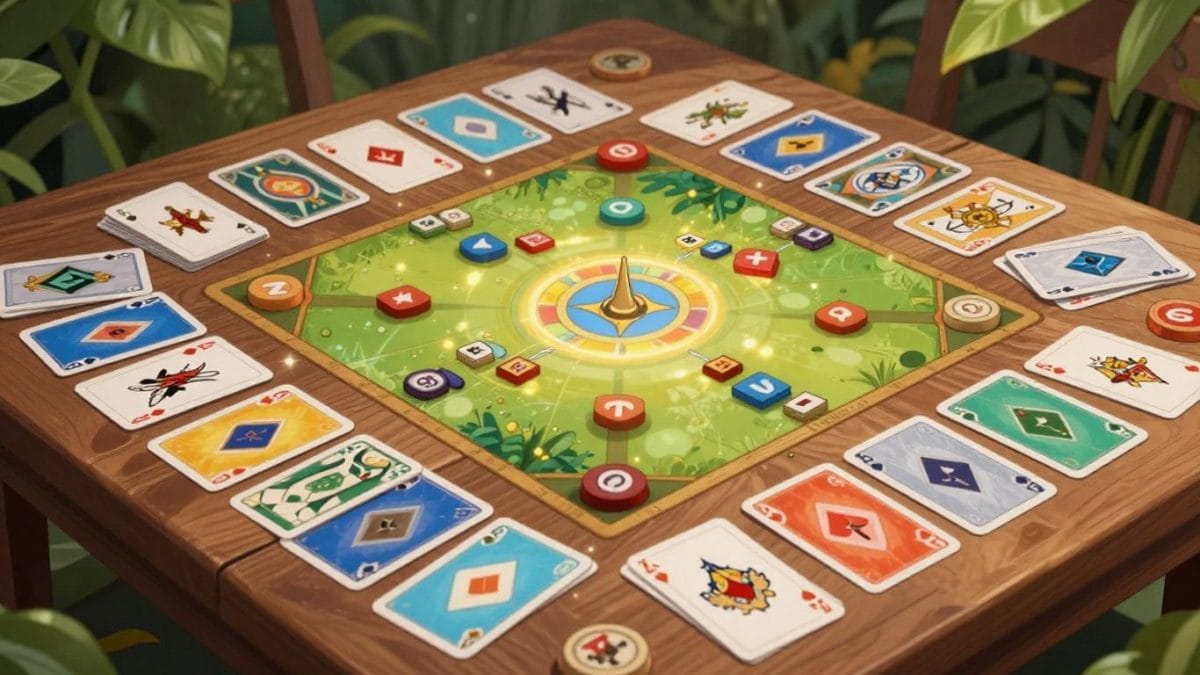
There’s a whole universe of card games out there beyond just the usual suspects. We’re talking about games that let you build stories, explore worlds, and really get creative. Today, we’re looking at the expansive world of solitaire game options, especially one called Solitaria, and how it’s changing the game. It’s not just about laying out cards; it’s about crafting an adventure. We’ll also touch on some other cool games that offer similar vibes.
Key Takeaways
- Solitaria offers a unique solo journaling experience set in a fantasy world, blending card mechanics with storytelling.
- Players can customize characters, set personal goals, and interact with NPCs and pets to deepen their connection to the game’s world.
- Exploration involves discovering new islands, participating in mini-games, and building a personal narrative through journaling.
- The game provides a structured progression system with unlockable rewards and requires simple materials like a card deck and journal.
- Beyond Solitaria, games like Witasy Express and influences from tabletop RPGs show a growing trend in narrative-driven solo gaming experiences.
Understanding the Solitaire Game Landscape
The Classic Solitaire Experience
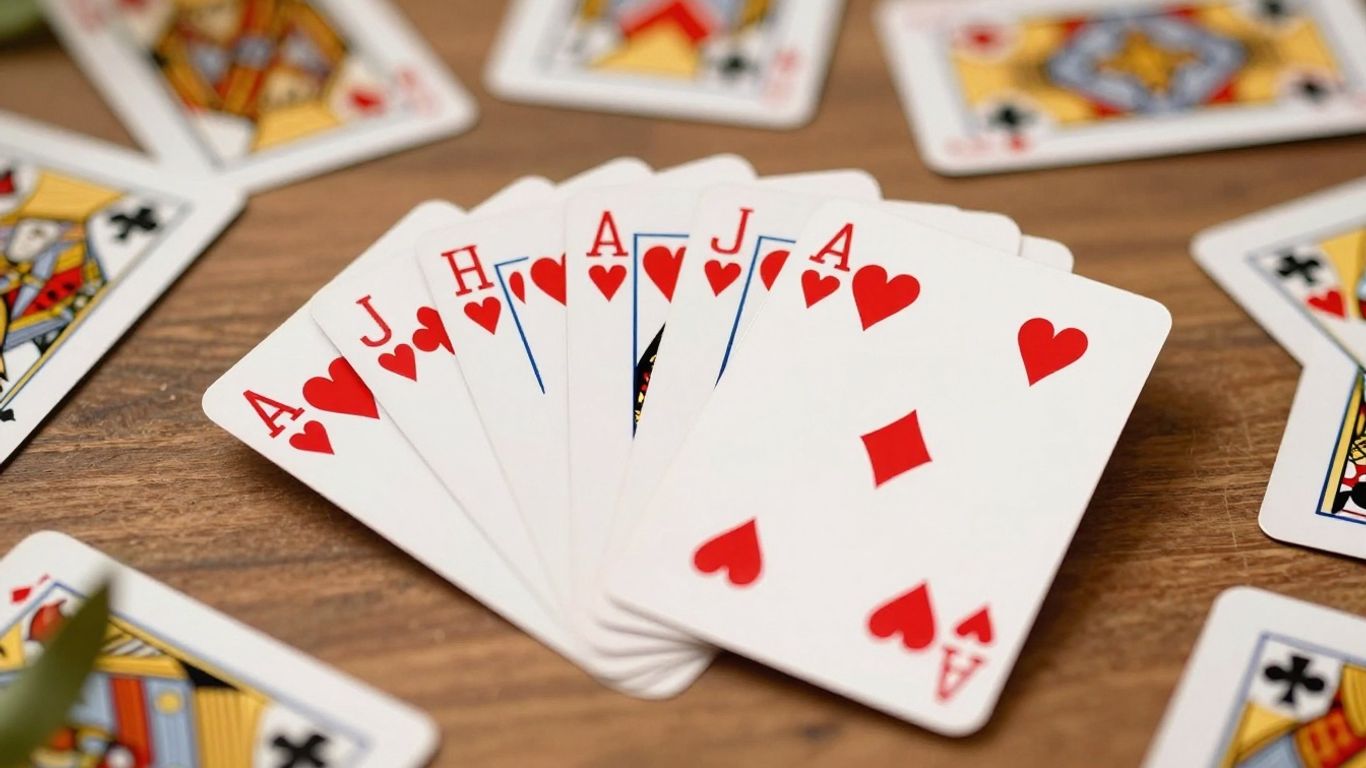
When most people think of solitaire, they picture the familiar card game, often called Klondike. It’s a game that many of us learned at some point, maybe on a rainy afternoon or during a quiet moment. The goal is simple: arrange a deck of cards into a specific order on the table. It involves moving cards between tableau piles, the foundation piles, and the stock pile.
Here’s a quick look at the basic setup:
- Tableau: Seven piles of cards, with the first having one card, the second two, and so on, up to seven. The top card of each pile is face up.
- Stock: The remaining cards, face down, from which you draw.
- Foundation: Four piles, one for each suit, where you build cards up from Ace to King.
The core challenge lies in strategically uncovering face-down cards and managing your available moves. It’s a game that rewards patience and a bit of foresight. While the basic rules are straightforward, mastering the game takes practice and an understanding of how to plan your plays.
While Klondike is the most recognized form, it’s just the tip of the iceberg when it comes to solitaire card games. Many variations exist, each offering a slightly different puzzle to solve.
Variations Beyond Klondike
The world of solitaire extends far beyond the classic Klondike. There are hundreds, if not thousands, of different solitaire games, each with its own unique rules and objectives. Some popular examples include:
- Spider Solitaire: This variation uses two decks of cards and aims to build sequences of cards within suits. It’s known for its increased difficulty and strategic depth.
- FreeCell: Here, all cards are dealt face-up, and the game utilizes four free cells to temporarily store cards. This makes it a game of pure logic and planning, as there are no hidden cards to uncover.
- Pyramid Solitaire: In this game, cards are laid out in a pyramid shape, and the objective is to remove pairs of cards that add up to 13.
- Canfield: A more challenging game that involves building foundations from Ace to King, with a limited number of cards available for play.
These variations showcase the adaptability of the solitaire concept, offering different levels of complexity and strategic thinking. They often involve different layouts, card-drawing rules, and winning conditions, providing a fresh challenge for players.
Digital Evolution of Solitaire
With the advent of computers and mobile devices, solitaire has undergone a significant transformation. What was once a game played with physical cards is now readily accessible through digital platforms. This evolution has brought several key changes:
- Accessibility: Solitaire games are now available on virtually any device, from PCs and smartphones to tablets. This makes it easy to play anytime, anywhere.
- Variety: Digital versions often include a vast library of different solitaire games, far more than one could typically manage with a physical card deck.
- Features: Many digital solitaire games offer features like undo buttons, hints, statistics tracking, and customizable themes, which can improve the player experience.
- New Forms: Beyond traditional card games, the concept of ‘solitaire’ has expanded into digital experiences that blend card mechanics with other genres, like role-playing or journaling games, creating entirely new ways to play solo.
This digital shift has not only preserved the popularity of classic solitaire but has also paved the way for innovative new solo gaming experiences.
Solitaria: A Deep Dive into a Unique World
Core Mechanics and Gameplay
Solitaria isn’t your typical card game. It uses a standard deck of playing cards, a journal, and dice to create its gameplay loop. The game introduces something called an ‘Oracle system,’ which throws unique prompts, scenarios, and challenges your way. This keeps things feeling fresh and unpredictable, meaning no two playthroughs will ever be exactly the same. It’s designed to be simple to pick up but offers a good amount of depth for those who want to explore it.
Character Customization and Goal Setting
One of the standout features of Solitaria is how much you can personalize your character. You can pick from different archetypes, like an Artist or a Wayfarer, each offering a unique starting point. Beyond that, you set goals for your character. These can be small, short-term promises or larger, life-defining oaths. These goals give your journey purpose and help you connect with the world and its inhabitants in meaningful ways. It’s all about making the character’s story your own.
Engaging NPC and Pet Interactions
The world of Solitaria is populated by a variety of non-player characters (NPCs) and pets. Each one has its own personality, history, and even relationship stages that can change over time. You can build friendships, get to know them, and even pursue romantic relationships. These connections aren’t just for show; they can actually unlock new abilities for your character and grant access to special items. The more you interact, the more the world opens up.
The game encourages players to think about their character’s motivations and how their relationships influence their path. It’s a system that rewards investment and makes the world feel more alive.
Here’s a look at some of the character options:
| Archetype | Description |
|---|---|
| Artist | Focuses on creativity and expression. |
| Wayfarer | Driven by exploration and discovery. |
| Scholar | Seeks knowledge and understanding. |
| Artisan | Skilled in crafting and creation. |
| Guardian | Dedicated to protecting others. |
| Mystic | Connected to the spiritual or magical. |
And for your companions:
| Pet Type | Potential Role |
|---|---|
| Companion | Provides emotional support and companionship. |
| Scout | Aids in exploration and finding items. |
| Guard | Offers protection during challenging moments. |
| Helper | Assists with tasks and resource gathering. |
Exploring the Expansive World of Solitaria
Solitaria isn’t just a game; it’s an invitation to step into a world built on imagination and personal narrative. This isn’t your typical card game; it’s a journey across a landscape of floating islands, each with its own character and secrets waiting to be uncovered. Think of it as a cozy adventure where your choices directly shape the unfolding story and the world around you.
Island Exploration and Mini-Games
The world of Solitaria is divided into distinct districts and commercial islands, offering a variety of experiences. As you travel, you’ll find opportunities for fun mini-games that break up the main narrative and provide unique challenges. Seasonal events also pop up, changing the atmosphere and offering limited-time activities. Whether you’re browsing in a bustling market or seeking quiet in a hidden grove, each location feels alive and dynamic. The game includes 5 new islands to explore, each with its own unique look and feel.
Creative Journaling and Narrative Building
At its core, Solitaria encourages you to keep a journal. This isn’t just for tracking progress; it’s where you record your character’s thoughts, decisions, and experiences. Every entry you write helps build a personal story, turning your gameplay into a unique record of your character’s journey. This focus on journaling adds a deep layer of personal connection to the game, making your character’s growth feel more meaningful.
Unlockable Progression and Rewards
As you play and achieve certain goals, you’ll find that Solitaria offers a satisfying progression system. This means new actions, items, and opportunities become available as you advance. You might gain access to special abilities, participate in exclusive quests, or encounter unique seasonal events. This system is designed to make each play session feel rewarding, constantly giving you something new to discover and work towards. The game promises ‘lots of scenarios’ to keep things interesting.
Crafting Your Solitaria Adventure
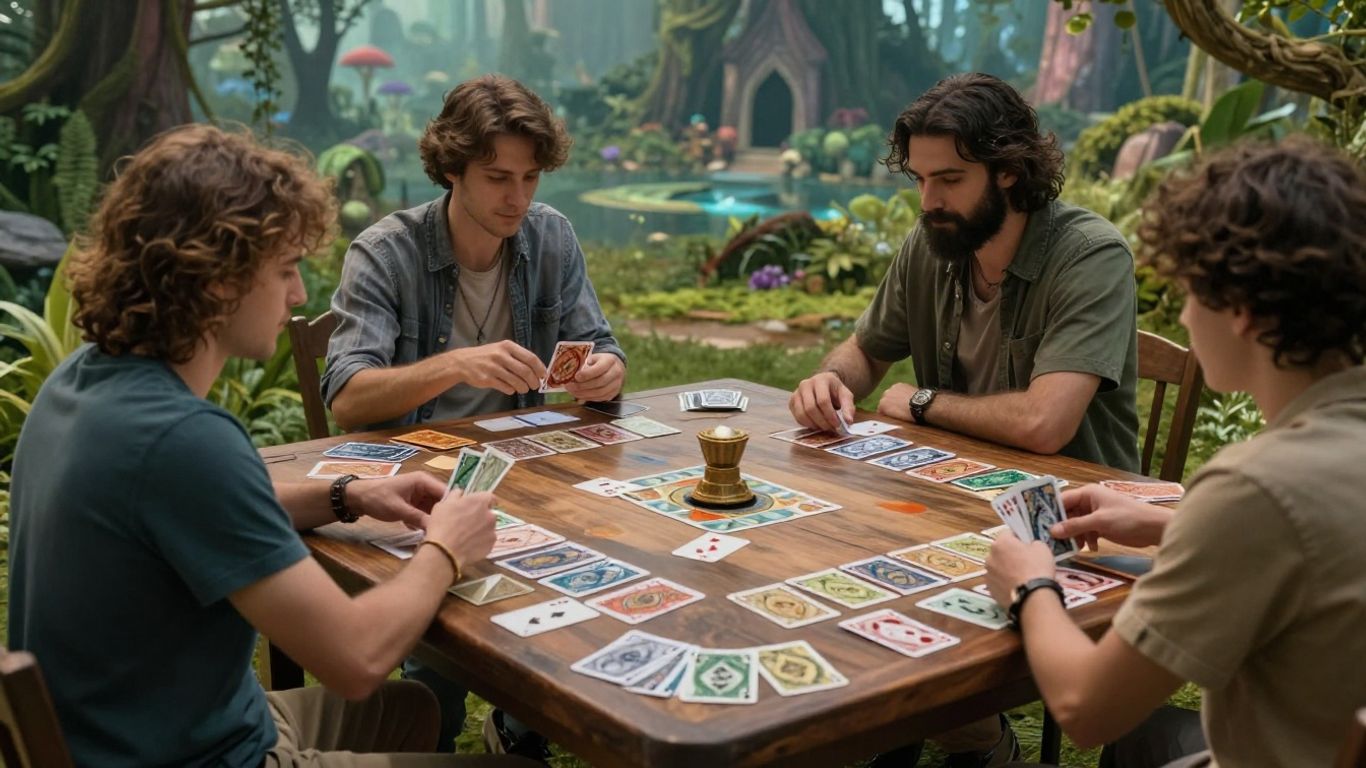
Getting started with Solitaria is all about making it your own. It’s not just about playing a game; it’s about building a story that feels personal. This means putting thought into who your character is and what they’re trying to achieve.
Designing Your Unique Character
Your character is the lens through which you’ll experience Solitaria. You can base them on yourself, a fantasy you’ve always wanted to explore, or someone completely different. Think about their background – where did they come from? What are their hopes and fears? The game offers some starting archetypes to help spark ideas, but the real magic happens when you add your own details. This character creation isn’t just a one-time thing; it’s the foundation for all the choices you’ll make.
Essential Materials for Play
To begin your Solitaria journey, you’ll need a few key items. These are pretty standard and easy to get your hands on, making it simple to set up a game session whenever the mood strikes.
- A standard deck of playing cards: This is the core of the game’s mechanics.
- The Solitaria Rulebook: This guide explains everything you need to know to play.
- A Playkit: This usually includes character sheets, inventory trackers, and other helpful documents.
- A Journal or Notebook: This is where you’ll record your character’s story, thoughts, and progress.
Available Game Formats
Solitaria is primarily available as a digital download, designed for flexibility. You can choose the version that best suits your needs, whether you prefer a high-fidelity experience or something more printer-friendly.
| Format Type | Description |
|---|---|
| High-Resolution PDF | Optimized for screen viewing, featuring full color and background art. Approximately 370 pages. |
| Printer-Friendly PDF | Minimalist design with base artwork, ideal for grayscale or color printing without excessive ink usage. |
| Playkit PDF | Contains essential player aids like sheets, trackers, and logs for game organization. |
The game is designed to be adaptable, allowing you to tailor the experience to your personal preferences and available resources. Whether you’re playing solo or with friends, the focus remains on creative expression and engaging storytelling.
Choosing how you want to play, from character design to the format you use, sets the stage for a truly personal adventure in Solitaria.
Beyond Traditional Solitaire: Related Games
While Solitaria offers a unique take on card-based adventures, its spirit is shared with other games that blend narrative, exploration, and card mechanics. If you’re drawn to the idea of a solo journaling game that uses a deck of cards to drive encounters and create a story, you might find yourself captivated by Witasy Express: A Journey of Cards. This game puts you in the shoes of a traveler on a fantastical train, where each card draw can lead to new characters, events, or challenges. It’s a great example of how simple card mechanics can build an entire world and narrative.
Witasy Express: A Journey of Cards
Witasy Express takes the concept of a card-driven solo game and applies it to a transcontinental train journey. Players manage a budget while exploring different realms, with card draws dictating encounters and opportunities. It’s a cozy experience focused on travel and imaginative scenarios, much like Solitaria’s exploration elements.
Tabletop Role-Playing Influences
Solitaria draws inspiration from the world of tabletop role-playing games (TTRPGs). Games like Dungeons & Dragons, while much more complex, share the core idea of players creating characters and embarking on adventures guided by a storyteller or game system. Solitaria simplifies this by focusing on solo play and journaling, but the influence of character creation, goal setting, and narrative progression is clear. It takes the spirit of TTRPGs and makes it accessible for a single player.
Narrative-Driven Gaming Experiences
Beyond specific card games or TTRPGs, Solitaria fits into the broader category of narrative-driven games. These are experiences where the story and player choices are central to the gameplay. Think of games like visual novels or interactive fiction, but with the added layer of journaling and card mechanics. The focus is on creating a personal story and experiencing a world through the character’s eyes. Solitaria uses its mechanics to serve the narrative, making your journal entries and character goals the heart of the adventure.
The appeal of games like Solitaria lies in their ability to blend structured gameplay with personal creativity. They offer a framework for adventure that players can then fill with their own thoughts, decisions, and stories, making each playthrough a unique reflection of the individual.
Here’s a look at how these related experiences compare:
| Game Type | Core Mechanic | Player Focus |
|---|---|---|
| Solitaria | Cards, Journaling | Character growth, personal narrative, world exploration |
| Witasy Express | Cards, Budgeting | Travel, imaginative encounters, resource management |
| Traditional TTRPGs | Dice, Role-playing | Collaborative storytelling, character development |
| Narrative-Driven Games | Text, Choices | Story progression, player agency, thematic exploration |
These games, while different in their specifics, all share a common thread: using game mechanics to build engaging stories and personal experiences for the player.
Community and Player Creations
Showcasing Player-Generated Content
One of the most exciting aspects of Solitaria is witnessing the diverse and creative ways players bring their own stories to life within the game’s framework. The community actively shares their unique character designs, intricate journal entries, and imaginative interpretations of the game’s world. This shared creativity enriches the entire Solitaria experience, offering inspiration and new perspectives to everyone involved. Players often showcase their custom characters, detailing their backstories, goals, and how they’ve personalized their gameplay. These creations highlight the flexibility of Solitaria’s systems, proving that each player’s journey is truly their own.
Community Playthroughs and Reviews
Watching others play Solitaria provides a fantastic window into different playstyles and narrative paths. Many community members share their adventures through video playthroughs, offering insights into their decision-making, their interactions with NPCs and pets, and the challenges they overcome. These shared experiences often come with detailed reviews, discussing what players enjoy most, any suggestions they might have, and how the game has impacted their personal creative process. It’s a great way to discover new strategies or simply enjoy the unfolding stories of fellow adventurers.
Here’s a look at some common elements found in community content:
- Character Journeys: Detailed accounts of character development and personal growth.
- Creative Journaling: Examples of how players use the in-game journal to build narratives.
- Exploration Highlights: Showcasing favorite locations, mini-games, and discoveries.
- Relationship Dynamics: Exploring bonds formed with NPCs and pets.
Bringing Solitaria to Life
The collective energy of the Solitaria community is what truly makes the game world feel alive. Players don’t just play the game; they contribute to its ongoing narrative and evolution through their shared passion. This collaborative spirit extends to discussions about game mechanics, potential future updates, and even fan-made content that complements the official game. It’s a testament to how a well-designed game can inspire a vibrant and engaged player base.
The act of sharing one’s Solitaria adventure, whether through a written journal entry, a video, or a simple discussion, transforms a personal experience into a communal one. This exchange of ideas and stories is what builds a lasting connection to the game and its world.
Your Next Adventure Awaits
So, we’ve looked at a bunch of different solitaire games, from the classic card game we all know to more involved solo adventures like Solitaria. It’s pretty clear there’s a whole world out there beyond just shuffling a deck by yourself. Whether you’re after a quick mental challenge or a deep, story-driven experience, there’s a game waiting for you. These games offer a great way to unwind, test your thinking, or even get creative with journaling and storytelling. Don’t be afraid to try something new; you might just find your next favorite way to spend some quiet time.
Frequently Asked Questions
What exactly is Solitaria?
Solitaria is a fun solo adventure game. It mixes cool stories, writing in a journal, and interesting gameplay. You play in a magical world with floating islands. It’s like tabletop role-playing games and story-based games, where you create a character and go on a journey. You make choices that shape your story and explore a world with magical creatures and growing friendships.
What do I need to play Solitaria?
To start playing Solitaria, you’ll need a few things. Grab a standard deck of playing cards, the game’s rulebook, a playkit with player sheets, and a journal or notebook to write down your adventures. You can play by yourself or with friends!
How does Solitaria’s gameplay work?
Solitaria uses simple card game rules, along with a journal and dice. The game has an ‘Oracle’ system that gives you unique prompts, situations, and challenges. This keeps things exciting and makes sure every game you play is different from the last.
Can I make my character unique in Solitaria?
Absolutely! Solitaria lets you create a character that’s all your own. You can choose from different character types, like an Artist or a Wayfarer. You also set goals for your character, like short-term promises or big life goals. This adds meaning to your journey and helps you connect with others in the game.
What kind of world can I explore in Solitaria?
You’ll explore a world of floating islands filled with interesting places and creatures. There are different areas to visit, each with its own sights, mysteries, and people. You can also find mini-games, special events that happen at certain times of the year, and places to shop. The world changes with the seasons, making your adventure feel alive.
Are there other games like Solitaria?
If you enjoy the cozy storytelling and exploration in Solitaria, you might also like Witasy Express. It’s another solo journaling game that uses playing cards to tell a story about traveling on a fantasy train. It has unique characters and events, and you have to manage your money to keep traveling.