
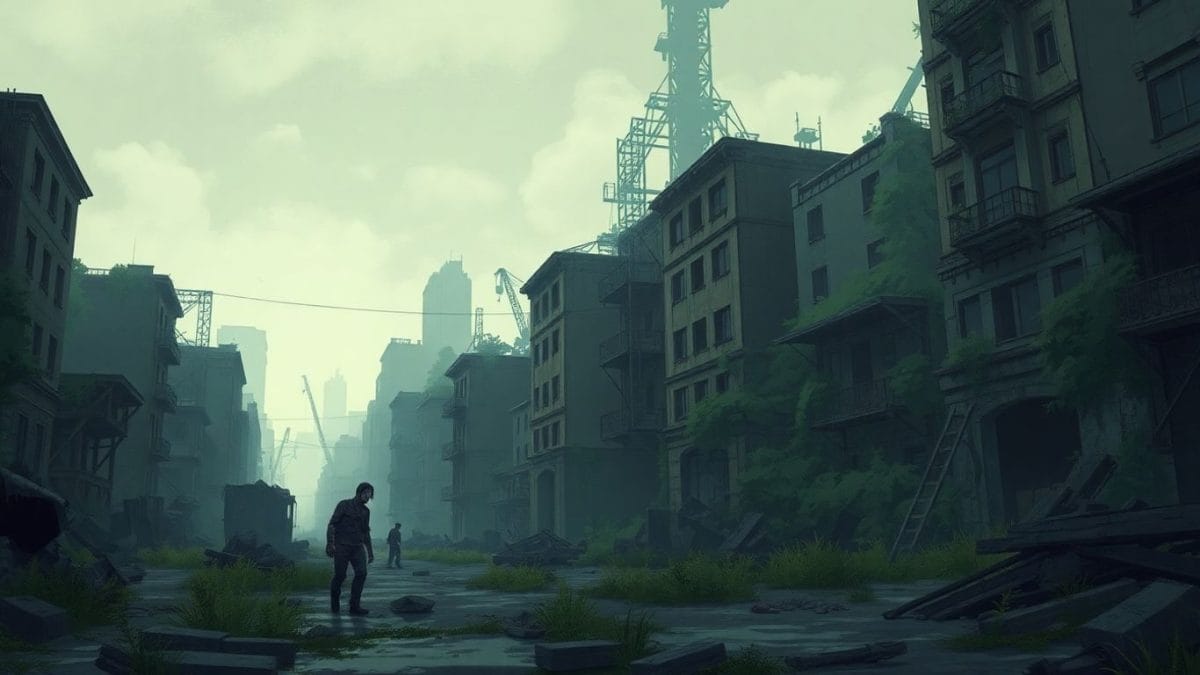
The zombie genre has really taken off, hasn’t it? So many games out there try to capture that feeling of survival against the undead, and some do it way better than others. We’re talking about the best zombie RPG experiences, games that really pull you in with their stories and gameplay. It’s not just about running and gunning; it’s about the struggle, the choices, and sometimes, the emotional toll. Let’s check out some top picks that really nail the zombie RPG vibe.
Key Takeaways
- The Last of Us Part II offers a deeply emotional story that can be tough to handle, making it a standout zombie RPG.
- Days Gone provides exciting motorcycle action and tough choices in a world overrun by the infected.
- Left 4 Dead is a classic for co-op zombie slaying, introducing unique zombie types that changed the game.
- Red Dead Redemption: Undead Nightmare offers a fun zombie twist on a beloved western, with a story that keeps you hooked.
- Dying Light is praised for its unique zombie game mechanics and story, though some bugs can detract from the experience.
1. The Last Of Us Part II
The Last of Us Part II continues the narrative from its predecessor, placing players back into a world overrun by infected. This installment is known for its emotionally charged story and challenging gameplay. You play as Ellie, years after the events of the first game, as she embarks on a quest for revenge. The game doesn’t shy away from difficult themes, exploring the cyclical nature of violence and its impact on individuals.
What sets Part II apart is its commitment to character development and its willingness to push boundaries. The gameplay mechanics have been refined, offering more fluid combat and stealth options. Exploration is key, with detailed environments that tell their own stories.
- Intense Narrative: The story is a central focus, presenting a complex and often brutal tale of survival and retribution.
- Refined Gameplay: Combat is more visceral, with improved AI for both human and infected enemies.
- Environmental Storytelling: The world is meticulously crafted, with details that add depth to the post-apocalyptic setting.
- Moral Ambiguity: The game presents situations where clear right and wrong are blurred, forcing players to confront difficult choices.
The emotional weight of The Last of Us Part II is undeniable. It’s a game that stays with you, prompting reflection on its characters and their actions long after the credits roll. The narrative is designed to provoke a strong reaction, making it a memorable, albeit sometimes harrowing, experience.
2. The Last Of Us
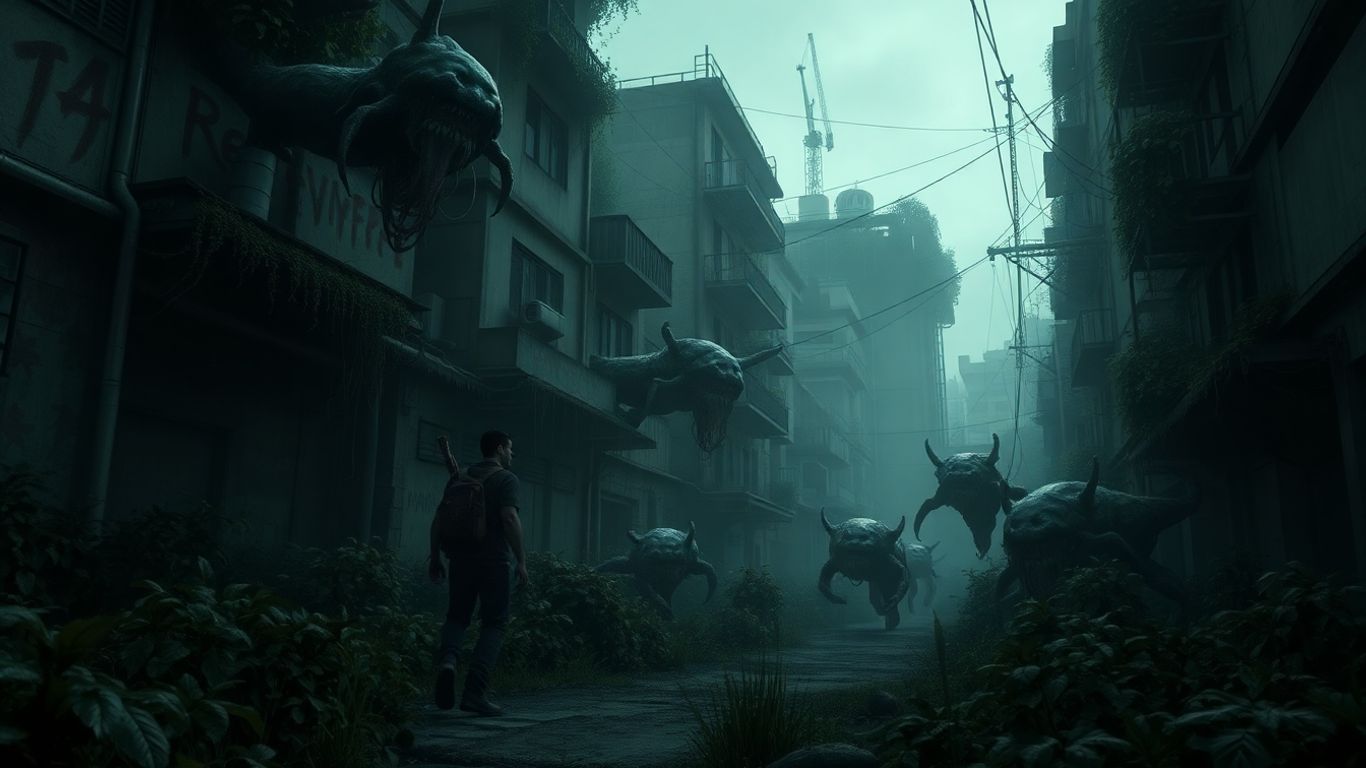
When discussing standout zombie games, The Last of Us simply cannot be overlooked. This title, released in 2013, set a new standard for narrative-driven experiences within the genre. It masterfully blends survival horror with a deeply personal story, focusing on the relationship between Joel, a hardened survivor, and Ellie, a young girl immune to the fungal infection that has ravaged civilization. The game’s world is bleak and dangerous, filled with both the infected and desperate human survivors, making every encounter feel significant.
What truly sets The Last of Us apart is its emotional weight. The journey Joel and Ellie undertake is fraught with peril, but it’s the development of their bond that anchors the experience. The writing is superb, and the performances bring a level of authenticity rarely seen in video games. You become invested in their survival, not just because of the external threats, but because you care about them as characters.
The game doesn’t shy away from difficult themes, exploring loss, morality, and the lengths people will go to protect those they love. It’s a mature and often brutal look at humanity in the face of extinction.
Beyond the story, the gameplay mechanics support the narrative effectively. Resource management is key, forcing players to make tough decisions about when to fight and when to flee. The stealth elements are tense, and combat, when it occurs, is visceral and impactful. The variety of environments, from overgrown cities to desolate rural areas, keeps the exploration engaging.
Key elements that make The Last of Us a must-play include:
- Compelling Character Development: Witnessing Joel and Ellie’s relationship evolve is central to the game’s appeal.
- Atmospheric World Design: The post-apocalyptic setting is rendered with incredible detail, creating a palpable sense of dread and beauty.
- Tense Survival Gameplay: Every bullet counts, and strategic thinking is required to overcome the many threats.
- Emotional Storytelling: The narrative is powerful, leaving a lasting impression long after the credits roll.
3. Days Gone
Days Gone puts you in the worn boots of Deacon St. John, a bounty hunter trying to survive in the Pacific Northwest after a pandemic turned most of humanity into aggressive, zombie-like creatures known as Freakers. What really sets this game apart is its focus on Deacon’s personal journey and the constant threat posed by massive hordes of Freakers. You’ll spend a lot of time on your trusty motorcycle, which isn’t just a way to get around, but a vital tool for survival, escape, and even combat.
The sheer scale of the Freaker hordes is a defining feature, forcing you to think strategically about how you engage them. It’s not just about shooting; it’s about using the environment, your bike, and your limited resources to your advantage. You’ll be luring them into traps, using Molotov cocktails, and generally trying to thin their numbers before they overwhelm you.
The game also features a day/night cycle that significantly impacts gameplay. Freakers are more dangerous and numerous at night, making travel after dark a tense affair. During the day, you can focus more on scavenging, completing missions, and upgrading your gear and bike.
Here’s a look at some key elements:
- Motorcycle Management: Keeping your bike fueled, repaired, and upgraded is essential. It’s your lifeline in this world.
- Horde Encounters: Facing down hundreds of Freakers requires careful planning and execution. Running is often the best option.
- Story and Characters: The narrative explores themes of loss, survival, and the struggle to maintain humanity in a brutal world. Deacon’s relationships and personal history are central to the experience.
- World Exploration: The open world is filled with different types of enemies, survivor camps, and environmental challenges.
Days Gone offers a unique blend of open-world exploration, intense action, and a compelling personal story. The constant threat of the Freaker hordes and the importance of your motorcycle create a gameplay loop that feels both challenging and rewarding.
4. Dying Light
Dying Light really stands out in the zombie RPG landscape with its unique blend of parkour and visceral combat. You’re not just fighting zombies; you’re leaping over them, sliding under obstacles, and using the environment to your advantage. This movement system makes traversing the infected city of Harran feel incredibly dynamic and engaging. The game really shines when night falls, introducing a new level of terror as more dangerous, faster zombies emerge, forcing you to rely on stealth and quick thinking.
While the story follows a familiar path of a protagonist caught in a quarantine zone, it’s the emergent gameplay that truly makes Dying Light memorable. The progression system allows you to upgrade skills in combat, agility, and survival, tailoring your character to your preferred playstyle. Whether you focus on brutal melee attacks or agile evasion, there’s a sense of growth that keeps you invested.
Here’s a look at some of its key features:
- Fluid Parkour System: Scale buildings, leap across rooftops, and escape hordes with an intuitive movement mechanic.
- Day/Night Cycle: Experience a dramatic shift in gameplay as night brings out more aggressive and terrifying infected.
- Crafting and Customization: Modify your weapons and gear to better suit the challenges ahead.
- Co-op Multiplayer: Team up with friends to tackle missions and survive the apocalypse together.
The sheer freedom of movement combined with the constant threat of the infected creates a truly immersive survival experience. It’s a game that rewards exploration and smart decision-making, especially when the sun goes down.
Though it had its share of bugs at launch, many have been addressed, allowing the core gameplay loop of exploration, combat, and survival to truly shine. It offers a compelling package for anyone looking for an action-packed zombie experience with a strong emphasis on player movement.
5. Left 4 Dead
When Left 4 Dead first came out, it really changed how people thought about playing zombie games with friends. It wasn’t just about running and gunning; it was about working together to survive. The game throws you and up to three other players into intense scenarios where you have to get from point A to point B, usually while being chased by massive hordes of infected.
What made Left 4 Dead stand out was its AI Director. This system would change up the game’s pacing and enemy placement on the fly. So, one playthrough might be a constant onslaught, while the next could have quieter moments followed by sudden, overwhelming attacks. This kept things fresh and unpredictable, making each session feel unique.
Beyond the standard infected, the game introduced special infected with unique abilities. You had the Charger, who could pin a survivor and smash them against walls, the Hunter, who could pounce and incapacitate a single player, and the Boomer, who would explode in a bile cloud, attracting more zombies. And then there was the Witch, a crying zombie that, if disturbed, would unleash a terrifying frenzy.
The focus on cooperative play meant that communication and teamwork were key. Players had to watch each other’s backs, share resources, and coordinate their attacks to overcome the relentless zombie threat. It was a pure, unadulterated zombie survival experience that prioritized shared struggle and victory.
While Left 4 Dead didn’t have a deep, branching story like some other games on this list, it offered a clear objective and a sense of purpose. You were survivors, trying to reach a safe zone, and the journey itself was the narrative. The environmental storytelling and the brief character interactions provided just enough context to make the desperate fight for survival feel meaningful.
6. Red Dead Redemption: Undead Nightmare
When Red Dead Redemption wrapped up its main story, many players thought that was it. But then came Undead Nightmare, a DLC that completely flipped the script, turning the Wild West into a zombie-infested wasteland. It’s a fantastic expansion that lets you experience the familiar world with a whole new, terrifying threat.
This isn’t just a simple reskin; Undead Nightmare introduces a compelling new narrative. You’re tasked with finding a cure for the zombie plague that’s sweeping across the territories, and along the way, you’ll encounter familiar faces dealing with the outbreak in their own ways. The game really makes you feel the desperation and the struggle for survival.
What makes Undead Nightmare stand out is how it integrates the zombie theme into the core Red Dead Redemption gameplay. You’re still riding horses, using revolvers, and exploring a vast open world, but now you’re doing it while fending off hordes of the undead. The variety of zombies, from shambling husks to faster, more aggressive types, keeps you on your toes. Plus, the addition of mythical creatures like the Four Horsemen of the Apocalypse adds a unique, almost supernatural layer to the experience.
The shift from the original game’s focus on outlaws and lawmen to a fight for survival against the undead creates a surprisingly effective horror atmosphere, all within the familiar, sun-drenched landscapes of the West.
Here’s a look at some of the new challenges you’ll face:
- Zombie Types: Encounter standard shamblers, faster ghouls, and even zombie animals.
- Mythical Creatures: Track down and defeat legendary beasts like the Unicorn and the aforementioned Four Horsemen.
- New Weapons: Utilize unique tools like the Blunderbuss and the Flaming Bow to deal with the undead.
- Town Quarantines: Help survivors by clearing out infected towns, often leading to intense shootouts.
Undead Nightmare is a masterclass in how to expand a game’s universe. It takes the solid foundation of Red Dead Redemption and injects it with a fresh, terrifying, and incredibly fun zombie survival experience that feels both familiar and entirely new.
7. Neo Scavenger
Neo Scavenger drops you into a frozen, post-apocalyptic wasteland with nothing but the clothes on your back and a desperate need to survive. This isn’t your typical zombie romp; it’s a brutal, unforgiving survival simulation where every decision matters. You’ll spend your time scavenging for scraps – a broken bottle, a tattered piece of cloth, maybe a rusty can – anything that can help you stay alive. The crafting system is surprisingly deep, letting you combine these meager finds into something useful, like a makeshift weapon or a warmer piece of clothing.
Combat is turn-based and, honestly, a bit clunky, but it fits the desperate, gritty feel of the game. You’re not a superhero; you’re just trying to make it through another day. Injuries are permanent, and even a small cut can lead to infection if you’re not careful. Starvation, freezing temperatures, and disease are just as likely to kill you as any mutant or raider you encounter.
What really sets Neo Scavenger apart are its narrative encounters. These play out like a choose-your-own-adventure book, where your choices have real consequences. Mess up a negotiation, and you might find yourself in a fight you can’t win. The game masterfully blends survival mechanics with a compelling, albeit often bleak, story that unfolds as you explore. It’s a challenging experience, often frustrating, but incredibly rewarding when you manage to overcome the odds.
Here’s a look at some key survival elements:
- Hunger: You need to constantly find food to keep your energy levels up.
- Thirst: Water is scarce, and dehydration sets in quickly.
- Temperature: The freezing environment is a constant threat, requiring warm clothing and shelter.
- Health: Injuries can range from minor cuts to broken bones, each with its own set of complications.
- Morale: Staying positive in such a harsh world is a challenge in itself.
Neo Scavenger doesn’t hold your hand. It expects you to learn from your mistakes, and believe me, you’ll make plenty. But that’s part of its charm. Every successful scavenge, every hard-won battle, feels like a genuine accomplishment.
8. Diablo
When you talk about action RPGs with a dark fantasy setting, Diablo is a name that comes up a lot. It really set a standard for a lot of games that followed. The first Diablo game, released back in 1996, was pretty groundbreaking. It mixed hack-and-slash combat with a grim atmosphere and a simple, yet effective, RPG system. You’d explore dungeons, fight hordes of demons, and collect loot. It was pretty intense for its time.
The real magic, however, arguably happened with Diablo II. This sequel took everything the first game did and made it bigger and better. It introduced more character classes, each with their own unique skills and playstyles. Think about the Necromancer raising an army of the dead or the Assassin using martial arts to take down demons. That variety really added a lot to the replay value.
Diablo II also refined the loot system, which is a huge part of the game’s appeal. Finding rare items and figuring out how to use them to build your character is incredibly satisfying. Plus, the procedural generation of levels meant that each playthrough felt a bit different. It’s a game that’s easy to pick up but offers a lot of depth if you want to really get into the mechanics.
The world of Diablo is bleak and oppressive, filled with nightmarish creatures and a constant sense of dread. It’s a place where survival often feels like a temporary reprieve rather than a victory.
Here’s a quick look at what made Diablo II stand out:
- Character Classes: A wider selection, each with distinct skill trees and abilities.
- Loot System: Random drops, runewords, and item sockets encouraged deep customization.
- Atmosphere: A dark, gothic setting paired with an iconic soundtrack.
- Replayability: Procedurally generated maps and varied character builds kept players coming back.
9. System Shock 2
System Shock 2 is a game that really sticks with you. It came out back in 1999, and honestly, it still holds up surprisingly well. You wake up on a spaceship, the Von Braun, and things are immediately not right. It’s a mix of sci-fi, horror, and RPG elements, and it does a fantastic job of making you feel isolated and vulnerable.
What makes System Shock 2 stand out is how it blends its genres. It’s not just about shooting zombies, or mutants, or whatever you want to call the enemies here. You’ve got to manage your resources, upgrade your character, and make tough choices about how you want to play. Do you want to be a hacker, a soldier, or something else entirely? The game lets you build your character in a lot of different ways, which is pretty cool.
Here are some of the things you’ll be doing:
- Exploring a massive, derelict spaceship.
- Fighting off a variety of creepy enemies.
- Improving your character with cybernetic modules.
- Uncovering the story through audio logs and environmental clues.
The atmosphere in System Shock 2 is incredibly thick, thanks to its sound design and level layouts. It’s the kind of game where you’ll find yourself jumping at shadows, even when nothing’s there. The story is also pretty engaging, with a memorable villain that really drives the narrative forward.
The game really makes you think about your actions and how you approach problems. It’s not always about brute force; sometimes a bit of planning or using the environment to your advantage is the way to go. This thoughtful approach to gameplay is what sets it apart.
10. Bloodlines
Vampire: The Masquerade – Bloodlines is a game that really sticks with you, even with its rough edges. When it came out, it wasn’t exactly a smooth ride, and you can tell it had a difficult development. But what makes it special is the atmosphere. From the moment you start it up, the music and visuals just work together perfectly to set a dark, moody tone. It feels like every artist and designer knew exactly what they were going for.
The game does a great job of making you feel like you’re part of its world. The writing is sharp and often funny, with a cynical edge that fits the setting. Conversations often hint at the complex politics and social structures of the World of Darkness, making the world feel alive and important, even if your direct control over big events is limited. It’s a game that trusts you to figure things out.
What truly sets Bloodlines apart is its incredible sense of place. The dark alleys of Los Angeles, the neon glow of Hollywood, the hidden vampire haunts – they all feel distinct and lived-in. The character animations, while not cutting-edge by today’s standards, do a surprisingly good job of showing off each character’s personality. Combined with the voice acting and dialogue, it creates a really immersive experience.
However, Bloodlines isn’t without its issues. The combat can feel a bit clunky, especially as the game progresses and leans more into action. The final act also feels a bit rushed. Despite these gameplay hiccups, the strong writing, memorable characters, and unmatched atmosphere make it a standout title.
The game’s strength lies in its ability to create a believable, albeit supernatural, world through consistent internal logic and a strong aesthetic. It doesn’t try to mimic reality but instead builds its own unique, compelling fiction.
Wrapping Up the Apocalypse
So, we’ve looked at a bunch of games that put you in the middle of a zombie outbreak. It’s clear this genre offers a lot, from intense action and survival challenges to stories that really stick with you. Whether you prefer facing hordes with friends, making tough choices alone, or just exploring a world gone wrong, there’s a zombie RPG out there for you. The way these games mix gameplay with narrative is pretty special, making each experience feel unique. Keep an eye out, because the world of zombie games keeps changing, and there’s always a new way to face the undead.
Frequently Asked Questions
What makes a zombie RPG stand out from others?
A great zombie RPG usually has a really good story that makes you care about what’s happening. It also needs fun gameplay, maybe with friends, and unique zombie types that keep things interesting. It’s not just about fighting zombies, but also about the journey and the characters.
Are games like The Last of Us considered zombie RPGs?
Yes, games like The Last of Us are definitely considered zombie RPGs. They focus on a strong story, emotional moments, and survival in a world overrun by infected creatures. While they might not have traditional RPG stats, the character development and choices you make fit the genre well.
What’s the difference between a zombie game and a zombie RPG?
A regular zombie game might focus mostly on shooting and action. A zombie RPG, however, usually adds more story, character growth, and sometimes choices that affect the game world. Think of it as having a deeper plot and more personal stakes in the fight against the undead.
Why is cooperative play important in some zombie games?
Playing with friends can make zombie games a lot more fun. It adds a layer of teamwork and shared experience. Facing hordes of zombies together, sharing resources, and surviving as a group makes the challenge more exciting and memorable.
What makes a zombie game’s story so important?
A good story gives you a reason to keep playing. It helps you connect with the characters and understand why they are fighting so hard. Without a compelling story, just fighting zombies can get old fast. The story adds meaning to the struggle for survival.
Are there any older zombie RPGs worth playing today?
Absolutely! Games like System Shock 2, despite their older graphics, offer amazing atmosphere, deep gameplay, and great stories that still hold up. They show how the genre has evolved and are often considered classics for a reason.