
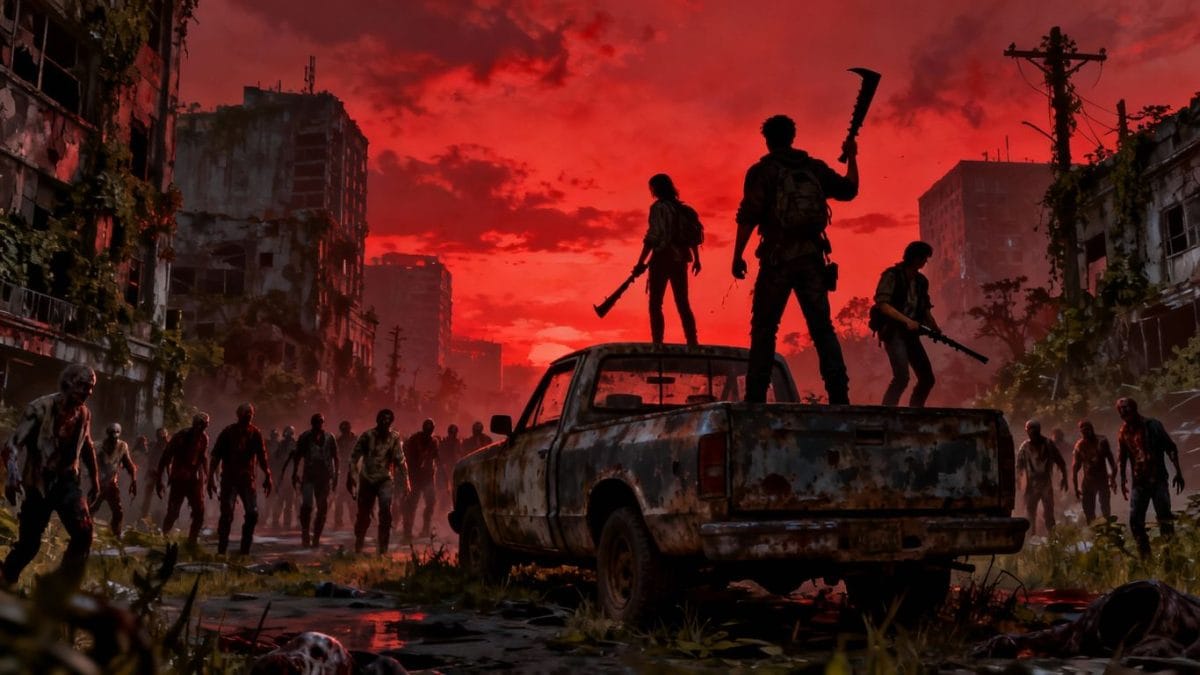
So, you’re looking for the best zombie survival games, huh? It’s a pretty popular genre, and for good reason. There’s something about trying to make it in a world overrun by the undead that just grabs you. Whether you like exploring big, empty worlds, crafting your own gear, or just blasting zombies, there’s a game out there for you. I’ve played a bunch of them, and some really stand out. This guide is all about those standout zombie survival games you absolutely need to check out.
Key Takeaways
- Many zombie survival games let you explore huge, open worlds. This means you have a lot of freedom to go wherever you want, but it also means more danger.
- Surviving is tough. You’ll spend a lot of time looking for supplies, making your own tools and weapons, and building a safe place to rest.
- Fighting the zombies is a big part of these games. You’ll face huge groups and sometimes different kinds of zombies, so you need to be smart about how you fight.
- Some zombie games focus a lot on the story and characters. These games can make you feel a lot, and the choices you make really matter.
- Playing with friends can make surviving easier and more fun. Working together to build a base or fight off zombies is a big draw for many players.
Exploring Vast Open Worlds In Zombie Survival Games
The Allure of Open-World Zombie Survival
The appeal of zombie survival games often lies in their expansive, open worlds. These aren’t just maps; they’re entire post-apocalyptic landscapes begging to be explored, each with its own secrets, dangers, and opportunities. Dropped into a world where civilization has crumbled, players are given a rare kind of freedom: the freedom to survive on their own terms. This freedom, however, comes with a constant undercurrent of dread. Every abandoned building could hold vital supplies, or it could be a nest for the undead. The sheer scale of these environments means that the threat is never truly far away, and the player’s journey is one of constant adaptation and discovery.
Key Elements of Open-World Zombie Experiences
What makes these open worlds so compelling? It’s a mix of factors that work together to create a believable, if terrifying, setting. Resource scarcity is a big one; you’re always on the lookout for food, water, medicine, and materials to keep yourself alive and your gear functional. Then there’s the dynamic environment itself. Think about day-night cycles that change enemy behavior, or weather systems that can make scavenging runs more perilous. Player progression is also key – how do you get stronger? Some games focus on skill trees, while others, like Project Zomboid, tie your growth to the actions you perform, making your character’s development feel earned.
Here are some common elements you’ll find:
- Scavenging: The core loop of finding useful items in abandoned locations.
- Environmental Interaction: Day/night cycles, weather, and destructible elements that affect gameplay.
- Player Agency: The ability to approach situations in multiple ways, from stealth to direct confrontation.
- Emergent Storytelling: Unscripted events and player choices that create unique narratives.
Freedom and Danger in a Post-Apocalyptic Sandbox
These games truly shine when they offer a true sandbox experience. You’re not just following a set path; you’re making your own way through the ruins. This means you can choose to fortify a small cabin in the woods, build a sprawling base in a city, or live a nomadic life, always on the move. The danger, of course, is ever-present. It’s not just the shambling dead; it’s also the elements, starvation, illness, and sometimes, other desperate survivors. The thrill comes from balancing the immense freedom to explore and build with the constant, pressing need to stay alive. It’s a delicate dance between making the most of the world and respecting its lethal nature.
The open world in these games is more than just a backdrop; it’s an active participant in your survival. It presents challenges, rewards exploration, and constantly reminds you of the precariousness of your existence. Every journey outside your safe zone is a calculated risk, and every successful return is a small victory against overwhelming odds. This dynamic interplay between player freedom and environmental threat is what defines the genre.
Mastering Survival Mechanics In Zombie Games
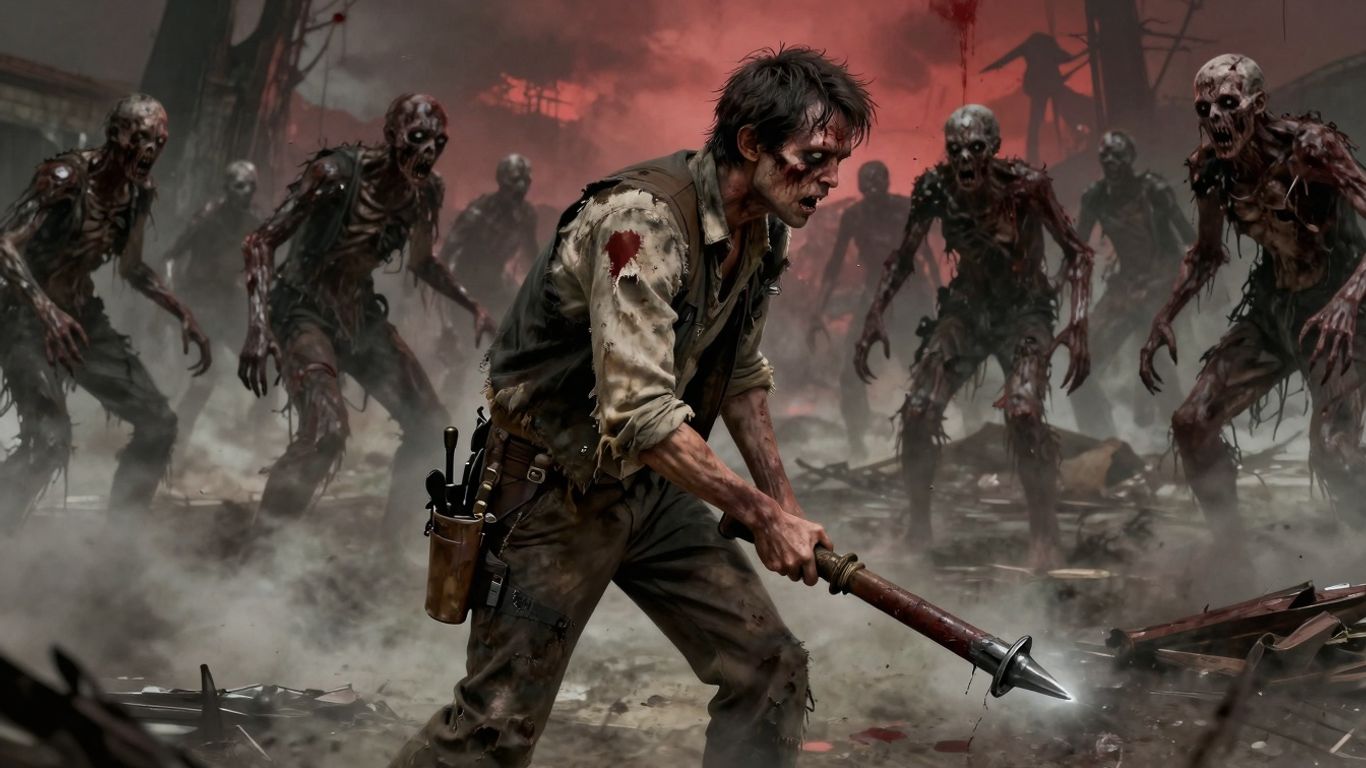
Surviving the zombie apocalypse isn’t just about shooting the undead; it’s about outsmarting them and the environment. The best zombie survival games push you to think beyond combat, forcing you to manage dwindling resources, maintain your character’s well-being, and build a semblance of safety in a world gone mad. This means becoming a master scavenger, a resourceful crafter, and a vigilant guardian of your own needs.
Scavenging for Essential Resources
Every can of beans, every scrap of cloth, every rusty pipe – they all matter. Scavenging is the lifeblood of survival. You’ll spend a good chunk of your time sifting through abandoned buildings, overturned cars, and forgotten caches, always on the lookout for items that can keep you alive. This isn’t just about finding food and water; it’s about locating tools, crafting components, medical supplies, and anything else that might give you an edge.
- Prioritize needs: Always think about what you need most right now – is it food, water, medicine, or materials for your next shelter upgrade?
- Explore thoroughly: Don’t just grab the obvious items. Look in cupboards, under beds, and in hidden corners. You never know what you might find.
- Be aware of risks: Scavenging often means entering dangerous territory. Listen for zombie sounds, check your surroundings, and have an escape route planned.
The thrill of finding a rare item after a long search can be incredibly rewarding, but the constant pressure of scarcity means you can never truly relax. Every successful scavenging run is a small victory against the overwhelming odds.
The Art of Crafting and Base Building
Once you’ve gathered your supplies, the next step is putting them to use. Crafting allows you to turn raw materials into useful items, from makeshift weapons and bandages to more complex tools and fortifications. Base building takes this a step further, letting you establish a safe haven where you can store your loot, rest, and plan your next move. A well-defended base can be the difference between surviving another day and becoming zombie chow.
- Start small: Focus on immediate needs like basic shelter and tools before attempting grand fortifications.
- Upgrade strategically: Prioritize upgrades that offer the most protection or utility for your current situation.
- Maintain your creations: Structures and crafted items can degrade over time or be damaged by threats, so regular upkeep is key.
Managing Character Needs and Well-being
In many zombie survival games, your character is more than just a health bar. You’ll need to manage hunger, thirst, fatigue, and even mental state. Ignoring these needs can lead to debuffs, making you weaker, slower, and more vulnerable. Staying hydrated, fed, and rested is just as important as avoiding a zombie bite. Some games even introduce more complex systems like illness, injury, and psychological stress, adding another layer of challenge to your survival efforts.
| Need | Impact of Deprivation |
|---|---|
| Hunger | Reduced stamina, slower healing, eventual health loss |
| Thirst | Blurred vision, reduced stamina, rapid health loss |
| Fatigue | Slower movement, impaired aiming, reduced combat effectiveness |
| Morale/Stress | Increased susceptibility to negative events, erratic behavior |
Ultimately, mastering these survival mechanics is what separates a fleeting survivor from a true apocalypse veteran. It’s a constant balancing act, demanding careful planning, quick thinking, and a healthy dose of caution.
Engaging Combat and Threat Dynamics
Surviving a zombie apocalypse isn’t just about finding food and shelter; it’s about facing the relentless tide of the undead and whatever else the ruined world throws at you. The combat in these games can range from desperate, close-quarters brawls to strategic firefights against overwhelming numbers. Understanding the threats and how to deal with them is key to staying alive.
Facing Overwhelming Zombie Hordes
One of the most iconic and terrifying aspects of zombie games is the sheer number of enemies you can face. These aren’t just individual monsters; they’re often presented as a relentless, unstoppable force. Games like Days Gone are famous for their massive "Freaker" hordes, where hundreds of infected can swarm you at once. Dealing with these requires more than just aiming and shooting. You’ll need to think about crowd control, using the environment to your advantage, and sometimes, just running like heck.
- Environmental Traps: Utilize explosive barrels, collapsing structures, or natural choke points to thin out large groups.
- Diversion Tactics: Use noise makers or flares to draw hordes away from your objective or path.
- Mobility is Key: Parkour or vehicles can help you escape overwhelming numbers or gain a tactical advantage.
The true terror of a horde isn’t just the number of bodies, but the sound and the sheer momentum they possess. It’s a wave of death that can sweep you away if you’re not prepared.
Strategic Melee and Ranged Encounters
Combat in zombie games often forces players to balance the risks and rewards of different fighting styles. Melee combat can be brutal and satisfying, offering a visceral connection to the fight, but it often puts you dangerously close to the infected. Ranged combat provides distance but is limited by ammunition, which is usually scarce.
- Melee: Focuses on timing, dodges, and managing stamina. Weapons can range from simple pipes to modified tools, each with its own feel and effectiveness.
- Ranged: Requires careful aim and ammo conservation. Headshots are often critical for taking down zombies quickly.
- Hybrid Approaches: Many games encourage switching between melee and ranged weapons, using firearms to soften up a group before closing in, or using melee to conserve ammo when overwhelmed.
The best combat systems make you feel the weight of every swing and the desperation of every shot.
Understanding Zombie Types and Behaviors
Not all zombies are created equal. Developers often introduce variations to keep players on their toes and add strategic depth to encounters. These variations can affect speed, strength, senses, and even special abilities.
| Zombie Type | Description |
|---|---|
| Shambler | Slow, common, weak individually but dangerous in numbers. |
| Runner | Fast and aggressive, often found in packs. |
| Special Infected | Possess unique abilities like spitting acid, exploding, or enhanced senses. |
Recognizing these different types and understanding their behaviors is crucial. A fast runner might require quick reflexes and precise aim, while a special infected might need a specific strategy or weapon to overcome. Paying attention to visual and auditory cues will help you anticipate threats and react accordingly, turning a potential death trap into a manageable encounter.
Narrative Depth and Emotional Resonance
While the thrill of survival and the chaos of combat are big draws for zombie games, many titles go further, weaving compelling stories that stick with you long after the credits roll. These games aren’t just about fending off the undead; they’re about the human stories that unfold against the backdrop of a world gone wrong.
Story-Driven Zombie Survival Adventures
Some zombie games place a heavy emphasis on their plot, creating intricate narratives that pull you in. These aren’t just simple kill-or-be-killed scenarios. Instead, you’ll often find yourself piecing together what happened, uncovering conspiracies, or following the personal journeys of survivors. Think about games where the story is as important as the gameplay mechanics, making you care about the characters and their fates.
- The Walking Dead (Telltale Series): This game is a prime example of a story-first approach. It focuses on the relationships between characters, particularly the bond between Lee and Clementine, and forces players into difficult moral choices that have real consequences. The narrative is presented in an interactive comic style, making every dialogue choice feel significant.
- Resident Evil Series: While known for its horror and action, Resident Evil games often feature complex plots involving corporate greed, bioweapons, and scientific experiments gone awry. Unraveling these mysteries is a key part of the experience.
- The Last of Us: This title is celebrated for its mature storytelling, exploring themes of loss, love, and the moral compromises people make to survive. The journey of Joel and Ellie is central, making their relationship the emotional core of the game.
Character Development Amidst the Apocalypse
What truly makes a zombie narrative memorable is its characters. In a world where survival is paramount, seeing characters grow, change, and react to extreme circumstances can be incredibly powerful. These games often explore the best and worst of humanity when pushed to the limit.
- Facing Loss: Characters might lose loved ones, forcing them to confront grief and find the will to continue. This can lead to profound moments of reflection and determination.
- Shifting Morality: The harsh realities of the apocalypse can change people. Characters might start with good intentions but be forced into morally gray areas to protect themselves or others.
- Forming Bonds: In the absence of normal society, survivors often form new families and communities. The development of these relationships, whether friendships or rivalries, adds significant emotional weight.
The struggle for survival often strips away societal niceties, revealing the raw core of human nature. In these moments, the bonds formed between characters, or the betrayals that occur, become the most impactful elements of the story, far more than any zombie encounter.
Moral Choices and Their Consequences
Many of the best narrative-driven zombie games don’t just tell a story; they involve you directly in it through your decisions. These choices aren’t always about choosing between good and evil, but often about selecting the lesser of two evils, or deciding who lives and who dies.
- Resource Allocation: Do you share your limited food with a stranger, or keep it for yourself and your group?
- Sacrifice: Is it worth risking one person’s life to save many?
- Trust: Whom do you trust when everyone is desperate and potentially dangerous?
These decisions can have far-reaching effects, altering relationships, opening or closing off story paths, and ultimately shaping the ending you experience. The weight of these choices is what makes the narrative truly engaging and personal.
Cooperative Play and Community Survival
The Strength of Teamwork in Zombie Games
When the dead start walking, going it alone can feel like a death sentence. Many zombie survival games recognize this, shifting the focus from lone wolf antics to the power of a united front. Teamwork isn’t just helpful; it’s often the key to making it through the night. Coordinating with friends means you can cover more ground when scavenging, watch each other’s backs during tense encounters, and share the burden of resource management. Think about it: one person might be good at spotting threats from a distance, while another excels at close-quarters combat. Together, you’re far more effective than any single survivor could be.
Building and Defending Shared Havens
Beyond just surviving immediate threats, many cooperative zombie games let you build and manage a shared base. This isn’t just about finding a safe spot; it’s about creating a home. You’ll gather materials, construct defenses like walls and traps, and assign roles to your group members. Maybe Sarah is the best at farming for food, while Mark is a whiz at repairing fortifications. This shared project creates a sense of purpose and investment. The satisfaction of seeing your fortified camp withstand a zombie assault, knowing everyone contributed, is a powerful motivator.
Here’s a look at what goes into building a community base:
- Resource Gathering: Collecting wood, metal, food, and medicine is a constant task. Different team members can specialize in different types of scavenging.
- Construction & Upgrades: Building walls, crafting workstations, setting up defenses, and improving existing structures.
- Defense Planning: Deciding where to place traps, how to funnel enemies, and who will handle which defensive position during an attack.
- Morale Management: Keeping your survivors fed, healthy, and relatively happy can prevent internal conflicts and improve overall effectiveness.
Shared Experiences and Multiplayer Dynamics
What truly sets cooperative zombie games apart is the shared experience. The adrenaline rush of a close call, the relief of a successful supply run, or even the dark humor of a friend’s spectacular failure – these moments forge bonds. Games like State of Decay 2 or 7 Days to Die really shine here, offering persistent worlds where your group’s actions have lasting impact. You’re not just playing a game; you’re building a small society in the ruins of the old world, and every success and failure is a story you’ll tell together.
The best cooperative zombie games transform the solitary struggle for survival into a shared endeavor. They emphasize communication, coordination, and mutual reliance, making the act of overcoming overwhelming odds a collective achievement. This shared struggle often leads to more memorable and engaging gameplay than playing solo.
Some games focus on intense, mission-based co-op, while others offer sprawling sandboxes for long-term community building. The choice depends on what kind of shared apocalypse you and your friends want to face.
Unique Gameplay Styles in Zombie Survival
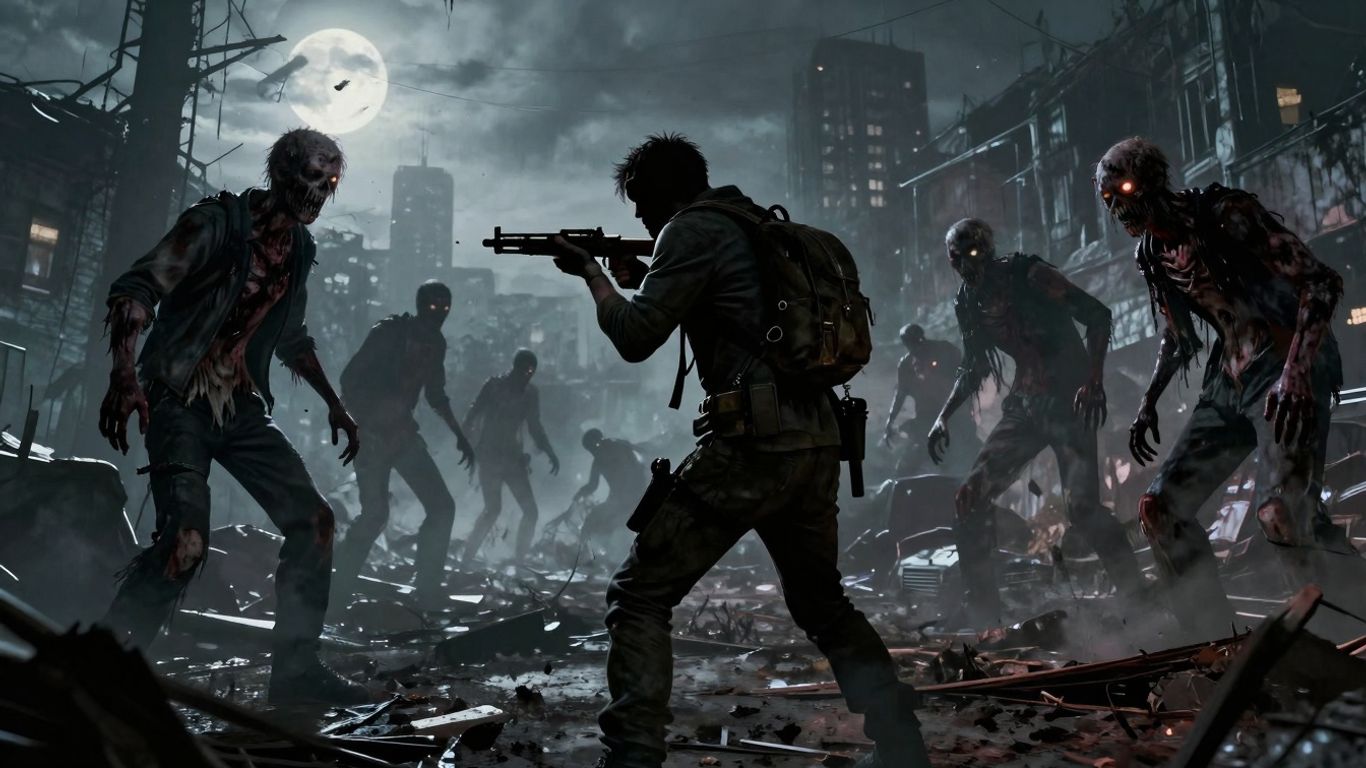
While many zombie survival games share common ground, a fascinating divergence exists in their core gameplay loops and the specific challenges they present. These variations cater to different player preferences, moving beyond simple scavenging and combat to offer distinct experiences. Some games focus on the sheer physicality of survival, while others lean into intricate simulations or creative freedom.
Parkour and Fluid Movement Challenges
For players who crave dynamic movement and a sense of agility, games like the Dying Light series excel. Here, the urban landscape becomes a vertical playground. You’re not just running from zombies; you’re leaping across rooftops, sliding under obstacles, and using the environment to your advantage. This style of gameplay turns traversal into an active challenge, often integrating combat seamlessly with acrobatic maneuvers. Mastering parkour is as vital as aiming your weapon. It transforms the typical zombie encounter into a thrilling chase or an escape that requires quick thinking and precise execution.
- Traversal Techniques: Wall-running, vaulting, ledge grabbing, and zip-lining.
- Combat Integration: Using momentum for melee attacks, dropping onto enemies from above.
- Environmental Interaction: Bouncing off objects, using trampolines or fans to gain height.
The thrill of outmaneuvering a horde by scaling a building or making a daring jump across a wide gap is a core part of the appeal. It’s about feeling like a capable survivor, not just a target.
Deep Simulation and Realistic Survival
On the other end of the spectrum are games that aim for a high degree of realism and simulation. Titles such as Project Zomboid place a heavy emphasis on meticulous management of character needs and the environment. This isn’t just about finding food and water; it’s about managing mood, sickness, fatigue, and even the psychological toll of the apocalypse. Every action has a consequence, and survival often hinges on careful planning and a deep understanding of the game’s complex systems.
- Character Needs: Hunger, thirst, sleep, illness, injury, mental state.
- Environmental Factors: Weather effects, temperature, disease spread, resource decay.
- Skill Progression: Skills improve through use, requiring dedication and practice.
| Skill Category | Example Skills | Progression Method |
|---|---|---|
| Combat | Aiming, Melee | Using weapons |
| Survival | Cooking, Farming | Performing actions |
| Crafting | Carpentry, Mechanics | Building, repairing |
Creative Combat and Sandbox Freedom
Some zombie games offer a more open-ended sandbox experience where creativity in combat and problem-solving is key. Games like the Dead Rising series are known for their over-the-top approach, allowing players to craft absurd weapons from everyday objects and combine them for devastating effects. This style encourages experimentation and embraces a more lighthearted, albeit still dangerous, take on the zombie apocalypse. The focus is less on strict survival mechanics and more on the fun and emergent possibilities that arise from a world filled with both danger and bizarre tools.
- Improvised Weapons: Combining items like a traffic cone and a drill, or a sledgehammer and nails.
- Environmental Hazards: Using vending machines, electrical traps, or flammable materials.
- Player Agency: Freedom to approach objectives and combat scenarios in numerous ways.
Surviving the Undead
So, there you have it. We’ve looked at a bunch of games that put you right in the middle of a zombie outbreak. Whether you’re looking for a deep story, a tough survival challenge, or just a good time with friends, there’s definitely something on this list for you. These games really capture that feeling of trying to make it through a world gone wrong, forcing you to think fast and make tough choices. Grab your gear, pick your favorite undead world, and see how long you can last. Good luck out there – you’ll probably need it.
Frequently Asked Questions
What makes a zombie survival game ‘open-world’?
Open-world zombie games let you explore a huge, dangerous area freely. Instead of following a set path, you can go almost anywhere, find your own way to survive, and make your own adventures in a world filled with the undead.
What are the most important things to do to survive in these games?
You’ll need to be good at finding useful stuff like food, water, and tools. Also, learning how to build your own safe place and make weapons is super important. Keeping your character healthy and happy is key too!
How do zombie games handle fighting zombies?
These games often throw tons of zombies at you, so you have to be smart. You’ll use everything from basic melee weapons to guns. Knowing the different types of zombies and how they act helps you fight them better.
Are there zombie games with good stories?
Yes! Some zombie games focus a lot on telling an emotional story with interesting characters. You’ll often have to make tough choices that affect how the story unfolds and who lives or dies.
Can I play zombie survival games with friends?
Absolutely! Many of these games are designed for playing with others. Working together to gather supplies, build bases, and fight off zombie hordes makes survival much more fun and manageable.
What if I want a zombie game that feels really real?
Some games focus on being super realistic. They make you deal with things like hunger, thirst, and even feeling sad or scared. These games often have complex systems that make surviving a real challenge.