
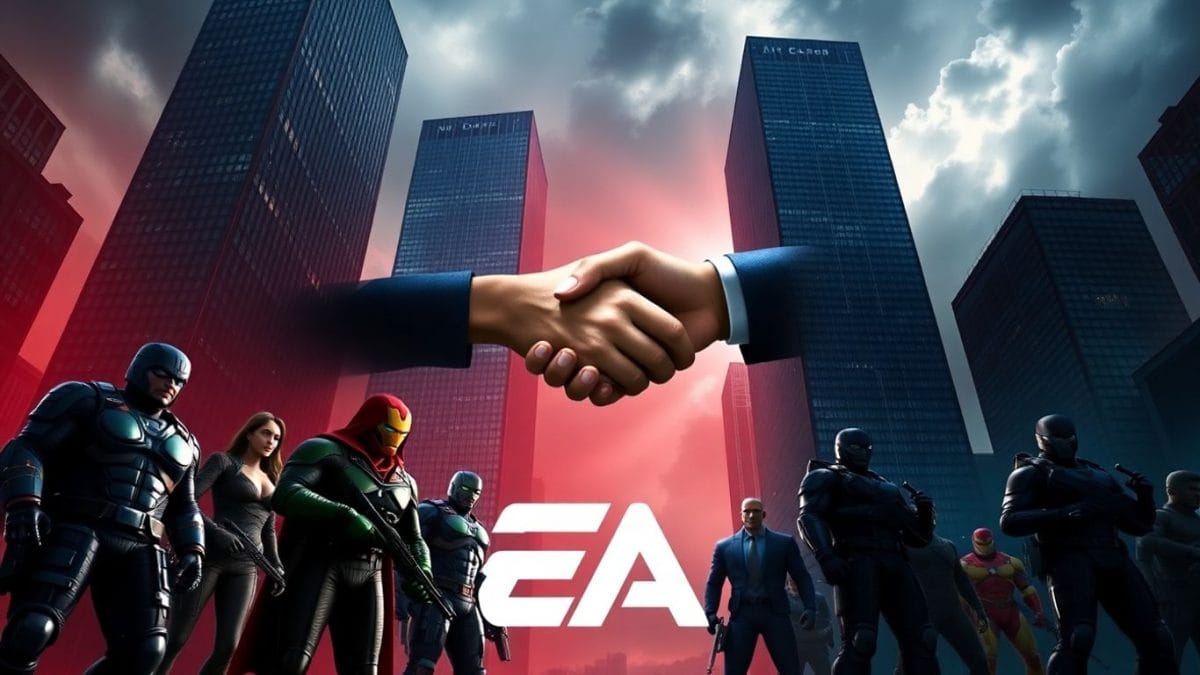
Electronic Arts (EA), the powerhouse behind blockbuster games like Madden, Battlefield, and The Sims, has agreed to a record-setting $55 billion buyout led by Saudi Arabia’s sovereign wealth fund, Silver Lake Partners, and Jared Kushner’s Affinity Partners. This historic deal not only sends shockwaves across the gaming industry but also raises big questions about the creative and commercial fate of beloved franchises.
Key Takeaways
- EA bought out for $55 billion by Saudi Arabia’s PIF, Silver Lake, and Affinity Partners
- Industry sees surge in cross-media IP adaptations (games, TV, film)
- Serious concerns about layoffs, creative direction, and content freedom
- Private ownership could tilt EA toward microtransactions and mobile-first priorities
Mega-Buyout Redefines Gaming Industry Landscape
This acquisition marks the largest leveraged buyout in gaming history, surpassing all previous deals in both value and potential reach. EA’s vast portfolio—which includes sports simulations, shooters, and iconic RPGs—places some of the most played franchises in the hands of new international owners.
The buyers are betting on the enduring popularity of gaming IP, recognizing opportunities in cross-platform adaptations and tie-ins. With IP value rising, recent years have seen games transition successfully to television and film, as evidenced by blockbusters like Sony’s “The Last of Us” series and Amazon’s “Fallout.”
Franchises in Flux: Expansion or Contraction?
How will this deal impact some of the world’s most beloved game series? Private equity typically prioritizes profitability over experimentation, leading to speculation about layoffs, studio closures, and even the dissolution of iconic teams if individual titles underperform. There are real fears that studios behind games like Mass Effect or Dragon Age could disappear if new releases fail to deliver quick financial returns.
Adding to uncertainty, EA has already faced scrutiny in recent years over aggressive use of microtransactions and live services—a trend that may intensify under new management with a heightened focus on monetization, particularly in mobile gaming.
Investment, Innovation, and Intrigue
While the deal aims to supercharge EA’s IP reach, it also spotlights the influx of Middle Eastern and technology-sector capital into global entertainment. The buying groups (especially PIF) have signaled strong interest in the digital media space, acquiring stakes in other major companies like Take-Two and Nintendo.
Yet, the alignment of new owners’ priorities with player values and community standards is still in question. Concerns range from AI replacing human creatives to potential restrictions on content reflecting diversity or political themes.
What’s Next for Gamers and the Industry?
Although EA’s new leadership has pledged operational continuity, history shows that large private buyouts often bring far-reaching changes. Swift cost-cutting, shifts in development strategy, and altered creative roadmaps are all in play. Gamers, developers, and industry watchers will be keeping a close eye on franchise outcomes, innovation, and the broader influence of large financial interests on entertainment’s creative core.
The coming years promise both opportunity and uncertainty as gaming enters a new era of global investment and heightened commercial stakes.
Sources
- Videogame publisher EA’s $55 billion buyout turns spotlight on gaming IP diversification, Reuters.
- Videogame publisher EA’s $55 billion buyout turns spotlight on gaming IP diversification (Oct. 2), Yahoo Finance.
- Electronic Arts’ $50 Billion Buyout Has Serious Implications For The Gaming Industry, Screen Rant.
- EA, Xbox and the state of gaming in 2025, Engadget.