
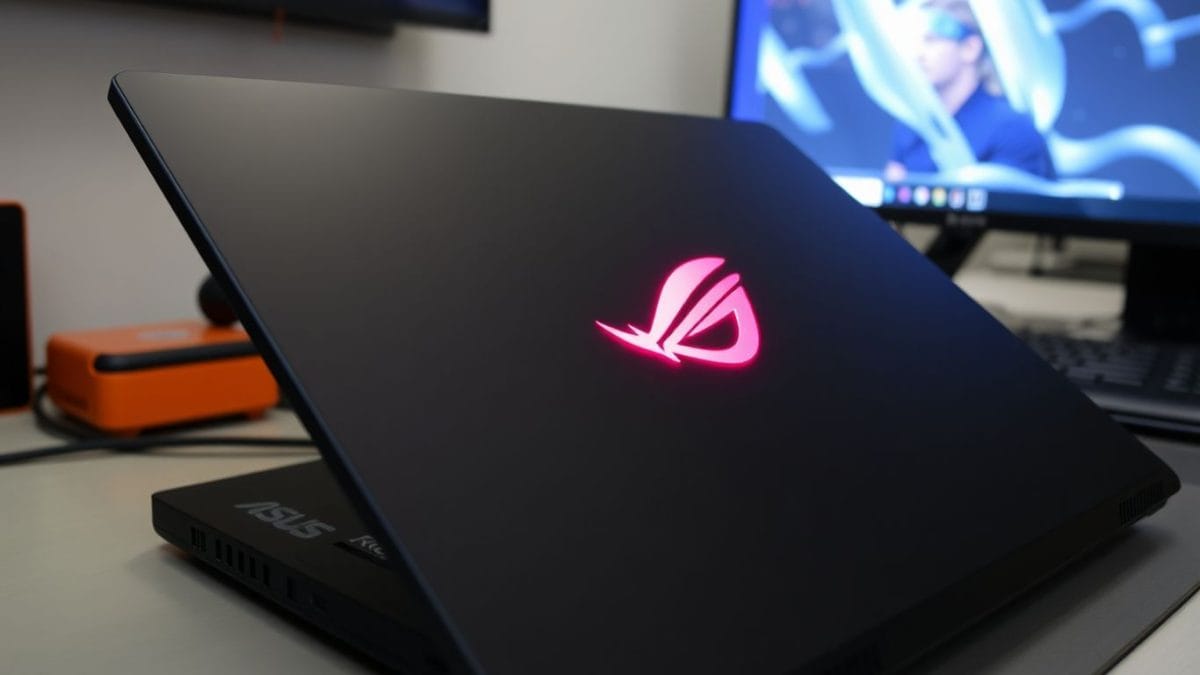
Asus is actively addressing persistent stuttering and performance interruptions affecting its Republic of Gamers (ROG) laptops. The company has confirmed the root cause of the bug and has begun releasing beta BIOS updates for select models, with a finalized firmware update expected in early October. This move comes after weeks of user complaints detailing system-wide stutters, audio crackling, and input lag.
Key Takeaways
- Asus has identified and is addressing stuttering issues in ROG gaming laptops.
- Beta BIOS updates are now available for specific models, with a wider release planned for October.
- The issue is attributed to BIOS-level ACPI interrupt storms and improper dGPU power cycling.
The Stuttering Saga
Reports of consistent system-wide stutters, occurring every 30 to 60 seconds under light load, began surfacing in early September. Affected users described issues ranging from audio crackling to significant input lag, impacting the user experience on expensive gaming hardware. The problem appeared to affect a range of ROG laptop generations, from 2021 to 2024 models, including high-end configurations.
Technical Investigation and Root Cause
An independent investigation, detailed on GitHub, pointed to BIOS-level ACPI interrupt storms and inefficient power cycling of the discrete GPU (dGPU) as the likely culprits. Performance traces and latency logs indicated elevated DPC latency associated with ACPI.sys, leading to a single CPU core being overloaded. While Asus has not released extensive technical details, they have confirmed that engineers have isolated the issue and implemented a fix in the beta BIOS builds.
Beta Patch and Future Fixes
Asus has started distributing beta BIOS updates for specific models, including the 2023 Strix Scar 15 (G533ZW) and the 2023 Zephyrus M16 (GU604VI). These updates are expected to appear on official support pages. The company assures users that installing the beta version will not void their warranty. A broader rollout of finalized firmware updates for other affected models is anticipated to begin in early October. Users are advised to back up their settings and review change logs before installing beta firmware, as it may not be as stable as the final release.