The landscape of portable gaming is undergoing a significant transformation with the rise of dual-screen handheld devices. These innovative gadgets are breathing new life into retro gaming and offering a compelling alternative to traditional consoles, tapping into a strong demand for nostalgic gaming experiences.
Key Takeaways
- Dual-screen Android gaming handhelds are gaining significant traction, fulfilling a long-standing desire for Nintendo DS and 3DS-style gaming.
- Companies like AYANEO and AYN are leading the charge with devices like the Pocket DS and Thor, offering competitive features and pricing.
- Software support for dual-screen functionality on Android is improving, with emulator developers actively adding external display capabilities.
- The demand for these devices is high, evidenced by successful crowdfunding campaigns and rapid sales.
The Return of the Clamshell
The resurgence of dual-screen handhelds is a direct response to the enduring popularity of classic consoles like the Nintendo DS and 3DS. For many gamers, these devices represent a cherished era of portable gaming. However, acquiring original hardware can be prohibitively expensive due to skyrocketing retro game prices. This has created a fertile ground for new devices that replicate the dual-screen experience with modern technology.
Innovation in Handheld Design
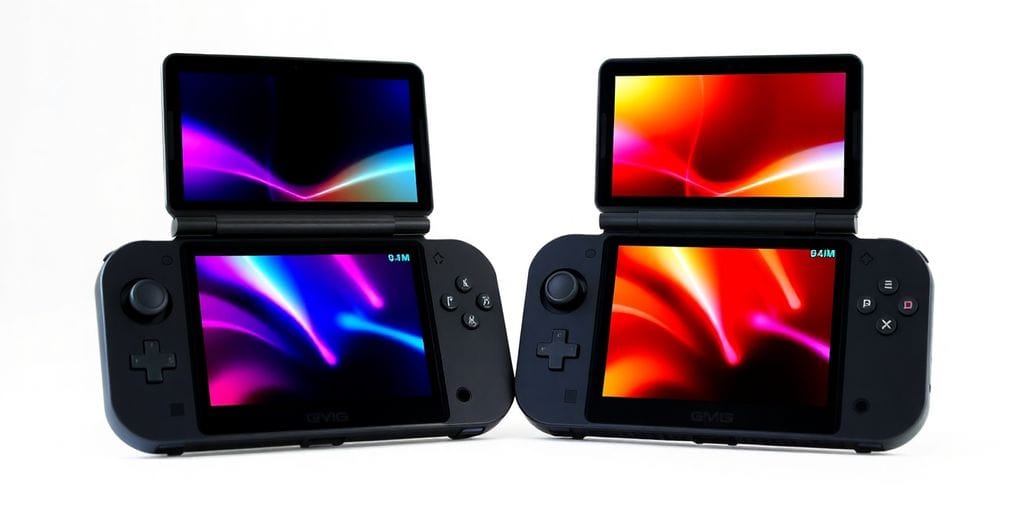
AYANEO’s Pocket DS is making waves as potentially the world’s first dual-screen Android gaming device. It features a high-refresh-rate OLED display for modern titles and a 4:3 panel ideal for retro classics, making it perfectly suited for emulating DS and 3DS games. The device also boasts support for the ROCKNIX Linux distribution, further expanding its gaming capabilities.
AYANEO’s competitor, AYN, has entered the fray with the Thor, a device that closely mirrors the form factor of the New Nintendo 3DS XL. These devices are not only appealing for their design but also for their competitive pricing, with some models starting at prices comparable to used original hardware.
Overcoming Software Hurdles
One of the primary challenges for dual-screen Android handhelds has been software optimization. Android itself is not inherently designed for multiple screens, and many emulators have historically lacked support for external displays. However, this is changing. Developers are actively working to enable dual-screen functionality, with recent updates to emulators like MelonDS and Azahar for 3DS showing promising results. AYANEO is also actively collaborating with developers, providing them with test units to improve compatibility and performance.
Market Demand and Future Outlook
The market’s response to these dual-screen devices has been overwhelmingly positive. Crowdfunding campaigns for devices like the AYANEO Pocket DS have exceeded their goals, demonstrating a significant pent-up demand. This enthusiasm suggests that dual-screen handhelds are not just a niche product but a burgeoning category within the gaming hardware market. The competition between companies like AYANEO and AYN is expected to drive further innovation and potentially lower prices, making these exciting devices more accessible to a wider audience.
Sources
- AYANEO Pocket DS sounds even better, with Linux gaming support, Android Authority.
- The dual-screen gaming handheld wars have begun, and I love it, Android Authority.