
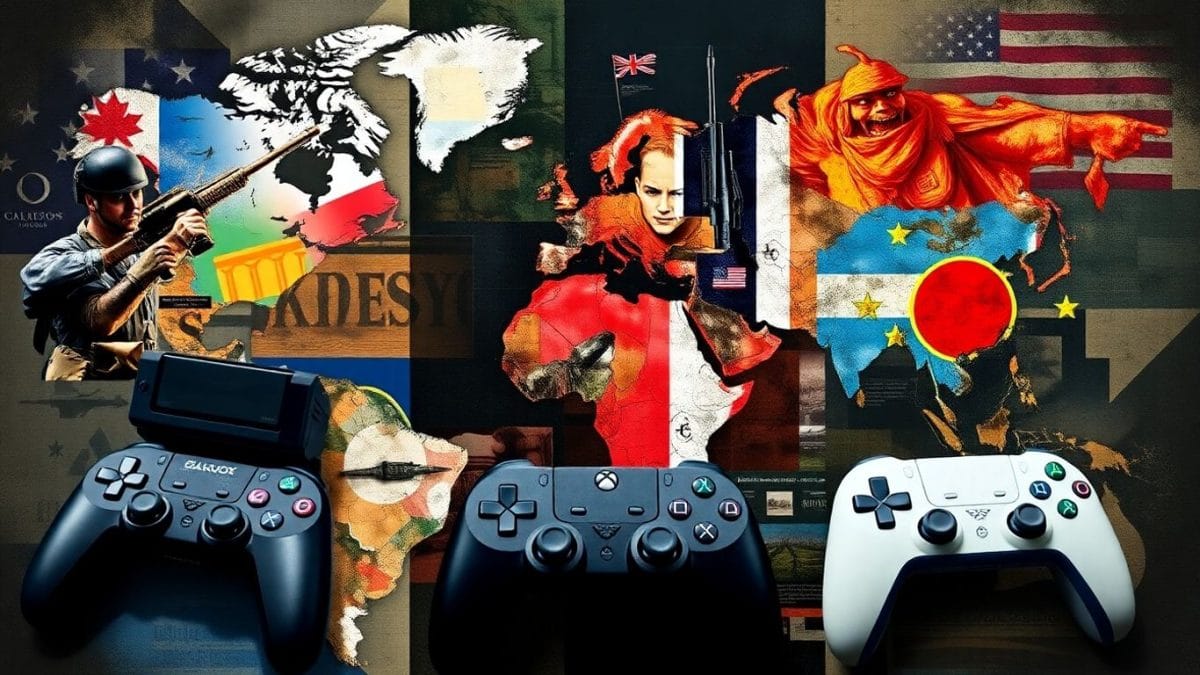
The video game industry is at a pivotal moment, marked by the anticipation of massive releases like "Grand Theft Auto VI" and significant market growth in regions like Saudi Arabia. However, this booming sector is also becoming a complex arena for geopolitical influence and propaganda, particularly highlighted by Russia’s use of gaming for ideological control and youth militarization.
Key Takeaways
- The highly anticipated "Grand Theft Auto VI" is poised to be a record-breaking entertainment launch, signaling continued blockbuster potential in the industry.
- Saudi Arabia is rapidly emerging as a major player in the global gaming market, driven by government initiatives, a young population, and significant investment.
- Concerns are rising over the use of video games by state actors, such as Russia, to spread propaganda, militarize youth, and influence geopolitical narratives.
Blockbuster Hype and Market Expansion
The gaming world is abuzz with the impending release of "Grand Theft Auto VI," a title expected to generate billions in revenue and set new benchmarks for entertainment launches. This anticipation underscores the enduring appeal and commercial power of major gaming franchises.
Meanwhile, the Middle East, particularly Saudi Arabia, is experiencing a surge in online gaming. Fueled by Vision 2030, increased internet penetration, and a youthful demographic, the Saudi gaming market is projected for substantial growth. Government strategies aim to create jobs, boost the economy, and establish the kingdom as a global hub for gaming and esports, supported by significant institutional investment and a robust digital infrastructure.
Gaming as a Geopolitical Tool
Beyond entertainment and economic growth, video games are increasingly recognized as tools for ideological influence. Reports indicate that Russia is actively integrating its gaming industry into state policy, using government support and censorship to promote content that glorifies its military and distorts historical narratives. This strategy extends to the militarization of youth through esports tournaments and virtual combat simulations, even in occupied territories.
Propaganda Embedded in Gameplay
Propaganda is being subtly woven into game design, visual symbols, and online communities. Russian gaming studios with ties to the military-industrial complex have been noted for including anti-Ukrainian imagery. Furthermore, gaming influencers and online platforms are used to promote pro-war symbols and nationalist sentiments. The report also highlights instances of direct recruitment for military roles occurring within gaming chats and platforms, blurring the lines between virtual challenges and real-world enlistment.
Addressing the Challenges
Experts emphasize the need for players to be vigilant against ideological cues and hate speech within gaming communities. Recommendations include increased digital literacy programs for youth and independent monitoring of gaming content originating from authoritarian regimes. The pervasive and addictive nature of video games makes them a potent, albeit often invisible, front in the information war.