
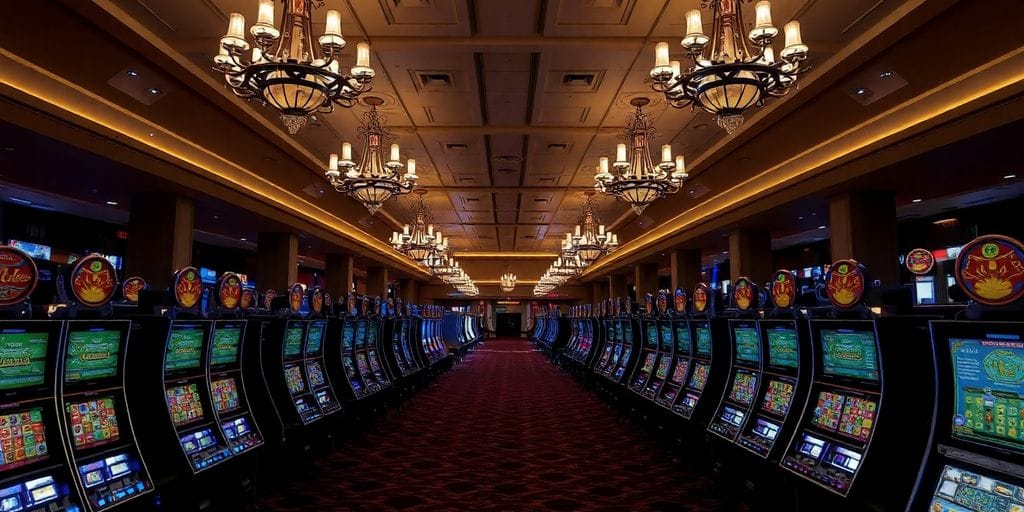
Las Vegas, the vibrant hub of entertainment and gaming, is currently facing a significant downturn in its tourism and gaming sectors. Recent data indicates a concerning decline in visitor numbers and revenue, prompting industry experts and city stakeholders to express worries about the economic implications for the remainder of the year and into 2026.
Las Vegas Faces Economic Headwinds as Tourism and Gaming Revenue Decline
Las Vegas, renowned globally for its entertainment and gaming industry, is experiencing a challenging period marked by a notable decline in tourism and gaming revenue. This downturn is raising significant concerns among economists and industry leaders about the city’s economic stability.
Key Takeaways
- Tourism Drop: The Las Vegas Convention and Visitors Authority (LVCVA) reported a 6.5% decrease in tourism in May compared to the previous year.
- Gaming Revenue Slump: Statewide gaming win fell by 2.2% year-over-year, from $1.32 billion in May 2024 to $1.29 billion in May 2025.
- International Traveler Decline: A significant factor contributing to the revenue drop is a decrease in international visitors.
- Airport Passenger Numbers: Harry Reid International Airport has seen a decline in passenger numbers for the fourth consecutive month in May, reflecting the broader tourism slowdown.
Economic Impact and Expert Concerns
Stephen Miller, an economist at the University of Nevada, Las Vegas, has voiced concerns regarding the long-term impact of these trends on the gaming sector, projecting challenges through 2026. The gaming industry is a primary economic driver for Las Vegas, generating billions in revenue, making this decline particularly impactful.
Strategies for Recovery
In response to the downturn, Las Vegas is exploring various strategies to revitalize its economy:
- Focus on Domestic Travelers: Shifting marketing efforts to attract more domestic tourists and short-term visitors.
- Diversification of Offerings: Expanding beyond gaming to promote other attractions such as:
- Outdoor adventures
- Arts and culture
- Health and wellness tourism
These initiatives aim to broaden the city’s appeal and reduce its reliance on the gaming sector, fostering a more sustainable tourism ecosystem. While the return of international tourists is crucial for a full recovery, the city is adapting to evolving travel preferences and refining its appeal to the domestic market.
Looking Ahead
Industry experts anticipate that the challenges facing Las Vegas’s tourism and gaming industries will persist into 2026. However, a combination of innovative marketing, new experiences, and a focus on high-spending domestic tourists is expected to help reverse the current decline. The city’s ability to innovate and adapt will be key to regaining its position as a premier global entertainment destination.