
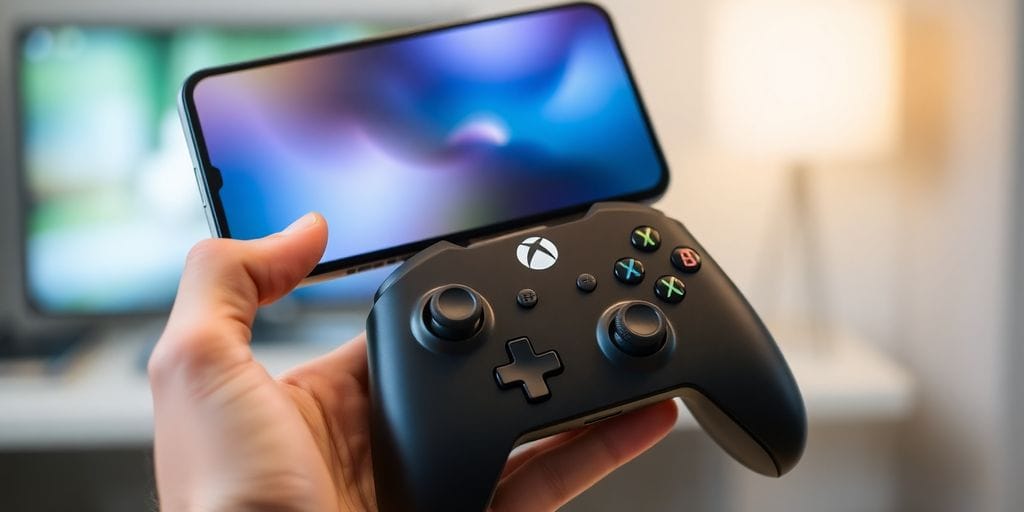
Microsoft is making a significant push into the handheld PC gaming market, aiming to compete with established players like Nintendo and Valve. The company, along with its partners, is expanding PC gaming to handheld devices and cloud platforms, signaling a new era for portable gaming.
Microsoft’s Handheld Gaming Ambitions
Microsoft is re-entering the handheld gaming arena with devices like the Xbox ROG Ally, a partnership with Asus. This device is designed to appeal to "hardcore gamers" and offers a familiar Xbox controller layout on a portable screen. The strategy behind this move is to increase player engagement by allowing them to play games across various devices and locations, potentially leading to increased spending on games and services like Game Pass.
- Microsoft aims to capture a share of the growing handheld market.
- The Xbox ROG Ally is a key device in this expansion.
- The goal is to enhance player engagement and spending.
Competition in the Handheld Space
The handheld gaming market is becoming increasingly competitive. Nintendo’s Switch 2 has seen a strong launch, while Valve’s Steam Deck has also achieved significant sales. Microsoft’s entry, particularly with the ROG Ally, positions it directly against these established players. While Sony’s PlayStation Portal offers a streaming-based experience, it targets a different segment of the market.
Emerging Handheld Technologies
Beyond Microsoft’s direct offerings, the broader PC handheld market is seeing innovation. Devices like the Abxylute 3D One, powered by Intel’s Lunar Lake processors, are pushing boundaries with features such as 3D displays and high-resolution screens. These devices, though often at a premium price point, showcase the evolving capabilities and diverse offerings within the portable gaming ecosystem.
Enhancing the Windows Gaming Experience
Microsoft is also optimizing the Windows 11 experience for handheld gaming. A new "handheld gaming mode" is being developed, which includes a dedicated "home app" that can launch the Xbox app in full screen. This mode aims to streamline the user experience by reducing background resource usage and simplifying the interface for controller-based navigation. Furthermore, Microsoft is integrating third-party apps and rival storefronts into the Xbox app on Windows, creating a more unified platform for PC gamers, especially those using handheld devices.
Cloud Gaming Expansion
In parallel with the handheld hardware push, cloud gaming continues to expand. Samsung, for instance, is extending its mobile cloud gaming platform to Europe, allowing users to play games on their Galaxy devices without downloads. This move highlights the growing importance of cloud-based solutions in making gaming more accessible across a wider range of devices.
Sources
- Microsoft re-joins handheld gaming fight against Nintendo’s Switch, Yahoo Singapore News.
- Intel Lunar Lake-powered gaming handheld with 3D display will sell for $1,699 — 11-inch screen boasts WQXGA
resolution and 120 Hz refresh rate, Tom’s Hardware. - I tried Windows 11’s new handheld gaming mode on the Xbox Ally, Windows Central.
- Microsoft is bringing PC gaming apps and stores to its Xbox app on Windows, The Verge.
- Samsung Expands Mobile Cloud Gaming Platform to Europe, Unlocking New Opportunities for Players and Partners
– Samsung Global Newsroom, Samsung Newsroom.