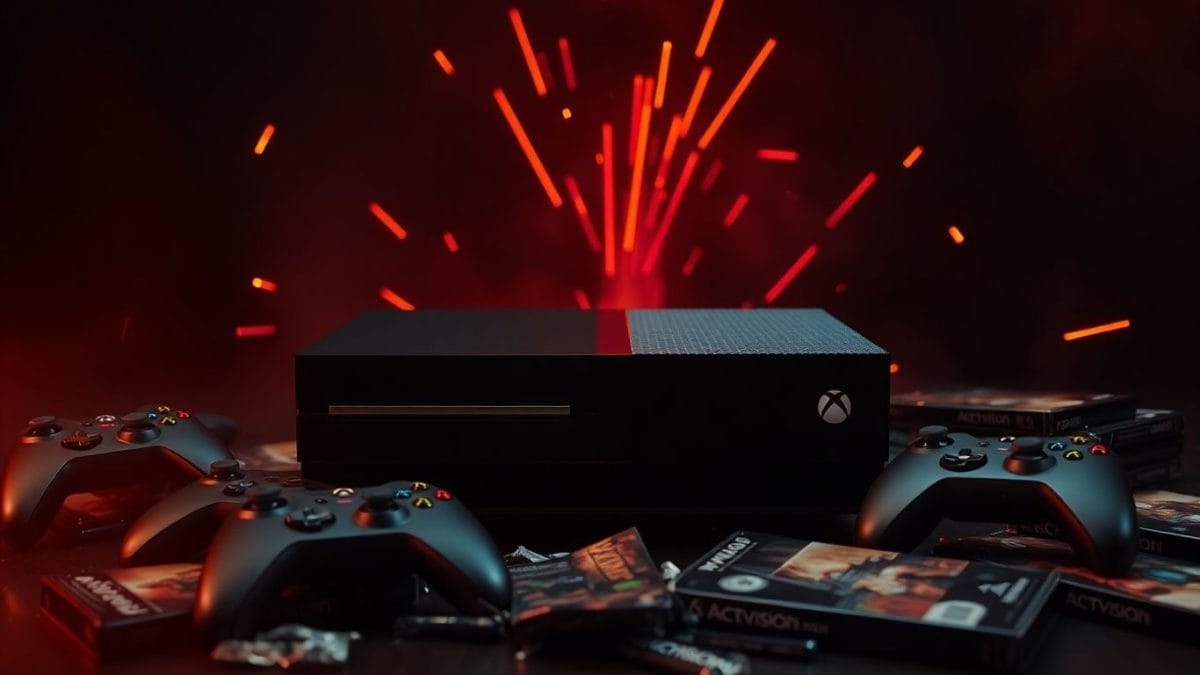
Microsoft is under fire as its Xbox Game Pass service sees a sharp price increase and continuing fallout from its $69 billion acquisition of Activision-Blizzard. With layoffs impacting thousands of employees and criticisms from former regulators, the gaming giant’s strategic vision is now in question among both industry insiders and gamers.
Key Takeaways
- Game Pass price jumped up to 50% amid consumer backlash
- Layoffs have hit thousands at Microsoft’s gaming subsidiaries post-acquisition
- Reports indicate Game Pass cannibalized game sales, notably $300 million lost on Call of Duty: Black Ops 6
- Former FTC chair says consolidation is harming gamers and developers
Price Hikes Raise Eyebrows Among Gamers
The latest increase in Game Pass pricing—raising the premium tier to $30/month—has generated notable discontent among subscribers. Microsoft argues the raise is necessary to sustain its game library and infrastructure costs. However, this is the second price jump since the company finalized its Activision-Blizzard merger, and critics say it points to a model struggling to meet revenue expectations.
According to industry reports, while Game Pass initially drove swift subscriber growth, the service has not delivered the explosive uptake Microsoft anticipated. Internal sources indicate that including major releases like Call of Duty on Game Pass may have undermined traditional game sales.
Activision Acquisition: Did It Pay Off?
Microsoft’s acquisition of Activision-Blizzard in 2023 was billed as a transformative moment for Xbox—providing blockbuster franchises like Call of Duty and hopes of boosting its streaming and subscription base. Yet, even as Black Ops 6 set new franchise records, 82% of full-price sales happened on PlayStation platforms, not via Xbox’s Game Pass.
Further complicating matters, Bloomberg reports estimate that Game Pass’s inclusion of Black Ops 6 led to $300 million in lost sales, as players subscribed for a short period rather than purchasing games at full price. This raises questions about the long-term profitability of the subscription model, with analysts noting that current subscriber growth does not appear to fully offset these missed sales.
Layoffs and Studio Closures Erode Goodwill
Microsoft’s ongoing cost-cutting has resulted in multiple rounds of significant layoffs, impacting development staff across Xbox and Activision divisions. Studio closures and canceled projects have left both developers and the broader community reeling, undermining initial promises that the merger would benefit consumers and workers.
These actions have prompted pointed commentary from former US Federal Trade Commission chair Lina Khan, who underscored how consolidation often brings price hikes and job losses. Narrowing industry competition, she argues, leaves customers and creators worse off as dominant firms become “too-big-to-care.”
The Future of Game Subscription Services
The challenges facing Microsoft’s Game Pass strategy are prompting debates across the gaming world. As traditional sales models clash with the subscription-based approach, questions remain about the future of game pricing, developer sustainability, and consumer choice.
With more gamers voicing concern and regulatory scrutiny on the rise, Microsoft’s next moves may well shape the direction of the industry for years to come.
Sources
- As Microsoft lays off thousands and jacks up Game Pass prices, former FTC chair says I told you so: The
Activision-Blizzard buyout is ‘harming both gamers and developers’, PC Gamer. - Why biggest gaming acquisition in history may have fallen short of Microsoft’s Xbox expectations, Times of India.
- Microsoft reportedly estimated that Game Pass led to $300 million in lost sales of Black Ops 6, with 82% of
copies sold being on the Game Pass-less PlayStation 5, PC Gamer.