
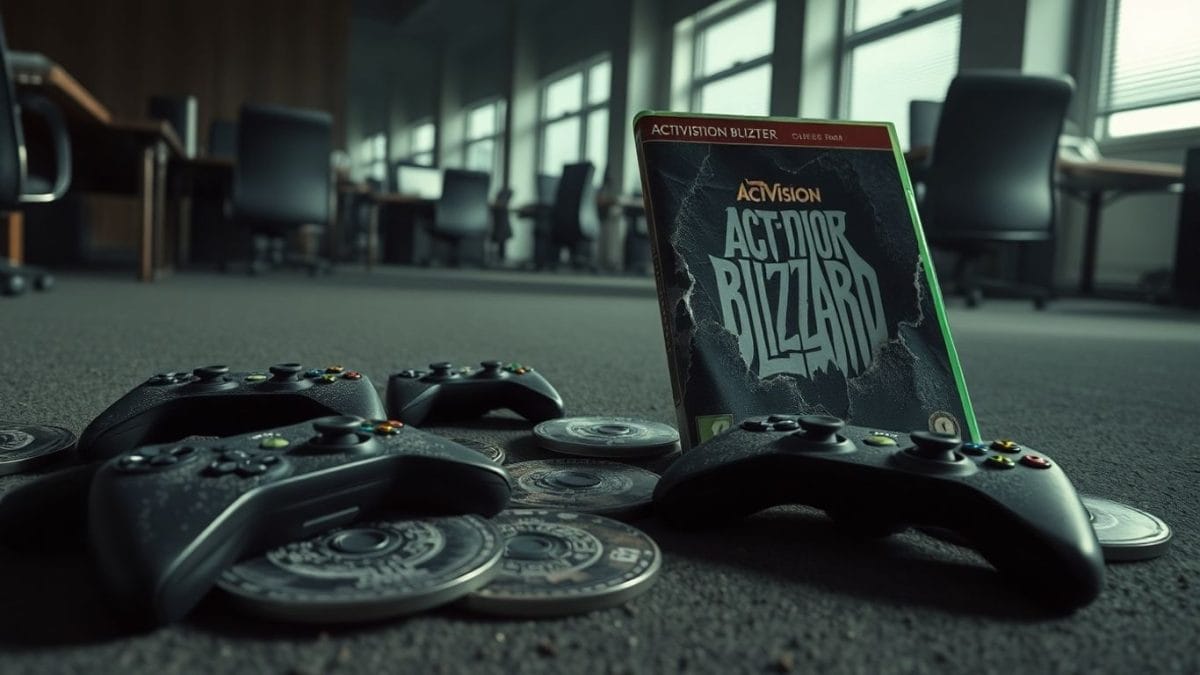
Microsoft’s high-profile acquisition of Activision Blizzard has sparked intense backlash within the gaming community and industry alike, as the company rolls out significant layoffs and unprecedented hikes to its flagship Game Pass service. The aftermath has ignited criticism over anti-competitive practices, diminished consumer value, and the future of Xbox gaming.
Key Takeaways
- Major layoffs at Xbox and Activision Blizzard, with thousands losing their jobs since the 2023 acquisition
- Game Pass Ultimate’s monthly price hiked by 50%, triggering criticism and confusion
- Microsoft reportedly lost $300 million in Call of Duty sales by including it in Game Pass
- Gamers and industry leaders, including former FTC chair Lina Khan, warn of market consolidation’s harm
- Xbox fans question the value of Game Pass as bundled services add cost but not always value
Microsoft’s Activision Blizzard Buyout: Fallout Continues
When Microsoft closed its $69 billion deal for Activision Blizzard in 2023, the gaming world braced for seismic shifts. Former FTC chair Lina Khan, who led efforts to block the merger, now says her warnings have come true: widespread layoffs and price hikes have followed, affecting both the workforce and millions of gamers. Microsoft insists the move benefits competition and consumer choice, but its recent decisions have fueled frustration among players who feel left behind.
Game Pass Price Increases Spark Outrage
Game Pass, once praised for its accessibility and value, has become the epicenter of discontent. Xbox Game Pass Ultimate and PC Game Pass prices jumped not once, but twice since the merger, with the latest hike reaching a staggering 50%. This places the annual cost for the top tier at $360 — nearly matching the combined price of buying several top games individually, but without offering actual ownership.
The price surge comes just as Microsoft pushes more high-profile titles onto the service, but critics argue that bundling extras like Fortnite Crew and Ubisoft+ adds unnecessary bloat, further alienating dissatisfied users.
Call Of Duty: Gains, Losses, And Strategic Questions
Microsoft made headlines by dropping new Call of Duty releases onto Game Pass from day one. While this move drove historic subscriber growth and set franchise revenue records, it came at a steep price—an estimated $300 million in lost direct sales last year alone. Microsoft hopes to offset this with increased subscriptions and in-game microtransactions, but some analysts question whether the price hike is a sign the company is struggling to reap the rewards it expected post-acquisition.
Community Backlash And Uncertain Future
The combination of layoffs, canceled projects, and rising subscription costs has left many loyal Xbox users feeling betrayed. Xbox forums and social media have been flooded with complaints, cancellations, and calls for a return to the original Game Pass ethos: simple, affordable access to games. Industry watchers note that Microsoft’s shift in focus—from player-friendly innovation to aggressive profit margins—could undermine its long-term position in gaming.
What’s Next For Xbox Gamers?
As Microsoft doubles down on its new strategy, the fate of Game Pass—and by extension, Xbox itself—remains uncertain. Will higher prices and big-name exclusives be enough to retain and grow their customer base, or will loyal players abandon the platform in search of better value elsewhere? Microsoft’s next moves will be closely watched by gamers and competitors alike.
Sources
- As Microsoft lays off thousands and jacks up Game Pass prices, former FTC chair says I told you so: The
Activision-Blizzard buyout is ‘harming both gamers and developers’, PC Gamer. - Microsoft lost $300 million in Call of Duty sales from Game Pass, Windows Central.
- Game Over: Game Pass has become a shadow of its former self, Windows Central.