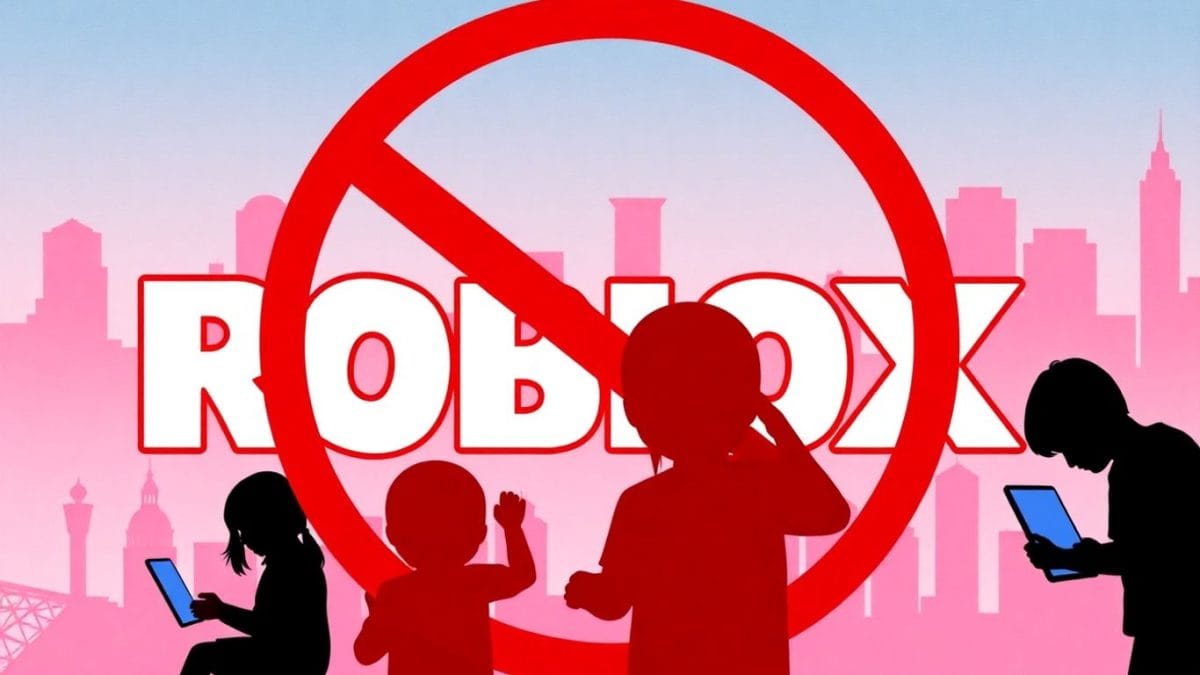
Australia is grappling with whether to extend its upcoming social media ban for under-16s to include the popular online gaming platform Roblox. The debate intensifies following a report detailing severe virtual harassment on the platform and a lawsuit filed in Texas alleging concealed safety risks. Experts and lawmakers are questioning the current exclusion of Roblox, which boasts millions of young users, from the ban set to take effect on December 10th.
Key Takeaways
- Experts and MPs argue Roblox should be included in Australia’s ban on social media for under-16s due to significant safety risks.
- The eSafety commissioner’s definition of "sole and significant purpose" is being scrutinized as platforms increasingly blend gaming and social interaction.
- Roblox has committed to implementing new safety measures, including age-assurance technology and stricter communication controls for minors.
- Texas has filed a lawsuit against Roblox, accusing the platform of deceiving parents about child safety risks.
Growing Calls for Inclusion
Calls are mounting for the Australian government to reconsider Roblox’s exclusion from the social media ban for individuals under 16. Independent MP Monique Ryan described the omission as "inexplicable," highlighting that platforms like Roblox offer children "unmoderated exposure to gambling, cloned social media apps and explicit content." This sentiment is echoed by Associate Professor Niusha Shafiabady, who believes Roblox functions as a "contained social media platform" due to its content creation and interaction features.
eSafety Commissioner’s Stance and Roblox’s Commitments
The eSafety commissioner, Julie Inman Grant, explained that platforms are assessed based on their "sole and significant purpose." Currently, services primarily enabling online gameplay are not classified as age-restricted social media platforms. However, she indicated that if platforms like Roblox introduce more social media-like features, they could be captured by future regulations. A spokesperson for the communications minister stated that Roblox is not exempt from its responsibilities under the Online Safety Act.
Roblox has pledged to implement significant safety enhancements by the end of the year. These include age-assurance technologies, preventing adults from contacting children without parental consent, and making accounts private by default for users under 16. After age verification, children will be unable to chat with adults, and parental controls will allow disabling chat for 13- to 15-year-olds.
Broader Safety Concerns and Legal Action
Digital wellbeing expert Joanna Orlando pointed to grooming risks and the increasing monetization of children’s engagement on Roblox as key concerns, emphasizing that it’s "so much more" than just a video game due to its extensive social layers.
Meanwhile, in the United States, Texas Attorney General Ken Paxton has sued Roblox, alleging the platform has deceived parents about safety risks and become a haven for child predators. Roblox has responded by stating its commitment to safety, highlighting its protocols for removing bad actors and protecting users, and expressing disappointment with the lawsuit, which it claims is based on "misrepresentations and sensationalized claims."
Political Reactions
Greens communications spokesperson Sarah Hanson-Young criticized the government’s approach as "playing whack-a-mole" and called for greater accountability from big tech companies. Shadow communications minister Melissa McIntosh urged parental vigilance, emphasizing the government’s responsibility to protect children from online predators.